
Origin of 'Flash in the Pan'
Unveiling the Fiery Beginnings of a Timeless Idiom
Key Takeaways
- Historical Roots: The phrase originates from the mechanics of flintlock firearms used in the 16th to 18th centuries.
- Metaphorical Evolution: It evolved to describe brief, unsuccessful endeavors despite promising starts.
- Modern Usage: Commonly used to characterize short-lived successes or trends that fail to sustain momentum.
Historical Origins of the Phrase
Flintlock Firearms and the Birth of the Idiom
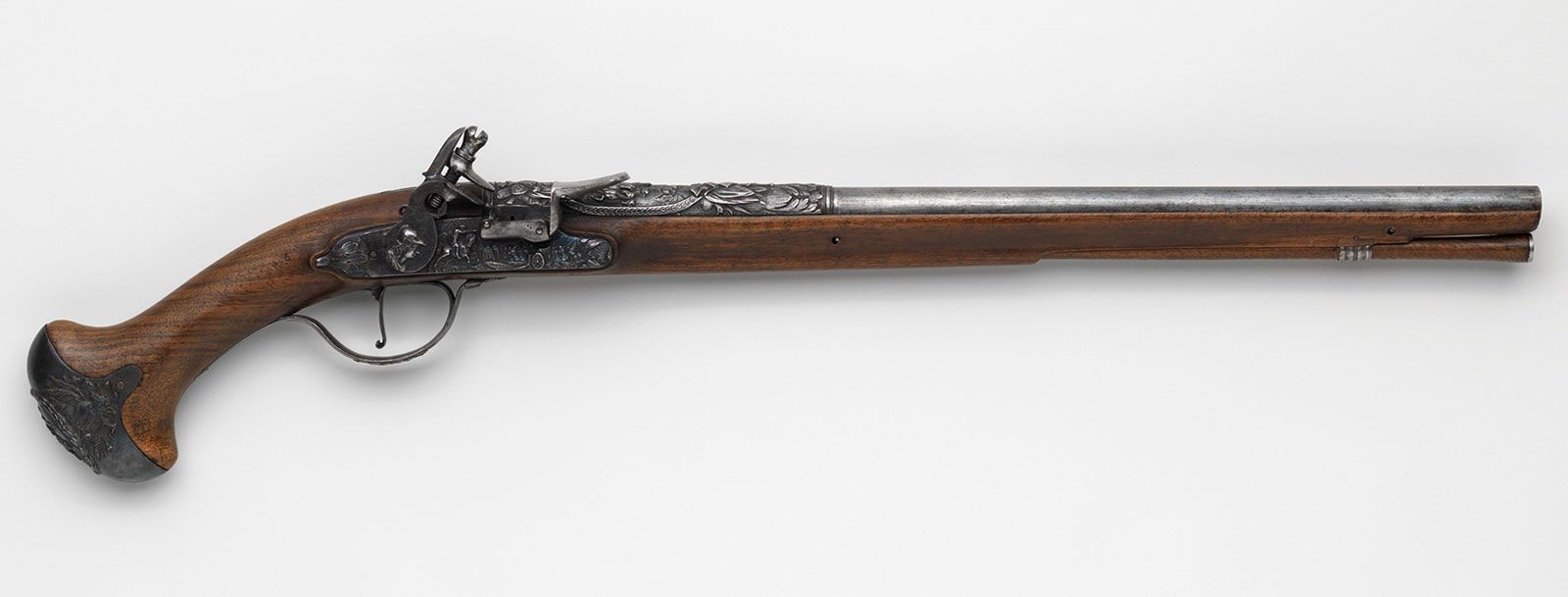
The idiom "flash in the pan" finds its origins deeply rooted in the evolution of early firearms, particularly the flintlock musket. Flintlock muskets were the predominant firearms from the 16th to the 18th centuries, renowned for their reliability and effectiveness in warfare. These muskets featured a crucial component known as the "lock-pan" or "priming pan," which held a small amount of gunpowder. When the trigger was pulled, a piece of flint would strike a steel plate called the "frizzen," generating sparks.
These sparks were intended to ignite the gunpowder in the pan, creating a small explosion that would, in turn, ignite the main charge of gunpowder within the barrel, propelling the bullet forward. However, the mechanism was not infallible. On occasion, the gunpowder in the lock-pan would ignite, producing a brilliant flash and a puff of smoke, but fail to ignite the main charge in the barrel. This malfunction resulted in a misfire, leaving the firearm seemingly active but ultimately failing to discharge a projectile.
The occurrence of the gunpowder igniting in the pan without leading to a successful shot was visually striking yet functionally disappointing. This event—a brief, impressive flash followed by ineffectiveness—gave rise to the phrase "flash in the pan," symbolizing something that shows potential or creates initial excitement but fails to deliver lasting results.
Metaphorical Evolution of the Phrase
From Firearms to Everyday Language
Over time, the vivid imagery of a sudden, bright flash that does not culminate in a meaningful outcome transcended its literal origins. "Flash in the pan" began to be used metaphorically to describe events, trends, or individuals that exhibit a momentary display of promise or success but ultimately do not achieve enduring significance.
This metaphorical usage captures the essence of fleeting success—something that captivates attention initially but fades away quickly without leaving a lasting impact. Whether applied to a singer's brief stint in the limelight, a company's short-lived boom, or a technological trend that fails to gain traction, the phrase succinctly conveys the idea of transience and unreliability.
Detailed Analysis of the Phrase's Origin
Technical Mechanics and Common Failures
Delving deeper into the technicalities, the flintlock mechanism was a marvel of its time but prone to occasional failures. The primary issue leading to the "flash in the pan" phenomenon was the inconsistency in igniting the main charge after the priming powder had been set ablaze. Factors contributing to this failure included moisture dampening the gunpowder, improper loading, or wear and tear of the firearm components.
Such malfunctions were not uncommon in the era of black powder firearms, where maintenance standards varied, and exposure to the elements could compromise the functionality. The repetition of witnessing the flash without the gun firing effectively ingrained the phrase into the vernacular as a representation of unfulfilled potential or ephemeral success.
Comparative Insights from Historical Sources
Synthesis of Multiple Accounts
Analyzing the provided sources, a consensus emerges around the technical origin of "flash in the pan" linked to flintlock firearm mechanics. SourceA emphasizes the function of the lock-pan and the resultant misfiring as the genesis of the phrase. SourceB aligns with this interpretation, detailing the process of spark generation and the subsequent failure to ignite the main charge. SourceC reinforces this narrative, providing additional context about the era and the commonality of such malfunctions.
All sources collectively highlight the transition from a specific technical malfunction to a widely recognized idiom representing fleeting success. They uniformly dismiss alternative theories, such as associations with gold prospecting, thereby strengthening the credibility of the firearms-related origin.
Modern Interpretations and Applications
Contemporary Usage and Relevance
In today's vernacular, "flash in the pan" is employed across various contexts to denote something that initially appears impressive or promising but fails to maintain its momentum or achieve substantial success. This can apply to individuals in the entertainment industry who have a hit single but struggle to replicate success, startups that gain quick attention without sustainable growth, or trends that surge in popularity only to dissipate shortly after.
The phrase effectively communicates skepticism about the longevity of a subject's success, hinting at underlying instability or lack of substance beyond the initial facade. It serves as a cautionary descriptor, suggesting that the observed brilliance may not be indicative of enduring value.
Examples Illustrating the Idiom
Real-World Applications
To contextualize the idiom, consider the following examples:
- "The tech gadget exploded in popularity upon launch, but it turned out to be just a flash in the pan as newer models quickly replaced it."
- "Despite winning a prestigious award, the artist became a flash in the pan, with subsequent works failing to garner similar acclaim."
- "The internet meme was a flash in the pan, dominating social media for a week before fading into obscurity."
These instances demonstrate how the phrase succinctly encapsulates the nature of transient success across different domains.
Visual Representation of the Idiom
Depicting the Concept Through Imagery
The imagery associated with "flash in the pan" often conjures visions of bright, fleeting light without lasting results. This aligns with the original scenario of a gunpowder ignition that fails to propel a bullet, symbolizing an unfulfilled promise.
Visually, a representative image might include a flintlock musket with a glowing pan, emitting sparks but lacking the dramatic discharge of a bullet. Such imagery reinforces the transient and ineffective nature of the phrase's metaphor.
Literary and Cultural References
Usage in Literature and Media
"Flash in the pan" has been utilized in various literary works and media to convey themes of temporary success or the impermanence of glory. Authors and speakers often employ the idiom to critique or highlight the superficial nature of certain achievements or phenomena.
For instance, in literature, a character experiencing a brief moment of fame before descending into obscurity might be described as a "flash in the pan." Similarly, in political discourse, a leader who gains quick popularity but fails to implement lasting policies may be subject to such characterization.
Comparative Analysis with Similar Idioms
Distinguishing 'Flash in the Pan' from Related Expressions
While "flash in the pan" specifically denotes a bright but futile attempt, other idioms share similar connotations with nuanced differences. For example:
-
Fleeting Fancy: Emphasizes temporary interest or admiration without connotation of failure.
-
Momentary Triumph: Highlights a brief success, which may or may not lead to failure.
-
One-Hit Wonder: Often used in the context of music or entertainment to describe a single successful effort amidst otherwise unremarkable attempts.
"Flash in the pan" is distinguished by its inherent implication of disappointment or unfulfilled potential, whereas other idioms may lack this negative connotation.
Impact on Language and Communication
Influence on Idiomatic Expressions
The longevity and widespread understanding of "flash in the pan" underscore its effectiveness as an idiomatic expression. It succinctly conveys a complex idea within a familiar metaphor, facilitating efficient and impactful communication.
Its continued relevance in modern language attests to the enduring connection between historical experiences and contemporary expression. By encapsulating a specific mechanical failure into a versatile metaphor, the phrase enriches the English language with nuanced descriptive capability.
Conclusion
Summarizing the Journey from Firearms to Figurative Language
The phrase "flash in the pan" serves as a fascinating example of how technical terminology can evolve into commonplace idioms, enriching the language with vivid metaphors. Originating from the mechanics of flintlock firearms, it effectively captures the essence of fleeting success and unfulfilled potential. Its adoption into everyday language illustrates the dynamic nature of linguistic evolution, where specific historical contexts give rise to enduring expressions that resonate across time and culture.
Understanding the origin and application of such idioms enhances our appreciation of language's capacity to mirror human experiences and societal changes. "Flash in the pan" remains a powerful descriptor for transient phenomena, encapsulating both historical nuance and contemporary relevance.
References
Last updated January 21, 2025