
Unveiling the Ecology of Oryx beisa: A Comprehensive Literature Review
Insights into the biology, population, distribution, and habitat preferences of the East African oryx
Key Highlights
- Adaptive Biology: Intricate physiological and morphological traits aiding survival in arid environments.
- Population Dynamics: Varied trends with conservation successes in specific regions contrasted by declines elsewhere.
- Habitat and Distribution: Fragmented yet distinct habitat preferences that shape seasonal movements and distribution ranges.
Overview of Oryx beisa
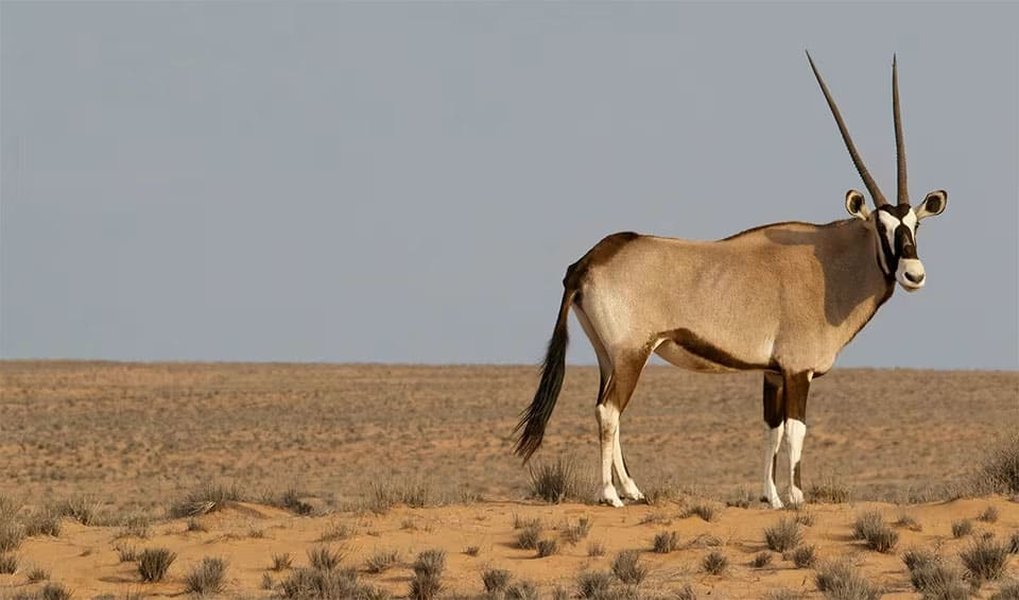
The Oryx beisa, commonly known as the East African oryx or Beisa oryx, is an emblematic species of antelope endemic to the arid lands of eastern Africa. This literature review synthesizes research data spanning its biological adaptations, population status, distribution intricacies, and habitat preferences, providing a holistic view that supports conservation endeavors.
1. Biology of Oryx beisa
Morphological and Physiological Adaptations
Oryx beisa is renowned for its striking physical features, including a sleek body, a robust neck, and long, straight horns that can extend up to 120 cm, contributing to both intraspecies combat and predator deterrence. The species has evolved distinct physiological mechanisms to survive in extreme arid conditions. These include:
- Adaptive water conservation strategies such as concentrated urine and minimal evaporative water loss.
- High tolerance to elevated body temperatures to reduce the need for frequent water intake.
- A digestive system refined to extract maximal nutrition from sparse and low-quality forage.
Furthermore, the oryx's coloration, which features a reddish-brown coat with patches of white, not only provides camouflage in their mostly arid habitat but also aids in thermoregulation. Behavioral studies note that these antelopes are diurnal, aligning their activities with the availability of forage and the relative coolness of the environment during morning and late afternoon.
2. Population Status and Trends
Conservation Challenges and Success Stories
Oryx beisa has experienced significant fluctuations in its population, often as a function of human-induced pressures. According to various studies and assessments, the global population of these antelopes is estimated at approximately 11,000 to 13,000 mature individuals. The International Union for Conservation of Nature (IUCN) currently lists the species as Endangered or Vulnerable based on regional assessments.
Several factors contribute to the decline in numbers:
- Hunting and Poaching: Historically, uncontrolled hunting for meat and hides has resulted in considerable population drops.
- Habitat Destruction: Agricultural expansion, settlements, and competition with livestock have considerably diminished suitable living areas.
- Fragmentation: The once widespread distribution in northeastern Africa has become increasingly fragmented due to human activities, severely affecting genetic diversity and sustainability in isolated populations.
Nevertheless, recent reports reflect positive trends in certain conservation areas. For example, conservancies in Kenya, such as the Nakuprat-Gotu Conservancy, have implemented robust management strategies leading to noticeable annual increases, sometimes by as much as 10%. These localized successes underscore the efficacy of targeted conservation measures.
3. Distribution Across East Africa
Historical Range Versus Present-Day Distribution
Historically, the Oryx beisa roamed a wide expanse of East Africa, covering regions from Sudan in the north to Tanzania in the south. Recent evidence points to a contraction in these ranges, with the species now predominantly observed in Ethiopia, northern and eastern Kenya, and sporadic occurrences in Somalia and parts of Tanzania. Key factors influencing this distribution include:
- Environmental degradations and human encroachments leading to a shrinkage of their once continuous habitat.
- Protected areas such as national parks and conservancies serving as the last refuges, where concerted conservation efforts have been more successful.
- Geographical barriers such as the Tana River in Kenya, which not only demarcates subspecies distribution but also influences regional genetic differentiation.
Illustrative Table of Oryx beisa Distribution
| Region | Key Protected Areas | Population Trends |
|---|---|---|
| Ethiopia | Alledeghi Wildlife Reserve, Omo National Park | Declining due to habitat loss |
| Kenya (Northern and Eastern) | Awash National Park, Samburu National Reserve, Nakuprat-Gotu Conservancy | Mixed trends; some conservancies show increase |
| Somalia/Tanzania | Fragmented regions | Rare sightings, overall decline |
The table above provides a consolidated view of the regional distribution, encompassing the protected areas that play a critical role in sustaining Oryx beisa populations along with prevailing trends observed within these habitats.
4. Habitat Preferences and Seasonal Movements
Environmental Adaptation and Habitat Selection
Oryx beisa thrives in arid environments characterized by sparse vegetation, such as desert steppes, arid grasslands, and scrubland. Their habitat preferences not only hinge on the availability of forage but also on the necessity for open areas that allow early predator detection. Specific observations include:
- Wet Season Behavior: During wetter periods, the oryx exhibit a tendency to migrate towards wooded grasslands where moisture-rich vegetation is available. However, they avoid saturated, tall grass areas, likely to minimize the risk of flooding.
- Dry Season Behavior: In drier times, the species shows a marked preference for bushland and scrub that offer not only forage but also strategic vantage points on higher ground to escape potential predators and mitigate dehydration challenges.
These seasonal movements highlight the species' flexibility and adaptability as they adjust their foraging strategies and spatial distribution according to changing resource availability and environmental pressures.
Mermaid.js Mind Map of Key Concepts
The mind map below illustrates a simplified breakdown of the major factors associated with the ecology of Oryx beisa, including biological adaptations, population status, distribution, and habitat preferences.
5. Integration of Multimedia for Enhanced Understanding
Radar Chart Analysis: Evaluating Ecological Factors
The radar chart below illustrates an opinion-based assessment of the critical ecological aspects of Oryx beisa, integrating dimensions such as biological adaptations, population resilience, habitat specificity, and conservation urgency.
Embedded Multimedia: Conservation in Action
To further elucidate ongoing conservation efforts and the unique characteristics of the Beisa oryx, the following video offers an immersive look into both the natural beauty and the challenges faced by this species:
6. Frequently Asked Questions (FAQ)
What are the key physiological adaptations of the Oryx beisa?
How does habitat fragmentation affect their distribution?
What conservation strategies have proven effective?
What factors influence seasonal habitat shifts?
References
- East African oryx - Animalia.bio
- Aerial Count Reveals Increase in Endangered Oryx - NRT Kenya
- East African Oryx - Wikipedia
- Species Profile - Biodb
- Population Study - Wiley Online Library
Recommended Further Queries
Last updated March 29, 2025