
Decoding OSD: Unpacking Its Many Meanings in System Development
Explore the diverse interpretations of OSD and why context is crucial for understanding its role.
Key Insights on OSD in System Development
- Operating System Deployment: Often refers to the automated process of installing and configuring operating systems across multiple devices, crucial for IT infrastructure management.
- Offshore Software Development: Commonly signifies outsourcing software development tasks to teams in other countries to leverage global talent and reduce costs.
- Context is King: The precise meaning of OSD heavily depends on the specific field (IT operations, software engineering strategy, organizational management, defense) and the surrounding discussion.
Why "OSD" Can Be Confusing in System Development
The acronym "OSD" appears frequently in discussions surrounding system development, but its meaning isn't singular. Depending on the specific context—whether it's IT infrastructure, software engineering strategy, organizational planning, or even defense acquisition—OSD can stand for several distinct concepts. Understanding which definition applies requires careful attention to the surrounding information.
This guide breaks down the most common and relevant interpretations of OSD within the broad field of system development, helping you navigate its various uses.
Operating System Deployment (OSD): The IT Infrastructure Backbone
Automating OS Installation and Management
One of the most prevalent meanings, especially in IT operations and systems administration circles, is Operating System Deployment. This refers to the set of processes and tools used to automatically install, configure, and manage operating systems (like Windows, Linux, etc.) across numerous computers or devices within an organization.
Instead of manually setting up each machine, OSD streamlines the process, ensuring consistency and efficiency, particularly in large enterprises.
Core Components and Processes
- Automation: OSD replaces manual OS installation, applying standardized configurations, required software, drivers, and security patches automatically.
- System Imaging: It often involves creating and deploying "golden images"—pre-configured snapshots of an OS with necessary applications and settings—to ensure uniformity.
- Task Sequences: Complex deployment workflows are managed through task sequences. These automated scripts handle steps like disk partitioning, software installation, domain joining, and user settings migration.
- Scalability: OSD solutions are designed to handle deployment to hundreds or thousands of machines simultaneously.
- Management Tools: Platforms like Microsoft System Center Configuration Manager (SCCM) / Microsoft Endpoint Configuration Manager (MECM) offer robust OSD capabilities, providing infrastructure requirements and detailed task sequence management.
Why is OSD Crucial?
- Efficiency: Drastically cuts down the time and labor needed to provision new systems or refresh existing ones.
- Consistency: Ensures all deployed systems meet organizational standards, security policies, and configuration baselines.
- Maintainability: Simplifies the process of applying updates, patches, and upgrades across the fleet.
- DevSecOps Integration: OSD can be integrated into modern DevSecOps pipelines for automated, secure provisioning of development, testing, and production environments.
This video demonstrates OSDCloud, a tool related to Operating System Deployment concepts, showcasing modern approaches to OS provisioning.
Offshore Software Development (OSD): A Global Strategy
Leveraging International Talent Pools
Another significant meaning of OSD in the system development landscape is Offshore Software Development. This refers to the business practice of outsourcing software development activities—from design and coding to testing and maintenance—to specialized teams located in other countries.
Companies often adopt OSD strategies to access a wider range of technical expertise, achieve cost savings through lower labor rates, and potentially accelerate project timelines by utilizing global time zones ("follow-the-sun" development).
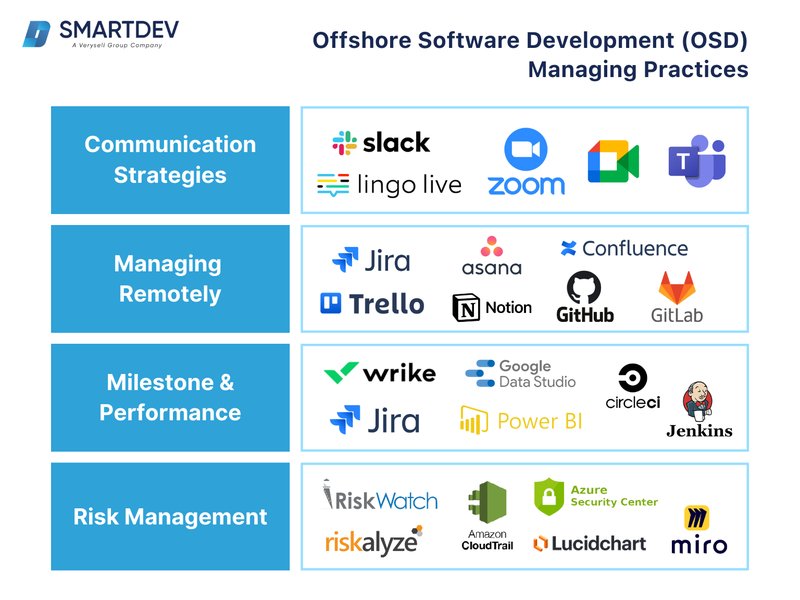
Offshore Software Development involves collaborating with development teams located internationally.
Key Aspects of Offshore Development
- Global Talent Access: Enables businesses to tap into specialized skills that might be scarce or expensive locally.
- Cost Reduction: Often provides significant cost advantages due to differences in labor markets.
- Scalability: Allows companies to quickly scale their development capacity up or down based on project needs without the overhead of hiring permanent staff locally.
- Focus on Core Business: Frees up internal resources to concentrate on core competencies and strategic initiatives.
- Models: Can range from outsourcing specific tasks (low-level) to entire projects or functions (high-level or complete technical outsourcing).
Considerations for System Development
While beneficial, successful Offshore Software Development requires careful management of communication, cultural differences, time zones, quality control, and intellectual property protection to ensure alignment with the company's goals and standards.
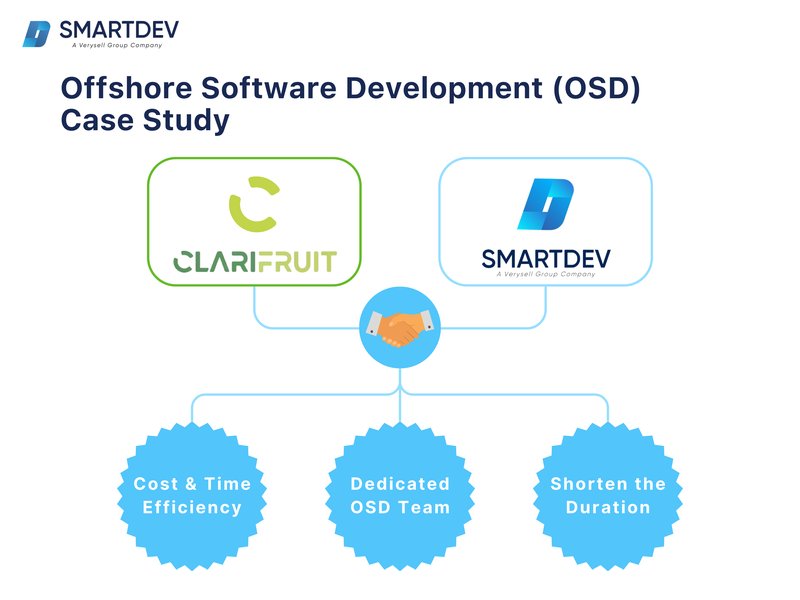
Infographic highlighting potential benefits associated with Offshore Software Development strategies.
Other Relevant Meanings of OSD
Beyond the two most common interpretations, OSD can occasionally refer to other concepts relevant to system development:
Operational System Development
This term refers directly to the process of developing systems specifically intended for operational use within an organization or by end-users. It emphasizes the practical application and deployment phase of a system, ensuring it meets real-world operational requirements, reliability, and performance standards. While less frequently used as an acronym than the others, it's a valid interpretation within the lifecycle of system creation.
Open Source Development
OSD can sometimes relate to Open Source Development, particularly concerning the principles outlined in the Open Source Definition (OSD). This context focuses on developing software where the source code is made publicly available, allowing for free redistribution, modification, and collaboration. Adherence to OSD principles is crucial for software to be considered truly "open source," fostering innovation and community-driven improvement in system development.
Organization(al) Systems Development / Design
In a broader business or management context, OSD might stand for Organization(al) Systems Development or Design. This focuses on the holistic design and improvement of internal systems within an organization—not just technical systems, but also processes, workflows, communication structures, and the integration of technology with human resources. The goal is to enhance overall efficiency, productivity, and alignment with strategic objectives.
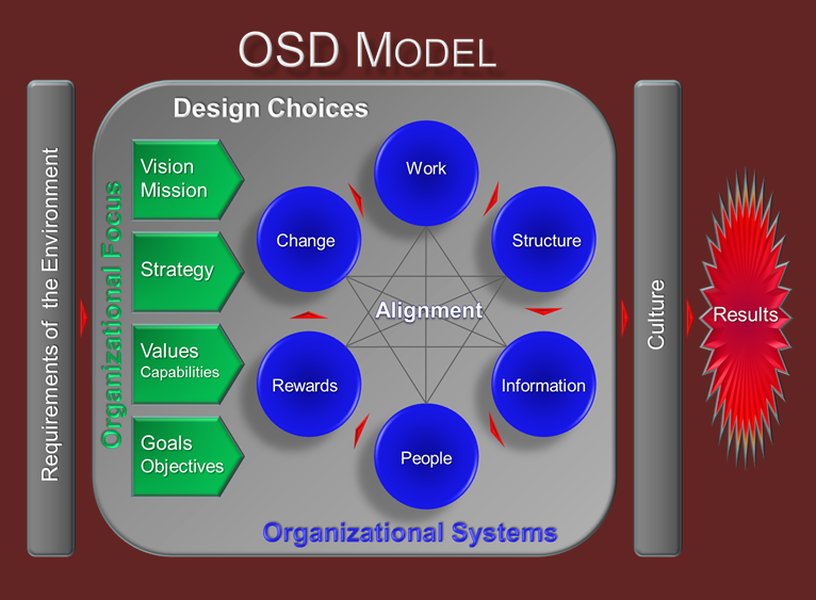
Organizational Systems Design focuses on structuring internal processes and systems for business effectiveness.
Office of the Secretary of Defense (OSD)
In the specific context of US defense and government contracting, OSD refers to the Office of the Secretary of Defense. While this is an organizational entity, parts of the OSD, like the Office of the Under Secretary of Defense for Research and Engineering (OUSD(R&E)), are deeply involved in setting policies, guidelines (e.g., Systems Engineering Plan outlines), and overseeing the development and testing (DT&E) of complex software-intensive and cyber-physical systems for defense acquisition programs. Therefore, in defense system development, encountering "OSD" might refer to this specific office and its directives.
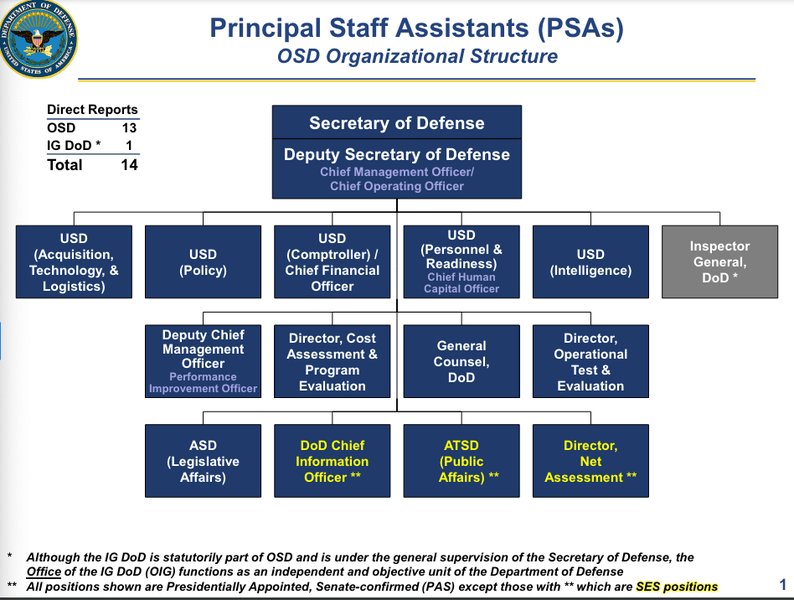
The Office of the Secretary of Defense (OSD) plays a role in overseeing system development within the US Department of Defense.
Visualizing the Meanings of OSD
To better understand the different facets of OSD in system development, this mindmap provides a visual overview of the key interpretations discussed.
Automation & Management"] id1b["Key Activities:
- OS Installation
- Configuration
- Imaging
- Task Sequences"] id1c["Context: IT Operations,
System Administration"] id2["Offshore Software Development"] id2a["Focus: Business Strategy
& Resource Allocation"] id2b["Key Activities:
- Outsourcing Dev Tasks
- Global Talent Access
- Cost Reduction"] id2c["Context: Software Engineering,
Business Management"] id3["Operational System Development"] id3a["Focus: System Lifecycle"] id3b["Key Activities:
- Developing systems for
real-world operational use"] id3c["Context: System Engineering,
Project Management"] id4["Open Source Development"] id4a["Focus: Collaboration & Licensing"] id4b["Key Activities:
- Developing with public
source code (per OSDefinition)"] id4c["Context: Software Engineering,
Community Projects"] id5["Organizational Systems
Development/Design"] id5a["Focus: Internal Business Processes"] id5b["Key Activities:
- Designing workflows
& structures"] id5c["Context: Business Analysis,
Management Consulting"] id6["Other Contexts"] id6a["Office of the Secretary
of Defense (OSD)"] id6a1["Entity involved in
defense system acquisition"]
Comparing OSD Interpretations
The various meanings of OSD differ significantly in their focus and application within system development. This chart provides a comparative perspective based on several key attributes. Note that these are relative assessments to illustrate the differences.
Summary Table of OSD Meanings
This table provides a quick reference comparing the primary focus and common context for each interpretation of OSD in system development.
| Acronym Meaning | Primary Focus | Common Context / Industry |
|---|---|---|
| Operating System Deployment | Automated installation and configuration of operating systems. | IT Operations, System Administration, Enterprise IT Management. |
| Offshore Software Development | Outsourcing software development tasks to other countries. | Software Engineering Strategy, Business Management, Global Operations. |
| Operational System Development | Developing systems specifically for practical, real-world operational use. | System Engineering, Project Management, Software Lifecycle Management. |
| Open Source Development | Developing software with publicly available source code, following specific licensing criteria (Open Source Definition). | Software Engineering, Community Projects, Technology Innovation. |
| Organization(al) Systems Development / Design | Designing and improving internal organizational processes, workflows, and structures. | Business Analysis, Management Consulting, Organizational Change Management. |
| Office of the Secretary of Defense | A specific US government entity involved in defense system acquisition and policy. | Defense Industry, Government Contracting, Military Technology Development. |
Frequently Asked Questions (FAQ)
Which meaning of OSD is the most common?
In technical IT and system administration contexts, Operating System Deployment is extremely common. In strategic software development and business contexts, Offshore Software Development is also frequently encountered. The "most" common depends heavily on the specific field and conversation.
Is OSD related to OOD (Object-Oriented Design)?
No, OSD (in any of its common meanings like Operating System Deployment or Offshore Software Development) is distinct from OOD (Object-Oriented Design). OOD is a programming paradigm focused on structuring software using objects, while OSD generally refers to broader deployment strategies, outsourcing models, or organizational structures. There is also Object-Oriented System Development (OOSD), which uses OOD techniques within a system development process, but this is different from the common meanings of just "OSD".
How can I determine the correct meaning of OSD?
Context is essential. Consider:
- The field: Is the discussion about IT infrastructure, software business strategy, organizational structure, or government/defense?
- Surrounding terms: Are terms like "deployment," "imaging," "task sequences," "outsourcing," "global teams," "costs," "processes," or "DoD" mentioned?
- The source: Is it an IT technical manual, a business strategy document, an organizational chart, or a defense acquisition guideline?
Recommended Further Exploration
- How do different Operating System Deployment tools like SCCM and MDT compare?
- What are the pros and cons of various Offshore Software Development models?
- How does Organizational Systems Design impact overall business agility and efficiency?
- Can you explain the role and impact of the Open Source Definition in modern software development practices?
References
Last updated May 2, 2025