
Latest Recommendations for Osteoporosis
Comprehensive insights on screening, treatment, and lifestyle measures
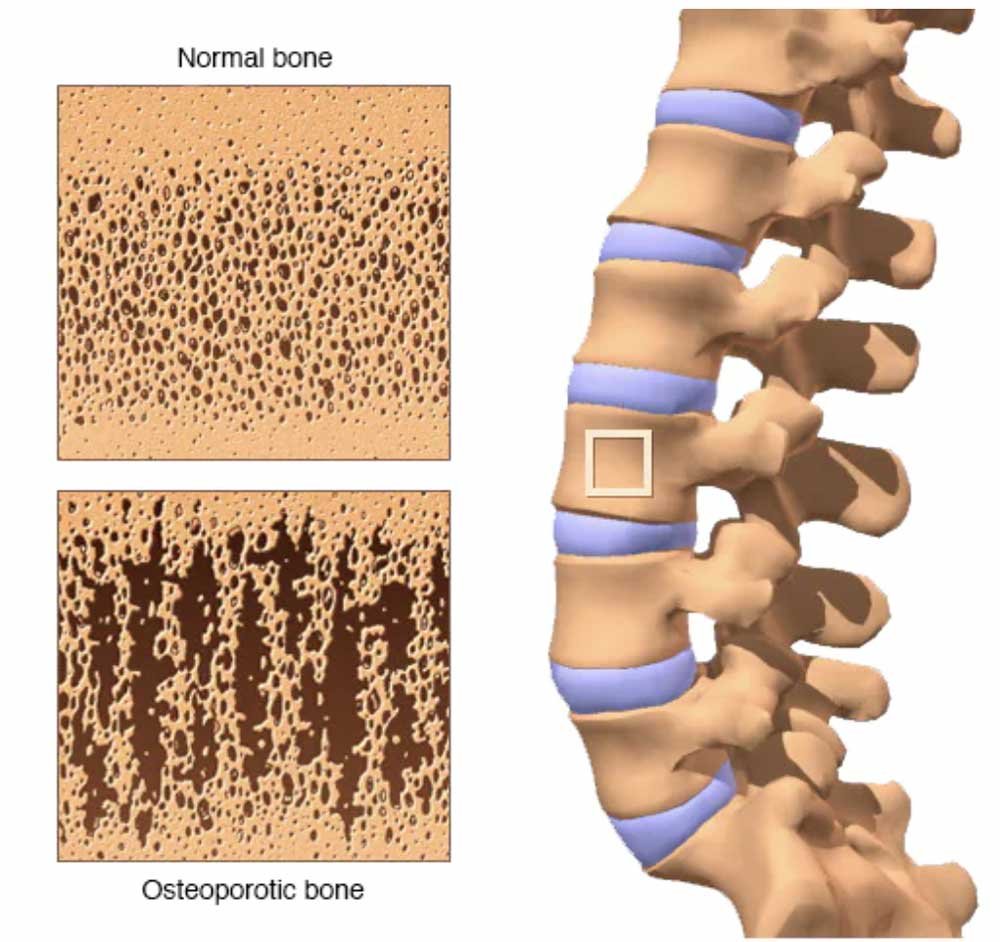
Key Insights
- Screening Guidelines: Routine DXA scans for women 65+ and at-risk postmenopausal women.
- Treatment Approaches: First-line bisphosphonates with alternatives for high-risk cases.
- Lifestyle and Monitoring: Emphasis on diet, exercise, and periodic reassessment using FRAX and DXA.
Overview of Osteoporosis Recommendations
Osteoporosis is a progressive skeletal disorder characterized by decreased bone density and quality, which increases the risk of fractures. Contemporary guidelines for osteoporosis management stress a multipronged approach that includes early screening, evidence-based treatment regimens, and the promotion of lifestyle modifications. This comprehensive strategy aims to reduce the incidence of fractures, improve quality of life, and maintain function in both women and men.
Screening and Diagnosis
Early detection of osteoporosis is essential, particularly in populations most at risk. The fundamental screening recommendation is to perform dual-energy x-ray absorptiometry (DXA) scans in women aged 65 and older. This screening is the cornerstone for early diagnosis and intervention, reflecting a commitment to reducing the risk of osteoporotic fractures. For postmenopausal women under the age of 65 who have risk factors – such as family history, previous low trauma fractures, or prolonged corticosteroid use – screening is also advised.
Why Screening is Important
Osteoporosis is frequently asymptomatic until a fracture occurs, making screening a vital tool in the prevention strategy. Screening allows health professionals to identify bone loss early, counsel patients on risk reduction strategies, and initiate timely treatment to prevent more severe outcomes such as hip or vertebral fractures. DXA scans, recommended at intervals (typically every 2 years), help monitor the progression of the disease and the effectiveness of interventions.
Treatment Recommendations
The management of osteoporosis incorporates several therapeutic strategies that are tailored based on the severity of the bone loss and individual fracture risk. Overall, treatment recommendations are divided into pharmacological interventions and lifestyle modifications.
Pharmacological Treatments
The primary goal of pharmacological intervention is to reduce fracture risk by improving bone strength and density. Various drug therapies are recommended depending on a person's risk profile and their response to previous treatments.
First-Line Therapies
Bisphosphonates are widely endorsed as the first-line therapy for the majority of patients—both women and men—with osteoporosis. These agents work by inhibiting bone resorption, thereby increasing bone mineral density. They are particularly effective in preventing the first occurrence of osteoporotic fractures and in the management of established osteoporosis.
For women at very high risk of fracture, such as those with a history of multiple fractures or severely compromised bone density, alternatives such as romosozumab or teriparatide may be utilized initially. These agents are often used as the primary treatment in this subgroup, after which bisphosphonates are commonly introduced to sustain the benefits achieved.
Alternative and Second-Line Options
When bisphosphonates are contraindicated or poorly tolerated, other options like denosumab and zoledronate serve as effective second-line therapies. Denosumab, a monoclonal antibody, works through a different mechanism by inhibiting the receptor activator of nuclear factor-kappa B ligand (RANKL), thus reducing bone resorption. In some cases, particularly in men or individuals with specific clinical needs, sequential therapy that begins with a bone-forming agent and transitions to an antiresorptive treatment may be indicated.
A newer development in osteoporosis treatment is the introduction of abaloparatide, which has recently been approved in certain regions as an alternative therapy for postmenopausal women who have not responded to conventional treatment or for those who cannot tolerate standard options. This adds a significant tool in the therapeutic arsenal for managing severe osteoporosis.
Lifestyle and Nutritional Strategies
Pharmacological treatments work best when used alongside appropriate lifestyle modifications. Diet and exercise play crucial roles in both the prevention and management of osteoporosis.
Calcium and Vitamin D
Ensuring sufficient calcium and vitamin D intake is an integral part of osteoporosis management. Although supplementation alone has not been conclusively demonstrated to reduce fracture risk, these micronutrients are essential for maintaining optimal bone mineralization. Healthcare providers generally recommend calcium-rich foods, dairy products, leafy greens, and exposure to sunlight to ensure adequate vitamin D levels. Where dietary intake is insufficient, supplements may be necessary.
Weight-Bearing and Resistance Exercises
Regular physical activity, especially weight-bearing and resistance exercises, is advised for maintaining and improving bone density. Exercise not only contributes to bone health but also enhances balance, coordination, and muscle strength—factors that collectively reduce the risk of falls and subsequent fractures. Activities such as walking, jogging, lifting weights, and tai chi are recommended as part of a comprehensive osteoporosis prevention regimen.
Additionally, lifestyle modifications emphasize overall nutritional management, cessation of smoking, and moderation of alcohol intake as these changes help to further secure bone health.
Monitoring and Follow-Up
Continuous monitoring of bone health is essential in patients with osteoporosis. Regular DXA scans, generally performed every 2 years, are important for assessing the effectiveness of ongoing treatment. Another tool that aids in risk assessment is the FRAX tool, which calculates a patient’s 10-year probability of fracture by considering factors such as age, sex, weight, previous fractures, and other risk indicators.
Biochemical Markers
In addition to imaging, measuring biochemical markers of bone turnover is a useful method to evaluate the patient’s response to anti-resorptive therapies. These markers can confirm whether a patient is adhering to the treatment regimen and whether adjustments are needed.
Advances and Emerging Therapies
Research in osteoporosis is continuously evolving, with several promising therapies and treatment modalities emerging. These advancements are aimed at addressing not only the prevention of fractures but also the overall bone quality and strength.
Innovative Therapeutic Agents
Abaloparatide represents one of the most significant recent developments. It is particularly useful for postmenopausal women who have experienced fractures or have not responded to conventional therapies. The mechanism of abaloparatide involves stimulating new bone formation, thereby providing a dual benefit when used correctly in the treatment sequence.
Other innovative agents undergoing clinical trials include compounds that enhance osteogenesis. These agents offer potential benefits in promoting bone formation beyond what is achievable with traditional anti-resorptive agents, signaling a new era in personalized osteoporosis management.
Future Directions in Treatment
The future of osteoporosis management lies in the combination of traditional diagnostic and therapeutic strategies with personalized medicine. Ongoing studies are investigating the optimization of drug treatment sequences, such as the benefit of initiating treatment with anabolic agents that build bone, followed by maintenance with anti-resorptive therapies.
Additionally, advances in digital health and mobile technologies offer significant opportunities for enhancing patient compliance and monitoring treatment outcomes. Wearable devices and mobile apps are increasingly used to monitor physical activity, remind patients of supplement intake, and even connect with healthcare providers to adjust treatment plans in real time.
Comparative View: Treatment Options at a Glance
To illustrate the spectrum of treatment options available for osteoporosis, the following table summarizes first-line and subsequent therapies, their mechanisms, and their respective roles in treatment:
| Therapy | Mechanism | Indication |
|---|---|---|
| Bisphosphonates | Inhibit bone resorption by affecting osteoclast function | First-line treatment in most patients |
| Romosozumab | Increases bone formation and decreases resorption | Women at very high risk of fracture |
| Teriparatide | Stimulates new bone formation | High fracture risk patients; often followed by bisphosphonates |
| Abaloparatide | Anabolic agent enhancing bone formation | Postmenopausal women unresponsive or intolerant to other treatments |
| Denosumab | Inhibits RANKL, reducing bone resorption | Second-line for patients intolerant to bisphosphonates |
| Zoledronate | Prevents osteoclast-mediated bone breakdown | Effective alternative in treatment sequencing |
Integrative Approach for Osteoporosis Management
Optimal management of osteoporosis involves an integrative approach that combines clinical therapy with lifestyle and nutritional modifications. This comprehensive strategy enhances the overall effectiveness of treatment.
Coordinated Care
Effective management requires collaboration among different healthcare providers, including primary care physicians, endocrinologists, rheumatologists, and dietitians. This multidisciplinary approach ensures that patients receive detailed assessments and individual treatment plans that incorporate both medical therapies and tailored lifestyle advice.
Regular follow-up appointments are crucial. During these visits, healthcare providers review the patient’s progress via DXA scans and biochemical markers, modify treatment plans as necessary, and reinforce the importance of adherence to supplements, exercise regimens, and dietary recommendations. Such personalized care can help prolong the benefits of therapy and mitigate the risk of further deterioration in bone health.
Patient Education and Empowerment
Encouraging patient education is another critical element. Through patient educational programs, individuals learn about the nature of osteoporosis, understand their treatment options, and become active participants in their care decisions. Empowering patients with knowledge not only improves compliance but also drives better outcomes and overall satisfaction with treatment.
With advancements in telemedicine, educational resources and remote consultations are increasingly accessible. These innovations improve patient access to specialist care and continuous monitoring, particularly beneficial for individuals living in remote or underserved areas.
Additional Considerations in Osteoporosis Management
Beyond the clinical and pharmacological aspects of osteoporosis management, additional areas warrant attention to ensure optimal patient outcomes. Advances in research have led to a better understanding of the disease mechanism, opening the door for novel treatment approaches.
Assessment Tools
In addition to imaging techniques such as DXA scans, several assessment tools are available that aid in determining an individual’s risk profile. One such tool, the FRAX algorithm, calculates the 10-year probability of osteoporotic fractures by considering multiple factors, including age, sex, previous fracture history, and lifestyle factors. This tool helps clinicians identify patients who would benefit most from pharmacological interventions.
Monitoring serum levels of bone turnover markers may also serve as an adjunct in assessing treatment response. Although these markers are not routinely used in all clinical settings, in patients where treatment modifications are necessary, they offer valuable insight into metabolic bone activity.
Emerging Research and Personalized Medicine
The landscape of osteoporosis treatment is increasingly being influenced by research focused on personalized medicine. Genetic studies and advanced imaging techniques are beginning to identify biomarkers that predict responsiveness to certain drugs, potentially allowing for more targeted therapies. In the near future, this might enable clinicians to select the best therapeutic option based on an individual’s genetic makeup, ensuring maximal efficacy with minimal side effects.
Moreover, ongoing clinical trials are exploring new drug candidates and combination therapies. The integration of novel anabolic agents that stimulate bone formation with traditional antiresorptive therapies represents a promising frontier. These advancements not only offer hope for improved patient outcomes but also underscore the importance of continued research and development in the field of osteoporosis.
Conclusion and Final Thoughts
In conclusion, the latest recommendations for osteoporosis management underscore the significance of early screening, the judicious use of both first-line and alternative pharmacological treatments, and the value of lifestyle modifications in preserving bone health. Regular DXA scans and use of the FRAX tool aid in timely identification and monitoring of patients at risk. For most patients, bisphosphonates remain the cornerstone of therapy, while individuals at very high risk of fractures benefit from newer treatments such as romosozumab, teriparatide, or abaloparatide.
Effective management relies on a coordinated, multidisciplinary approach that empowers patients through education and frequent follow-up. The integration of lifestyle measures such as dietary management and weight-bearing exercises not only complements medical treatments but also enhances overall quality of life by reducing fall risk and improving physical function.
As research continues to evolve, emerging therapies and personalized approaches will likely refine treatment paradigms further, offering more precise and effective management solutions for osteoporosis. For both patients and healthcare providers, staying informed about these updates is crucial in adapting care to optimize outcomes and mitigate fracture risk.
References
- USPSTF Recommendation - US Preventive Services Task Force
- ACP Updates on Osteoporosis Treatment - American Academy of Family Physicians
- Osteoporosis Screening Guidelines in JAMA
- NICE Approval of Abaloparatide - Pharmaceutical Journal
Recommended Further Queries
Last updated February 21, 2025