
Comprehensive PowerPoint Presentation on Osteoporosis
An In-Depth Analysis of Causes, Prevention, and Management
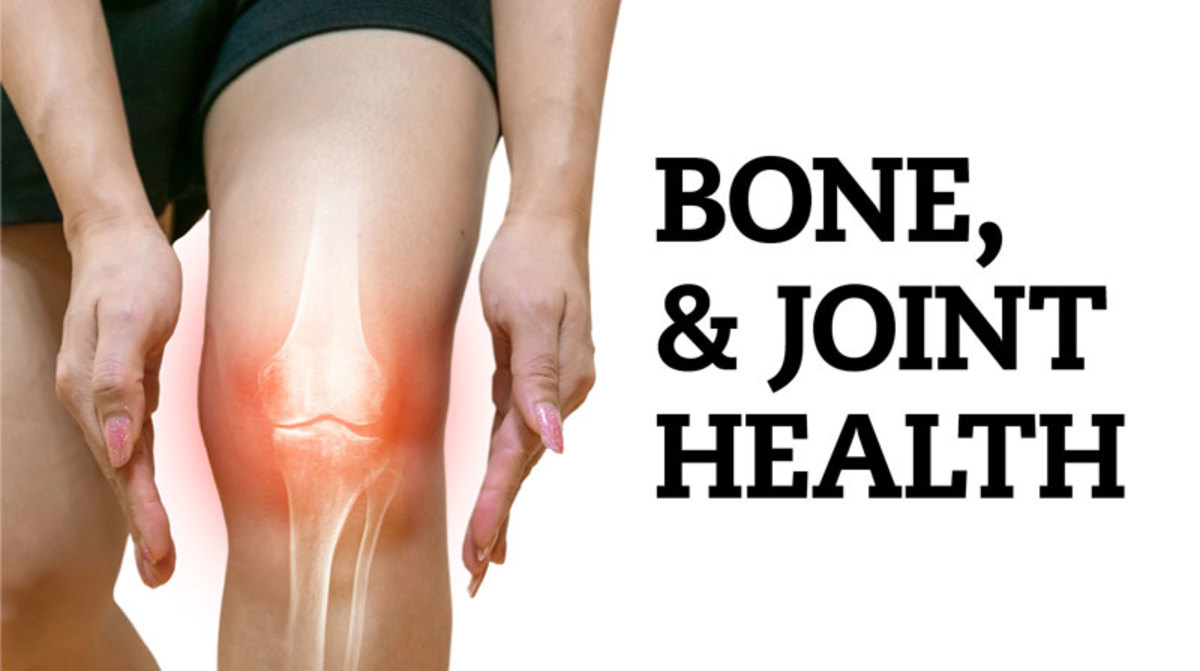
Key Takeaways
- Early Detection is Crucial: Regular screenings and bone density tests can identify osteoporosis before fractures occur.
- Lifestyle Modifications Matter: Adequate intake of calcium and vitamin D, along with regular exercise, significantly reduce the risk of osteoporosis.
- Comprehensive Treatment Options: A combination of medications, physical therapy, and lifestyle changes effectively manage and mitigate the effects of osteoporosis.
Introduction to Osteoporosis
Osteoporosis is a chronic bone disease characterized by a decrease in bone mass and density, leading to fragile bones that are more susceptible to fractures. Often referred to as a "silent disease" due to its asymptomatic nature in early stages, osteoporosis poses a significant public health challenge worldwide, particularly among older adults and postmenopausal women.
Understanding Osteoporosis
Definition and Overview
Osteoporosis occurs when the creation of new bone doesn't keep up with the removal of old bone, resulting in bones becoming porous and brittle. This imbalance disrupts the bone remodeling process, which is essential for maintaining bone strength and integrity.
Types of Osteoporosis
Primary Osteoporosis
Primary osteoporosis is primarily age-related and most commonly affects postmenopausal women. It is further categorized into:
- Type 1: Postmenopausal osteoporosis, characterized by rapid bone loss due to decreased estrogen levels.
- Type 2: Age-related osteoporosis, affecting both men and women as they age.
Secondary Osteoporosis
Secondary osteoporosis results from specific medical conditions or treatments that affect bone density, such as chronic kidney disease, rheumatoid arthritis, or long-term use of corticosteroids.
Prevalence and Impact
Osteoporosis is a global health concern, impacting millions of individuals annually. Statistics indicate that:
- Up to 1 in 2 women and 1 in 4 men over the age of 50 will sustain an osteoporotic fracture in their lifetime.
- Over 50% of women and 30-45% of men over 50 have osteopenia or osteoporosis.
- The lifetime risk of an osteoporotic fracture for white women over 50 is approximately 50%.
Economic and Health Burden
The economic burden of osteoporosis is substantial, encompassing direct medical costs related to fracture treatments and indirect costs such as loss of productivity and long-term care. Additionally, fractures, especially hip fractures, are associated with increased mortality rates and decreased quality of life.
Causes and Risk Factors
Non-Modifiable Risk Factors
- Age: Bone density naturally decreases with age.
- Gender: Women are at higher risk, especially postmenopausal women due to hormonal changes.
- Genetics: A family history of osteoporosis increases risk.
- Body Frame: Individuals with smaller body frames are more prone to bone loss.
Modifiable Risk Factors
- Calcium and Vitamin D Deficiency: Essential for bone health; deficiencies can lead to weakened bones.
- Physical Inactivity: Lack of weight-bearing exercise contributes to bone loss.
- Smoking: Tobacco use is linked to decreased bone mass.
- Excessive Alcohol Consumption: Heavy drinking can interfere with bone remodeling.
- Medication Use: Long-term use of corticosteroids and other medications can negatively affect bone density.
Other Contributing Factors
Certain medical conditions, such as hyperthyroidism, rheumatoid arthritis, and gastrointestinal diseases that affect nutrient absorption, also contribute to the development of osteoporosis.
Symptoms and Consequences
Recognizing Osteoporosis
Osteoporosis is often asymptomatic until a fracture occurs. However, some signs may indicate advancing bone loss, including:
- Loss of height over time.
- Stooped or hunched posture (dowager's hump).
- Back pain caused by fractured or collapsed vertebrae.
Common Fracture Sites
| Fracture Site | Description |
|---|---|
| Hip | A fracture near the hip joint, often requiring surgery and long-term rehabilitation. |
| Spine | Compression fractures in the vertebrae, leading to pain and height loss. |
| Wrist | Fractures from falls, commonly in the distal radius. |
Complications
Fractures resulting from osteoporosis can lead to chronic pain, reduced mobility, loss of independence, and in severe cases, increased mortality, particularly following hip fractures.
Diagnosis
Medical Evaluation
Diagnosis typically involves a combination of medical history review, physical examination, and diagnostic testing.
Bone Mineral Density (BMD) Test
The Dual-Energy X-ray Absorptiometry (DEXA) scan is the most common method for assessing bone density. It provides a T-score that categorizes bone health:
- Normal: T-score of -1.0 or above.
- Osteopenia: T-score between -1.0 and -2.5.
- Osteoporosis: T-score of -2.5 or lower.
Additional Diagnostic Tools
- Laboratory tests to measure calcium, vitamin D levels, and bone turnover markers.
- Other imaging studies, such as X-rays or MRI, to detect fractures or bone abnormalities.
Risk Assessment Tools
Tools like FRAX (Fracture Risk Assessment Tool) help estimate the 10-year probability of fractures based on various risk factors.
Prevention Strategies
Nutritional Interventions
A diet rich in calcium and vitamin D is fundamental for bone health. Sources include:
- Dairy products like milk, cheese, and yogurt.
- Leafy green vegetables such as kale and broccoli.
- Fortified foods and supplements when necessary.
Physical Activity
Engaging in regular weight-bearing and muscle-strengthening exercises helps maintain and build bone density. Recommended activities include:
- Walking, jogging, or running.
- Resistance training with weights or resistance bands.
- Balance and flexibility exercises like yoga or tai chi.
Lifestyle Modifications
- Avoid Smoking: Tobacco use negatively impacts bone health.
- Limit Alcohol Consumption: Excessive drinking can interfere with calcium absorption.
- Fall Prevention: Implementing home modifications, using assistive devices, and improving balance can reduce fracture risk.
Supplementation
When dietary intake is insufficient, supplements may be necessary to achieve adequate calcium and vitamin D levels.
Treatment Options
Pharmacological Treatments
| Medication | Function | Potential Side Effects |
|---|---|---|
| Bisphosphonates | Inhibit bone resorption, increasing bone density. | Gastrointestinal issues, rare atypical fractures. |
| Denosumab | Monoclonal antibody that slows bone loss. | Increased risk of infections, skin reactions. |
| Selective Estrogen Receptor Modulators (SERMs) | Mimic estrogen to maintain bone density. | Hot flashes, increased risk of blood clots. |
| Teriparatide | Stimulates new bone formation. | Nausea, dizziness, leg cramps. |
Non-Pharmacological Treatments
- Physical Therapy: Customized exercise programs to improve strength and balance.
- Falls Prevention: Home safety evaluations and modifications to reduce fall hazards.
- Dietary Counseling: Guidance on nutrition to support bone health.
Hormone Replacement Therapy (HRT)
In certain cases, especially postmenopausal women, HRT may be prescribed to counteract the effects of estrogen deficiency on bone density. However, it is essential to weigh the benefits against potential risks such as increased chances of certain cancers and cardiovascular issues.
Living with Osteoporosis
Coping with Diagnosis
Receiving an osteoporosis diagnosis can be challenging. It's crucial to seek support through:
- Joining support groups for shared experiences and encouragement.
- Consulting mental health professionals if experiencing anxiety or depression.
- Engaging in social activities to maintain a sense of community and belonging.
Practical Lifestyle Adjustments
-
Home Modifications: Installing grab bars, removing tripping hazards, and improving lighting to prevent falls.
-
Daily Exercise: Incorporating balance and strength exercises into daily routines.
-
Regular Medical Follow-ups: Consistent monitoring of bone density and adjustment of treatment plans as needed.
Nutritional Considerations
Maintaining a balanced diet rich in essential nutrients supports overall bone health and complements medical treatments.
Future Directions and Research
Emerging Treatments
Research is ongoing to develop new medications and therapies that can more effectively prevent and treat osteoporosis. Advances in molecular biology and genetics are paving the way for personalized medicine approaches tailored to individual risk profiles.
Technological Innovations
Technology plays a pivotal role in monitoring bone health. Innovations such as portable bone density scanners and apps that track physical activity and dietary intake are enhancing preventative strategies.
Role of Genetics
Understanding the genetic factors that contribute to osteoporosis can lead to better risk assessment and targeted interventions, potentially reducing the incidence of the disease.
Conclusion
Osteoporosis is a pervasive and impactful disease that requires proactive management through early detection, lifestyle modifications, and comprehensive treatment strategies. By understanding the risk factors and implementing preventive measures, individuals can significantly reduce their chances of developing osteoporosis and its associated complications. Continued research and advancements in medical science hold promise for more effective therapies and improved quality of life for those affected.
References
Last updated February 16, 2025