
Understanding Otic Lichen Planus: A Comprehensive Guide
Exploring Symptoms, Diagnosis, and Advanced Treatment Approaches for Ear-Related Manifestations
Key Insights into Otic Lichen Planus
- Otic lichen planus is a rare manifestation of an autoimmune inflammatory disease, primarily affecting the external auditory canal and potentially the tympanic membrane.
- Common symptoms include persistent ear discharge (otorrhea) and hearing loss, which can be progressive if left untreated.
- Treatment often begins with topical therapies like tacrolimus, but severe or recalcitrant cases may require systemic medications or surgical interventions, including bone-anchored hearing devices for significant hearing loss.
Otic lichen planus (LP) is a lesser-known but significant manifestation of lichen planus, a chronic autoimmune inflammatory condition. While lichen planus typically affects the skin, hair, nails, and various mucosal surfaces such as the mouth and genitals, its involvement in the ear canal, known as otic LP, is considered rare. Despite its rarity, recognizing and managing otic LP is crucial due to its potential to cause chronic inflammation, stenosis of the external auditory canal, and progressive hearing loss.
This comprehensive guide delves into the specifics of otic lichen planus, covering its nature as an autoimmune disorder, common symptoms, diagnostic considerations, and the various treatment strategies available to manage this challenging condition effectively.
The Nature of Lichen Planus and Its Otic Manifestation
An Autoimmune Inflammatory Condition
Lichen planus is fundamentally a T-cell-mediated autoinflammatory disease. In individuals with LP, the immune system's T cells mistakenly attack proteins in the skin and mucous membranes. While the exact origin of this immune response is unknown, it leads to characteristic inflammatory lesions. The disease can present in various forms, including cutaneous (skin), oral, nail, and genital lichen planus, with oral lichen planus being particularly common.
When LP affects the ear, specifically the external auditory canal (EAC) and sometimes the tympanic membrane, it is termed otic lichen planus. Although historically considered extremely rare, some recent reviews suggest it may be more common than previously believed, possibly due to underdiagnosis given its non-specific symptoms.
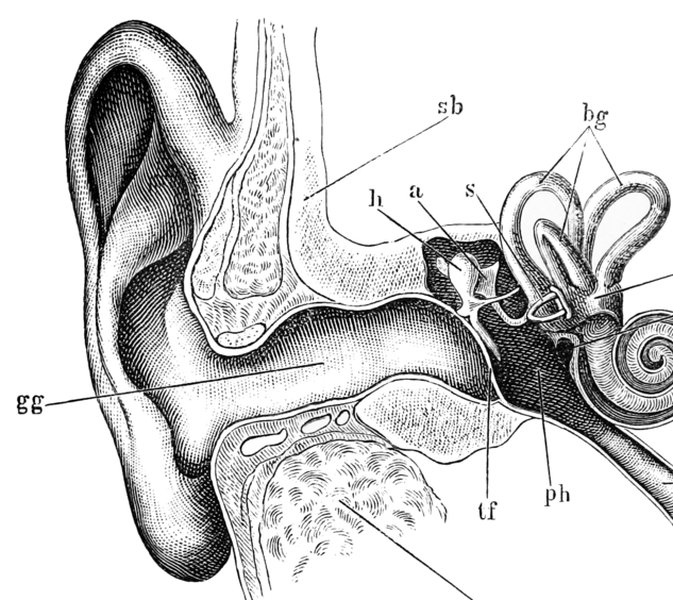
Anatomical illustration of the external auditory canal, a primary site of otic lichen planus.
Prevalence and Demographics of Otic Lichen Planus
Studies, such as a 10-year review from the Mayo Clinic, have identified cases of otic LP, indicating its presence, albeit infrequent. This review found 19 cases over a decade, with a mean age of diagnosis around 57 years, and a predominance in women (15 out of 19 patients). Interestingly, many of these patients also had other forms of lichen planus, suggesting a systemic predisposition, though some presented with otic LP exclusively.
Recognizing the Symptoms of Otic Lichen Planus
Distinguishing Clinical Features
The symptoms of otic lichen planus can be non-specific, often leading to delayed diagnosis. The most frequently reported concerns in patients with otic LP are:
- Persistent Otorrhea: Chronic ear discharge, which can be relentless.
- Hearing Loss: Primarily conductive hearing loss due to stenosis or obstruction of the external auditory canal. If left untreated, this can become persistent.
- External Auditory Canal Stenosis: Narrowing of the ear canal due to chronic inflammation and scarring.
- Pruritus: Itching in the ear.
- Plugging Sensation: A feeling of fullness or blockage in the ear.
- Tinnitus: Ringing or buzzing in the ear.
- Pain and Bleeding: Discomfort or occasional bleeding from the ear canal.
Early recognition of these symptoms is crucial to prevent irreversible sequelae, such as permanent hearing loss. The chronic inflammatory nature of the disease can also affect the tympanic membrane, further impacting hearing function.
Diagnosing Otic Lichen Planus
The Diagnostic Pathway
Diagnosing otic lichen planus often involves a combination of clinical suspicion and histopathological confirmation. Given the rarity and non-specific symptoms, it can be overlooked, making it important for clinicians to consider LP in the differential diagnosis of chronic ear complaints, especially when other forms of LP are present. While a biopsy may not always be needed if LP is confirmed elsewhere, it is often performed to confirm the diagnosis of otic LP, particularly in challenging or recalcitrant cases.
Imaging Techniques
In some cases, imaging such as computed tomography (CT) of the temporal bone may be used to assess the extent of external auditory canal involvement and identify any associated middle ear pathology. This can reveal soft tissue occupying the ear canal and potentially the middle ear.
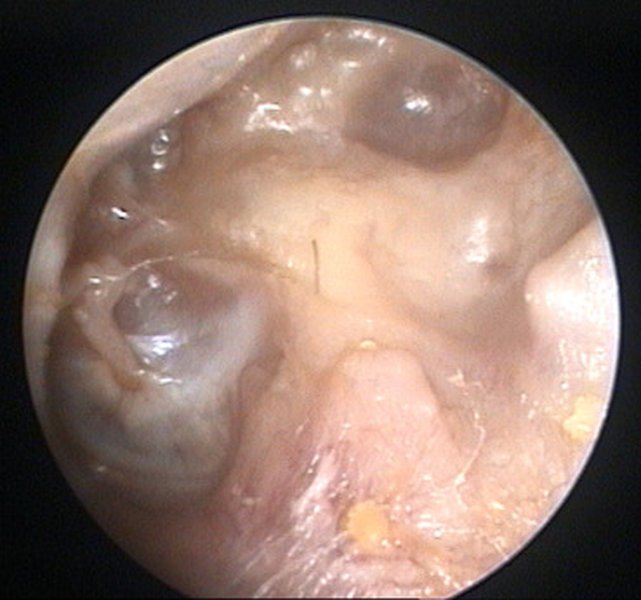
Histopathological image confirming the presence of lichen planus in the external auditory canal.
Treatment Strategies for Otic Lichen Planus
A Multifaceted Approach to Management
The treatment of otic lichen planus aims to relieve symptoms, reduce inflammation, prevent stenosis, and preserve hearing. The approach often involves a combination of medical and, in some severe cases, surgical interventions.
Topical Therapies
Topical medications are often the first line of treatment. Topical tacrolimus is frequently reported as an effective primary treatment for otic LP, showing good response in many patients over several months. Other topical corticosteroids, such as clobetasol propionate, or combinations with antibiotics like ciprofloxacin hydrochloride and dexamethasone, may also be used to manage inflammation and infection.
Systemic Therapies
For widespread lichen planus, severe local disease, or recalcitrant otic LP, systemic treatments may be necessary. These include:
- Systemic Corticosteroids: A short course of systemic steroids (e.g., prednisone) for 1 to 3 months can be effective in reducing severe inflammation.
- Immunosuppressants: Medications like mycophenolate mofetil (MMF) have been used in severe, recurrent, and refractory cases of otic LP. Rituximab, a monoclonal antibody, has also shown dramatic positive responses in some patients with severe disease, particularly when associated with conditions like esophageal stenosis.
- Antihistamines: Can help alleviate troublesome itching associated with the condition.
Surgical Interventions
In cases where medical therapies are insufficient, or when significant stenosis and hearing loss occur, surgical options become important:
- Canaloplasty and Tympanoplasty: These procedures aim to widen the external auditory canal and repair the tympanic membrane to improve hearing.
- External Auditory Canal Skin Elevation and Removal: For hypertrophic and recurring forms of otic LP, complete removal of the external auditory canal skin with postoperative split-skin grafting may be advised as an initial treatment to prevent recurrence and manage symptoms like pruritus and otorrhea.
- Bone-Anchored Hearing Devices (BAHDs): For patients with persistent conductive hearing loss that cannot be surgically corrected, BAHDs represent an optimal solution for hearing restoration.
The following table summarizes various treatment options and their primary indications for otic lichen planus:
| Treatment Category | Specific Treatment | Primary Indication / Benefit |
|---|---|---|
| Topical Medications | Tacrolimus Cream/Ointment | First-line treatment, reduces inflammation and symptoms. |
| Topical Medications | Corticosteroid Creams (e.g., Clobetasol Propionate) | Reduces pain, swelling, and inflammation. |
| Topical Medications | Ciprofloxacin HCl & Dexamethasone | Addresses inflammation and potential secondary infections. |
| Systemic Medications | Systemic Corticosteroids (e.g., Prednisone) | Severe, widespread, or unresponsive cases. |
| Systemic Medications | Mycophenolate Mofetil (MMF) | Recalcitrant or recurrent severe otic LP. |
| Systemic Medications | Rituximab | Severe cases, particularly with associated complications like esophageal stenosis. |
| Symptomatic Relief | Antihistamines | Reduces itching. |
| Surgical Procedures | Canaloplasty / Tympanoplasty | Manages stenosis and improves hearing function. |
| Surgical Procedures | EAC Skin Elevation & Grafting | Recurrent hypertrophic LP, prevents stenosis. |
| Hearing Restoration | Bone-Anchored Hearing Devices (BAHDs) | Addresses persistent conductive hearing loss. |
The Importance of Early Detection
Given that otic lichen planus can lead to persistent hearing loss and significant morbidity, early detection and prompt treatment are vital. Clinicians should be aware of the possibility of otic LP, especially in patients with existing diagnoses of lichen planus in other areas, or those presenting with chronic, unexplained ear symptoms. Although a biopsy is often confirmatory, clinical suspicion can guide initial management.
Exploring the Broader Impact of Lichen Planus on Hearing and Ear Health
While otic lichen planus primarily affects the external auditory canal, there is ongoing research and clinical observation regarding its potential impact on other parts of the auditory system. As an autoimmune disease, there's a theoretical possibility of inner ear involvement, which could lead to sensorineural hearing loss. However, current literature primarily focuses on conductive hearing loss resulting from external auditory canal stenosis. Further studies are needed to fully understand the scope of LP's effect on overall hearing function.
This radar chart illustrates the perceived effectiveness and importance of various aspects related to Otic Lichen Planus management. Higher values indicate greater importance or efficacy in addressing the condition.
Understanding Lichen Planus - A General Overview
The Broader Context of the Disease
To fully appreciate otic lichen planus, it's beneficial to understand lichen planus in its broader context. Lichen planus can manifest in various body parts. It's often characterized by purple, itchy, flat bumps on the skin. In mucosal areas, such as the mouth, it can appear as white lacy patches or painful sores. While skin lesions often clear up on their own within months to years, oral lichen planus can be more persistent and may even increase the risk of oral cancer. The following video offers a general overview of lichen planus, its symptoms, and causes, which provides a foundational understanding for specific manifestations like otic lichen planus:
An introductory video discussing the causes, symptoms, and diagnosis of Lichen Planus in general.
This video helps contextualize otic lichen planus within the wider spectrum of LP, emphasizing that while the ear manifestation is rare, it stems from the same underlying autoimmune mechanism. Understanding the systemic nature of LP can aid in a holistic approach to diagnosis and treatment, as patients with otic LP often have other affected body areas.
Frequently Asked Questions (FAQ) about Otic Lichen Planus
What causes otic lichen planus?
Is otic lichen planus common?
What are the main symptoms of otic lichen planus?
Can otic lichen planus cause permanent hearing loss?
How is otic lichen planus diagnosed?
What are the treatment options for otic lichen planus?
Does otic lichen planus recur after treatment?
Conclusion
Otic lichen planus, though rare, is a significant manifestation of the autoimmune inflammatory condition, lichen planus, that can profoundly affect ear health and hearing. Its hallmark is the chronic inflammation of the external auditory canal, often leading to debilitating symptoms such as persistent otorrhea, painful itching, and progressive hearing loss due to canal stenosis. Accurate and timely diagnosis, often supported by histopathological confirmation, is paramount to mitigate its long-term consequences. Treatment strategies are diverse, ranging from highly effective topical agents like tacrolimus to systemic immunosuppressants and even surgical interventions, including advanced bone-anchored hearing devices, for severe or recalcitrant cases. A multidisciplinary approach and high clinical suspicion, particularly in patients with other forms of lichen planus, are key to preventing irreversible hearing impairment and improving patient quality of life.
Recommended Further Exploration
- Understanding the autoimmune mechanisms behind lichen planus
- Management of chronic otorrhea in autoimmune ear diseases
- Advances in bone-anchored hearing device technology
- Differential diagnosis of external auditory canal stenosis
References
Last updated May 21, 2025