
Introduction to the Benefits of Outdoor Games for Grade 9 Students
Outdoor games empower social growth, teamwork, and learning for young adolescents.
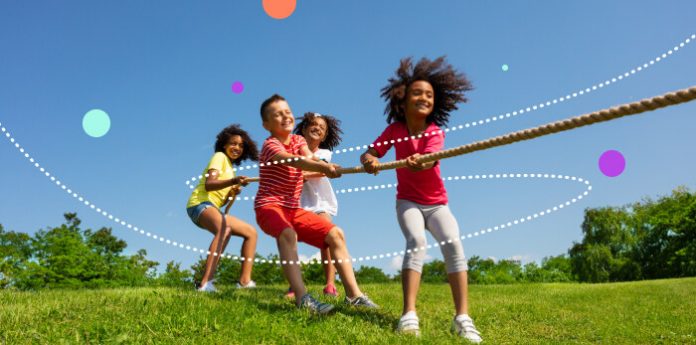
Key Takeaways
- Enhanced Communication: Outdoor games foster effective dialogue and peer interaction.
- Teamwork and Collaboration: Participating in group activities builds collaborative and leadership skills.
- Emotional and Social Development: Engaging in outdoor play develops conflict resolution, empathy, and self-awareness.
Outdoor games have long been recognized as a crucial ingredient for the healthy development of adolescents, particularly for Grade 9 students who are in the midst of a transitional phase. This introduction delves into the multifaceted benefits that outdoor games provide to the socialization skills of Grade 9 students. Amid academic pressures and digital distractions, outdoor activities serve as an essential avenue for students to engage in dynamic, interpersonal experiences that contribute far beyond the physical benefits of exercise.
When participating in outdoor games, students are immersed in environments that prompt direct interaction with peers. These settings provide a natural platform for individuals to communicate, collaborate, and confront challenges collectively. The physical space of a playground or sports field is more than just an area for physical exertion; it is a vibrant community hub where lessons in human interaction are played out in real time. Such interactive experiences provide a relaxed yet structured escape from the classroom, encouraging spontaneous dialogue and mutual cooperation.
Fostering Communication and Interpersonal Skills
Natural Communication Channels
One of the key benefits of outdoor games is the improvement in communication skills. Students learn to articulate their ideas clearly while listening actively to peers. The unstructured nature of outdoor play often demands instant verbal and non-verbal cues to strategize, which develops both expressive and receptive communication. Whether calling out a play in progress or negotiating the next move, students practice tailoring their language to suit group situations, thereby enhancing their conversational abilities. These skills are invaluable as they transition into more complex social or academic scenarios.
Resolving Conflicts and Building Empathy
Outdoor games create real-time scenarios that necessitate conflict resolution. Whether it involves mixed opinions on a game strategy or disagreements about fairness in play, these experiences encourage students to resolve disputes through dialogue. By practicing compromise and considering peer perspectives, students not only develop effective conflict resolution techniques but also cultivate empathy. Recognizing and appreciating diverse viewpoints during gameplay fosters emotional intelligence—a critical attribute for navigating future interpersonal relationships.
Developing Teamwork and Collaborative Skills
Building Trust and Cooperation
Team sports and collaborative outdoor games require students to work together towards a common goal. This element of teamwork is essential for building trust among peers. When students collaborate on solving problems, planning game strategies, or practicing roles within a team, they learn invaluable lessons in interdependence and mutual respect. These experiences help participants embrace the importance of each member's contribution, leading to enhanced group cohesion and better overall performance in both academic discussions and extracurricular activities.
Learning Leadership and Responsibility
Outdoor play not only teaches effective collaboration but also creates opportunities for students to take on leadership roles. In many games, each team requires someone to guide strategy, coordinate group activities, or make decisive moves. By stepping into these leadership roles, students gain confidence, a greater sense of responsibility, and skills that are transferable to many facets of life. Leadership in these informal settings encourages self-reflection and personal growth, preparing students for roles in academic groups, clubs, and future professional environments.
Impact on Emotional Wellbeing and Self-Esteem
Boosting Self-Esteem Through Active Engagement
The physical act of engaging in outdoor games has an uplifting effect on students' self-esteem. When students participate in activities that challenge them physically and mentally, they experience a sense of accomplishment. This sense of achievement fosters self-confidence, reinforcing the belief that they can overcome obstacles and work effectively within a team. Increased self-esteem, in turn, lays the foundation for a healthier self-image, which is vital during the often turbulent teenage years of ninth grade.
Mitigating Stress and Enhancing Mental Health
In today’s digitally-centered world, screen time and sedentary habits can contribute to increased stress and anxiety among adolescents. Outdoor games serve as a natural antidote to these challenges by encouraging physical activity and exposure to fresh air. Regular physical exercise stimulates the production of endorphins, which are hormones associated with improved mood and reduced stress levels. This not only benefits physical health but also supports robust mental wellbeing, ensuring that students maintain a balanced emotional state.
Integrating Learning and Physical Activity
Translating Outdoor Experiences to Academic Success
The skills developed through outdoor play have significant positive repercussions in the classroom. The effective communication, cooperation, and leadership skills acquired during outdoor games are directly transferable to academic group projects, classroom debates, and collaborative problem-solving exercises. Teachers often notice improved student engagement and a more dynamic classroom atmosphere when students return from outdoor sessions energized and motivated. Outdoor activities thereby create a symbiotic relationship between physical activity and cognitive function, ultimately contributing to improved academic performance.
Promoting Creativity and Independent Decision-Making
Engaging in outdoor play nurtures creativity and encourages independent thinking. When students are given the freedom to explore and innovate during gameplay, they learn to think outside the box. Encountering unexpected challenges in real-time compels them to devise creative strategies and make autonomous decisions under pressure. These abilities are critical for holistic learning, where academic challenges and life problems are addressed with resourcefulness and practical intelligence.
Holistic Social Development Through Outdoor Games
Encouraging Inclusivity and Diverse Interactions
Outdoor games are inherently inclusive. They allow students from diverse backgrounds to interact in an environment that minimizes societal barriers. Here, the focus is on shared experiences and joint achievements rather than differences in academic prowess or social status. This inclusiveness is essential in formative years, where acceptance and mutual respect can shape a student’s perspective towards diversity. Such environments encourage peer learning, bridging the gap between different social groups, and fostering a spirit of community.
Cultivating a Sense of Community and Belonging
Participation in group activities fosters an innate sense of belonging among students. Outdoor games, by their very nature, create a community-like atmosphere where each interaction reinforces group identity. This feeling of belonging is particularly important during adolescence, when many students struggle with social integration. A sense of community helps in building long-lasting relationships, reducing feelings of isolation, and enhancing overall social adaptability. As students learn to organize themselves, they also learn to value every individual’s contribution, which reflects in other facets of their lives.
Comprehensive Overview Table
| Category | Key Benefits | Examples |
|---|---|---|
| Communication | Enhanced verbal and non-verbal skills, improved listening. | Instant decision-making during group games. |
| Teamwork & Collaboration | Development of trust, cooperation, and leadership qualities. | Playing team sports and group challenges. |
| Emotional Growth | Improved self-esteem, conflict resolution, and stress reduction. | Resolving game disputes and celebrating collective achievements. |
| Inclusivity | Fostering intercultural and diverse interactions. | Group games that involve mixed-ability teams. |
| Academic Integration | Transferable skills that enhance classroom performance and creativity. | Group projects and problem-solving sessions inspired by outdoor play. |
Deep Dive into Specific Areas
Enhancing Social Interaction and Relationship Building
Outdoor games function as an interactive laboratory where social behaviors and group dynamics are continuously honed. In a structured, yet relaxed setting, students learn how to balance competitive instincts with cooperative play. This balance is crucial for nurturing effective relationship-building skills that are essential for navigating life’s various social landscapes. Interactions in outdoor settings are spontaneous and less filtered than classroom dynamics, which encourages authenticity in communication. As a result, the bonds formed during these activities are often deeper and longer-lasting.
Nurturing Problem-Solving and Critical Thinking
Many outdoor games inherently incorporate challenges that necessitate problem-solving. When faced with dynamic game scenarios, students learn to quickly evaluate options, strategize, and make decisions collectively. This environment pushes them to analyze problems from multiple angles, thereby enhancing their critical thinking skills. The real-time feedback embedded in these interactions serves as a powerful tool for learning, helping students apply similar problem-solving frameworks to academic and day-to-day challenges.
Moreover, the adaptiveness required during outdoor play prepares students to be resilient in the face of unexpected changes. This resilience is an essential element of emotional maturity and is fostered naturally through the iterative process of trial, error, and ultimately, success in outdoor games. The collective experience of overcoming challenges reinforces the value of perseverance and creative problem-solving.
Bridging the Gap Between Theoretical Knowledge and Real-World Application
Application of Social Strategies in Dynamic Settings
The transfer of skills from the playground to the classroom and beyond is both significant and sustainable. Outdoor games stimulate an environment where theory meets practice. For instance, lessons in fair play and conflict resolution that are discussed in class are put to the test in a functioning scenario during outdoor activities. Such real-world practice reinforces theoretical knowledge, making it more accessible and memorable when students encounter similar situations in their academic or personal lives.
As students navigate through the challenges of outdoor games, they create experiential memories that enhance their academic learning. This integration of physical activity with social learning is vital not only for immediate personal development but also for shaping future professional behaviors. In today's dynamic workforce, the ability to collaborate, communicate effectively, and resolve conflicts are among the top skills demanded by employers. By participating in outdoor games, Grade 9 students begin to build a repertoire of skills that lays a solid foundation for success in any collaborative environment.
References
- The Benefits of Outdoor Play for Child Development - Kids First
- 15 Benefits of Playing Outdoor Games for Kids - FirstCry Parenting
- Benefits of Outdoor Play for Kids: Why It Matters - Miracle Recreation
-
Benefits of Outdoor Learning - HK School
-
Benefits of Outdoor Sports for Society - NCBI
Recommended Related Queries
Last updated March 20, 2025