
Feeling Stuck? Unlock Your Creative Flow with These Proven Strategies!
Practical techniques to break through creative blocks and reignite your inspiration.
Essential Insights
- Change Your Scenery & Routine: Altering your physical environment or daily habits can disrupt mental stagnation and spark fresh perspectives.
- Embrace Imperfection & Start Small: Lowering the pressure to be perfect and beginning with manageable steps can overcome the fear of the blank page.
- Rest, Recharge & Reflect: Taking breaks, engaging in physical activity, and understanding the emotional roots of your block are crucial for recovery.
Understanding and Diagnosing Your Creative Block
Creative blocks are common hurdles faced by anyone engaged in creative pursuits, from artists and writers to designers and innovators. They manifest as a frustrating inability to produce new work, generate ideas, or even start a project. Understanding the potential roots of your block is the first step towards overcoming it.
Common Causes of Creative Stagnation
Several factors can contribute to feeling creatively stuck. Identifying these can help you tailor your approach to breaking through.
Internal Factors:
- Fear and Self-Doubt: Fear of failure, judgment, or not meeting expectations (including your own) can be paralyzing. Perfectionism often fuels this fear.
- Burnout and Exhaustion: Pushing too hard without adequate rest can deplete mental and physical energy, leaving little room for creativity.
- Lack of Motivation: Sometimes, the connection to the 'why' behind your creative work fades, leading to disinterest.
- Negative Core Beliefs: Underlying beliefs about your capabilities or the value of your work can subconsciously sabotage your efforts.
External Factors:
- Routine Fatigue: Doing the same things in the same way can lead to creative ruts.
- Overwhelm: Large projects or too many commitments can feel daunting, making it hard to know where to start.
- Lack of Inspiration: Sometimes, you simply haven't encountered enough new stimuli to spark fresh ideas.
- Uninspiring Environment: A cluttered, dull, or uncomfortable workspace can hinder creative thought.
Identifying Your Specific Block
Take a moment for self-reflection. Ask yourself:
- When did I start feeling blocked?
- What was happening around that time?
- Am I feeling stressed, tired, or anxious?
- Is there a specific part of the creative process where I get stuck?
- Am I putting too much pressure on myself?
- Do I feel disconnected from my work?
Journaling about these questions can provide valuable insights into the nature of your block, guiding you towards the most effective strategies.
Actionable Strategies to Break Through
Once you have a better sense of why you might be blocked, you can experiment with various techniques. Remember that what works best can be personal, so try different approaches.
1. Shift Your Environment and Routine
Changing your physical surroundings or daily habits can provide a powerful mental reset.
Change Your Location
If possible, work in a different place. This could be another room, a library, a café, or even outdoors in a park. A new environment brings new sensory input and can break monotonous thought patterns.
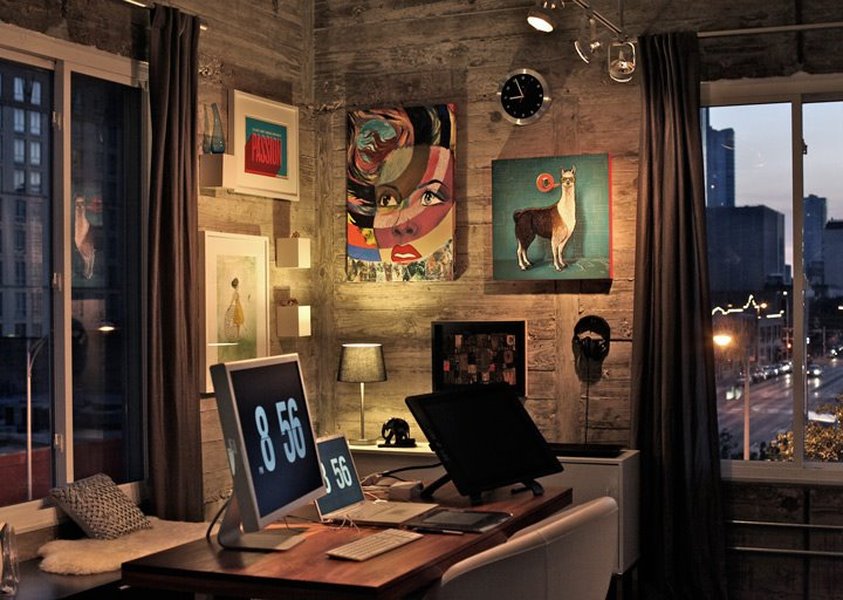
An inspiring workspace can significantly impact creativity.
Declutter and Organize
A tidy workspace can lead to a tidier mind. Organize your desk, clear clutter, and perhaps add elements that inspire you, like plants or art.
Shake Up Your Schedule
Try working at a different time of day. If you usually create in the morning, try an evening session, or vice versa. Even small changes to your routine can make a difference.
2. Step Back and Recharge
Sometimes, the best approach is to stop pushing and allow yourself time to rest.
Take Meaningful Breaks
Step completely away from your project. Take a short walk, meditate, listen to music, or do some light stretching. Breaks prevent burnout and allow your subconscious mind to work on the problem in the background.
Engage in Physical Activity
Exercise is a well-documented creativity booster. Activities like walking, jogging, yoga, or dancing can improve blood flow to the brain, reduce stress, and help generate new ideas.
Prioritize Rest
Ensure you're getting enough sleep. Creative thinking requires significant mental energy, and fatigue is a major creativity killer.
3. Adjust Your Creative Process
Modifying how you approach your work can unlock new pathways.
Start Small and Simple
If a project feels overwhelming, break it down into the smallest possible steps. Focus on completing just one tiny part. This builds momentum and reduces intimidation.
Embrace Imperfection: The "Shitty First Draft"
Give yourself permission to create something "bad." Focus on getting ideas down without judgment or editing. You can always refine it later. This lowers the stakes and often bypasses the paralysis of perfectionism.
Brainstorm Freely
Generate as many ideas as possible, no matter how silly or irrelevant they seem. Use techniques like mind mapping, free-writing, or listing. The goal is quantity over quality at this stage.
Introduce Constraints
Paradoxically, limitations can boost creativity. Try setting specific constraints like a time limit, a limited color palette, a specific theme, or using only certain tools. This forces you to think resourcefully.
4. Seek External Input and Inspiration
Looking outside yourself can provide the spark you need.

Engaging with your craft, even when uninspired, can lead to breakthroughs.
Talk to Others
Discuss your project or your block with friends, family, mentors, or colleagues. They might offer a fresh perspective, valuable feedback, or simply encouragement. Engaging with a creative community can also remind you that you're not alone.
Consume Inspiring Content
Explore the work of others in your field or completely different domains. Visit galleries, read books, watch films, listen to new music. Inspiration often comes from unexpected sources.
Learn Something New
Try a new hobby, learn a new skill (even one unrelated to your primary creative field), or take a workshop. Novel experiences stimulate the brain and can lead to cross-pollination of ideas.
5. Address Mindset and Emotional Barriers
Often, the biggest blocks are internal.
Identify and Challenge Negative Beliefs
As mentioned earlier, journaling can help uncover fears or self-limiting beliefs. Once identified, consciously challenge them. Remind yourself of past successes and focus on the joy of the process, not just the outcome.
Practice Mindfulness
Techniques like meditation can help quiet the inner critic, reduce stress, and improve focus, making it easier to access a creative state.
Incorporate Play
Approach your work with a sense of curiosity and playfulness. Experiment without attachment to the result. Doodle, improvise, or try techniques purely for fun.
Comparing Creative Block Strategies
Different strategies resonate differently depending on the person and the nature of the block. This chart offers a subjective comparison of the potential impact and ease of implementation for various techniques commonly used to overcome creative blocks.
This chart suggests that while strategies like starting small or taking breaks might be easier to implement, embracing imperfection or engaging in mindfulness/play could potentially have a higher impact on breaking through deep-seated blocks. Experiment to find your best fit!
Visualizing the Path Forward: A Mindmap of Solutions
To help organize these strategies, here is a mindmap outlining the key approaches to overcoming creative block:
This mindmap visually connects the core idea of overcoming the block to actionable branches, each offering specific tactics you can try.
Understanding Common Causes and Solutions
Different types of creative blocks may respond better to specific strategies. Here's a table summarizing common causes and potential tailored solutions:
| Common Cause of Block | Potential Corresponding Strategies |
|---|---|
| Perfectionism / Fear of Failure | Embrace Imperfection, Start Small, Journaling, Mindfulness, Focus on Process not Outcome |
| Burnout / Exhaustion | Take Breaks, Prioritize Rest, Physical Activity (gentle), Step Away Completely for a Time |
| Feeling Uninspired / Bored | Seek New Experiences, Learn Something New, Explore Others' Work, Change Environment, Try New Mediums/Techniques |
| Feeling Overwhelmed | Break Down Tasks, Set Small Goals, Use Constraints, Brainstorm/Dump Ideas, Seek Feedback/Support |
| Stuck in a Rut / Routine Fatigue | Change Environment, Alter Routine, Experiment with New Styles, Incorporate Play, Introduce Constraints |
| Self-Doubt / Negative Beliefs | Journaling, Challenge Beliefs, Seek Community Support, Reflect on Past Successes, Mindfulness |
Use this table as a guide to potentially match your current feeling or situation with strategies that might be particularly effective.
Expert Advice: Tips for Breaking Through
Hearing from others who navigate creative challenges can be insightful. This video offers practical tips on how to overcome creative block:
The video discusses five key strategies, echoing many of the points covered here, such as changing your environment, embracing constraints, and simply starting the work even when you don't feel inspired. It reinforces the idea that action often precedes inspiration.
Frequently Asked Questions (FAQ)
Is experiencing creative block normal?
Absolutely. Creative block is a very common experience for artists, writers, designers, musicians, and anyone involved in creative work. It's often seen as a natural part of the creative cycle, not a sign of failure or lack of talent. Many successful creators openly discuss their struggles with blocks.
How long does a creative block typically last?
There's no set duration. A creative block can last anywhere from a few hours or days to weeks or even months. The length often depends on the underlying causes and the steps taken to address it. Actively trying strategies like the ones listed above can often shorten its duration.
What if none of these strategies seem to work?
If you've tried multiple strategies consistently and still feel profoundly stuck, it might be helpful to consider deeper issues. Persistent creative block can sometimes be linked to burnout, depression, or anxiety. Seeking support from a mentor, therapist, or coach could provide new perspectives and tools. Sometimes, a longer period of genuine rest and disconnection from creative pressure is needed.
Can establishing a routine help prevent creative blocks?
Yes, for many people, a consistent routine can help prevent blocks. Regularly showing up to do creative work, even for short periods, builds discipline and momentum. It reduces the pressure of waiting for inspiration and makes creativity a habit. However, it's also important for the routine to be flexible enough to allow for breaks and changes when needed.
Recommended Reading
- How does physical environment affect creativity?
- Techniques for brainstorming and idea generation
- The link between perfectionism and creative block
- Benefits of mindfulness for creative professionals
References
 forum.squarespace.com

Last updated May 5, 2025