
Feeling Stuck? Unlock Your Creative Flow with These Proven Strategies!
Discover actionable techniques to break through creative blocks and reignite your imagination.
Creative block, that frustrating period when ideas seem to vanish and motivation wanes, is a universal experience for anyone engaged in creative pursuits. Whether you're an artist staring at a blank canvas, a writer facing an empty page, or a designer struggling with a concept, feeling stuck can be disheartening and costly in terms of time, energy, and even potential income. Fortunately, creative blocks are not insurmountable. They often stem from a combination of psychological factors—like fear, perfectionism, or stress—and environmental or routine-based issues. Understanding the 'why' behind your block is the first step towards overcoming it.
Highlights: Key Insights for Breaking Through
- Identify the Root Cause: Understanding whether your block stems from fear, perfectionism, burnout, or routine fatigue is crucial for choosing the right strategy.
- Shift Your Environment & Routine: Simple changes like working in a new location, taking breaks, or engaging in physical activity can significantly refresh your perspective.
- Embrace Process Over Perfection: Focus on experimentation, play, and generating ideas without judgment (like brain-dumping or free-writing) to lower pressure and invite flow.
Understanding the Science and Psychology of Creative Blocks
Why Do We Get Stuck?
Creative blocks aren't typically a sign of lacking talent or inspiration. More often, they arise from specific neurological and psychological triggers. When our brains perceive a creative task as stressful, risky (due to fear of judgment or failure), or overly demanding (due to high pressure or burnout), our natural capacity for spontaneous idea generation can become inhibited. Factors contributing to this include:
- Fear of Judgment or Failure: Worrying about what others will think or not meeting expectations can paralyze creativity.
- Perfectionism: The pressure to create something flawless from the start often prevents starting at all.
- Stress and Anxiety: External pressures, tight deadlines, or personal stress can overwhelm the mental space needed for creative thought.
- Burnout and Fatigue: Pushing too hard without adequate rest depletes mental and physical energy, hindering creative output.
- Routine Stagnation: Doing the same things in the same way can lead to mental ruts and a lack of fresh perspectives.
- Negative Core Beliefs: Underlying beliefs like "I'm not good enough" or "I have nothing original to say" can sabotage creative efforts.
Recognizing these potential causes allows you to address the block more effectively, choosing strategies that target the specific underlying issue.
Actionable Strategies to Reignite Your Creativity
Overcoming a creative block often requires a multi-faceted approach. Experimenting with different techniques is key, as what works best can vary from person to person and situation to situation. Here’s a comprehensive set of strategies synthesized from expert advice and practical experience:
1. Mindset Shifts and Psychological Adjustments
Challenge Negative Beliefs and Silence the Inner Critic
Your mindset plays a crucial role in creativity. Actively identify and challenge limiting thoughts. Try journaling about your fears or the roots of your perfectionism. Replace negative self-talk ("This isn't good enough") with more constructive, process-oriented thoughts ("What can I learn from this attempt?"). Remind yourself of past successes to boost confidence.
Embrace Imperfection and Focus on the Process
Let go of the need for immediate perfection. Allow yourself to create "shitty first drafts," as author Anne Lamott advises. Focus on the act of creating itself, rather than solely on the final outcome. This reduces pressure and makes the process more enjoyable and sustainable. View blocks not as failures, but as natural parts of the creative cycle and opportunities for growth.
Reconnect with Your "Why"
Remind yourself of your intrinsic motivation – the passion and purpose behind your creative work. Why did you start in the first place? Connecting with this deeper meaning can reignite your drive when external pressures or internal doubts cause friction.
2. Environmental and Routine Modifications
Change Your Scenery
A simple change of environment can work wonders. Step away from your usual workspace. Try working in a different room, a coffee shop, a library, or even outdoors in a park. Even rearranging your current workspace or adding inspiring elements can help reset your mental state and stimulate new associations.
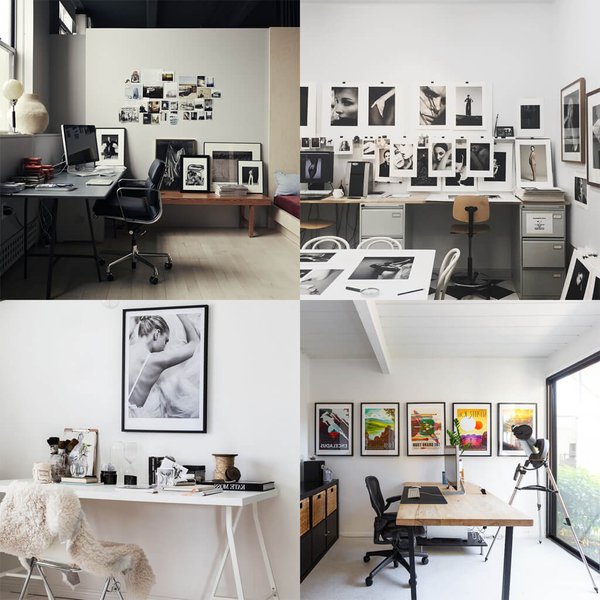
A well-organized or fresh workspace can significantly impact creative flow.
Take Strategic Breaks and Rest
Forcing creativity rarely works and can lead to burnout. Step away from the project completely for a short period. Go for a walk, take a shower, listen to music, or do something completely unrelated. Short breaks refresh the mind, while longer breaks might be needed for deeper burnout. Ensure you are getting adequate sleep and rest.
Incorporate Physical Activity
Movement boosts blood flow to the brain, reduces stress, and can stimulate creative thinking. Engage in activities like walking, running, yoga, dancing, or swimming. Even gentle movement can help dislodge mental blocks.
Establish or Adjust Your Routine
While sometimes routine causes stagnation, a consistent creative habit can also prevent blocks. Dedicate specific times for creative work, even if it's just for a short duration daily. This builds momentum and trains your brain for regular creative output. Conversely, if your routine feels stifling, intentionally break it.
3. Adjusting Your Creative Process
Try a Different Approach or Medium
If your usual methods aren't working, switch things up. If you're a writer, try mind-mapping instead of outlining. If you're a painter, try sketching or digital art. Tackling the problem from a different angle or using unfamiliar tools can unlock new pathways.

Experimenting with different tools, materials, and techniques can spark new ideas.
Embrace Constraints
Sometimes, limitations can fuel creativity. Set artificial boundaries: limit your color palette, set a strict time limit, use only specific words, or work within a defined theme. Constraints reduce overwhelming choices and force inventive solutions.
Brain Dump and Free Association
Let your ideas flow without censorship. Write, sketch, or list everything that comes to mind related to your project (or even unrelated thoughts). This "brain dump" clears mental clutter and can surface unexpected connections. Try free-writing or stream-of-consciousness exercises.
Break Down Large Tasks
If a project feels overwhelming, divide it into smaller, more manageable steps. Focusing on completing one small part can build momentum and make the overall task seem less daunting.
Engage in Play and Randomness
Inject fun and spontaneity into your process. Doodle without purpose, try improvisational exercises, use random word generators for prompts, or play creative games. Playfulness lowers the stakes and allows the subconscious mind to make novel connections.
4. Seeking External Input and Connection
Seek Diverse Inspiration
Immerse yourself in the work of others, but avoid direct comparison. Visit galleries, read books outside your usual genre, watch films, listen to new music, or explore nature. Exposure to different styles, ideas, and perspectives can provide fresh sparks for your own work.
Connect with Your Community
Talk to fellow creatives, friends, or mentors about your struggles. Sharing your experience can provide emotional support and validation. Brainstorming with others or simply discussing ideas can inject new energy and perspectives into your project. Don't underestimate the power of conversation.
Capture Ideas Instantly
Keep a notebook, sketchbook, or digital note-taking app handy at all times. Ideas often strike at unexpected moments – when you're relaxed, walking, or drifting off to sleep. Capture them immediately before they fade.
5. Prioritizing Wellbeing
Practice Mindfulness and Stress Reduction
Stress is a major creativity killer. Incorporate mindfulness practices like meditation or deep breathing exercises into your day. These techniques help calm the nervous system, reduce anxiety, and create mental space for ideas to emerge.
Visualizing Strategies: A Comparative Look
Different strategies resonate differently depending on the individual and the nature of the block. This radar chart offers a conceptual visualization of the potential impact of various approaches across different dimensions of overcoming creative blocks. It's based on synthesized insights rather than hard data, illustrating how strategies might vary in their effectiveness for sparking ideas, reducing pressure, shifting perspective, boosting motivation, and fostering long-term habits.
Mapping the Path Forward: Strategies at a Glance
This mindmap provides a visual overview of the interconnected strategies discussed. Starting from the central challenge of a creative block, it branches out into the main categories of action you can take, highlighting specific tactics within each. Use it as a quick reference to explore different avenues when you feel stuck.
(New space, Nature)"] id2b["Take Breaks & Rest"] id2c["Physical Activity"] id2d["Establish/Adjust Routine"] id2e["Declutter Workspace"] id3["Process Adjustments"] id3a["Try New Medium/Approach"] id3b["Use Constraints"] id3c["Brain Dump / Free Write"] id3d["Break Down Tasks"] id3e["Engage in Play / Improvise"] id3f["Experiment"] id4["External Input"] id4a["Seek Diverse Inspiration
(Art, Music, Books)"] id4b["Connect with Community"] id4c["Talk to Others"] id4d["Capture Ideas"] id5["Wellbeing"] id5a["Mindfulness / Meditation"] id5b["Stress Reduction"] id5c["Ensure Adequate Sleep"]
Quick Tips from the Creative Community
Hearing directly from other creators can be incredibly motivating. This video offers five concise and practical tips for battling creative block, providing a quick boost of inspiration and actionable advice you can implement right away.
The video emphasizes practical steps like changing your environment, consuming different content, setting constraints, collaborating, and simply starting somewhere, echoing many of the strategies discussed above. Sometimes, a quick reminder of these core tactics is all that's needed to get unstuck.
Summary Table: Key Strategies and Benefits
Here's a table summarizing some of the most effective strategies for overcoming creative block, why they work, and specific examples:
| Strategy | Why It Works | Examples |
|---|---|---|
| Change Environment | Disrupts routine thinking patterns, provides new stimuli. | Work in a park, coffee shop; rearrange your desk; visit a museum. |
| Take Breaks / Step Away | Reduces mental fatigue, allows subconscious processing. | Go for a walk, take a nap, engage in a hobby, do chores. |
| Physical Activity | Boosts mood and blood flow to the brain, reduces stress. | Jogging, yoga, dancing, stretching. |
| Mindset Shift | Addresses psychological barriers like fear and perfectionism. | Journaling, challenging negative thoughts, focusing on process, recalling past wins. |
| Embrace Constraints | Reduces decision fatigue, forces creative problem-solving. | Set a timer, limit tools/colors, follow a specific theme. |
| Brain Dump / Free Write | Clears mental clutter, bypasses the inner critic. | Write nonstop for 10 minutes, sketch random ideas without judgment. |
| Seek Inspiration | Exposes you to new ideas and perspectives. | Read books, watch films, listen to music, browse art online. |
| Engage in Play | Lowers pressure, encourages experimentation and spontaneity. | Doodling, improvisation games, trying unrelated creative activities (e.g., cooking). |
| Connect with Others | Provides support, fresh perspectives, and motivation. | Talk to a friend or colleague, join a creative group, brainstorm together. |
Frequently Asked Questions (FAQ)
What exactly is a creative block?
A creative block is a period during which an individual finds it difficult or impossible to produce new creative work or experiences a significant slowdown in their creative output. It's often characterized by a lack of inspiration, ideas, or motivation, and can affect anyone involved in creative endeavors, regardless of their field or experience level.
Is experiencing creative block normal?
Yes, absolutely. Creative block is a very common and normal part of the creative process. Almost all creators experience it at some point. It's not necessarily a reflection of your talent or ability, but rather a signal that something—be it psychological, environmental, or routine-based—needs attention or adjustment.
How long does a creative block typically last?
The duration of a creative block varies greatly. It can last anywhere from a few hours or days to weeks or even months. The length often depends on the underlying causes and the strategies employed to overcome it. Actively addressing the block usually helps shorten its duration compared to passively waiting for it to pass.
Can specific activities like exercise or meditation really help?
Yes, activities seemingly unrelated to your creative work can be very effective. Physical exercise boosts mood and cognition, while mindfulness practices like meditation can reduce stress and anxiety, both of which are common culprits behind creative blocks. Engaging different parts of your brain and body can refresh your perspective and create mental space for new ideas.
What if none of these strategies seem to work?
If you've tried multiple strategies without success, consider if there might be deeper issues at play, such as significant burnout, depression, or anxiety, which might require professional support. It could also be beneficial to take a more extended break from the specific project causing the block. Sometimes, patience and self-compassion are needed; creativity often ebbs and flows naturally.
Recommended Reads
- What are the underlying psychological reasons for experiencing creative block?
- Explore daily habits that can help prevent creative blocks before they start.
- How does perfectionism specifically impact the creative process and lead to blocks?
- Discover how setting limitations or constraints can actually boost innovation and overcome blocks.
References
 forum.squarespace.com
Last updated May 4, 2025