
Overdue 120 Days Payment Request to Vendor
A comprehensive guide and sample communication strategy
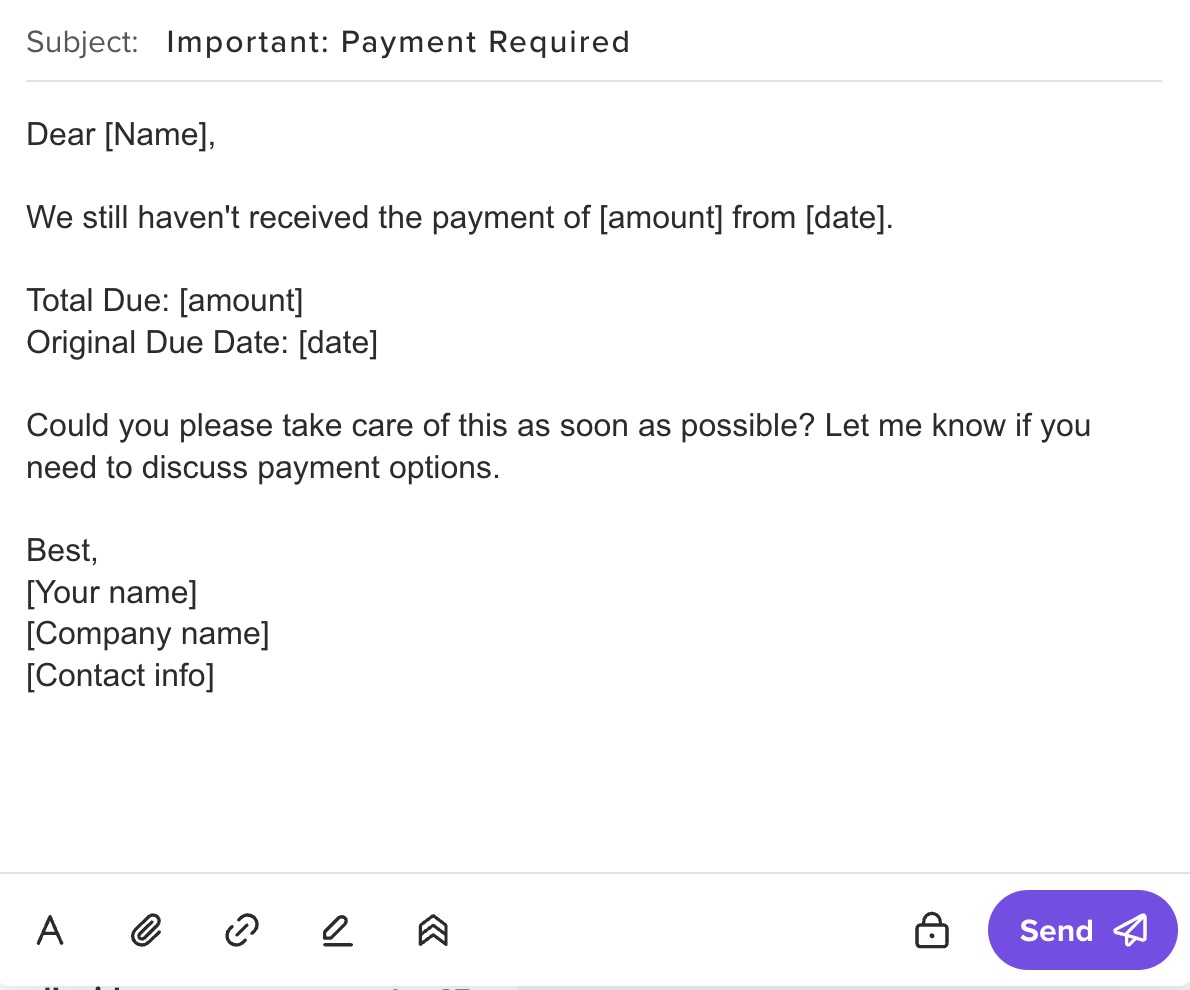
Key Highlights
- Clear Invoice Details: Ensure that all essential invoice data such as invoice number, due date, and amount due are explicitly detailed.
- Firm Yet Professional Tone: Use language that is both assertive and respectful, outlining the late fees and potential actions without damaging business relationships.
- Actionable Steps and Deadlines: Include a clear call-to-action with a specific payment deadline and attach all relevant documentation like the original invoice.
Overview of the Payment Request Process
When dealing with a vendor regarding an invoice that has been overdue by 120 days, it is critical to maintain professionalism while issuing a firm reminder. The process not only helps safeguard your company’s financial interests but also nurtures long-term relationships by providing a clear pathway to resolve the outstanding balance. A structured payment request ensures that the vendor is aware of the terms, past communications, and the consequences if the payment is not processed promptly.
Establishing the Tone and Context
The tone of your communication should be professional, courteous, and direct. While it is important to remain polite, your message should convey a sense of urgency. This is achieved through a clear presentation of the invoice details, the specific amount due, and any applicable late fees or interest charges that have accrued. Underscoring the consequences, such as potential future actions or the involvement of a collection agency, strengthens the reminder without resorting to an aggressive tone.
Elements to Include in Your Payment Request
To construct an effective overdue payment request, several key elements should be compiled into your email or formal communication:
1. Invoice and Payment Details
Clearly indicate the invoice number, original due date, and the amount due. If your payment terms specify a net period (for example, net 30 days), reiterate this schedule in your message. This is essential not only for clarity but also to reference the original agreement.
2. Breakdown of Charges and Late Fees
If a late fee is applicable—as is common in many business arrangements—the email should specify the rate (often around 3% per month) along with the total charge accrued due to the delayed payment. This breakdown reinforces the veracity of your claim and reminds the vendor of the agreed contractual penalties.
3. Documentation and Invoice Attachment
Providing complete documentation, including a reattached copy of the original invoice, ensures the vendor has all the relevant details at their fingertips. This transparency greatly facilitates the payment process.
4. Clear Call-to-Action
Include a directive that outlines the steps the vendor should take next. This involves a firm request for immediate payment, along with a specific deadline (for example, requesting payment within the next 10 business days). Encourage the vendor to get in touch if there are issues or if they require additional documentation.
5. Professional Sign-Off
Use a closing that reflects professionalism such as “Sincerely,” or “Best regards.” This portion should include your full name, title, and contact information to reinforce the legitimacy of the request and offer an open channel for further communication.
Structuring Your Email: A Detailed Template
Below is a detailed email template that incorporates all of the aforementioned elements. This template has been designed to clearly communicate the overdue nature of the payment while maintaining a professional tone.
Sample Overdue Payment Request Email
You can customize the following sample email to suit your organizational style and the specific circumstances of the overdue invoice.
Subject: Overdue Payment Request for Invoice #[Invoice Number]

Dear [Vendor's Name],

I hope this message finds you well. I am writing to bring to your attention that Invoice # [Invoice Number], dated [Invoice Date], is now 120 days past its due date. As of today, the outstanding balance amounts to $ [Total Amount Due]. According to our payment terms of net 30 days, this delay has resulted in the accrual of a late fee calculated at [Late Fee Percentage]% per month, bringing the current total to $ [Total Amount Including Late Fees].

Please find attached a copy of the original invoice for your reference. We request that the overdue payment be processed as soon as possible. Should you be experiencing any difficulties that are hindering your ability to pay, please contact me at your earliest convenience so that we can discuss a potential payment plan or alternative arrangements.

If we do not receive payment within the next 10 business days, we will have no choice but to consider further actions, such as engaging a collection agency or other legal measures, in order to secure the outstanding funds.

Thank you for your prompt attention to this matter. I look forward to your immediate response and to resolving this in a timely manner.

Sincerely,
[Your Full Name]
[Your Title]
[Your Company Name]
[Your Contact Information]
Explanation of the Template Components
Subject Line
The subject line “Overdue Payment Request for Invoice # [Invoice Number]” immediately communicates the urgency and context of the email. It captures the vendor's attention and sets the stage for the rest of the message.
Opening Greeting
The greeting is kept formal — using “Dear [Vendor's Name]” builds respect from the start, ensuring your request is received with due seriousness.
Payment Details Section
By detailing the invoice number, original due date, and the outstanding amount, you reinforce the facts of the engagement. Specifically mentioning the accrual of a late fee clarifies the consequences of non-payment, which is essential if there has been previous ambiguity about the business terms.
Attachment Notice
Including a note about the attachment ensures that the vendor is aware of all the necessary documentation. This minimizes excuses based on miscommunication or lost paperwork.
Call to Action and Deadline
A clear and actionable directive is provided by requesting payment within a specified timeline (e.g., 10 business days). This portion not only sets expectations but creates a measurable timeframe within which the vendor must respond.
Professional Conclusion
Ending the email with a professional sign-off reinforces a tone of mutual respect while underscoring the seriousness of the overdue situation. Your name, title, and contact details are all included, making it easy for the vendor to initiate follow-up communication.
Considerations in Communication and Follow-Up Strategies
Communication regarding overdue payments requires a careful balance between firmness and professionalism. It’s important not only to issue reminders but also to consider follow-up steps if the vendor indicates a need for extended payment terms or if there are disputes regarding the invoice.
Review and Document Communications
Ensure that each correspondence is documented. This might include a series of emails, phone call logs, and even copies of sent letters. These documents can provide supporting evidence should the situation escalate to legal proceedings.
Maintaining a Clear Record
Maintaining a traceable record of each communication is essential. Keep logs of the dates and times of all reminders, including responses from the vendor if any. This not only shows diligence on your part but also provides a paper trail that defines the timeline of your efforts to resolve the issue.
Offering Payment Options
In your email, you may wish to include multiple payment methods to facilitate ease of payment. This may include bank transfer details, online payment gateways, or checks. Offering a flexible payment plan can be especially helpful if the vendor is experiencing temporary cash flow issues.
Incorporating Flexible Solutions
While the primary goal is to obtain existing payment, acknowledge in your message that you are willing to discuss flexible payment options. This approach reinforces your willingness to work together toward a resolution while still emphasizing the urgency of the situation.
Setting Clear Deadlines and Next Steps
Clear deadlines are essential in ensuring a timely response. Your request for payment should include a specific deadline (e.g., “within 10 business days”). Additionally, be explicit about any further actions you might need to take if these deadlines are not met, such as initiating the process with a collections agency or seeking legal assistance.
Communicating Consequences
In stating the potential consequences, be sure to explain that further delays might necessitate additional measures to secure payment. This offers the vendor a clear understanding of what is at stake and may prompt quicker resolution.
Summary Table of Key Elements
| Element | Description |
|---|---|
| Invoice Details | Include invoice number, original invoice date, total amount due, and any late fees applied |
| Professional Tone | Use formal language that is both firm and respectful, avoiding any aggressive language |
| Documentation | Attach the original invoice and any supporting documents to ensure clarity |
| Call to Action | State a specific deadline for payment and include possible next steps if not met |
| Follow-Up Strategy | Keep thorough records of all communications and be prepared to escalate if necessary |
Additional Considerations for Ensuring Prompt Payment
It is beneficial to periodically review your payment terms and communication strategies. For some vendors, a more lenient approach might initially yield better responses, whereas for others a more direct form of communication may be required.
Reiterating Payment Terms
Begin by reiterating the original terms of your agreement. By referencing the payment terms and late fee policies, you remind the vendor of their contractual obligations. This inclusion helps minimize any confrontation, as the expectations were clearly outlined when the business agreement was formed.
Making the Obligation Clear
Remind the vendor that the terms were mutually agreed upon at the time the invoice was issued. This can often prompt the vendor to honor their agreement, knowing that there is documentation and predetermined conditions in place.
Open Channels for Resolution
While the tone remains firm regarding the overdue payment, it is equally important to show a willingness to resolve any discrepancies or issues. Inviting the vendor to contact you to discuss potential obstacles demonstrates a commitment to maintaining the business relationship while affirming your right to payment.
Resolving Disputes Amicably
Mention in your email that you are open to discussing payment plans or any issues that might be causing the delay. This initiative not only smooths over the process but demonstrates that you are reasonable and understanding of unforeseen difficulties.
References
- How to Communicate with Vendors about Past Due Payments - Workplace StackExchange
- Late Fees and Finance Charges - Nolo
- How to Word Past Due Invoice Letters - Doctemplates.net
- Overdue Invoice Letters That Get You Paid - FreshBooks
- Overdue Invoice Email Templates - Countingup
Recommended Queries for Further Insights
Last updated March 14, 2025