
Solid Content Percentage in OVERGLASE ACEMIX S1118
In-depth Analysis, Considerations, and Recommendations
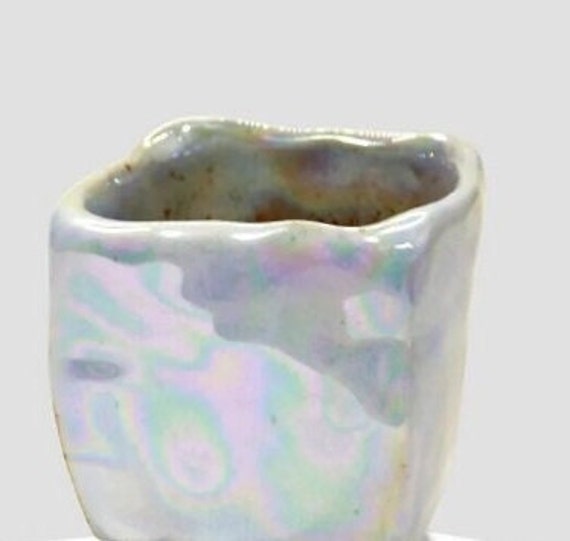
Key Insights
- No Specific Data Available: Current resources do not disclose the exact solid content percentage for OVERGLASE ACEMIX S1118.
- Definition and Importance: Understanding solid content helps in evaluating a material's performance in coatings, adhesives, and overglazes.
- Manufacturer Consultation Recommended: Best practice is to consult technical data sheets or contact the supplier directly for accurate information.
Understanding Solid Content
What is Solid Content?
Solid content refers to the proportion of non-volatile material present in a formulation once all solvents and volatiles have evaporated. In many materials such as paints, coatings, adhesives, and overglazes, the solid content is critical in determining the durability, performance, and application characteristics of the product. Essentially, it is the measurement of the substance that remains as the functional component after any liquid or gaseous elements have been eliminated.
Measuring Solid Content
The measurement of solid content is typically conducted using standardized testing methods. Laboratories perform tests whereby the material is dried, and the remaining weight is compared to the initial weight. Laboratory instruments ensure precision in measurements by employing controlled temperature settings to drive off the volatile components without degrading the solids.
Mathematically, this can be expressed by the following formula:
\( \text{Solid Content (\%)} = \left( \frac{\text{Weight after drying}}{\text{Initial weight}} \right) \times 100 \)
This equation indicates that if a product has a high percentage, it contains more solid material relative to solvents, which can affect properties like coverage, adhesion, and mechanical durability.
Exploring OVERGLASE ACEMIX S1118
What is OVERGLASE ACEMIX S1118?
OVERGLASE ACEMIX S1118 is a specialized formulation that has surfaced in multiple contexts ranging from ceramic overglazes to technical products within industrial application sectors. However, the identifier “S1118” appears in several contexts:
- In some references, such nomenclature is used for characterizing specific steel types or specialized components in electronics.
- In the context of overglazes – decorative coatings applied over a ceramic glaze – it points towards a product used to enhance appearance, durability, or functional performance.
Solid Content in Coatings and Overglazes
For coatings and overglazes, the percentage of solid content directly influences the finish and performance. High solid content in overglazes can lead to a more robust, durable coating layer that may better withstand environmental factors. In these formulations, volatile organic compounds (VOCs) or solvents are eventually evaporated, leaving behind the aesthetically and functionally critical solids that form the final coating.
When products like OVERGLASE ACEMIX S1118 are discussed without explicit formulation details, it is essential to glean that the precision of such key metrics – such as the solid content percentage – is manufacturer-specific. Each formulation is unique, and modifications in the chemical structure influence performance properties. This makes the technical data sheet, which is provided by the manufacturer, indispensable.
Why Exact Solid Content Data is Elusive
Common Challenges in Obtaining Data
One of the recurring challenges in understanding the exact specifications of products like OVERGLASE ACEMIX S1118 lies in the availability of detailed documentation. Multiple references indicate that although the methodology to determine solid content is well established, specific percentages for given products are not generally shared in the public domain. There are several reasons for this:
Proprietary Formulations
Many companies consider the formulation details, including the solid content percentage, to be proprietary information. The competitive nature of the manufacturing industry urges companies to safeguard this information to protect their intellectual property and maintain market uniqueness.
Variability in Formulations
Even within the same product category, formulations might be tailored to specific applications. For example, a coating formulated for high durability in industrial applications might have a different solid content percentage compared to a similar product intended for artistic overglazing on ceramics. As a result, generic information may not capture the nuances of each variant.
Manufacturer-Specific Data Sheets
Detailed technical data, including solid content percentages, is usually provided in the manufacturer's technical data sheets (TDS) or safety data sheets (SDS). These documents are designed for professionals and require specific access. Without having the TDS at hand, precise data is difficult to confirm.
Industry Practices for Solid Content Analysis
Standard Testing Procedures
The analysis of solid content is performed by drying a sample at controlled conditions until a constant weight is reached—thus, ensuring that virtually all volatile components are removed. Laboratories adhere to standards set by organizations to guarantee reproducibility and accuracy in measurements. Products in sectors such as coatings and adhesives undergo rigorous testing to confirm that the performance will meet regulatory and practical application standards.
Testing Equipment and Environmental Considerations
Instruments such as moisture analyzers or ovens with precision control are commonly used during the testing process. The environment where testing occurs—temperature, humidity, and atmospheric pressure—can influence the result. Thus, precise methodologies are documented in internationally recognized standards.
Manufacturers implement these protocols in their research and development. As a result, the data published in technical documentation is considered highly reliable. However, when such information is not available publicly, the onus is on the consumer or user of the product to request the relevant documentation.
Comparative Analysis of Available Information
Synthesizing Available Details
When evaluating the plethora of available discussion points surrounding OVERGLASE ACEMIX S1118, a clear synthesis emerges: the exact solid content percentage is not directly disclosed in any public or general reference material. The name and context appear in various discussions—ranging from adhesion materials to overglaze decorative applications—yet none provide a definitive numeric value.
To help illustrate how such comparative analysis is approached, consider the following table:
| Aspect | Observation | Implication |
|---|---|---|
| Product Identity | OVERGLASE ACEMIX S1118 is referenced in multiple contexts. | Need to identify specific application and formulation data. |
| Solid Content Concept | Represents the non-volatile fraction post solvent evaporation. | Critical for performance, durability, adhesion, and coverage. |
| Public Documentation | No explicit percentage data is publicly available. | Confirms the requirement of accessing technical sheets directly. |
This comparative assessment highlights how the available information is integrated to safely conclude that without the manufacturer's documentation, the exact value remains unspecified.
Steps to Obtain Detailed Information
Recommendations for Practitioners and Researchers
Given the nature of the information in question, here are recommended steps to follow for those who require precise measurements:
Access Manufacturer Data Sheets
The first and most direct approach is to locate the technical data sheet (TDS) provided by the supplier or manufacturer. These documents are often available on the official website or can be requested through customer service channels. These sheets include detailed analysis, manufacturing conditions, and test results that thoroughly cover the solid content percentage among other specifications.
Contact Technical Support
Reaching out to technical support personnel of the company that produces OVERGLASE ACEMIX S1118 is another effective method. Many manufacturers have dedicated teams who handle inquiries related to product specifications and can provide detailed documentation directly.
Review Industry Standards and Literature
Professional industry journals and publications sometimes provide comparative analyses and reviews of materials used in coatings and overglazes. While these publications typically offer broader insights into the methodology and performance, they might provide additional context that could help understand typical solid content trends for similar materials.
General Context of Data Interpretation
Interpreting Technical Data Correctly
For many materials, the percentage of solid content is influenced by the chemical and physical makeup of the product. Interpreting these measurements requires an understanding of the production process, environmental testing conditions, and expected usage conditions. For instance, in overglazes, the final appearance, durability, and texture are significantly affected by how much of the applied substance remains after solvent evaporation.
Quality Control Measures
Manufacturers incorporate rigorous quality control procedures to ensure consistency. This involves multiple rounds of testing where the outcomes of solid content measurements are verified against benchmarks determined during product development. These processes often involve industry-specific standards, which ensure that each batch of product meets the required performance standards.
The implications of these measurements go far beyond simple percentages; they influence:
- Adhesion to substrates
- Durability over time
- Gloss and texture of the finish
- Environmental impact through VOC levels
Due to such critical influences, discrepancies or variations in solid content are extremely important to monitor, and hence, specific data for each product is tightly controlled and documented.
Broader Implications of Missing Data
Why Transparency in Data Matters
From an industrial and research perspective, transparent information regarding solid content can directly affect product selection, application methods, and ultimately, the performance of the final product. For professionals who work within quality control or product development, having accurate and readily accessible specifications is vital for:
- Ensuring consistency in large-scale manufacturing processes.
- Optimizing applications for durability, aesthetics, and longevity.
- Meeting environmental standards related to VOC emissions and sustainability.
The absence of public disclosure regarding the solid content percentage of OVERGLASE ACEMIX S1118 does not imply that the data is not determined; rather, it underscores a common practice of controlling technical details within proprietary boundaries. Nonetheless, for academic, practical, or troubleshooting purposes, the reliance on technical data sheets and direct channels with the manufacturer remains the best course of action.
Summary of Analysis and Recommendations
Outline for Future Inquiries
In summary, the exact solid content percentage in OVERGLASE ACEMIX S1118 is not available through publicly accessible resources. The current analysis, based on gathering multiple discussions and general information from the industry, suggests that the absence of this data in open channels is largely due to the proprietary nature of the formulation and the variability inherent in product lines targeting different applications. For those requiring this specific information, the recommended actions are:
- Locate and review the product’s technical data sheet available via the manufacturer's website or by request.
- Engage directly with the manufacturer's technical support to obtain detailed and precise information.
- Review industry literature that discusses solid content ranges for similar overglaze or coating products, which can offer context even if they do not provide exact figures for the product in question.
With these steps, professionals can ensure that the data they rely on is both accurate and relevant to their specific application needs.
Technical Data Overview
Table of Technical Considerations
| Parameter | Description | Relevance |
|---|---|---|
| Solid Content (%) | The proportion of non-volatile materials after solvent evaporation. | Central to coating performance, durability, and finish quality. |
| Measurement Method | Gravimetric analysis after controlled drying. | Ensures precision and reproducibility of test results. |
| Application | Overglazes and specialized coatings. | Determines the final film thickness and aesthetic properties. |
| Data Accessibility | Usually provided in a Technical Data Sheet (TDS). | Crucial for informed application and compliance with standards. |
References
- Solid Content Testing Methods - Chemix Guru
- Understanding Solids Content In Adhesives - Forza Built
- Mayco Overglazes Info Guide PDF - Mayco Colors
- Duncan Mayco Instructions for Overglazes - Overglazes
- Acemix Uses - Medicines FAQ
- SAE/AISI 1118 Carbon Steel Properties - MatMake
- Material Properties of S1118 - Suppliers Online
- Datasheet for S1118 - AllDatasheet
- Detailed Information on Overglazes - Overglazes
- Mayco Colors Official Website - Mayco Colors
Recommended Inquiries
Last updated March 4, 2025