
OVERGLASE ACEMIX S1118
Exploring the Details and Application of a Specialty Overglaze
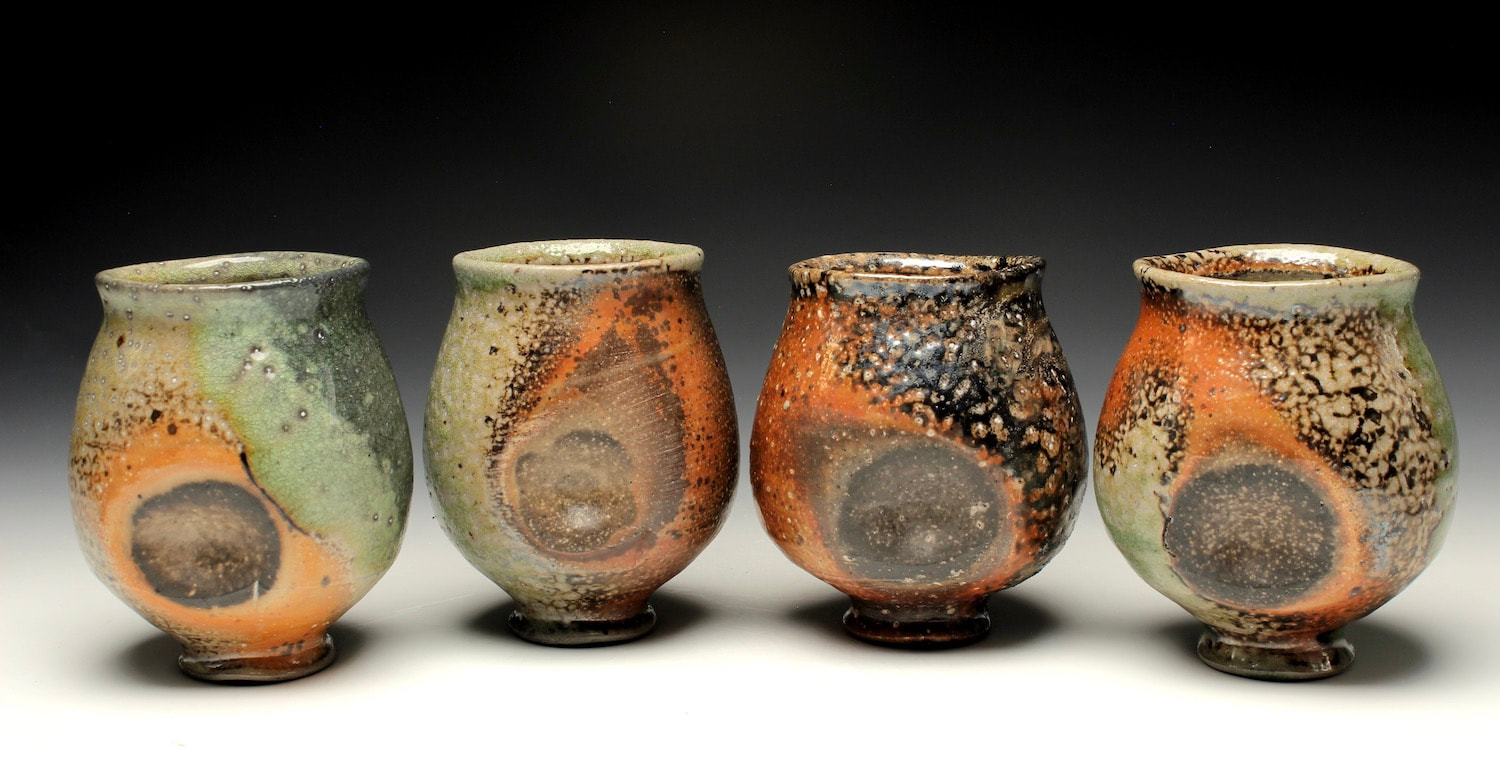
Highlights
- Specialized Ceramic Technique: Overglazes add detailed decorative finishes to already glazed ceramics.
- Low-Temperature Firing: Applied on fired pieces and then refired at lower temperatures.
- Product Specificity: ACEMIX S1118 appears to denote a specialized formulation used within this technique.
Understanding Overglazes
Overglazes represent a distinctive technique in ceramic decoration, where a secondary layer of decoration is applied on top of a previously glazed and fired surface. This method is a well-established practice in the ceramics industry and is valued for the remarkable ability it lends to fine-tuning artistic effects, details, and adding unique finishes that are not possible with the primary glaze alone.
The Overglaze Process
The process begins with a ceramic piece that has already undergone its primary glazing and firing. The overglaze layer is then applied — this can involve various mediums including colored enamels, metallic finishes, or lusters that lend a distinct visual appeal. The application is performed with precision tools such as brushes, sprayers, or even stencils to ensure detail. Once applied, the piece is fired again at a much lower temperature than the initial glaze, typically at Cone 018 (roughly between 1300°F to 1350°F). This careful control in temperature ensures that the detailed additive layer matures without disturbing the integrity of the primary glaze.
Components of Overglaze Materials
Overglaze materials can include various components such as metallic oxides, luster compounds, and colored pigments. These ingredients are finely mixed to yield vibrant colors or reflective metallic finishes after the low-temperature refiring. The formulation can vary greatly depending on the final aesthetic desired by the artist or manufacturer. Some specialized overglaze formulas are designed for high detail and durability, ensuring that the design remains vivid and resistant to external wear.
Examining ACEMIX S1118
The designation "OVERGLASE ACEMIX S1118" appears to refer to a particular product or formulation within the realm of overglaze materials. Although detailed and explicit specifications may not be widely published in publicly available references, several key insights can be drawn by examining its context in the ceramics industry.
Product and Usage Overview
ACEMIX S1118 is most likely a specialized variant in the overglaze family, potentially indicating a unique blend designed for specific finishes. It can be assumed that this formulation is used to either enhance the aesthetic quality of the underlying glaze or to introduce particular visual effects such as opaqueness, luster, or metallic sheens. Similar to many other overglaze applications, ACEMIX S1118 would be applied after an initial firing and then refired at a lower temperature to activate its final properties.
Application and Techniques
With overglazes like ACEMIX S1118, artists should note that the application must be meticulous. The overglaze is generally applied with care, often requiring a well-ventilated workspace and strict adherence to safety guidelines due to the inclusion of solvents and chemical additives in the formulation. Protective equipment, such as masks and gloves, is typically recommended during the mixing and application processes.
In practice, a ceramic piece that has undergone an initial glaze firing is prepared for overglaze application by ensuring that the surface is clean and free from dust or contaminants. The user then applies ACEMIX S1118 either by brushing, spraying, or using specialized tools for intricate details. Once the overglaze is satisfactorily applied, the ceramic piece is then subjected to a second, lower-temperature firing. This final firing serves to fuse the added layer onto the piece, ensuring both durability and the development of the intended visual effects.
Potential Visual Effects and Attributes
Given the nature of overglaze formulations, ACEMIX S1118 could offer a range of effects:
- It may produce a glossy and radiant finish, enhancing the visual vibrancy of the underlying ceramic surface.
- The formula might be designed to create uniform opaqueness or to emphasize certain color depths when juxtaposed with complementary or contrasting glazes.
- It may involve a mix designed to yield a specific texture that can range from smooth and glass-like to subtly textured, depending on the artistic goals.
Technical Considerations and Best Practices
When working with any overglaze, including specialized products such as ACEMIX S1118, it is important to consider various technical aspects to ensure successful application and longevity of the finish.
Temperature Control
A critical component in overglaze application is the firing temperature. The overglaze’s formulation is designed to mature at relatively low temperatures. The controlled firing process, typically within the range of Cone 018 (about 1300°F to 1350°F), is essential for achieving the desired finish without compromising the integrity of the underlying primary glaze.
Surface Preparation
The success of an overglaze application heavily depends on the state of the ceramic surface. The piece must be thoroughly cleaned and free of any substances that might prevent proper adhesion of the overglaze. In cases where there are imperfections or residues from the initial glazing process, the overglaze may not bond uniformly, leading to uneven visual effects.
Mixing and Application Techniques
The formulation of ACEMIX S1118, like other overglazes, requires precise mixing. Users typically need to follow specific ratios and mixing protocols provided by the manufacturer. Once mixed, the overglaze should be applied in a manner that ensures even coverage, typically using tools suited to fine detail work. Experimenting on a test piece before applying the overglaze to a final work piece is highly recommended.
Safety Measures
Overglazes often contain solvents and chemically active components. It is essential to use these products in well-ventilated areas. Personal protective equipment, such as respirators, gloves, and safety goggles, should be standard practice during mixing and application. Additionally, manufacturers’ instructions should be strictly followed to minimize any risk of exposure or unintended chemical reactions.
Comparison of Overglaze Applications
To provide a clearer understanding, the following table compares different aspects of overglaze applications with a focus on specialized formulations such as ACEMIX S1118:
| Aspect | General Overglaze | Product Specific Traits (ACEMIX S1118) |
|---|---|---|
| Application Method | Brush, spray, or stencil | Likely designed for precision application on detailed areas |
| Firing Temperature | Typically Cone 018 (1300°F-1350°F) | Fires at the same low temperature to preserve details |
| Visual Effects | Color accents, metallic sheens, and lusters | May offer distinct opaqueness or gloss tailored for specific aesthetic outcomes |
| Safety Considerations | Requires proper ventilation and protective gear | Adheres to similar safety protocols with emphasis on chemical handling |
| Usage Context | Enhancement of decorative ceramics | Potentially used in specialist applications where quality and finish are crucial |
Industry and Artistic Implications
The use of specialized overglaze products like ACEMIX S1118 has implications both in the commercial ceramics industry and within the realm of fine arts. For industrial applications, such products help manufacturers achieve consistent, high-quality decorative finishes on mass-produced items. The precise application options and durability of the finish can greatly increase the aesthetic value and longevity of ceramic products, making them more attractive in competitive markets.
Artistic Expression and Innovation
In artistic circles, overglazes provide a valuable means to apply intricate designs and vibrant details after the base glaze has set. Artists can experiment with layering colors and finishes, producing effects that might shift in tone and texture depending on the light and angle of view. Using specialized formulations like ACEMIX S1118 expands the palette of what artists can achieve, possibly offering nuances in opaqueness, texture, or gloss that standard overglazes might not deliver.
Customization and Experimentation
The ability to customize the decorative finish is a critical aspect of overglaze techniques. Specialized products allow the user to fine-tune parameters such as viscosity, drying time, and final appearance. This customization is particularly paramount in artistic workshops where experimental approaches yield innovative visual outcomes. Manufacturers or suppliers of products like ACEMIX S1118 often provide technical sheets that detail the ideal conditions for application, ensuring that artists can achieve the best results.
Practical Recommendations for Users
For artisans and ceramic professionals looking to integrate products like OVERGLASE ACEMIX S1118 into their workflow, the following advice is recommended:
Prior Testing
Before committing to a full project, it is advisable to test the overglaze on a small, inconspicuous area or a sample piece. This ensures that the resulting finish meets your expectations in terms of color, gloss, and texture.
Follow Manufacturer Guidelines
Given the precision involved in overglaze applications, adhere strictly to the technical guidelines provided by the supplier. This includes exact mixing ratios, recommended application methods, and required firing temperatures.
Maintain a Safe Working Environment
Implement rigorous safety protocols. Use proper ventilation, protective equipment, and follow safe handling procedures for all chemical components.
Documentation and Process Review
Keep detailed records of the application process, including environmental conditions and firing outcomes. This documentation is invaluable for troubleshooting and optimizing future projects.
Additional Insights
Despite the relatively specific designation of OVERGLASE ACEMIX S1118, the available information broadly suggests that the core principles of overglaze applications are maintained. This includes the reliance on low-temperature refiring, careful surface preparation, and detailed application processes aimed at achieving refined, durable finishes.
In many instances, such products are designed with variations in formulation to cater to different artistic or manufacturing needs. As such, even if detailed technical specifications might not be universally published, understanding the general principles of overglaze applications can provide a robust framework for utilizing specialized items like ACEMIX S1118.
Practical Table of Overglaze Considerations
| Consideration | Importance | Notes |
|---|---|---|
| Temperature Management | High | Essential for correct maturing of the overglaze without damaging the base glaze. |
| Surface Preparation | High | Ensures proper adhesion and an even finish. |
| Application Technique | Medium | Affects the precision and the durability of the finish. |
| Safety Precautions | High | Mandatory due to the chemical components used in the overglaze. |
| Documentation | Medium | Helps refine techniques and troubleshoot any issues that arise. |
References
- Overglazes Collection - Big Ceramic Store
- Duncan Mayco Overglaze Instructions - Overglazes
- Overglaze Lusters - Mayco Paint Store
- Spectrum White 1118 - The Ceramic Shop
-
Overglaze Glossary - Digitalfire
- Overglaze Luster Collection - Krueger Pottery
-
ACE-111-0502 HPLC Column - eBay
- Overglaze Decorative Techniques - Medium
- 1118 White - The Ceramic Shop
- Lusters and Overglazes - Mayco Paint Store
Recommended Related Queries
Last updated March 4, 2025