
Calculating the Predetermined Overhead Rate
An In-depth Analysis of Paulson Company’s Overhead Allocation
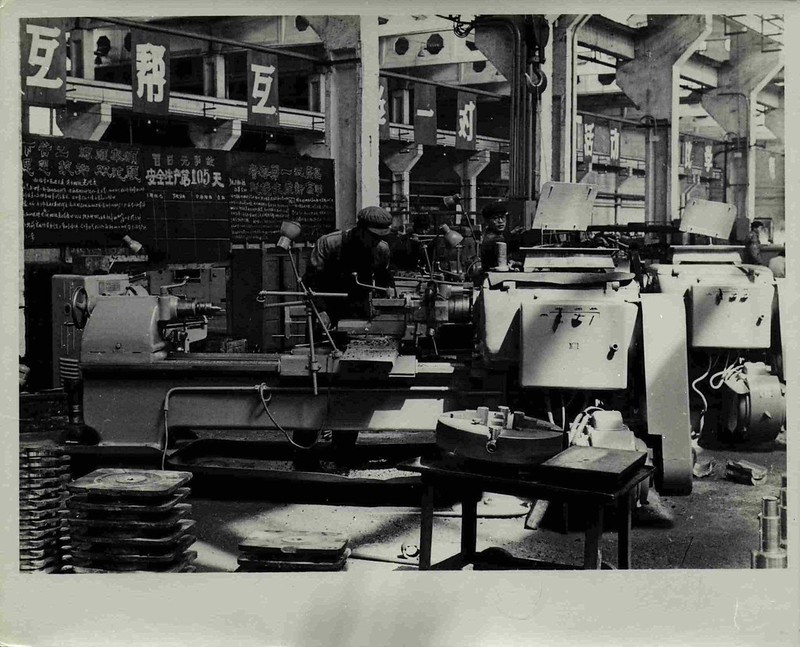
Key Highlights
- Total Manufacturing Overhead is calculated by summing factory-related costs.
- Machine Hours serve as the cost driver, directly impacting the overhead application.
- Predetermined Overhead Rate is derived by dividing the total overhead by the estimated machine hours.
Understanding the Components
In a manufacturing setting, companies apply manufacturing overhead to jobs to ensure that indirect costs are accurately allocated to products. Paulson Company uses a predetermined overhead rate approach based on machine hours. This method involves estimating the total manufacturing overhead costs for the upcoming year and then dividing that sum by the estimated machine hours to be worked during the same period. The result is a rate which is then used to assign overhead costs to individual jobs based on the machine hours they incur.
Breakdown of Costs
When examining the estimated costs for the next year, it is important to differentiate between manufacturing costs and non-manufacturing costs. For Paulson Company, the costs provided include direct materials, direct labour, and various indirect expenses. However, the method allocates only those costs associated with manufacturing overhead. Below is a closer look at the costs provided:
Manufacturing Overhead Costs
The overhead costs included in the calculation are those that cannot be traced directly to a specific job. These include factory-related costs such as:
- Rent on the factory building
- Depreciation on factory equipment
- Indirect materials
- Insurance on factory equipment
These expenses are integral to maintaining the production facility but cannot be directly associated with a particular product or service.
Other Costs Excluded
It is also crucial to note that not all provided costs are relevant to the overhead calculation. Expenses such as direct materials, direct labour, advertising expenses, and sales salaries are directly tied to other aspects of the business and are excluded from the overhead allocation process.
Step-by-Step Calculation
The process for determining the predetermined overhead rate is straightforward and relies on proper categorization of costs and an appropriate activity drive. The calculation involves three major steps:
1. Identify and Sum the Manufacturing Overhead Costs
From the provided estimates for next year, we select the costs associated with manufacturing overhead:
- Rent on factory building: £13,500
- Depreciation on factory equipment: £6,500
- Indirect materials: £10,000
- Insurance on factory equipment: £12,000
By adding these amounts together, we determine the total estimated manufacturing overhead:
| Cost Component | Amount (£) |
|---|---|
| Rent on Factory Building | 13,500 |
| Depreciation on Factory Equipment | 6,500 |
| Indirect Materials | 10,000 |
| Insurance on Factory Equipment | 12,000 |
| Total Manufacturing Overhead | 42,000 |
The sum of these expenses is £42,000, which represents the total estimated manufacturing overhead for the next year.
2. Determine the Allocation Base
The chosen allocation base for Paulson Company is machine hours. As stated in the estimates provided, the company expects 20,000 machine hours to be worked during the upcoming year. The allocation base is critical because it represents the measure by which the overhead costs will be distributed among the jobs.
3. Compute the Predetermined Overhead Rate
With both the total manufacturing overhead cost and the total estimated machine hours available, the predetermined overhead rate (POHR) can be calculated using the formula:
Predetermined Overhead Rate = Total Estimated Manufacturing Overhead Costs / Estimated Machine Hours
Substituting in the known values:
POHR = £42,000 / 20,000 machine hours
When the division is carried out, the result is:
POHR = £2.10 per machine hour
This calculated rate of £2.10 per machine hour is then applied to all jobs based on the number of machine hours each job consumes.
Further Considerations
Role of an Allocation Base
Manufacturing overhead represents the indirect costs required for production that cannot be directly traced to products. Choosing an appropriate allocation base is paramount in ensuring that overhead is assigned fairly. For Paulson, machine hours are utilized as this base primarily because it is presumed that machine usage is a driving factor behind the incurrence of overhead costs. Higher machine usage typically leads to increased wear and tear, higher maintenance costs, and greater depreciation expenses.
Direct vs Indirect Costs
It is essential to understand the distinction between direct and indirect costs. Direct costs, such as direct materials and direct labour, can be easily traced to specific jobs. Indirect costs, on the other hand, do not directly link to any one product and therefore require allocation using a systematic method such as the predetermined overhead rate. This ensures that every job bears a fair share of the factory expenses.
Application to Job Costing
Once the predetermined overhead rate is calculated, it is used in the job costing system to assign overhead expenses to individual jobs. For instance, if a specific job uses 150 machine hours, the overhead applied to that job would be:
Overhead Applied = Predetermined Overhead Rate × Machine Hours Used
Thus:
Overhead Applied = £2.10 per hour × 150 hours = £315
This standard practice ensures consistent application of overhead costs across all jobs, facilitating a more accurate measure of product cost and improved pricing, budgeting, and cost control decisions.
Advantages and Limitations
Benefits of a Predetermined Overhead Rate
There are several advantages in using a predetermined overhead rate:
- Budgeting and Planning: The predetermined rate allows companies to estimate product costs in advance, which is essential for budgeting and planning.
- Simplified Cost Allocation: Allocating overhead based on a consistent measure simplifies the process, making it possible to allocate indirect costs in a systematic manner.
- Timely Cost Information: Having a predetermined rate provides timely cost information for pricing and other managerial decisions before actual overhead costs are fully incurred.
Limitations to Consider
However, the method is not without drawbacks:
- Estimation Errors: Because the rate is determined before the period begins, any significant deviations between estimated and actual costs or machine hours can result in over- or under-applied overhead.
- Simplification of Complex Processes: While using machine hours is a straightforward approach, it may oversimplify the complexity of overhead that is driven by multiple factors.
- Lack of Flexibility: The static nature of the predetermined overhead rate means that adjustments during the year may be required if there are significant changes in actual operating conditions.
Comparison with Alternative Allocation Bases
Although Paulson Company uses machine hours, other companies might use direct labour hours, units produced, or even activity-based costing (ABC) systems that use multiple cost drivers. The choice of the allocation base should align with the primary activities that drive overhead costs. In environments where machine usage is a significant factor, using machine hours remains a robust and effective method.
Extended Example Analysis
To further appreciate the use of the predetermined overhead rate, consider a scenario where Paulson Company needs to apply overhead to multiple jobs with varying machine hour requirements. The selection of machine hours as the allocation base means that overhead will be applied uniformly. This aids in accurately attributing costs to each job regardless of the direct labour or material requirements.
Job Costing Table Example
Below is a sample table demonstrating how overhead costs might be applied to different jobs:
| Job ID | Machine Hours Used | Predetermined Overhead Rate (£/hr) | Total Overhead Applied (£) |
|---|---|---|---|
| Job A | 500 | 2.10 | 1,050 |
| Job B | 1,000 | 2.10 | 2,100 |
| Job C | 750 | 2.10 | 1,575 |
In this table, each job's overhead is directly proportional to the machine hours used, clearly illustrating the fairness and simplicity of the predetermined overhead rate method.
Integration with Financial Reporting
Using a predetermined overhead rate also aligns well with a company’s overall financial reporting processes. Since overhead is applied throughout the period using estimated figures, companies can prepare interim financial statements that reflect product costs more swiftly. This can be particularly useful during audits and performance evaluations, even though a reconciliation is often required at year-end when actual costs are available. The reconciliation process involves comparing the applied overhead to the actual overhead incurred, providing insights into variance analysis.
Common Issues and Variances
Despite the advantages, companies should be aware of the potential discrepancies between estimated overhead and actual overhead incurred. Variances can occur if:
- Machine hours vary significantly: If the actual machine hours differ notably from the 20,000 hours estimated, the applied overhead might understate or overstate the true costs.
- Manufacturing overhead costs fluctuate: Unexpected changes in overhead costs such as maintenance issues or changes in insurance premiums could lead to a variance.
- Operational inefficiencies: Deviations in the efficiency of machine operations may also impact the actual costs incurred.
Addressing these variances proactively through periodic review and adjustments ensures the costing system remains relevant and accurate.
Conclusion and Final Thoughts
In summary, the predetermined overhead rate for Paulson Company is calculated by summing the relevant manufacturing overhead costs and dividing that total by the estimated machine hours for the period. Specifically, the relevant overhead costs—comprising rent on the factory building, depreciation on factory equipment, indirect materials, and insurance on factory equipment—total £42,000. With an estimated 20,000 machine hours, the final rate is calculated as:
Predetermined Overhead Rate = £42,000 / 20,000 machine hours = £2.10 per machine hour
This rate is then applied to jobs based on the actual machine hours used, ensuring that an appropriate portion of the indirect costs is allocated to each job. The process demonstrates the importance of selecting a suitable cost driver, understanding the relevant costs, and applying an allocation method that supports accurate job costing and financial reporting.
The analysis provided here underscores the methodology and rationale behind using machine hours for overhead allocation. It provides not only a clear calculation but also highlights the broader implications in cost management and financial reporting. With an effective overhead allocation method, companies can improve budgeting, ensure fair cost distribution across products, and better understand their cost structure, ultimately supporting more informed managerial decisions.
References
- Paulson Company Overhead Calculation - Brainly
- Job Order Costing Analysis - QuizPlus
- Overhead Rate Calculation Explained - Course Hero
Recommended Further Queries
Last updated February 19, 2025