
Ownership of the Panama Canal
A Comprehensive Overview of the Canal's Stewardship and Historical Transition
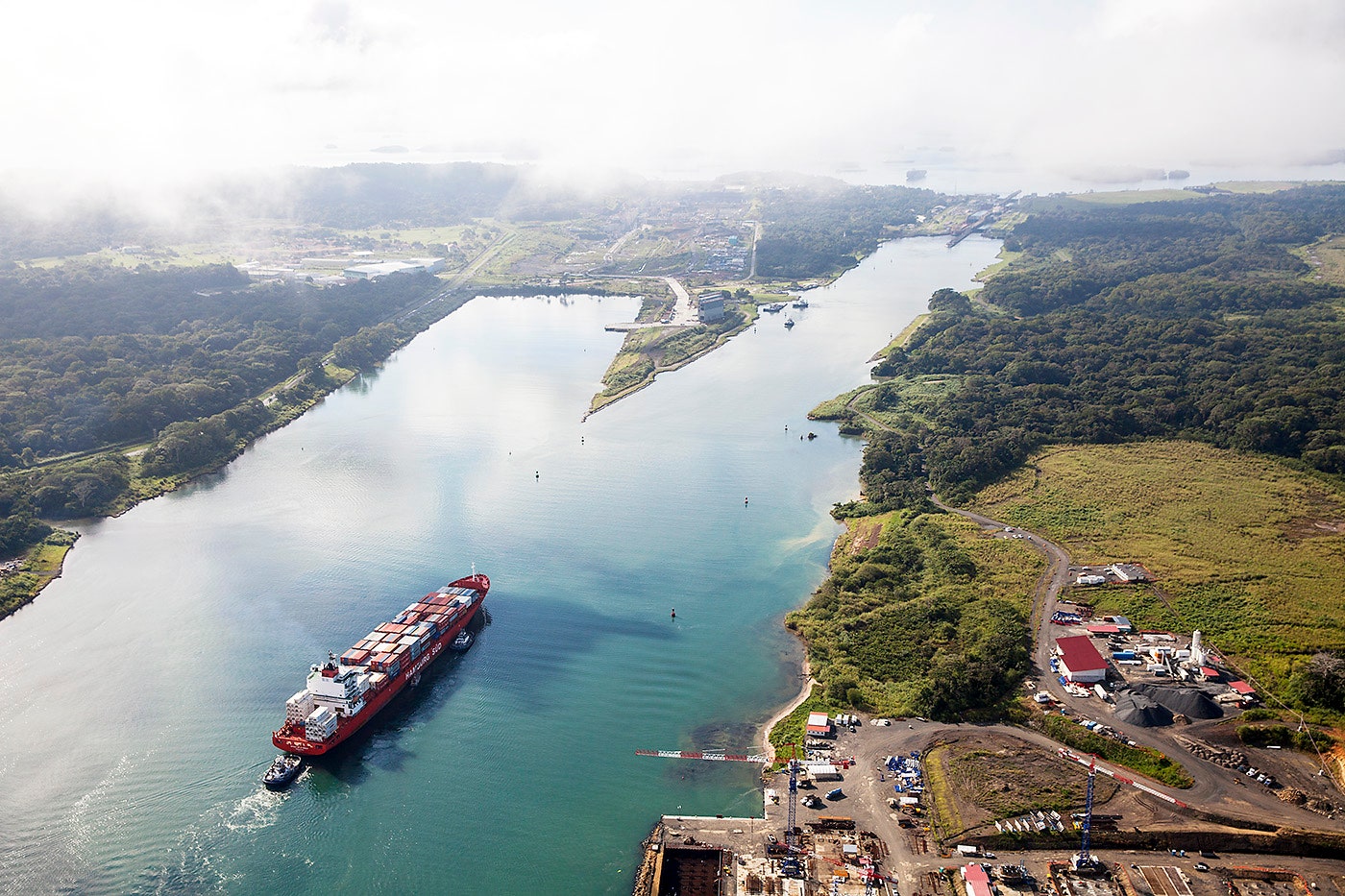
Key Takeaways
- The Panama Canal is entirely owned and operated by the Republic of Panama through the Panama Canal Authority (ACP).
- The Torrijos-Carter Treaties facilitated the transfer of control from the United States to Panama, culminating on December 31, 1999.
- Despite its global strategic importance, the canal remains under Panamanian sovereignty, with no foreign country holding ownership.
Historical Background
Early Control and the Hay-Bunau-Varilla Treaty
The Panama Canal, a monumental feat of engineering connecting the Atlantic and Pacific Oceans, was originally under the control of the United States. This control was established through the Hay-Bunau-Varilla Treaty of 1903, which granted the U.S. exclusive rights to build and operate the canal in perpetuity. The treaty was negotiated between U.S. negotiator John Hay and Panamanian representatives, including Philippe Bunau-Varilla, a French engineer instrumental in the canal's construction.
Under this treaty, the United States was given control over a significant strip of land in Panama, including the canal zone, effectively allowing unilateral oversight and management of the canal's operations. This arrangement continued for nearly a century, establishing the canal as a critical asset for American maritime and military strategy.
Rise of Panamanian Nationalism and the Torrijos-Carter Treaties
Throughout the 20th century, Panamanian nationalism grew, with increasing demands for sovereignty over the canal. This sentiment was fueled by the belief that the canal should serve Panamanian interests and that the existing treaty arrangements disproportionately favored the United States.
Responding to these pressures, the United States and Panama engaged in negotiations leading to the Torrijos-Carter Treaties, signed in 1977 by U.S. President Jimmy Carter and Panamanian leader Omar Torrijos. These treaties outlined a gradual process for transferring control of the canal from the United States to Panama. Key provisions included:
- Establishment of the Panama Canal Commission to oversee the transition.
- Gradual transfer of administrative and operational responsibilities to Panama.
- Full Panamanian sovereignty over the canal effective December 31, 1999.
Completion of the Transfer of Control
The implementation of the Torrijos-Carter Treaties reached its culmination on December 31, 1999, when the United States formally handed over control of the Panama Canal to the Republic of Panama. This marked the end of nearly a century of American administration and the beginning of Panamanian stewardship of the canal.
Current Ownership and Management
Panama Canal Authority (ACP)
Today, the Panama Canal is managed by the Panama Canal Authority (ACP), an autonomous government agency established by Panama. The ACP is responsible for all aspects of the canal's operation, including maintenance, administration, and toll management. As a government-owned entity, the ACP ensures that the canal operates efficiently and remains a critical artery for global trade.
Operational Autonomy
The ACP operates with full independence, making strategic decisions regarding the canal's expansion, infrastructure improvements, and operational protocols. This autonomy allows Panama to adapt to the evolving needs of international maritime traffic, ensuring the canal remains a vital link between the world's oceans.
Economic Impact
The Panama Canal is a significant contributor to Panama's economy. It generates substantial revenue through tolls charged to ships passing through, fosters employment opportunities, and attracts foreign investment. The canal's expansion in 2016, known as the Panama Canal Expansion Project, further enhanced its capacity, allowing it to accommodate larger vessels and increasing its competitiveness in the global shipping industry.
Strategic Importance of the Panama Canal
Global Trade and Maritime Efficiency
The Panama Canal serves as a pivotal conduit for international maritime trade, significantly reducing the travel distance for ships moving between the Atlantic and Pacific Oceans. By eliminating the need to navigate the lengthy and perilous route around the southern tip of South America via the Strait of Magellan or Cape Horn, the canal enhances shipping efficiency, lowers transportation costs, and contributes to the timely delivery of goods worldwide.
Economic and Geopolitical Significance
The canal's strategic location makes it an indispensable asset for global commerce and naval mobility. It facilitates the flow of goods between major economic regions, including North America, Europe, and Asia. Additionally, the canal holds geopolitical importance, as control over this waterway can influence international maritime strategies and alliances.
Recent Developments and Expansion
Recognizing the evolving demands of global trade, the Panama Canal underwent a significant expansion project completed in 2016. This expansion introduced a new set of locks and widened existing channels, allowing the passage of larger vessels known as New Panamax ships. The enhancement has increased the canal's capacity, accommodating a broader range of shipping needs and reinforcing its role as a cornerstone of international trade infrastructure.
Misconceptions and Clarifications
Foreign Control and Influence
There have been claims and speculations suggesting that foreign entities, particularly China, exert control or significant influence over the Panama Canal. These assertions are unfounded. While China is one of the major customers utilizing the canal for its extensive shipping fleets, ownership and operational control remain solely under Panamanian sovereignty through the ACP.
Foreign investments in infrastructure related to the canal, such as nearby ports, do not equate to ownership or control over the canal itself. The ACP maintains strict authority over all aspects of the canal's operations, ensuring that its management aligns with Panamanian interests and global maritime standards.
United States' Role Post-1999
Despite the complete transfer of ownership, the United States continues to be the Panama Canal's largest customer, responsible for a significant portion of the cargo passing through the canal. This economic relationship underscores the enduring importance of the canal in facilitating U.S. trade. However, this role does not translate into any form of ownership or control over the canal's operations.
Furthermore, international cooperation remains essential for the canal's ongoing success, with the ACP collaborating with various countries and organizations to enhance its capabilities and maintain its strategic relevance.
Comparative Overview: U.S. Control vs. Panamanian Stewardship
| Aspect | Under U.S. Control | Under Panamanian Stewardship |
|---|---|---|
| Ownership | United States government via Hay-Bunau-Varilla Treaty | Republic of Panama through the Panama Canal Authority (ACP) |
| Operational Control | Managed by the U.S. military and civil authorities | Autonomous management by the ACP |
| Revenue Management | Funds directed to the U.S. Treasury | Funds retained and reinvested by the ACP for maintenance and expansion |
| Strategic Decisions | Made by U.S. government and military officials | Made by Panamanian officials and ACP leadership |
| International Relations | Operated in alignment with U.S. foreign policies | Operates as a neutral international shipping route under Panamanian sovereignty |
Conclusion
The Panama Canal stands as a testament to international cooperation, engineering prowess, and the shifting dynamics of global governance. Through the diligent efforts encapsulated in the Torrijos-Carter Treaties, control and ownership of this vital waterway have been firmly placed in the hands of the Republic of Panama. Administered by the Panama Canal Authority, the canal continues to play an indispensable role in facilitating global trade and maintaining geopolitical balance. Misconceptions regarding foreign control are unfounded, ensuring that Panama remains the sovereign steward of this critical maritime asset.
References
Last updated January 20, 2025