
The Association Between Oxalates and Cardiac Plaque
Exploring Evidence on Oxalate Contributions to Cardiovascular Health
Key Highlights
- Calcium Oxalate Deposits: Studies have documented the presence of calcium oxalate crystals within atherosclerotic plaques, suggesting a possible direct role in plaque formation.
- Cardiovascular Risk Factors: Elevated serum oxalate levels have been linked to increased vascular calcification, inflammation, and oxidative stress, all contributors to cardiovascular diseases.
- Pathogenic Mechanisms: The evidence indicates that disturbances in oxalate metabolism may promote plaque instability and related cardiovascular events, especially in populations with chronic renal issues.
Introduction
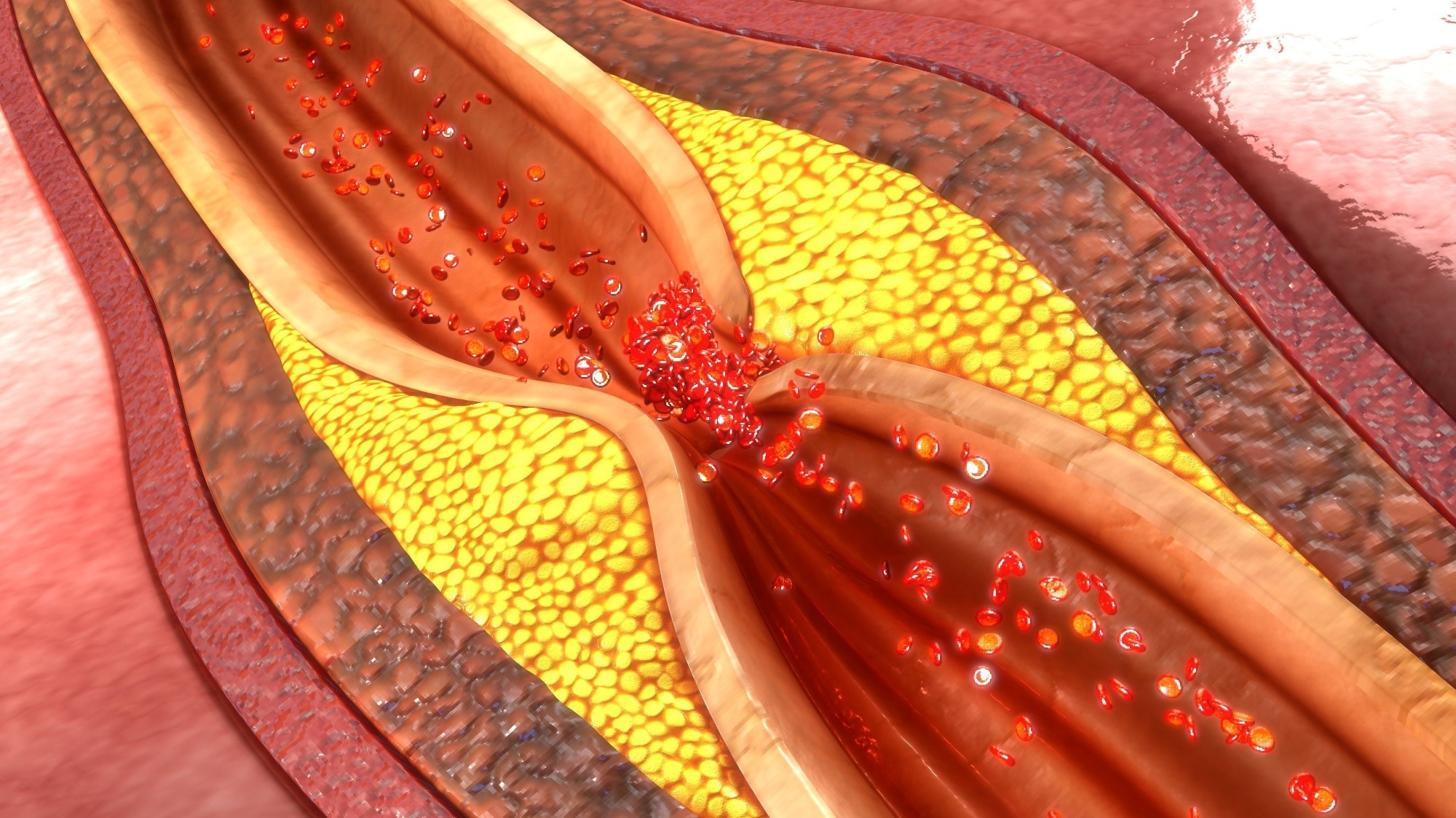
Oxalates are naturally occurring compounds found in various foods, and they are also generated endogenously as byproducts of metabolism. In recent years, research has closely examined the potential links between oxalates and cardiovascular diseases, particularly focusing on their involvement in the development and progression of atherosclerotic (cardiac) plaque. Atherosclerotic plaque is the buildup of lipids, calcium, and inflammatory cells in arterial walls, which can lead to conditions such as coronary artery disease, heart attacks, and stroke.
While oxalates are more commonly associated with kidney stones, a growing body of evidence suggests that they may influence cardiovascular health through several mechanisms. The deposition of calcium oxalate crystals within arterial plaques, the association with biochemical inflammatory pathways, and the relationship with vascular calcification are all areas of active investigation. In this discussion, we will explore the evidence, discuss potential mechanisms, provide a comparative analysis via a table, and conclude with possible related avenues for further exploration.
Evidence and Research Findings
Calcium Oxalate Deposits in Cardiac Plaque
Multiple studies have identified the presence of calcium oxalate crystals within atherosclerotic plaques in coronary arteries. This phenomenon has sometimes been referred to as "atherosclerotic oxalosis." Histological analyses of plaque samples have found oxalate deposits, suggesting that these crystals may contribute to the formation, stability, or even rupture of the plaques. A notable observation is that these deposits are not solely found in patients with obvious renal dysfunction, implying that local disturbances in oxalate metabolism could be at play.
Impact on Vascular Calcification and Plaque Stability
Elevated serum oxalate levels have been associated with increased vascular calcification. Vascular calcification is recognized as a key marker of atherosclerosis severity and is linked to adverse cardiovascular events. Calcium oxalate deposits may contribute to the hardening of the arterial wall and compromise the stability of plaques, making them more prone to rupture. Ruptured plaques can precipitate serious outcomes such as heart attacks and stroke.
The presence of oxalate crystals is thought to promote local inflammation and oxidative stress, both of which are known to exacerbate the progression of atherosclerosis. Inflammation in the arterial wall recruits immune cells that further damage the endothelial lining, creating an environment conducive to plaque development and progression.
Chronic Inflammation and Oxidative Stress
One of the key areas of research focuses on the role of oxalate-induced oxidative stress and inflammation. Dysregulation in oxalate metabolism might lead to an imbalance in redox homeostasis, triggering chronic oxidative stress. This stress can result in endothelial dysfunction, a precursor to atherosclerotic changes. Chronic inflammation further amplifies the deleterious effects, contributing to both the initiation and progression of plaque deposition in the arterial wall.
Association with Cardiovascular Risk Factors
Studies have found that high serum oxalate levels correlate with an increased risk of cardiovascular events, including sudden cardiac death, particularly among populations with end-stage renal disease (ESRD). The shared risk factors between kidney stone formation and atherosclerosis, such as metabolic disturbances and oxidative stress, underpin the hypothesis that oxalates could serve as a bridge between renal pathology and cardiovascular outcomes.
Mechanisms Behind the Association
Oxalate Metabolism and Local Deposition
Oxalates, being products of both dietary intake and cellular metabolism, circulate in the serum. Under certain conditions, they can precipitate as calcium oxalate crystals. These crystals are not only seen in kidney tissues but may also deposit in the arterial walls where the local microenvironment, altered by oxidative and inflammatory processes, favors such deposition. The aggregation of these crystals can contribute not just to plaque formation but also to its progression as they may be intertwined with other components such as cholesterol and inflammatory cells.
Furthermore, disturbances in oxalate clearance, whether due to nutritional factors or inherent metabolic dysfunctions, might elevate serum levels, thereby increasing the risk of vascular deposition. This suggests that systemic changes in oxalate metabolism can have localized pathological effects on the arterial walls.
Redox Homeostasis and Inflammatory Pathways
Oxidative stress plays a pivotal role in the pathophysiology of atherosclerosis. Elevated oxalate levels have been implicated in altering redox balance, thereby increasing oxidative stress. When the body’s antioxidant defenses are overwhelmed, free radicals and reactive oxygen species can damage endothelial cells, leading to a pro-inflammatory state. This inflammation perpetuates the cycle of injury and repair, ultimately contributing to the formation of plaques.
On a molecular level, oxalate-induced oxidative stress may activate inflammatory signaling pathways, such as nuclear factor-kappaB (NF-\( \kappa \)B). Activation of these pathways leads to enhanced expression of adhesion molecules and cytokines that recruit more inflammatory cells to the sites of vascular injury, accelerating plaque formation.
Comparative Risk in Special Populations
In patients with boundary conditions, such as those with end-stage renal disease or other metabolic disorders, the risk associated with serum oxalate levels appears to be particularly pronounced. These patients often have diminished renal clearance, leading to higher systemic oxalate concentration and, by extension, a higher likelihood of vascular deposition. The interplay between renal function and cardiovascular integrity is therefore an area of emerging concern and highlights the importance of understanding oxalate metabolism in the context of holistic cardiovascular risk assessment.
Comprehensive Analysis Table
| Aspect | Key Findings | Research Examples |
|---|---|---|
| Calcium Oxalate Deposits | Presence of calcium oxalate crystals identified within atherosclerotic plaques; potential role in plaque formation and instability. | Studies from histological analyses and case reviews. |
| Vascular Calcification | Correlations between elevated serum oxalate levels and increased vascular calcification, contributing to rigid arteries. | Findings in patients with coronary artery disease and those undergoing dialysis. |
| Inflammation & Oxidative Stress | Oxalate metabolism disturbances linked to oxidative stress and inflammation, key drivers of atherosclerosis. | Research on molecular signaling pathways (e.g., NF-\( \kappa \)B activation) and chronic inflammatory markers. |
| At-risk Populations | Populations with reduced renal clearance (e.g., ESRD patients) at high risk due to increased serum oxalate accumulation. | Clinical studies focusing on renal failure patients and cardiovascular outcomes. |
Implications for Clinical Practice and Future Research
Monitoring and Diagnostic Considerations
Given the emerging evidence connecting oxalates with cardiac plaque formation, there is potential merit in monitoring serum oxalate levels as part of a broader cardiovascular risk assessment, especially in high-risk populations. This monitoring could be incorporated into routine evaluations for patients with:
- Chronic kidney disease or end-stage renal disease
- Existing cardiovascular issues
- Metabolic disturbances that predispose them to higher oxalate retention
Diagnostic imaging techniques, such as advanced ultrasound or computed tomography (CT) scans, might also benefit from enhanced sensitivity to early calcific changes associated with oxalate deposition. This could allow clinicians to detect and address early vascular calcification before more severe atherosclerotic events occur.
Therapeutic Interventions
While nutritional modifications have traditionally been recommended for patients prone to kidney stones, similar strategies might be beneficial for individuals at risk of cardiovascular diseases linked to oxalate deposition. Reducing dietary oxalate intake may help lower systemic levels, thereby potentially decreasing the likelihood of plaque formation. Moreover, research into antioxidants and anti-inflammatory agents remains a promising field. Such interventions could counterbalance the oxidative stress and inflammation induced by high oxalate levels.
Pharmacological agents that target specific inflammatory pathways or improve oxalate clearance are under exploration. Although these strategies are still in early research phases, they underscore an evolving understanding of the biochemical and pathological roles oxalates play in cardiovascular disease.
Nutritional and Lifestyle Factors
Oxalates naturally occur in foods ranging from leafy greens to nuts and chocolate. For individuals at heightened cardiovascular risk, dietary counseling becomes an important aspect of holistic care. Recommendations may include:
- Reducing the intake of high-oxalate foods if necessary
- Ensuring balanced calcium consumption since dietary calcium can bind to oxalates, reducing their bioavailability
- Focusing on diets rich in antioxidants to combat oxidative stress
These lifestyle modifications, combined with proper medical monitoring, could offer a multifaceted approach to reducing both cardiovascular and renal complications associated with elevated oxalate levels.
Unresolved Questions and Future Directions
Pathophysiological Mechanisms
While significant progress has been made in identifying an association between oxalate and cardiac plaque, there remain several unanswered questions. Future research is needed to clarify:
- The precise molecular interactions between oxalate crystals and cellular components in the artery wall.
- How systemic metabolic changes interact with local vascular environments to facilitate oxalate deposition.
- The extent to which dietary and genetic factors modulate serum oxalate levels and their subsequent cardiovascular impacts.
Clinical Trials and Intervention Studies
Prospectively designed clinical trials are necessary to establish a causal relationship between oxalate metabolism and the progression of cardiovascular diseases. Such studies could:
- Investigate whether interventions aimed at reducing serum oxalate levels (through diet or medication) can decrease vascular calcification and plaque progression.
- Explore the therapeutic benefits of antioxidants or anti-inflammatory drugs in mitigating oxalate-induced vascular damage.
- Evaluate the long-term cardiovascular outcomes in at-risk populations subjected to such interventions.
Integrative Risk Models
Integrating serum oxalate measurements into broader cardiovascular risk models could enhance predictive accuracy for cardiovascular events. Future risk models might include:
- Biochemical markers of oxalate metabolism
- Imaging markers of vascular calcification
- Standard risk factors such as cholesterol levels, blood pressure, and inflammatory markers
Such integrative approaches would help in stratifying patients more effectively, allowing personalized intervention strategies that could reduce the burden of cardiovascular disease.
References
- Arterial Plaque Contains Oxalate - Sally K. Norton
- Article on Oxalate Deposits - Nature
- Oxalate and Cardiovascular Risk - Mayo Clinic Proceedings
- Oxalates and Heart Health - Oxalate Facts
- Oxalates, Urinary Stones and CVD Risk - PubMed
Recommended Next Steps for In-Depth Exploration
Last updated March 19, 2025