
Oxalic Acid in Agriculture Applications
An in-depth exploration of oxalic acid’s multifaceted roles in enhancing agricultural practices
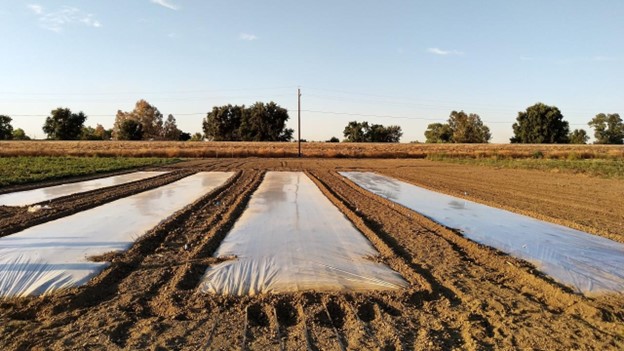
Key Highlights
- Plant Growth Regulation: Enhances nutrient uptake, stress tolerance, and overall plant development.
- Pest and Disease Control: Acts as an antifungal agent, controls pests, and improves postharvest quality.
- Soil Remediation and Nutrient Mobilization: Improves soil fertility and remediates contaminated soils through natural chelating properties.
Overview of Oxalic Acid in Agriculture
Oxalic acid is a naturally occurring organic acid found in many plants and is recognized for its versatile applications in modern agriculture. Its unique properties—particularly its ability to chelate metal ions, modify soil pH, and regulate plant physiological processes—make it an essential compound in several agricultural practices.
Its applications extend from enhancing crop yields and plant health to aiding in pest control and soil remediation. This comprehensive overview delves into these multifaceted roles, discussing its direct implementations, benefits, and supporting experimental evidence.
Mechanisms and Modes of Application
1. Plant Growth, Development, and Yield Enhancement
One of the primary applications of oxalic acid in agriculture is its role as a plant growth regulator. It has been demonstrated to improve plant development by:
a) Enhancing Nutrient Uptake
Oxalic acid aids in solubilizing fixed soil nutrients—particularly phosphorus—by acidifying the soil environment. This improved nutrient mobilization results in better availability for plant roots. Enhanced nutrient uptake consequently promotes chlorophyll biosynthesis, root development, and overall growth, leading to increased biomass and eventual crop yield.
b) Promoting Stress Tolerance
In modern agricultural settings, abiotic stressors such as heavy metals and drought can severely affect crop performance. Oxalic acid contributes to a plant’s stress response by chelating heavy metals and helping plants detoxify these compounds. Additionally, it can regulate pH levels within plant tissues, thereby alleviating various stress conditions.
c) Improving Fruit Quality and Postharvest Management
Preharvest treatments with oxalic acid have been shown to improve the quality of fruits by increasing size and weight, and even delaying the ripening process. This delay during postharvest storage not only leads to maintaining optimal firmness and quality but also extends the shelf-life of fruits such as grapes, plums, pears, and apricots.
2. Pest and Disease Control
Oxalic acid also plays an important role in integrated pest management. Its applications in pest and disease control include:
a) Antifungal and Antibacterial Effects
Several studies have highlighted the potential antifungal and antibacterial properties of oxalic acid. When applied to crops, its usage can inhibit the growth of pathogens such as fungi and bacteria, thereby reducing the incidence and severity of diseases like grey mold in table grapes and other vulnerable crops.
b) Control of Insect and Mite Infestations
Beyond fungicidal properties, oxalic acid is valuable in managing pest populations. Its application, whether as a foliar spray or through alternative delivery methods, has shown effectiveness against pests including mites and insects. For instance, it is used in organic beekeeping for controlling varroa mites by altering environmental pH, making it less hospitable for these harmful parasites.
3. Soil Remediation and Fertility Improvement
The chelating ability of oxalic acid makes it an asset in soil management practices. Its roles include:
a) Increasing Nutrient solubility
Organic acids like oxalic acid help mobilize nutrients trapped in the soil by breaking down insoluble compounds. This leads to increased availability of vital elements such as phosphorus, thereby promoting plant growth.
b) Soil Carbon Sequestration and pH Modification
Oxalic acid can be metabolized by oxalotrophic bacteria in the soil, resulting in the formation of stable carbonates. This process not only sequesters carbon but also influences soil pH, which subsequently affects the mobility and solubility of heavy metals. Such effects are particularly useful in remediating cadmium-contaminated or otherwise polluted soils.
c) Role in Remediating Contaminated Soils
When it comes to soils exposed to heavy metals, oxalic acid serves as a natural chelator that can mobilize these metals, facilitating their uptake by phytoremediating plants. This practice is essential in cleaning up metal-contaminated environments, and studies have shown enhanced success in using oxalic acid for such purposes.
Application Methods and Usage Procedures
The versatility of oxalic acid is further evident in the variety of application methods tailored to different agricultural scenarios. The main methods include foliar sprays, soil drenches, seed treatments, and specific delivery techniques for pest management. The table below summarizes these applications along with their benefits:
| Application Method | Usage | Benefits |
|---|---|---|
| Foliar Spray | Preharvest treatments on fruits and vegetables | Enhances photosynthesis, delays ripening, improves fruit firmness and quality |
| Soil Drench | Direct application to soil | Mobilizes nutrients, improves root development, enhances soil fertility |
| Seed Treatment | Coating or soaking seeds | Promotes seed germination, early root establishment, and resistance to early stress |
| Pest Management | Application in beehives or as a foliar spray for pest control | Reduces population of harmful mites and insects, acts as an anti-fungal agent |
| Soil Remediation | Utilized along with phytoremediation practices | Improves soil pH balance, binds to heavy metals, prevents pollutant migration |
Scientific Evidence and Underlying Mechanisms
The scientific community continues to elucidate the mechanisms by which oxalic acid facilitates various agricultural applications. Researchers have demonstrated that:
Biochemical Pathways in Plants
Oxalic acid is implicated in several biochemical pathways that improve plant health. By participating in the regulation of pH within the plant system, it indirectly aids in optimizing enzyme activities that are critical for nutrient assimilation. Moreover, it acts as a signaling molecule in certain stress responses, inducing the plant’s own defense mechanisms which include the synthesis of antioxidants.
Microbial Interactions in the Soil
In the soil, oxalic acid is degraded by specialized microorganisms (oxalotrophic bacteria), a process that often results in the production of carbonates. This interaction not only contributes to carbon sequestration in the soil but also helps modify the soil’s microbial community. These microbial communities, in turn, enhance nutrient cycling and overall soil health, ultimately benefiting plant growth.
Integration with Modern Agricultural Practices
The integration of oxalic acid treatments with conventional and organic agricultural practices has shown promising results. In controlled experimental settings, the applications have led to enhanced growth standards, improved yield quality, and an increased ability of crops to resist diseases. These outcomes underline the value of oxalic acid as a sustainable agricultural aid.
Considerations and Best Practices
Despite its many benefits, the use of oxalic acid necessitates careful management. Recommended best practices include:
Dosage and Timing
The concentration and frequency of oxalic acid application must be optimized based on crop type, growth stage, and specific environmental conditions. Improper dosing can lead to phytotoxicity, making it essential to follow guideline recommendations derived from controlled studies.
Combination with Other Treatments
Oxalic acid is often applied in combination with other agricultural enhancers such as humic acids or nutrient solutions. This synergistic usage can further improve nutrient uptake, accelerate plant growth, and provide additional protection against pests and diseases.
Environmental Impacts
Given its chelating properties, one must also consider the environmental implications of its use. While beneficial for mobilizing nutrients and sequestering carbon, the increased bioavailability of heavy metals in certain conditions might warrant additional soil testing and management measures.
Future Directions in Oxalic Acid Research
Ongoing research into oxalic acid is expected to pave the way for improved application strategies in agriculture. Future studies will likely focus on optimizing treatment dosages, exploring more compound interactions in the soil, and establishing comprehensive protocols for its use in organic farming systems.
These investigations not only aim to enhance current agricultural productivity but also contribute to a better understanding of the ecological impacts of organic acids in crop management.
References
- Oxalate in Plants: Metabolism, Function, Regulation, and Application - PubMed
- Oxalic Acid Preharvest Treatment Increases Antioxidant Systems and Fruit Weight - Wiley Online Library
- Oxalic Acid Preharvest Treatment Improves Colour and Quality of Table Grapes - Frontiers in Plant Science
- Application of Oxalic Acid in Crop Yield Increase and Soil Improvement - SCIRP
- Plant Stress Responses and Oxalic Acid: Mechanisms and Implications - Frontiers in Plant Science
Recommended Queries
Last updated March 18, 2025