
Exploring the Role of Oxalic Acid in Photographic Film Development
Discover how oxalic acid transforms latent images into enduring art
Key Highlights
- Reduction Mechanism: Oxalic acid acts as a powerful reducing agent, converting silver halides to metallic silver for image formation.
- Neutralization & Stability: It neutralizes alkaline developers and stabilizes the chemical environment, improving image clarity and longevity.
- Bleach-Fixing Efficiency: In the bleach-fixing process, oxalic acid removes residual silver halides to prevent further exposure and image degradation.
Understanding Oxalic Acid in Photographic Film Development
The Chemical Role of Oxalic Acid
Oxalic acid (C2H2O4) is an organic acid widely recognized for its potent reducing properties. In traditional and alternative photographic processes, it plays multiple roles:
As a Reducing Agent
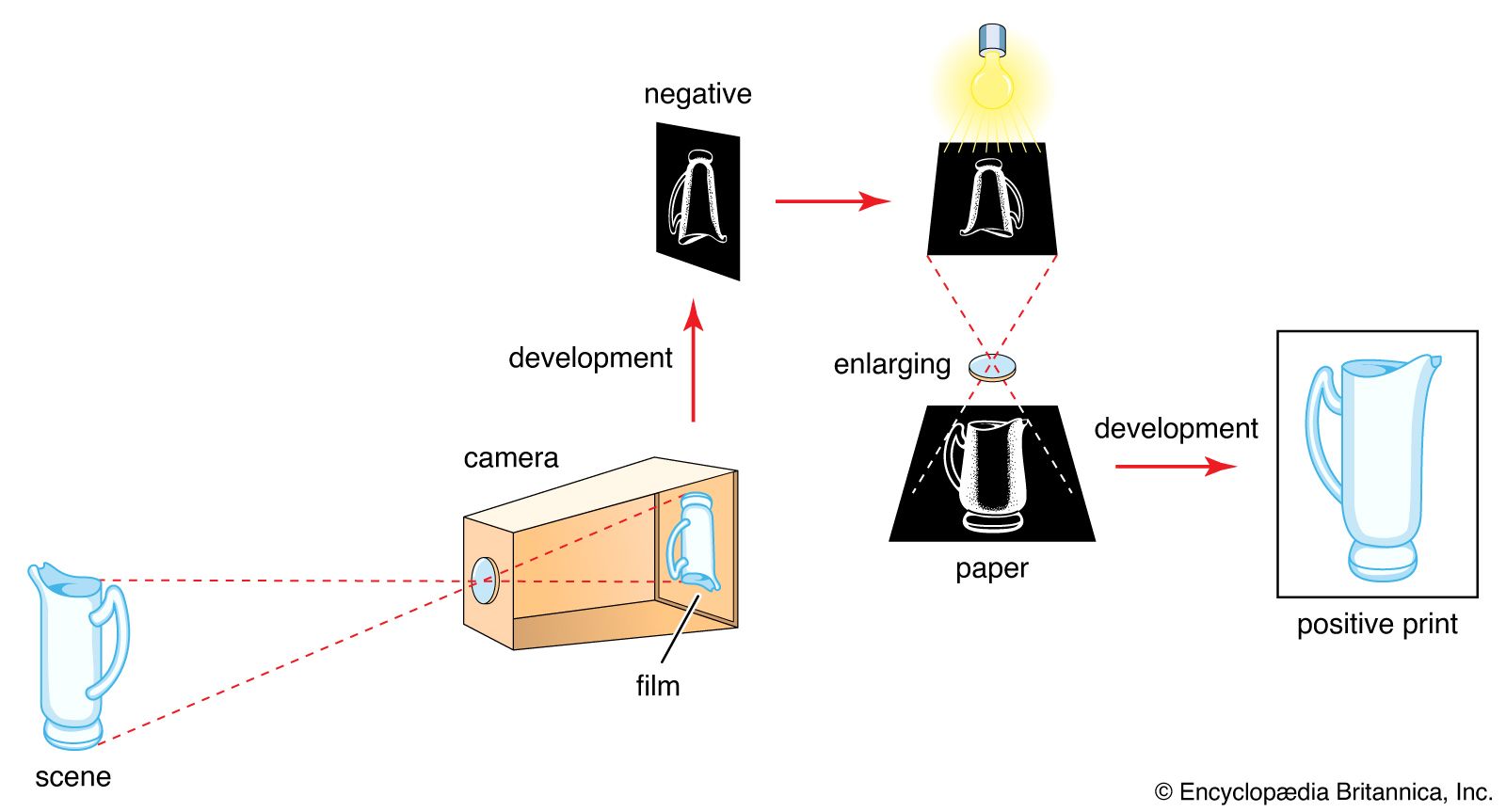
Photographic film is coated with an emulsion containing silver halide crystals. Upon exposure to light, these crystals form a latent image that is invisible to the naked eye. During development, a reducing agent is required to convert these silver halide crystals into metallic silver, which appears as the visible image. Oxalic acid facilitates this redox process, efficiently reducing the silver halides into metallic silver. This conversion is central to developing a clear and high-contrast image.
Neutralization of Alkaline Developers
Photographic developers often contain alkaline solutions that are necessary to activate the light-sensitive chemicals in the film. However, an excessively alkaline environment can lead to overdevelopment or fogging of the image. Oxalic acid is used to neutralize these alkaline solutions by adjusting the pH level, thereby ensuring that the development process proceeds in a controlled manner. This neutralization not only regulates the development reaction but also enhances the overall image quality by preventing undesired side reactions.
Bleach-Fixing and Image Stabilization
Beyond its reducing capabilities, oxalic acid is instrumental in the bleach-fixing stage of the photographic development cycle. After the primary development, a key step is to remove any remaining light-sensitive silver halides to prevent further changes when the image is exposed to light over time. In this bleach-fixing process, oxalic acid, often used in combination with chemicals like ammonium or sodium thiosulfate, reacts with the residual silver halides. The resulting compounds are soluble and can be washed away, thereby stabilizing the image. This step is critical for archival purposes, ensuring that the final image retains its integrity and does not fade or discolor with age.
Additional Functions and Advantages
Enhancing Developer Solutions
In addition to its direct chemical interactions with silver halides, oxalic acid serves a supportive role in the development process:
Improving Image Quality
The ability of oxalic acid to fine-tune the pH during development can significantly enhance the overall sharpness and contrast of photographic prints. By mitigating the risks of overdevelopment, oxalic acid helps produce images with improved definition and reduced fogging.
Preservation of Developer Solutions
Some photographic formulations incorporate oxalic acid as a preservative. Its antioxidant properties help prevent the oxidation of developer solutions, thereby extending their effective usability. This preservation reduces waste and ensures consistent performance in the development process.
Alternative Photographic Techniques
Oxalic acid is not confined to conventional film processing. In alternative photographic techniques—such as platinum or palladium printing—oxalic acid is used to control contrast and tonal ranges, showcasing its versatility as a chemical reagent in image making.
A Detailed Look at the Photographic Film Development Process
To synthesize a comprehensive understanding, the following table outlines the stages of film development where oxalic acid plays a key role:
| Stage | Function | Role of Oxalic Acid |
|---|---|---|
| Exposure | Formation of latent image through light activation | Not directly involved; chemical setup for later stages |
| Development | Conversion of silver halides to metallic silver | Serves as a reducing agent that initiates the silver reduction process |
| Neutralization | Regulation of pH to prevent overdevelopment and maintain image clarity | Neutralizes alkaline developer to ensure a controlled chemical reaction |
| Bleach-Fixing | Removal of unexposed silver halides to stabilize the image | Removes residual silver halides, enhancing the permanence and stability of the image |
| Preservation | Maintenance of developer solution quality | Acts as an antioxidant, extending the lifespan of the chemical solutions |
Safety Considerations and Handling of Oxalic Acid
Best Practices for Chemical Safety
While oxalic acid is indispensable in photographic film processing, safe handling procedures are critical. Due to its strong acidic nature, it poses several safety risks if proper precautions are not observed:
Protective Gear
Always wear appropriate protective gear, including gloves, goggles, and face masks, when working with oxalic acid. Protective clothing and being in a well-ventilated area are essential to minimize the risk of skin, eye, and respiratory exposure.
Ventilation and Storage
Working in well-ventilated spaces is crucial as fumes from oxalic acid can be harmful when inhaled. Ensure that your work area is equipped with adequate ventilation systems. In addition, store the acid in clearly labeled, airtight containers away from incompatible chemicals.
Emergency Measures
Familiarize yourself with emergency protocols. In the event of exposure, flush the affected area with plenty of water and seek immediate medical attention. It is also advisable to have access to a neutralizing agent and spill cleanup kit on site.
Integration in Modern Photographic Methods
Traditional vs. Alternative Techniques
Although the traditional silver-based photographic process remains a standard in film development, modern techniques have benefited from the integration of oxalic acid in newer methods. Its ability to act as a preserver of developer solutions and a stabilizer in bleach-fixing makes it valuable not only in conventional film processing but also in alternative methods such as:
Digital Art and Hybrid Techniques
With the resurgence of interest in analog photography, many artists are experimenting with hybrid techniques which combine digital methods with traditional chemical processes. Oxalic acid, in these contexts, offers the same reducing and stabilizing properties, contributing to a unique interplay between classic and contemporary art forms.
Innovative Developer Formulations
Recent innovations in developer formulations have sought to reduce the environmental impact of chemical processing. Oxalic acid, being both effective and relatively less hazardous when handled properly, is finding applications in eco-friendly photographic development methods. Its dual role as both a reducing agent and a preservative is instrumental in formulating developers that maintain high image quality while reducing chemical waste.
Detailed Chemical Reactions Involving Oxalic Acid
Redox Reaction in Image Development
The central photographic reaction involves the conversion of silver halide (AgX) into metallic silver (Ag) to form an image:
In the presence of a reducing agent, the reaction can be broadly represented by:
\( \text{\( \text{AgX} + \text{reducing agent} \rightarrow \text{Ag} + \text{by-products} \)} \)
Here, oxalic acid participates by donating electrons to the silver ions, thereby reducing them to metallic silver. This process enhances the contrast and overall detail of the image. In situations where oxalic acid is deployed simultaneously during the neutralization phase, the pH adjustments further ensure that the redox reaction proceeds uniformly, thereby avoiding partial development or image inconsistencies.
Bleach-Fixing Reaction
The bleach-fixing process involves converting leftover silver halide into soluble silver complexes:
\( \text{\( \text{AgX} + \text{oxalic acid} \rightarrow \text{soluble Ag compounds} \)} \)
This conversion helps in preventing any further light-induced reactions post-development, ensuring that the image remains stable over time.
Resources and Further Reading
Below is a collection of curated resources for in-depth exploration of oxalic acid’s role in photographic film development:
- Which of the Following Acids is Used in Photography? - Testbook
- Oxalic Acid Applications - VTAR
- Oxalic Acid: Properties and Uses - BYJU's
-
Silver Recovery Using Oxalic Acid - ScienceDirect
- Photographic Developer - Wikipedia
Recommended Related Queries
Further explore these topics to deepen your understanding of photographic film development processes:
Last updated March 23, 2025