
Advancements in Robotics and Automation across the OxCam ARC
Exploring the technological transformation and innovation in the Oxford-Cambridge region
Key Highlights
- Research and Collaboration: World-class universities and research institutions drive innovation.
- Government and Infrastructure Support: Significant investments and strategic policies fuel high-tech growth.
- Diverse Sectoral Impact: Robotics and automation innovations are transforming industries including healthcare, space technology, and future mobility.
Introduction to the OxCam ARC
The Oxford-Cambridge Arc, commonly known as the OxCam ARC, is a vibrant and integrated technological region in the United Kingdom. It spans several counties including Oxfordshire, Bedfordshire, Buckinghamshire, Cambridgeshire, and Northamptonshire. This region has emerged as a global powerhouse for research and development in robotics and automation, leveraging a unique blend of academic excellence, robust government support, and a thriving innovative ecosystem.
Academic Excellence and Research Foundations
At the core of the OxCam ARC’s achievements are its prestigious educational institutions, notably the University of Oxford and the University of Cambridge, whose research contributions have been instrumental in propelling robotics and automation to the forefront of technological innovation. These institutions are renowned for their rigorous academic research programs and state-of-the-art laboratories that foster groundbreaking work in autonomous systems, artificial intelligence (AI), and robotics applications.
Cutting-Edge Research Initiatives
Research within the OxCam ARC is not limited to theoretical studies. Practical, application-oriented projects are also fundamental, spearheaded by dedicated robotics research groups. For instance, the University of Oxford’s Department of Engineering Science has specialized teams working on autonomous systems and robotics algorithms. Similarly, Cambridge’s Department of Computer Science and Technology continually pushes the boundaries in AI and robotics, focusing on machine learning and intelligent systems.
These institutions often partner with industry leaders to translate cutting-edge research into commercially viable technologies. Intensive collaboration with businesses and startups facilitates the transition from lab-scale prototypes to scalable products that have broad impacts across multiple sectors.
Government Initiatives and Infrastructure Investments
The success of robotics and automation in the OxCam ARC can also be attributed to progressive government policies and robust infrastructure investments. Recognizing the region’s potential, the UK government has been actively endorsing policies that bolster technological and economic growth, ensuring that the area remains at the forefront of global innovation.
Strategic Funding and Investment
Government support comes in multiple forms, including direct financial investments, policy reforms, and infrastructure developments that are aimed at enhancing connectivity and reducing congestion. Key initiatives, such as the East West Rail project, not only improve transportation links but also play a critical role in strengthening the collaboration networks among universities, research institutions, and companies within the Arc.
Furthermore, substantial funds are being allocated to support high-tech industries, with specific grants and incentives targeted at robotics and automation. These investments are expected to double the economic output of the region by 2050, creating fertile ground for innovation and entrepreneurship.
Enhanced Connectivity and Infrastructure Development
Improved infrastructure is pivotal to the success of technological hubs such as the OxCam ARC. Transportation projects, including major rail expansions and smart road networks, ensure that ideas, talent, and investment flow seamlessly across the region. The resulting synergies help overcome traditional barriers to inter-regional collaboration, paving the way for accelerated advancements in robotics and automation.
Vibrant Ecosystem for Robotics and Automation
The OxCam ARC boasts a dynamic and interconnected ecosystem consisting of startups, scale-ups, established companies, and research organizations. This ecosystem forms the backbone of its success in robotics and automation. The region attracts top talent and benefits from a culture of innovation where academic research quickly finds its application in real-world projects.
Industry Collaboration and Partnerships
The strong presence of industry incumbents, alongside agile startups, forms an ecosystem where collaboration is not just common but highly encouraged. Industry leaders actively partner with academic research centers to explore new technologies, particularly in robotics. These partnerships are crucial in accelerating the development of autonomous systems that can be adapted for various applications ranging from manufacturing to healthcare.
Collaborative Projects and Initiatives
Numerous collaborative projects are underway which integrate robotics and automation into areas such as:
- Autonomous Vehicles: Initiatives focused on creating Connected and Autonomous Vehicles (CAVs) are seeing promising results, particularly by companies like Oxbotica and Latent Logic, which are pioneering safe and efficient vehicle automation.
- Robotic Healthcare Solutions: Robotic systems are evolving to support advanced diagnostic tools and assist with patient care in hospitals, driven by AI integration and machine learning research.
- Manufacturing Innovations: Advanced robotics play a critical role in modern manufacturing processes, ensuring enhanced efficiency, safety, and precision while reducing human error.
Impact on Diverse Industrial Sectors
The applications of robotics and automation within the OxCam ARC extend well beyond traditional manufacturing, influencing various sectors with far-reaching impacts:
Life Sciences and Healthcare
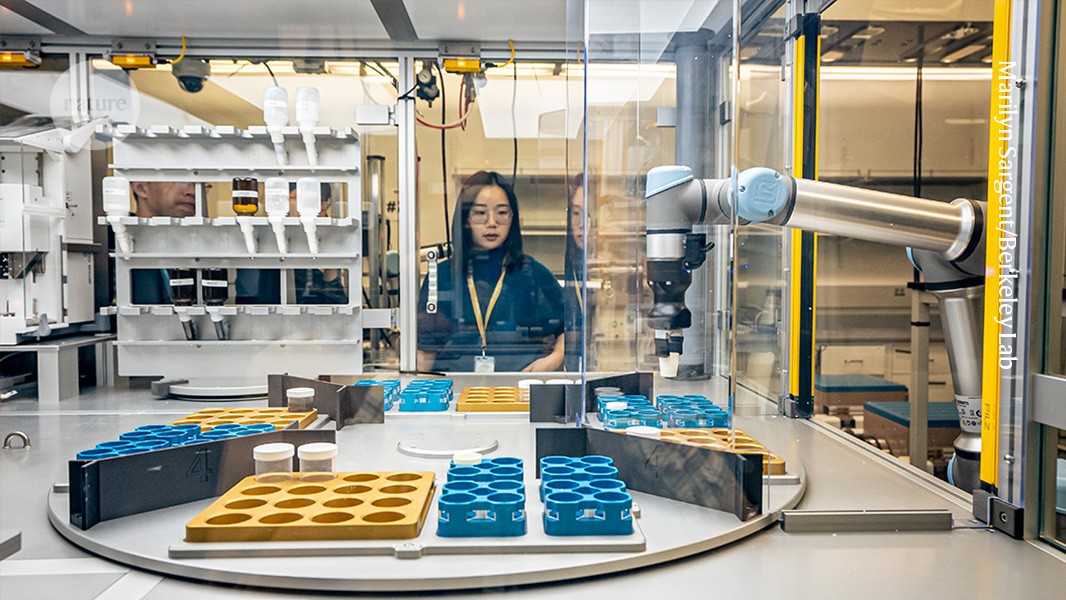
The integration of robotics and AI in healthcare is one of the most transformative trends emanating from the OxCam ARC. Institutions like the University of Oxford have pioneered the use of robotics coupled with machine learning in diagnostics, surgical applications, and patient care management. In life sciences, robotics enables high-throughput experiments, automation in laboratory processes, and advanced imaging techniques to detect diseases at earlier stages.
Space Technology
Another intriguing domain is space technology, where robotics plays a pivotal role. The OxCam ARC is expanding its impact into space science, focusing on robotics for in-orbit servicing, satellite maintenance, and remote diagnostics. Centres such as Harwell and Westcott Venture Park are testing robotic systems that can function in extraterrestrial environments, paving the way for future space exploration missions.
Future Mobility and Transportation
The rise of connected and autonomous vehicles (CAVs) is transforming the landscape of future mobility. Robotics and automation are central to the development and safe deployment of CAVs. Advanced vehicular robotics ensure higher safety standards and significantly enhance traffic management by integrating real-time data exchange, which is crucial for reducing congestion and improving road safety.
Advanced Manufacturing and Industrial Automation
The role of robotics in manufacturing within the OxCam ARC is multi-faceted. By employing advanced automation technologies, manufacturing processes are becoming more efficient, reducing production costs while increasing quality and precision. Robotics has revolutionized production lines and is now considered indispensable in sectors that require high levels of accuracy and speed.
Overcoming Challenges and Realizing Future Potential
Despite the undeniable progress, the journey of robotics and automation in the OxCam ARC is not devoid of challenges. Several key obstacles need to be addressed to harness the full potential of this technological revolution.
Investment and Finance
While government funding and private investments have significantly boosted the sector, sustained financial support remains crucial. Startups and innovative projects often require additional capital to move from concept to commercialization. Ensuring steady investment streams will be paramount in addressing the financial gaps that can stifle innovation.
Skills and Workforce Development
The technological leap in robotics and automation demands a workforce with specialized skills. There is a persistent need to cultivate and attract talent proficient in robotics, AI, machine learning, and related fields. Educational institutions and industry stakeholders are increasingly focusing on skill development programs, certificate courses, and hands-on training to meet the industry's demands. Addressing these skills gaps is a shared responsibility which, if met effectively, can further accelerate the pace of innovation across the region.
Regulatory and Ethical Considerations
As robotics and automation become more pervasive, there is also an accompanying need to establish clear regulatory frameworks and ethical guidelines. Safety, data security, and ethical concerns related to AI deployment are matters that require robust oversight. Both industry leaders and policymakers must collaborate to craft policies that protect public interests without stifling innovation.
Interdisciplinary Synergies and Future Directions
A significant strength of the OxCam ARC is the interdisciplinary synergies that drive its innovative edge. Cross-sector collaboration—spanning academia, government, industry, and startups—fuels an environment where ideas are exchanged freely and solutions are developed rapidly.
Interdisciplinary Research and Collaboration
The convergence of multiple disciplines is evident as robotics and automation converge with fields such as biotechnology, aerospace engineering, and smart city design. For instance, in life sciences, collaboration between bioengineers and robotics specialists is producing robotic systems that streamline lab automation and enhance research outcomes. Similarly, interdisciplinary teams in space technology combine expertise in robotics, materials science, and telecommunications to innovate space-based robotic applications.
The Role of Innovation Hubs and Clusters
Innovation hubs within the OxCam ARC serve as catalysts for new ideas and startups. These clusters offer state-of-the-art facilities, funding opportunities, mentorship, and a collaborative environment where young enterprises and established companies alike can experiment and innovate. The dynamic interaction within these hubs helps in keeping the region at the forefront of technological advancement and ensures that the innovative ecosystem remains vibrant and competitive on a global scale.
Comprehensive Overview via a Comparative Table
| Aspect | Key Elements | Sector Impact |
|---|---|---|
| Academic Research | Universities like Oxford and Cambridge; dedicated robotics and AI research groups; interdisciplinary projects | Foundational R&D innovations in autonomous systems and AI applications |
| Government Support | Strategic investments; supportive policies; funding initiatives like East West Rail | Economic and infrastructural growth; enhanced connectivity; global innovation competitiveness |
| Industry Collaboration | Partnerships between academia, startups, and established companies; tech incubators | Accelerated commercialization; practical applications in manufacturing, healthcare, mobility |
| Sector Applications | Life sciences, space technology, future mobility, advanced manufacturing | Increased efficiency and safety; technological advancements in diagnostics, autonomous systems, and production processes |
| Challenges | Funding gaps; skill shortages; regulatory and ethical issues | Potential strains on innovation if unresolved; critical areas for policy and educational improvements |
Navigating the Path Forward
The advancements in robotics and automation across the OxCam ARC are driving a future-proof agenda that not only fuels local economic growth but also sets a benchmark for global innovation practices. The multifaceted approach, which combines academic brilliance, governmental support, an interconnected industrial ecosystem, and robust infrastructural investments, positions the OxCam ARC as a leading light in the field of disruptive technologies.
Continued commitment to research, strategic investments in infrastructure, and proactive measures to cultivate talent and establish robust regulatory frameworks will further empower the region’s technologists and innovators. The convergence of interdisciplinary research fosters an environment where problems are not viewed in isolation but addressed through collaborative, holistic solutions that span various sectors.
As the region continues to mature, the role of robotics and automation will only increase in significance. From revolutionizing traditional industries to opening new avenues in space exploration and healthcare, the OxCam ARC stands as a testament to the transformative power of technology when anchored in a community committed to progress.
References
- Oxford-Cambridge Arc - OxfordCamLNC Project
- Industry Applauds Government Support - EGI
- Recall on Government Support - Computer Weekly
- Oxford-Cambridge Arc - GOV.UK
- Robotics and Automation at Oxford - Oxford University
Recommended Further Queries
 assets.publishing.service.gov.uk
Last updated March 15, 2025