
Balancing Act: Oxidizing Thiourea Safely Alongside Sulfamic Acid
Unlock the secrets to controlled oxidation without compromising thiourea's integrity.
Effectively oxidizing a solution containing both thiourea (SC(NH₂)₂) and sulfamic acid (H₃NSO₃) presents a unique chemical challenge. Thiourea, while useful in various applications, is notoriously sensitive to oxidative conditions and can easily decompose, rendering it ineffective. Sulfamic acid, often present as a buffering agent or co-reactant, adds another layer to consider. Achieving controlled oxidation requires a careful balancing act, manipulating reaction conditions to promote the desired oxidative processes while simultaneously preventing the breakdown of the thiourea molecule.
Key Strategies for Success
- Maintain Acidic pH: Thiourea shows greater stability in slightly acidic to neutral environments (ideally pH 3-6). Sulfamic acid naturally helps maintain acidity, which slows down decomposition pathways prevalent in alkaline conditions.
- Control Temperature: Lower temperatures significantly reduce the rate of thiourea decomposition. Aiming for temperatures below 35°C, or at least room temperature, is crucial.
- Use Mild Oxidants & Stabilizers: Employing mild oxidizing agents (like controlled H₂O₂ or specific concentrations of Fe³⁺) and potentially adding stabilizers (such as sodium sulfite) helps prevent aggressive, uncontrolled breakdown of thiourea.
Understanding the Chemical Landscape
Thiourea's Vulnerability
Thiourea's structure, featuring both sulfur and nitrogen atoms, makes it susceptible to oxidation. The sulfur atom, in particular, is readily oxidized. This process isn't straightforward and can lead to a cascade of products:
- S-Oxygenation: Initial oxidation often occurs at the sulfur atom, forming intermediates like sulfenic acids (e.g., aminoiminomethanesulfenic acid).
- Further Oxidation: These intermediates can be further oxidized to sulfinic acids and sulfonic acids.
- Decomposition Products: Under more aggressive conditions or specific pH levels, the thiourea molecule can break down completely, potentially forming sulfate ions (SO₄²⁻), formamidine disulfide, or even urea and elemental sulfur if desulfurization occurs. Studies show decomposition can also proceed via bisulfite (HSO₃⁻) formation through C-S bond cleavage in sulfinic acids.
Thiourea is also sensitive to thermal degradation and hydrolysis, especially under alkaline conditions (pH > 7), where base-promoted decomposition pathways become significant.
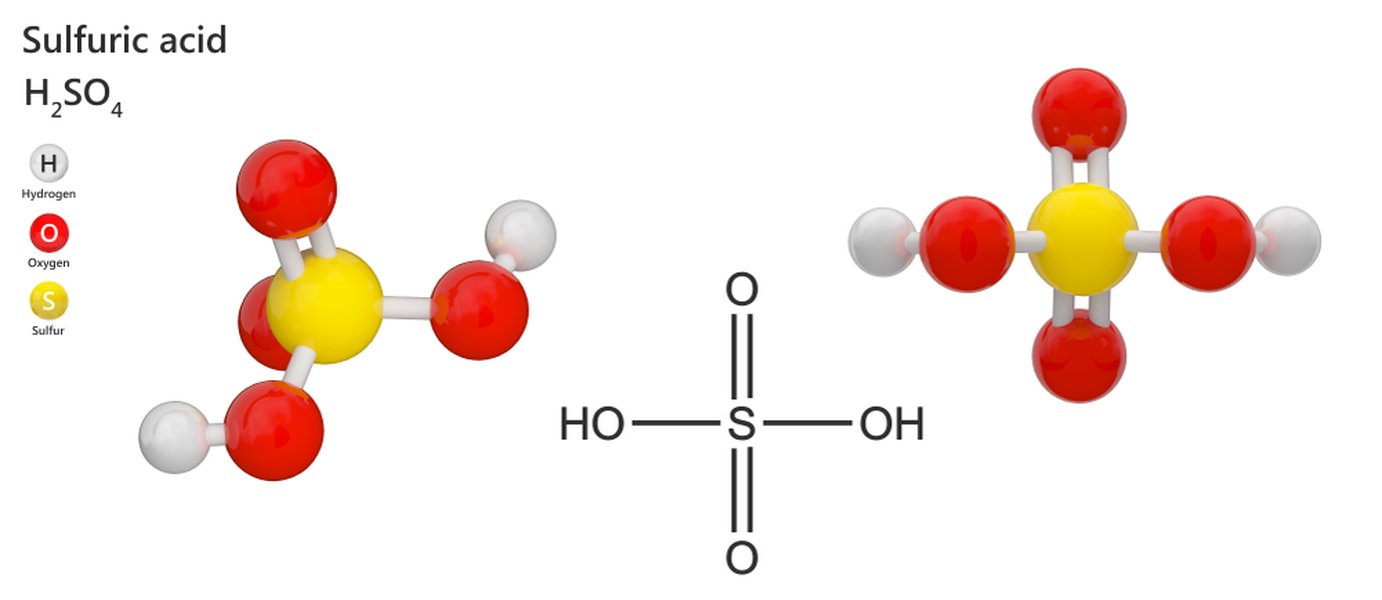
While this image shows Sulfuric Acid, understanding the structure of related sulfur-containing acids like Sulfamic Acid (H₃NSO₃), which is present in the user's solution, is important contextually. Sulfamic acid typically acts as a mild acid and buffering agent.
The Role of Sulfamic Acid
Sulfamic acid (H₃NSO₃) in the solution primarily acts to maintain an acidic environment. This acidity is generally beneficial for thiourea stability compared to neutral or alkaline conditions. It can help buffer the pH, preventing sharp increases that could accelerate thiourea decomposition. While sulfamic acid itself is not typically a strong oxidant for thiourea under mild conditions, its presence influences the overall chemical environment, particularly the pH, which is a critical factor.
Factors Governing Controlled Oxidation and Stability
Achieving selective oxidation while preserving thiourea requires meticulous control over several parameters.
pH Control: The Acidic Advantage
Why Acidity Matters
Thiourea exhibits significantly better stability in acidic solutions compared to alkaline ones. Decomposition rates increase rapidly at pH values above 7. Maintaining an acidic environment (pH 1-6) is paramount.
Optimal pH Range
While some specific reactions might occur at very low pH (e.g., formamidine disulfide formation below pH 1 when using H₂O₂), a range of pH 3-5 is often considered optimal for balancing stability and controlled oxidation in many applications, such as metal leaching. Sulfamic acid helps maintain this beneficial acidic range.
Oxidant Selection and Management
Choosing the Right Tool
The choice of oxidizing agent is critical. Strong oxidants (like chlorite or hypochlorous acid) can rapidly degrade thiourea, leading to unwanted desulfurization.
- Hydrogen Peroxide (H₂O₂): A common choice, but its reaction with thiourea must be carefully controlled (slow addition, monitored concentration) to prevent over-oxidation. The reaction pathway and products can be pH-dependent.
- Ferric Ions (Fe³⁺): Often used in acidic leaching processes. Fe³⁺ acts as a catalytic oxidant. Its concentration must be optimized (e.g., 1-5 g/L in some leaching contexts) and managed carefully, as it can accelerate thiourea consumption if not controlled. Monitoring the solution's oxidation-reduction potential (ORP) can be helpful.
- Other Options: Milder oxidants, controlled electrochemical oxidation at specific potentials, or even mediated oxidation using systems like specific cobalt complexes (oxygen scavengers) might be considered for specific applications, although these may introduce other complexities.
Controlled Addition
Regardless of the oxidant chosen, it should be added slowly and incrementally, allowing for controlled reaction rates and minimizing localized high concentrations that could trigger rapid decomposition.
Temperature: Keeping it Cool
Temperature significantly influences reaction kinetics, including decomposition rates. Studies indicate that thiourea degradation accelerates noticeably at temperatures above 35°C, especially in the presence of oxidants like Fe³⁺. Maintaining the solution temperature below 35°C, or at least at room temperature or slightly lower, is highly recommended to enhance stability.
Stabilizers: Adding a Protective Layer
In some cases, especially if conditions are challenging, adding chemical stabilizers can help protect thiourea.
- Sodium Sulfite (Na₂SO₃) / Sodium Silicate (Na₂SiO₃): Research, particularly in the context of gold leaching, shows these compounds can inhibit thiourea decomposition, possibly by scavenging reactive intermediates or competing in redox reactions. Their effectiveness might depend on the specific pH and oxidant system.
- Ammonium Bicarbonate: Used in some processes (like stabilizing thiourea dioxide) to neutralize excess acidity or aggressive oxidants like H₂O₂.
The use and concentration of stabilizers must be carefully evaluated to ensure they don't interfere negatively with the desired oxidation process.
Visualizing the Balance: Oxidation Factors
The interplay between factors influencing thiourea stability and the rate of oxidation is complex. This chart provides a conceptual overview of how different parameters might affect these two aspects. Higher values indicate a stronger positive influence on either stability or oxidation rate.
This visualization highlights the trade-offs: conditions favouring high stability (low temperature, mild oxidants, acidic pH) often correspond to slower oxidation rates, while conditions promoting rapid oxidation (high temperature, strong oxidants) severely compromise thiourea stability.
Mindmap: Navigating Thiourea Stability
This mindmap outlines the key considerations involved in maintaining thiourea stability during oxidation processes in the presence of sulfamic acid.
(with Sulfamic Acid)"] id1["Key Factors"] id1_1["pH Control"] id1_1_1["Optimal: Acidic (pH 3-5)"] id1_1_2["Avoid: Alkaline (pH > 7)"] id1_1_3["Sulfamic Acid Role (Buffering)"] id1_2["Temperature Control"] id1_2_1["Optimal: < 35°C"] id1_2_2["Avoid: High Temperatures"] id1_3["Oxidant Choice"] id1_3_1["Mild Oxidants (H₂O₂, Fe³⁺ controlled)"] id1_3_2["Avoid: Strong Oxidants (Chlorite)"] id1_3_3["Controlled Addition"] id1_4["Stabilizers"] id1_4_1["Na₂SO₃ / Na₂SiO₃"] id1_4_2["Ammonium Bicarbonate"] id2["Thiourea Properties"] id2_1["Structure (SC(NH₂)₂)"] id2_2["Sensitivity to Oxidation"] id2_3["Decomposition Pathways"] id2_3_1["Sulfenic/Sulfinic/Sulfonic Acids"] id2_3_2["Sulfate (SO₄²⁻)"] id2_3_3["Formamidine Disulfide"] id2_3_4["Hydrolysis (Alkaline)"] id2_3_5["Thermal Degradation"] id3["Process Control"] id3_1["Concentration Management"] id3_2["Monitoring (pH, ORP, HPLC)"] id3_3["Reaction Time"] id4["Applications Context"] id4_1["Metal Leaching (Ag, Au)"] id4_2["Cleaning Solutions (e.g., TarnX)"] id4_3["Chemical Synthesis"]
Optimizing Conditions: A Summary Table
Based on the discussed factors, here's a table summarizing recommended conditions for maximizing thiourea stability during oxidation alongside sulfamic acid.
| Factor | Optimal Condition | Rationale |
|---|---|---|
| Temperature | < 35°C (ideally) or Room Temperature | Minimizes thermal decomposition and slows down degradation kinetics accelerated by heat. |
| pH | 3 – 5 (Slightly Acidic) | Enhances thiourea stability compared to neutral/alkaline conditions; balances stability with reasonable oxidation rates. Sulfamic acid helps maintain this. |
| Oxidant Type | Mild / Controlled (e.g., H₂O₂, Fe³⁺, O₂, mediated) | Avoids rapid, uncontrolled breakdown and potential desulfurization caused by strong oxidants. |
| Oxidant Addition | Slow, controlled addition; monitor concentration | Prevents localized excess oxidant and allows for manageable reaction rates. |
| Stabilizers | Consider Na₂SO₃, Na₂SiO₃, or NH₄HCO₃ if needed | Can inhibit decomposition pathways by scavenging reactive species or neutralizing byproducts. Use judiciously based on specific system. |
| Ferric Ion (Fe³⁺) | Minimize concentration or exclude if possible | Fe³⁺ catalyzes thiourea oxidation; high concentrations lead to rapid consumption. If used, keep concentration low and monitor ORP. |
Recommended Step-by-Step Approach
Implementing these principles involves a structured approach:
- Preparation: Dissolve thiourea and sulfamic acid in the desired solvent (typically water). Start with appropriate concentrations based on the application.
- pH Adjustment: Ensure the solution pH is within the target acidic range (e.g., 3-5), using the inherent acidity of sulfamic acid or adjusting carefully with dilute acid/base if necessary.
- Temperature Control: Cool the solution to the desired temperature (e.g., below 35°C or room temperature) and maintain it throughout the process.
- Stabilizer Addition (Optional): If using stabilizers, add them at the appropriate concentration before introducing the oxidant.
- Controlled Oxidation: Gradually add the chosen mild oxidant (e.g., dropwise addition of H₂O₂ solution or controlled dosing of Fe³⁺ solution) while stirring continuously.
- Monitoring: Continuously monitor key parameters like temperature and pH. Analytical techniques (e.g., HPLC, UV-Vis spectroscopy, ORP measurement) can be used to track thiourea concentration and the formation of oxidation products, allowing the reaction to be stopped at the desired point.
- Termination & Handling: Once the desired degree of oxidation is achieved, stop the addition of the oxidant. If necessary, neutralize the solution or take steps to quench any remaining oxidant to prevent further reaction or decomposition during storage. Store the final solution under appropriate conditions (cool, dark, sealed) if needed.
Always perform such reactions in a well-ventilated area with appropriate personal protective equipment, as thiourea and some of its byproducts can be hazardous.
Contextualizing Oxidation: Reactions of Thiols
Understanding how sulfur compounds react is key. Thiols (R-SH), which share the reactive sulfur atom feature with thiourea (though in a different functional group), undergo various oxidation reactions. This video explains the oxidation of thiols to disulfides and sulfonic acids, providing analogous chemical principles relevant to the potential oxidation pathways of thiourea's sulfur atom.
Frequently Asked Questions (FAQ)
Why is thiourea so unstable during oxidation?
Thiourea's instability stems from its sulfur atom, which is readily oxidized. This initial oxidation can trigger a cascade of further reactions and rearrangements, leading to various intermediates (sulfenic, sulfinic acids) and eventual breakdown products (sulfates, formamidine disulfide). It is also susceptible to hydrolysis, especially under alkaline conditions, and thermal degradation.
What are the main decomposition products to avoid?
The goal is generally to avoid the complete breakdown of the thiourea molecule. Undesirable products include sulfate ions (SO₄²⁻), which represent full oxidation and loss of the original structure, and formamidine disulfide under certain conditions. Depending on the application, even the formation of intermediate sulfinic or sulfonic acids might be undesirable if the intact thiourea molecule is required.
Can sulfamic acid itself oxidize thiourea?
Sulfamic acid is primarily an acid and not a strong oxidizing agent under typical conditions relevant to thiourea solutions. Its main role is usually to provide and maintain an acidic environment, which, as discussed, is generally beneficial for thiourea stability compared to neutral or alkaline conditions. It's unlikely to be the primary oxidant responsible for significant thiourea breakdown unless under very extreme conditions not typically encountered.
Are there safety concerns?
Yes. Thiourea itself is considered hazardous and potentially carcinogenic. Its oxidation and decomposition products can also be hazardous. Always handle these chemicals with appropriate safety precautions, including gloves, eye protection, and adequate ventilation (fume hood recommended). Consult Safety Data Sheets (SDS) for detailed handling and disposal information.
References
- Fundamental study of the chemical stability and oxidation of thiourea in ferric media (UBC thesis) - University of British Columbia
- Effect of Stabilizer on Gold Leaching with Thiourea in Alkaline Solutions - MDPI
-
Oxidation reaction of thiourea by hydrogen peroxide: A theoretical study - ScienceDirect
- Oxidation of Thiourea and Substituted Thioureas - ResearchGate
- Thiourea Silver Leaching - 911 Metallurgist
-
Thiourea - an overview - ScienceDirect Topics
- Thiourea Information - Ataman Chemicals
Recommended Exploration
Last updated April 17, 2025