
Harnessing Pacific Socially Embedded Approaches in Research Communication
Discover culturally nuanced strategies for effectively sharing research findings with Pacific communities
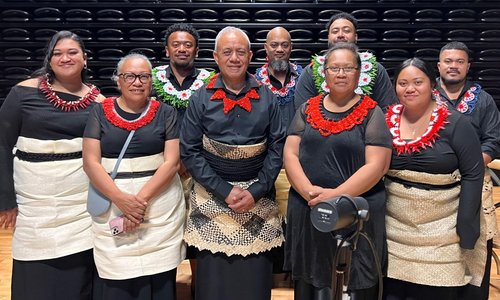
Key Highlights
- Cultural Sensitivity and Respect: Emphasizing deep understanding of local customs, languages, and social hierarchies.
- Community Engagement and Participation: Involving local leaders and community members from conceptualization through dissemination.
- Traditional Methods and Relational Ethics: Utilizing methodologies like Talanoa and Teu Le Va to build reciprocal and trustworthy relationships.
Introduction
Pacific communities are rich with cultural heritage, language, and traditions that have been nurtured for generations. In the context of research communication, adopting Pacific socially embedded approaches is essential. These methods ensure the communication of scientific and academic findings is both culturally respectful and accessible. By merging community engagement, traditional storytelling, and relational ethics, researchers can transform data into narratives that are not only informative but also meaningful and empowering for Pacific communities.
Cultural Sensitivity and Respect
Understanding the Cultural Landscape
Cultural sensitivity is the foundation of communicating research findings in Pacific communities. Researchers must take time to deeply understand the cultural norms, values, and beliefs inherent within these groups. Key aspects include:
- Indicative Traditions: Pacific communities often have strong oral traditions. Researchers should utilize local languages and storytelling practices to ensure ideas are conveyed in ways that resonate with community members.
- Respecting Hierarchies: Noticing social hierarchies, gender roles, and traditional powers is critical. Tailoring communication to reflect these roles demonstrates respect and builds trust.
- Embracing Locally Meaningful Concepts: Concepts such as the notion of the "vā" (the relational space) and spiritual connections inform how Pacific communities view interpersonal interaction and research, emphasizing the need for culturally embedded methodologies.
Traditional Communication Methods
In Pacific societies, traditional methods of communication, such as oral storytelling, play an important role. For instance, the Talanoa method—a traditional practice of dialogue and storytelling—transcends mere data sharing. Instead, it fosters genuine and respectful communication through narrative.
- Talanoa: This method creates a space for open dialogue where the researcher and community members can exchange stories, insights, and experiences openly. It ensures that findings are relayed in an engaging manner that underscores lived experiences.
- Teu Le Va: Related to Talanoa, Teu Le Va emphasizes maintaining a respectful relational space between the researcher and the community. This practice requires recognising power dynamics and ensuring that community voices are prioritized and valued.
Community Engagement and Participation
Creating Collaborative Partnerships
A core principle of Pacific socially embedded approaches is the involvement of community members throughout the research process. From the early stages of conceptualisation to the communication of findings, establishing collaborative partnerships is vital.
- Co-Creation of Research Agenda: Engage community leaders, elders, and local influencers as partners in the research process. Their input can drive research questions and outcomes that are tailored to local needs.
- Feedback Loops and Dialogues: Establish continuous feedback loops, allowing community members to respond to preliminary findings. This two-way dialogue ensures that communicated findings accurately represent local perspectives.
- Empowerment Through Participation: Involving locals not only as participants but also as co-researchers ensures the community benefits from—and takes ownership of—the research process. Such practices promote mutual respect and facilitate more genuine communication.
Visual and Oral Presentation Techniques
Given the cultural emphasis on oral traditions and community gatherings, the mode of presentation is as significant as the content. Researchers are encouraged to employ storytelling methods and integrate visual aids for clarity and engagement.
- Visual Aids: Use culturally resonant imagery, infographics, and local art forms to represent data effectively. Visual representations help distil complex research findings into more tangible narratives.
- Oral Narratives and Storytelling: Techniques such as "talk story," where informal and detailed dialogues convey findings, enhance understanding and facilitate community acceptance.
- Incorporating Local Languages: Direct use of native languages ensures the nuances of research are preserved, reducing risks of misinterpretation. It also affirms the community's cultural identity in the research dialogue.
Relational Ethics and Power Dynamics
Fostering Trust and Reciprocity
The ethical dimension of engaging Pacific communities extends beyond following conventional research ethics. It demands an intrinsic respect for relational values:
- Ethical Reciprocity: Research should not be a one-way extraction of information but a reciprocal exchange where community well-being is prioritized. This respects the cultural imperative of sharing and mutual support.
- Addressing Power Imbalances: The inherent power differentials between researchers and participants must be acknowledged. Using practices like reflexivity and critical self-assessment, researchers can mitigate these imbalances by ensuring they become partners rather than authoritative figures.
- Relational Ethics: Rooted in the concept of the "vā," relational ethics demand that every interaction preserves the sacredness of the research relationship. Emphasising empathy, understanding, and respect ensures the community feels valued and their traditions upheld.
Practical Steps to Embed Relational Principles
Implementing relational ethics in research communication involves deliberate practices that foster inclusion and trust:
- Shared Decision Making: Involve community representatives in decision-making processes regarding how and when findings are shared.
- Transparent Communication: Maintain clarity in the methods and intentions of the research process so that all parties are aware of how findings were derived and can trust the process.
- Participatory Workshops and Gatherings: Organise community meetings that are not just formal presentations but interactive sessions where dialogue is encouraged and community knowledge is celebrated.
Practical Application: Strategies and Best Practices
Overview Table of Pacific Socially Embedded Communication Approaches
| Approach | Key Elements | Benefits |
|---|---|---|
| Talanoa |
|
|
| Teu Le Va |
|
|
| Community Engagement |
|
|
| Use of Visual and Oral Media |
|
|
Step-by-Step Communication Strategy
Integrating Pacific socially embedded approaches requires thoughtful planning and execution. Below is a step-by-step guide to ensuring that research findings are communicated effectively:
- Preliminary Engagement:
- Meet with key community leaders and elders to discuss the research goals and determine culturally acceptable methods of engagement.
- Conduct preliminary workshops to understand community needs and identify the preferred modes of communication, whether oral, visual, or written.
- Co-Design of Research Communication:
- Collaboratively develop research communication materials with community input, ensuring that language and presentation style are aligned with local traditions.
- Decide on the use of storytelling methods, shared gatherings, and visual aids.
- Implementation of Communication Tactics:
- Utilize Talanoa sessions to present research findings in an interactive forum where dialogue is encouraged.
- Implement Teu Le Va principles by ensuring every communication event maintains a respectful and balanced interaction between researchers and community members.
- Feedback and Iteration:
- Establish feedback loops through follow-up sessions with community representatives.
- Adapt communication strategies based on the responses and suggestions received from community members, ensuring the final dissemination of findings is well understood and accepted.
- Documentation and Shared Ownership:
- Create documentation of the research process and findings using methods agreed upon—with the community’s oversight—to ensure transparency and collective ownership.
- Disseminate research outcomes via community-centered publications, local media, or digital platforms that the community regularly accesses.
References
-
PMC Article - NCBI
- Research on Pacific Community Engagement - SAGE Journals
- Communicating Culture in Research - Taylor & Francis
- Recent Advances in Pacific Research Methodologies - Taylor & Francis
- Pacific Research Methodologies and Ethics - ResearchGate
Recommended Related Queries
Last updated March 28, 2025