
Balancing Preservation and Modernization at Paco Park
Strategies to Enhance a Historic Landmark as a Premium Tourist Destination
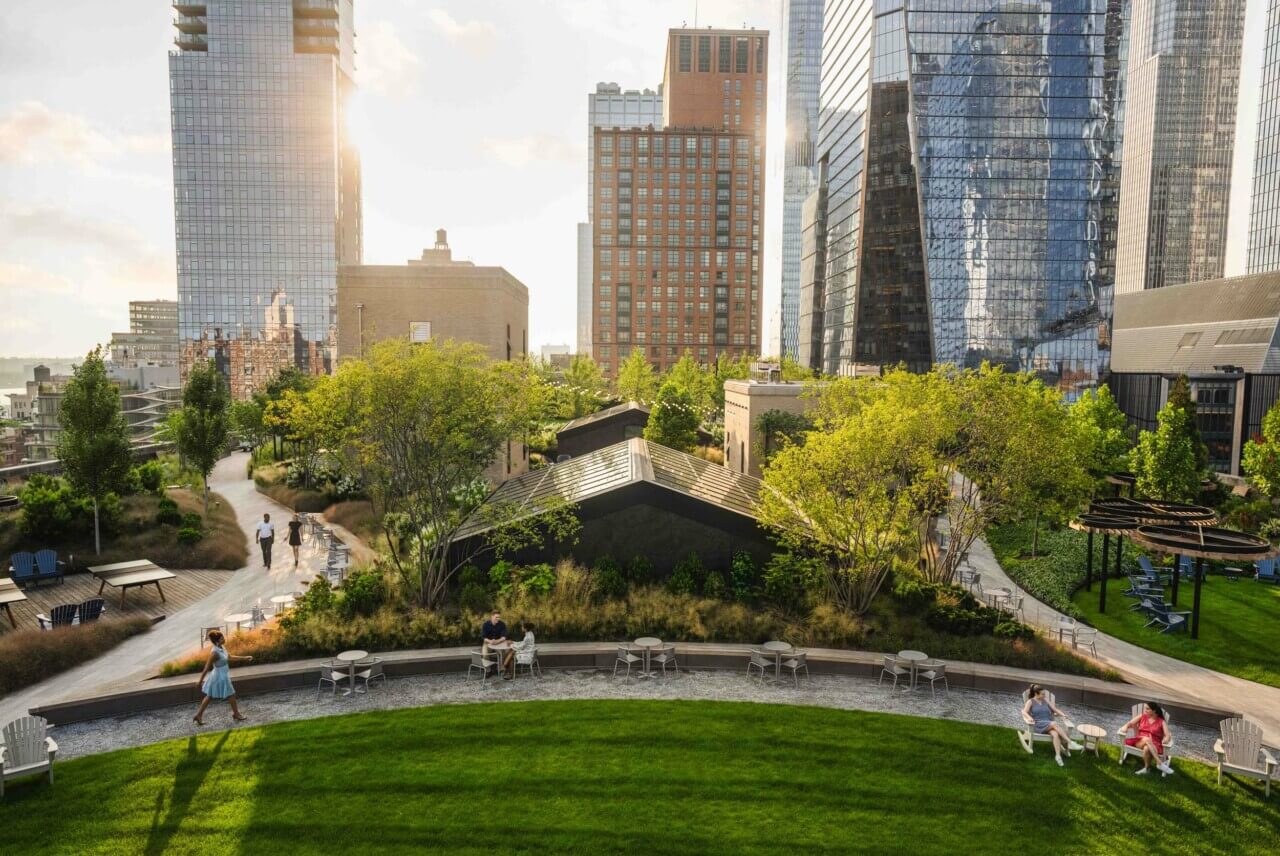
Highlights
- Heritage Preservation: Maintain historical significance and traditional architecture.
- Modern Infrastructure: Integrate modern amenities and sustainable technologies.
- Community and Cultural Engagement: Foster a collaborative approach with locals and immerse visitors in Filipino culture.
Overview of Paco Park
Paco Park is a unique historical site in Manila that has evolved over the centuries, transitioning from the Cementerio General de Dilao to a cherished national park. Recognized as a national cultural treasure, the park is steeped in rich history—its origins dating back to the Spanish colonial period—and is home to notable architectural features and natural elements such as century-old trees and iconic chapels.
The park’s historical past, combined with its potential for modern redevelopment, makes it an ideal case study for balancing the need to preserve its heritage while integrating modern amenities. Redevelopment strategies must carefully balance historical conservation with the introduction of contemporary tourist facilities to promote economic vitality without compromising the park’s cultural identity.
Preservation Strategies
1. Historical Integrity and Architectural Conservation
A primary objective in redeveloping Paco Park is to ensure that its historical integrity has not only been maintained but also enriched. Preservation strategies should focus on retaining and restoring original architectural features, such as the circular layout, niches, the century-old trees, and heritage structures like the Saint Pancratius Chapel. Conservation methods can include careful restoration techniques that utilize sustainable materials tailored to mirror the originals, while adhering to modern building and safety standards.
Adaptive Reuse
Central to preserving historical integrity is the adaptive reuse of existing structures. Instead of demolishing old buildings, these structures can be repurposed for modern functions. For instance, repurposing former resting places or administrative buildings into spaces such as cafes, galleries, or small museums can offer both preservation of historical fabric and economic stimulation. Adaptive reuse helps maintain the park’s unique character, while also breathing new life into the aging structures.
Community Involvement in Heritage Preservation
Involving local communities is vital in ensuring that the redevelopment process honors the collective memory and cultural significance of Paco Park. Engagement initiatives like heritage campaigns, educational programs, and interactive tours can educate the public on the park’s storied past. In addition, participation in restoration projects fosters a sense of ownership among the community, ensuring sustained public interest and support for long-term preservation efforts.
2. Sustainable Restoration Practices
Sustainable restoration is achieved by integrating environmentally friendly methods with traditional conservation techniques. The objective is to protect Paco Park’s natural and architectural heritage while minimizing environmental impact. This approach includes:
- Utilizing locally sourced, eco-friendly materials in restoration work.
- Employing energy-efficient lighting and water conservation strategies that align with modern environmental standards.
- Implementing conservation measures for trees and landscaped areas that not only preserve nature but also enhance the overall aesthetics of the park.
By embracing sustainable restoration, Paco Park can be modernized in a way that complements its historical narrative while meeting contemporary ecological and regulatory requirements.
Modernization Strategies
1. Infrastructure Development and Enhanced Visitor Experience
Modernization at Paco Park does not necessitate abandoning its heritage; rather, it is about integrating infrastructure that elevates the visitor experience. Key strategies include:
Modern Amenities
Introducing amenities such as improved restrooms, seating areas, and upgraded pathways can make the park more accessible and comfortable for visitors. These updates ensure that tourists can explore the site with ease while upholding the park’s historical ambiance. For instance, modern installations must be sensitively designed to blend with the park’s historic environment rather than clash with the original design.
Innovative and Sustainable Technologies
Integrating green technologies is essential for a project that aims to be both modern and sustainable. Technologies such as:
- Solar-Powered Lighting: Reduce the environmental impact of nighttime illumination while enhancing the beauty of the park’s historic structures.
- Energy-Efficient Systems: Modern HVAC and water management systems that support maintenance of historic sites while reducing energy consumption.
- Advanced Security Systems: Integrated surveillance and visitor tracking systems that respect both privacy and historical aesthetics.
2. Master Planning and Integration
A comprehensive master plan that synergizes modern functionalities with historic preservation is critical. This involves careful planning to incorporate modern design elements such as:
- Sensitive integration of modern structures with existing heritage assets.
- Development of multifunctional spaces that serve as event venues, exhibition areas, and cultural hubs.
- Improvement of accessibility with ADA-compliant pathways and facilities.
Infrastructure Upgrades and Visitor Facilities
Upgrading visitor facilities is paramount to sustaining the appeal of Paco Park as a premium tourist destination. Proper signage, interactive information panels, and digitally enhanced wayfinding systems can enrich visitor experiences. Furthermore, infrastructure developments such as modern stormwater management systems using native, drought-tolerant vegetation can help maintain the park’s landscape integrity.
Event and Cultural Programming
Modernization also means enriching the park’s cultural offerings. By developing a dynamic calendar of events including classical concerts, art exhibitions, and culinary festivals, Paco Park can highlight its historical legacy through cultural programming. These events not only celebrate Filipino traditions but also attract a diverse audience, from local communities to international tourists, thereby supporting the park’s economic revitalization.
Integrative Approach: Balancing Both Worlds
1. Integrated Planning and Execution
The redevelopment of Paco Park is most successful when preservation and modernization are integrated into one cohesive master plan. This plan should address:
- Combined Design Efforts: Involvement of architects, urban planners, historians, and community stakeholders ensures that both historical preservation and modern amenities are considered in the planning process.
- Economic and Social Sustainability: Projects should open pathways for local business opportunities and job creation, ensuring that modernization benefits the surrounding community while preserving cultural heritage.
- Phased Implementation: A step-by-step approach that allows for evaluation of preservation efforts and modern renovations can help avoid overhauls that may compromise historical elements.
2. Case Study: A Comparative Analysis
Examining similar projects, such as the renovation of Paco Market, offers valuable insights. In these projects, developers balanced modern functional requirements with historical aesthetics by refining the building's facade and selectively introducing modern interior layouts. Although critiques exist regarding superficial modernizations, they underline the importance of thorough, sensitive integration of modern systems with traditional designs.
Incorporating lessons from other historical redevelopments can guide Paco Park towards a balanced outcome, ensuring that modern installations do not overshadow legacy structures. Strategies from successful projects include comprehensive community involvement, sustainable design practices, and adaptive reuse initiatives that serve both preservation and modernization objectives.
Comparative Analysis Table
| Aspect | Preservation Strategies | Modernization Strategies |
|---|---|---|
| Architecture | Restoration of original structures; adaptive reuse of existing buildings | Integration of innovative design; careful installation of modern facilities |
| Sustainability | Use of eco-friendly materials in restoration; sustainable preservation methods | Energy-efficient lighting; green technologies such as solar power |
| Community Engagement | Involving locals in heritage campaigns and educational programs | Enhanced visitor amenities and culturally immersive events |
| Infrastructure | Preservation of historical pathways and landscape | Modern amenities including ADA-compliant design and improved signage |
Economic and Social Considerations
1. Boosting Local Economy
Modernizing Paco Park as a premium tourist destination can create numerous economic opportunities for the local community. The introduction of cafes, boutiques, event spaces, and art galleries not only diversifies the park’s functions but also stimulates local business growth. Creating venues for cultural events ensures continuous foot traffic and enhances revenue generation, benefitting both public and private sectors.
2. Enriching the Visitor Experience
Visitors to Paco Park are likely to appreciate the carefully balanced blend of history and modern amenities. Through smart urban planning, tourists can enjoy immersive narratives of the park’s past combined with the conveniences expected in contemporary tourist destinations. Digital installations, interactive displays, and augmented reality experiences can serve as educational tools that provide context about the park’s history while offering modern convenience.
3. Fostering Cultural Identity
An essential element in the redevelopment process is ensuring that modernization does not marginalize the park’s cultural significance. By hosting cultural festivals, art exhibitions, and historical reenactments, Paco Park can preserve Filipino traditions and identity. Programs designed to educate visitors about the park’s origins and its evolution can offer deeper appreciation and respect for local history.
Implementation Strategies
1. Comprehensive Master Planning
Effective implementation requires a comprehensive master plan that incorporates all preservation and modernization elements. This plan should:
- Outline a phased approach to redevelopment, ensuring short-term improvements support long-term historical and cultural goals.
- Include stakeholder analysis that gathers input from architects, historians, local communities, and government agencies.
- Detail economic projections to ensure that modern amenities will spur sustainable tourism while preserving the local identity.
2. Public-Private Partnerships
Collaboration between public entities such as the National Parks Development Committee and private developers can accelerate the redevelopment process. Public-private partnerships (PPPs) are instrumental in securing funding, implementing state-of-the-art technologies, and ensuring that modernization initiatives do not detract from the park’s historical value.
3. Ongoing Monitoring and Adaptive Management
After implementation, continuous monitoring and adaptive management practices are essential. Regular assessments of structural integrity, visitor satisfaction, and economic impact can guide further modifications. By implementing feedback loops and updating restoration techniques as needed, the park can evolve organically while remaining true to its historical character.
Technological Integration and Safety
1. Incorporation of Digital Technologies
Modern digital technologies can be seamlessly woven into the fabric of Paco Park’s design. Interactive digital kiosks, mobile applications providing guided tours, and augmented reality experiences offer potential visitors a chance to explore the park’s extensive history at their own pace. These digital interventions must be implemented in a way that is discreet and complementary to the historical ambiance.
2. Enhancing Visitor Safety
Visitor safety is a critical component, particularly in historical sites with uneven surfaces and aged structures. Integration of subtle yet effective security solutions such as ambient lighting, modern surveillance systems, and clear signage contributes to both the aesthetics and safety of the environment. These improvements ensure that all visitors, including those with disabilities, can enjoy the park securely.
Additional Considerations
1. Branding and Identity
Building a strong, coherent brand identity for Paco Park is crucial in promoting it as a premium tourist destination. The marketing strategy should highlight its unique blend of history, architecture, and natural beauty, while also promoting its modern amenities. Branding efforts can include curated storytelling through digital media and local folklore, emphasizing how the park serves as a bridge between the past and the future.
2. Inclusive Design
Adopting inclusive design policies ensures that the park is welcoming to all. This involves designing spaces that are approachable for people of all ages and abilities, including those with mobility challenges. Attention to universal design elements—such as tactile guides, accessible pathways, and multilingual interpretative materials—ensures that every visitor feels accommodated and valued.
3. Alignment with Tourism Trends
The global tourism landscape is increasingly focused on culturally immersive and sustainable travel experiences. Paco Park’s transformation into a premium destination should align with these trends by offering experiences that educate while entertaining, present history in immersive formats, and emphasize sustainable practices that respect both cultural legacy and the environment.
References
- Paco Park - Wikipedia
- Paco Park | National Parks Development Committee
- Organizations, Communities Unite to Preserve Paco Park - Rappler
- WLI Philippines Hosts A Design Competition for Paco Park - BluPrint
- Historic Preservation vs Modernization in Architecture - Fenner-Esler
Recommended Related Queries
Last updated March 8, 2025