
Understanding Palabok Calories
A Deep Dive into the Nutritional Profile of Traditional Filipino Pancit Palabok
Key Insights
- Nutritional Variations: Calorie counts can range significantly depending on recipe specifics and serving sizes.
- Portion Sizes Matter: Standard servings, fast-food versions, and homemade recipes offer diverse nutritional profiles.
- Macronutrient Composition: Carbohydrates, fat, and protein percentages differ across various renditions, affecting overall calorie counts.
An Overview of Palabok
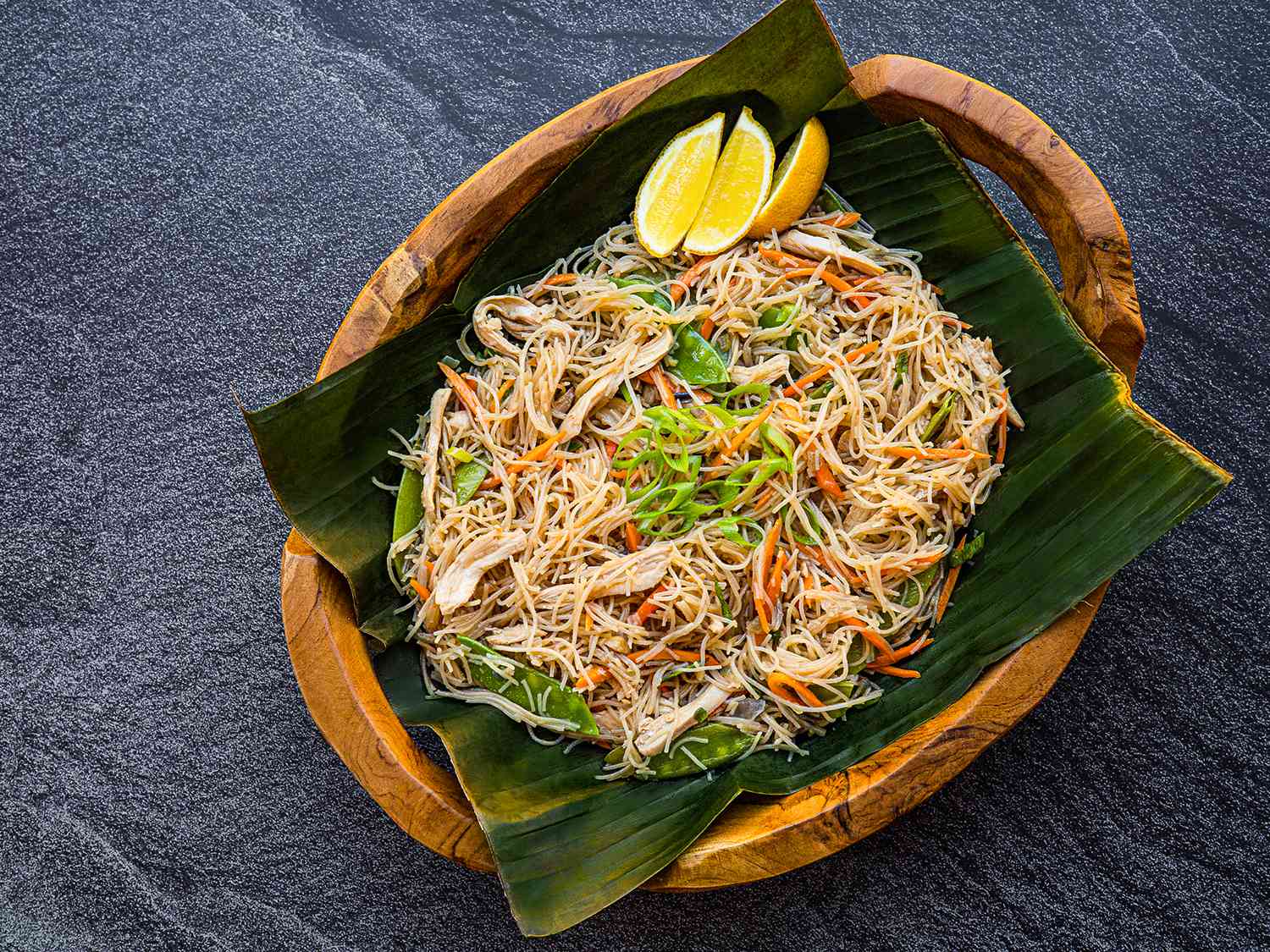
Palabok, a traditional Filipino noodle dish, is celebrated for its savory sauce and rich toppings. The dish is typically prepared using rice noodles adorned with a bright orange annatto sauce, which is often derived from shrimp broth, garlic, and a blend of spices. Classic toppings include shrimp, boiled eggs, chicharon (crispy pork cracklings), and green onions, which together add layers of texture and flavor. However, due to regional variations and personal twists on recipes, the calorie content as well as the overall nutritional profile of Palabok can vary widely.
Traditional vs. Modern Variations
Traditional homemade versions of Palabok often differ from those offered by fast-food restaurants or commercial bakeries. Traditional recipes might include more natural broth and a broader range of toppings, which can sometimes result in a larger calorie count due to the inclusion of rich ingredients like pork chicharon and additional shrimp. In contrast, modern fast-food adaptations, designed for balanced portions and possibly lower fat content, might have a calibrated calorie count to appeal to health-conscious consumers.
Caloric Breakdown and Serving Sizes
One of the most discussed aspects of Palabok is its calorie content; however, it is important to understand that these values heavily depend on serving size and the specific recipe used. Consider the following examples:
Standard Serving
A standard serving of Palabok, typically representing the traditional culinary preparation, is often reported to be around 410 to 412 calories. This serving usually incorporates approximately:
- 49 grams of carbohydrates
- 15 grams of fat
- 20 grams of protein
This nutritional split underscores the dish’s rich combination of starchy noodles, flavorful sauces, and protein-packed toppings.
Fast-Food Variants
Popular fast-food chains have introduced their own versions of Palabok, which might slightly adjust the nutritional composition to fit portion control or specific dietary guidelines. For instance, a well-known fast-food chain’s version of Pancit Palabok typically registers around 305 calories per plate. The breakdown for these servings often includes:
- 39 grams of carbohydrates
- 9 grams of fat
- 17 grams of protein
The reduction in overall calories in these versions is often attributed to a lighter sauce and fewer additional toppings, aiming for a balance between traditional taste and health considerations.
Homemade Recipes
When making Pancit Palabok at home, the calorie content can vary dramatically based on the ingredients and the method of preparation. Depending on additional meats, extra servings of shrimp, and the use of oil or butter in the sauce preparation, the calorie count may escalate. Some homemade recipes have been reported to reach nearly 978 calories per serving if extra indulgent ingredients and larger portions are used. This wide range highlights the culinary creativity and flexibility associated with this iconic dish.
Summary of Serving Comparisons
| Preparation Method | Serving Size Details | Calorie Count | Macronutrient Breakdown |
|---|---|---|---|
| Traditional/Standard Palabok | Approximately 1 serving (around 1 cup or 235-250 grams) | 410 - 412 calories | ~49g Carbs, 15g Fat, 20g Protein |
| Fast-Food Version (e.g., Jollibee) | 1 plate | 305 calories | ~39g Carbs, 9g Fat, 17g Protein |
| Homemade Variants | Varies based on ingredients | Varies widely (320 - 978 calories or higher) | Depends on additional toppings and preparation methods |
Detailed Nutritional Considerations
A nutritional analysis of Palabok reveals that the calorie contents are primarily influenced by macronutrients – carbohydrates, fats, and proteins. Each of these components plays a different role:
Carbohydrates
Rice noodles serve as the primary carbohydrate source in Palabok. Carbohydrates provide the body's main source of energy, and in this dish, they contribute significantly to the overall calorie count. With a carbohydrate content ranging near 49 grams in a standard serving, these noodles not only fulfill energy requirements but also influence the texture and consistency of the sauce.
Fats
Fats in Palabok are predominantly introduced through the sauce, which often contains a blend of oil, broth, and occasionally animal fats from toppings like shrimp or pork. Fat is a dense source of energy, contributing 9-15 grams per serving, depending on the recipe. While fats are essential for flavor and satiety, they are also the most calorie-dense macronutrient. This is why even slight adjustments in the amount of fat-rich ingredients can lead to significant changes in the dish's overall calorie count.
Proteins
The protein content in Palabok comes largely from toppings such as shrimp, hard-boiled eggs, and sometimes even additional meat like pork. Protein is fundamental for muscle repair and growth. A standard serving typically provides around 17-20 grams of protein, making it a balanced meal particularly when paired with adequate carbohydrates and fats.
The Role of Ingredients in Calorie Variation
Each ingredient in the recipe adds a unique dimension to the nutritional profile of Palabok. For example, using more shrimp or egg can elevate protein content while also slightly increasing caloric input. Similarly, if the recipe includes a generous drizzle of annatto-infused oil or a higher proportion of chicharon, the fat content may rise, thereby increasing the serving’s total calorie count. Consequently, subtle modifications in the recipe—in portion size or ingredient substitutions—can lead to notable differences in the nutrition information provided.
Comparing Diverse Palabok Recipes
Even though the fundamental components of Palabok remain identical, several factors can influence the recipe’s energy profile. These include:
Ingredient Quality and Quantity
High-quality fresh ingredients tend to enrich the flavor profile while also potentially affecting the nutritional values. For instance, the quantity of oil used in preparing the annatto sauce or the exact measure of shrimp broth can lead to variations in calorie counts. Culinary enthusiasts often experiment with these variations to create a version that balances authenticity with personal dietary preferences.
Cooking Techniques
The method of cooking can influence both texture and nutritional outcomes. For example, preparing toppings like chicharon can involve deep frying, which increases fat content. In contrast, steaming some ingredients might retain their nutritional characteristics without adding excessive calories. These techniques allow chefs to either modify or maintain the dish’s caloric makeup according to personal tastes or nutritional guidelines.
Portion Sizes
As is typical with many culinary dishes, the serving size plays a pivotal role in determining the overall calorie consumption. Many restaurants might offer a standardized portion which is meticulously calculated for a balanced meal. On the other hand, a home-cooked meal might feature larger servings, leading to a higher combined calorie count if multiple portions are consumed at once.
Simplified Comparison Table
| Version | Approximate Calories | Carbs (g) | Fats (g) | Proteins (g) |
|---|---|---|---|---|
| Traditional Palabok | 410 - 412 | ~49 | ~15 | ~20 |
| Fast-Food Variant | 305 | ~39 | ~9 | ~17 |
| Enhanced Homemade Version | Varies (up to 978+) | Depends on recipe | Varies based on toppings | Varies based on ingredients |
Practical Implications for Diet and Lifestyle
For those concerned about dietary intake or managing calorie consumption, understanding the variability in Palabok's nutritional information is critical. Individuals who enjoy this beloved dish can adjust ingredients or serving sizes to better fit into their dietary goals. For instance, home cooks may decide to reduce oil quantities or substitute certain toppings with lower-fat alternatives. Similarly, patrons at fast-food venues have the advantage of standardized nutritional data, which aids in making informed choices.
Tailoring the Dish for Health
In recent years, chefs and nutritionists have worked together to modernize classic dishes without sacrificing flavor. In the realm of Palabok, this can involve:
- Using lean proteins like extra shrimp or white meat while moderating or eliminating pork-based toppings.
- Incorporating whole-grain or alternative noodles as a healthier carbohydrate source.
- Experimenting with natural fats, such as olive or avocado oil, to balance calorie density without losing taste.
- Increasing the proportion of vegetables to add fiber and essential vitamins.
These modifications not only improve the dish’s health profile but also offer culinary enthusiasts the opportunity to create a fusion version that retains its cultural significance and flavor.
Calorie Management Strategies
When managing your diet, knowing the calorie details of dishes like Palabok empowers you to choose wisely. People managing their caloric intake can benefit from:
- Pre-measured servings offered by commercial kitchens.
- Homemade versions with clearly calculated ingredients where you have control over the nutritional content.
- Having reference values available for fast-food or restaurant versions to plan an overall daily calorie budget.
By understanding not only the calorie counts but also the macronutrient distribution, diners can incorporate Palabok into balanced meal plans that account for daily nutritional needs.
Cultural and Culinary Significance of Palabok
Beyond its nutritional aspects, Palabok holds a special place in Filipino culinary heritage. It is more than just a meal; it is a celebratory dish often enjoyed during gatherings, fiestas, and special occasions. The process of preparing Palabok is a communal activity in many households, passed down through generations. Its rich flavor profile and the ritual of crafting the sauce and toppings reflect the broader cultural ethos and history of the Philippines.
Traditional Techniques and Modern Adaptations
Traditional techniques in preparing Palabok emphasize slow-simmered sauces and specialized ingredient combinations that have been refined over time. These methods ensure that each component—be it the noodles, sauce, or toppings—contributes harmoniously to the final dish. With the advent of modern culinary practices, many chefs now adapt these time-honored recipes to suit contemporary tastes while respecting the original flavors. This blend of tradition and innovation often influences not only the tasting experience but also the nutritional metrics of the dish.
Real-World Impact and Enjoyment
When prepared with care, Palabok transcends its status as a simple noodle dish to become a reflection of cultural identity and culinary artistry. Food enthusiasts around the globe appreciate it not only for its flavorful complexity but also for its potential adaptability to modern nutritional standards. From festive tables in local households to trendy fusion restaurants, the variations in Palabok continue to spark discussions among culinary critics and home chefs alike.
Integrating Caloric Data into Everyday Choices
The detailed breakdown of calories and macronutrients provides a useful tool for daily meal planning. Whether you are following a strict nutritional regimen or simply enjoy the occasional indulgence, having transparent information about dishes like Palabok can help you balance tradition with health. Being informed about the energy contributions of each component of the dish allows you to make adjustments in other meals for a well-rounded diet.
Practical Usage of Caloric Information
For those tracking their calorie intake, comparing different versions of Palabok can inform better dining decisions. For example:
- If you are dining out and want to minimize calorie intake while still enjoying the dish, opting for a fast-food version can offer a balanced meal at around 305 calories.
- For a more indulgent experience that supports social and family gatherings, traditional or homemade versions might be preferable, albeit with a higher calorie count.
- If managing dietary health is a priority, preparing a customized version at home affords the best opportunity to control ingredient quantities and nutritional balance.
These considerations empower you to incorporate Palabok into your lifestyle without compromising personal dietary goals.
Dietary Science and Meal Customization
Nutrition science indicates that the balance of macronutrients is essential for maintaining energy levels and supporting bodily functions. With Palabok serving as a source of complex carbohydrates, moderate fats, and quality proteins, understanding its nutritional breakdown helps in customizing meals to fuel various activities, from daily routines to athletic endeavors. The detailed caloric data can be integrated into dietary apps or home-cooked recipe modifications to enhance overall meal planning.
Resources and Further Reading
For those interested in delving deeper into the nutritional facts, several reputable online resources provide detailed calorie information and general overviews about Pancit Palabok. These resources include nutritional diaries, food tracking websites, and official restaurant pages. They not only offer calorie counts but also provide insights into macronutrient breakdowns and ingredient variations that help in understanding how modifications in recipes can impact overall health.
- Calories in Palabok - MyNetDiary
- Jollibee Pancit Palabok - FatSecret
- Palabok Nutrition - SnapCalorie
- Palabok Fiesta - Nutritionix
- Red Ribbon Pancit Palabok - Red Ribbon Bakeshop
Recommended Related Queries
Exploring further aspects of Filipino cuisine and nutritional breakdowns can enrich your understanding of traditional dishes. Consider trying the following searches for deeper insights:
Last updated March 4, 2025