
Narrative Report on the Growth of Our Palay
A comprehensive overview of soil nutrients, biological factors, and crop management
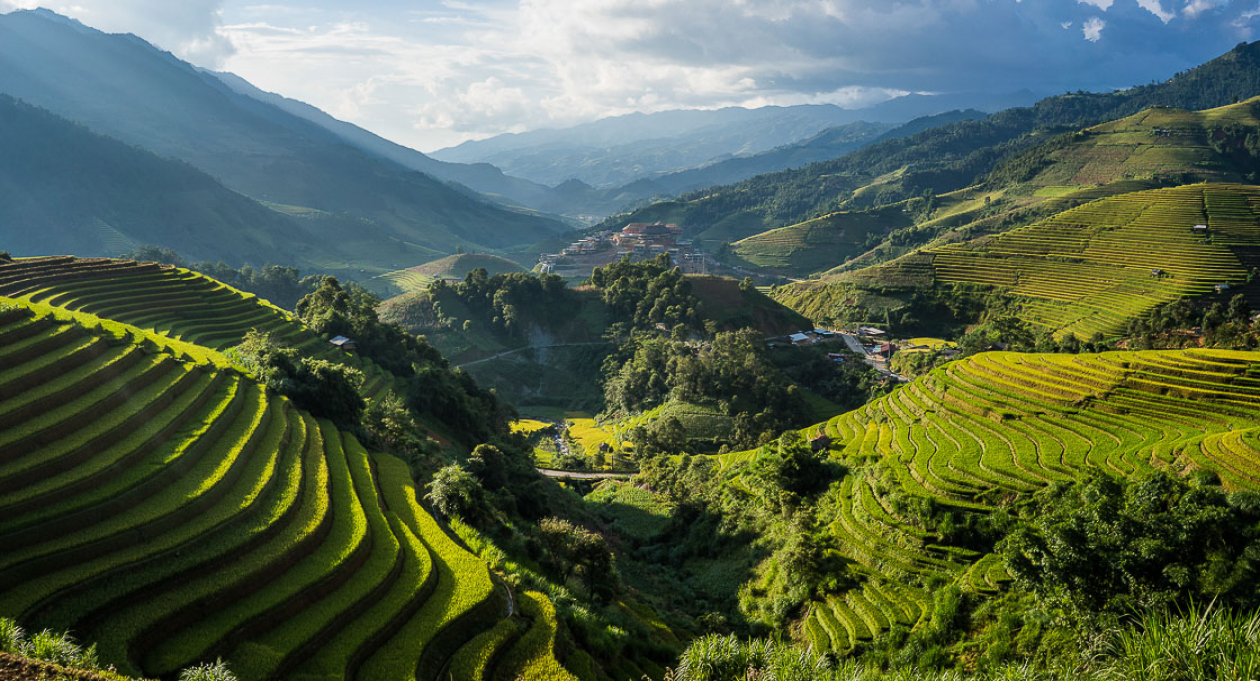
Highlights
- Balanced Nutrient Management: Detailed analysis of soil nutrient content ensuring adequate N, P, and K levels.
- Robust Biological Indicators: In-depth observation of beneficial microorganisms and pest control measures.
- Integrated Crop Management: A synthesis of traditional and modern practices ensuring sustainable palay growth.
1. Introduction
Planting palay in December 2024 provided us with a unique opportunity to document and evaluate the performance of our rice crop under varying agricultural practices. As a vital staple crop, palay not only sustains food security but also represents the intersection of natural soil fertility and dedicated crop management. This narrative report outlines the crucial elements which influence the growth of palay: soil nutrient content, biological factors, and structured crop management practices, aiming to provide insights for long-term sustainable agriculture.
2. Report
2.1 Nutrient Content of Soil
Soil Analysis and Nutrient Management
A comprehensive soil analysis was carried out before the December 2024 planting, establishing a baseline for the nutrients required for optimum palay development. Our soil tests indicated the presence of primary macronutrients, namely nitrogen (N), phosphorus (P), and potassium (K), which are vital for promoting vigorous vegetative growth, robust root development, and efficient grain production. The soil also contained essential micronutrients that support various physiological functions in rice plants.
Initially, a pH range of approximately 6.2 to 6.5 was recorded, which is ideal for rice cultivation. As rice plants thrive best in slightly acidic to neutral soil conditions, farmers managed the application of organic matter to keep the pH stable and to improve soil structure. Organic amendments such as composted farmyard manure were integrated with chemical fertilizers to enhance nutrient availability and improve water retention capacity.
Nutrient Monitoring Table
The following table summarizes critical nutrient parameters of the soil during the growth period:
| Nutrient | Initial Level | Mid-Growth Level | Recommended Range |
|---|---|---|---|
| Nitrogen (N) | High | Moderate | Optimal for vegetative growth |
| Phosphorus (P) | Adequate | Requires replenishment | Supports root and seed development |
| Potassium (K) | Stable | Stable | Ensures overall plant health |
Continuous soil testing allowed us to avoid nutrient depletion especially from nitrogen and phosphorus by planning subsequent fertilization cycles. This strategic approach ensured the best possible conditions for palay to absorb nutrients necessary for its growth.
2.2 Biological Report
Soil Microbiology and Ecosystem Health
The biological health of the palay field is a pivotal element influencing overall crop performance. Beneficial soil microorganisms were abundantly present, supporting nutrient cycling and organic matter decomposition. Microbes such as Rhizobium and Azotobacter significantly contributed to nitrogen fixation, making soil nitrogen more readily available to the rice plants.
Earthworms and other soil invertebrates played a critical role in maintaining soil aeration and enhancing decomposition processes. These organisms promoted a dynamic soil ecosystem that improved fertility and organic content over time. Regular monitoring revealed that during the growing season, the accumulation of organic residues from decomposed crop materials further enriched the soil, thereby stimulating microbial activity.
Pest and Disease Management
Addressing potential pest and disease issues in the palay crop was another essential aspect of our biological monitoring. Integrated Pest Management (IPM) strategies were implemented, which included the use of natural biocontrol agents and environmentally safe pesticides when necessary. The presence of beneficial insects such as bees and natural predators contributed to keeping pest populations in check.
At various stages of crop growth, the incidence of diseases like rice blast and brown planthopper infestations were closely monitored. Early detection and decisive action – such as applying neem oil and timely cultural practices – were instrumental in preventing widespread damage. This measured approach underscored the importance of balancing chemical and organic interventions to maintain a healthy crop ecosystem.
2.3 Crop Management
Traditional and Modern Practices
Efficient crop management formed the backbone of cultivating a healthy palay crop. Our approach combined established traditional practices with modern agronomic techniques to optimize plant development from seedling to harvest. Pre-planting preparations focused on selecting certified seed varieties that had adapted well to local climatic conditions, ensuring genetic robustness in the face of environmental challenges.
Prior to planting, land preparation involved thorough plowing and leveling. The application of pre-plant fertilizers, enriched with both organic matter and balanced chemical formulations, helped prime the soil. Additionally, techniques such as the Leaf Color Chart (LCC) and the Minus-One-Element Technique (MOET) were employed to guide precise fertilizer application based on the visual feedback of the crop’s nutrient needs.
Irrigation and Water Management
Given rice’s unique water-dependent growth pattern, maintaining an optimal water supply was critical. A drip-irrigation system was utilized initially to introduce the correct amount of water, minimizing wastage while ensuring a moist environment conducive for seed germination and subsequent growth. As the crop matured, a managed flooding technique was adopted which provided consistent moisture levels crucial for the palay.
The scheduling of irrigation cycles was synchronized with key growth phases—ensuring that young plants received adequate water for establishment and that mature plants avoided waterlogging, which could lead to root diseases.
Fertilization Timing and Adjustments
The crop management strategy included a meticulously planned fertilization schedule divided into several growth stages. Initially, a basal application of organic fertilizers and compost was applied, followed by supplementary doses of chemical fertilizers aligned with the crop's specific needs. The nutrient table earlier provided insight into how nitrogen and phosphorus levels were managed during the mid-growth period.
Moreover, periodic adjustments based on soil test feedback allowed us to fine-tune nutrient inputs. Observations showed that maintaining steady potassium levels was key to facilitating robust tillering and grain filling. These practices were instrumental in ensuring the palay remained healthy and productive throughout its growth cycle.
Regular Monitoring and Field Interventions
Monitoring played an essential role in our crop management regime. Regular field inspections were conducted to track plant height, tiller counts, leaf color, and overall vigor of the palay plants. These observations enabled early intervention should any pests, diseases, or nutrient deficiencies appear. The practice of bi-weekly field reviews ensured dynamic adjustments, aligning with the specific growth stages and environmental influences.
Training and pruning of rice plants were implemented selectively to ensure proper spacing and light penetration, critical for maintaining vigor in dense planting conditions. Coordination with local agricultural experts provided timely advice on best practices and innovative techniques tailored to our specific needs. This holistic approach not only enhanced productivity but also contributed to long-term soil conservation and environmental sustainability.
3. Conclusion
The narrative of our palay crop, planted in December 2024, reveals a highly insightful journey into the complexities of modern rice cultivation. Through deliberate planning and execution of soil nutrient management, understanding the biological interactions at play, and integrating both traditional and contemporary crop management practices, we achieved a formidable growth pattern that showcases potential for high yield.
Regular soil testing ensured that imbalances in nutrient levels were addressed promptly while fostering a sustainable growth environment. The biological health of the soil, buoyed by beneficial microbes and integrated pest management, contributed significantly to the crop's resilience and overall vigor. Meanwhile, our adaptive crop management techniques not only maximized water use and fertilizer efficiency but also cemented the importance of continuous monitoring, precise irrigation, and timely interventions.
Given the successful progression observed in our palay, the experiences drawn from this season have laid a robust foundation for future cultivation. We plan to further optimize nutrient management and develop more refined pest control strategies while continuing to prioritize sustainable agriculture practices. By harnessing both scientific knowledge and practical experience, our approach will undoubtedly evolve, ensuring the consistent production of a high-quality crop.
References
- Soil Nutrient Management - UC Davis Sustainable Agriculture
- Soils, Plant Nutrition and Nutrient Management - MU Extension
- Nutrient Management - USDA ERS
- Best Soil for Rice Cultivation - Tommy for Wisconsin
- Crop Guide for Rice Nutrition - Haifa Group
Recommended Further Queries
Last updated March 11, 2025