
Chapter 2: Paleoclimatology and Climate Change Evidence
Exploring the Past to Illuminate Today's Climate Dynamics
Key Highlights
- Diverse Proxy Evidence: From ice cores to tree rings, multiple natural archives allow the reconstruction of past climates.
- Scientific Methods: A blend of geochemical, geophysical, and biological techniques provides a robust framework for paleoclimate research.
- Relevance to Today: Historical climate variability contextualizes current trends, demonstrating rapid recent changes due to human activities.
Introduction to Paleoclimatology
Paleoclimatology is the scientific study dedicated to understanding past climates, endeavoring to extend our grasp beyond the confines of modern instrumental records. The multi-disciplinary nature of paleoclimatology incorporates varied methods and probes numerous natural archives, collectively revealing the dynamics of Earth's climate over millennia. By analyzing historical climate data, scientists can infer not only long-term variability and natural fluctuations but also contextualize the significant changes occurring today, often linked to anthropogenic influences.
An essential element of this field is the indirect measurement of climatic conditions using proxy data, which provides insights into temperature, precipitation patterns, atmospheric composition, and major climate events. In this chapter, we explore how these proxies are used, summarize the methodologies developed over decades of research, and underscore the implications of historical climate trends on modern climate change.
Proxy Evidence and Collection Methods
Recognizing Natural Archives
Given that the most instrumental records span only the last century or two, paleoclimatologists rely heavily on proxy evidence to reconstruct the climatic past. These proxies act as natural recorders of environmental conditions. The key proxies include:
Ice Cores
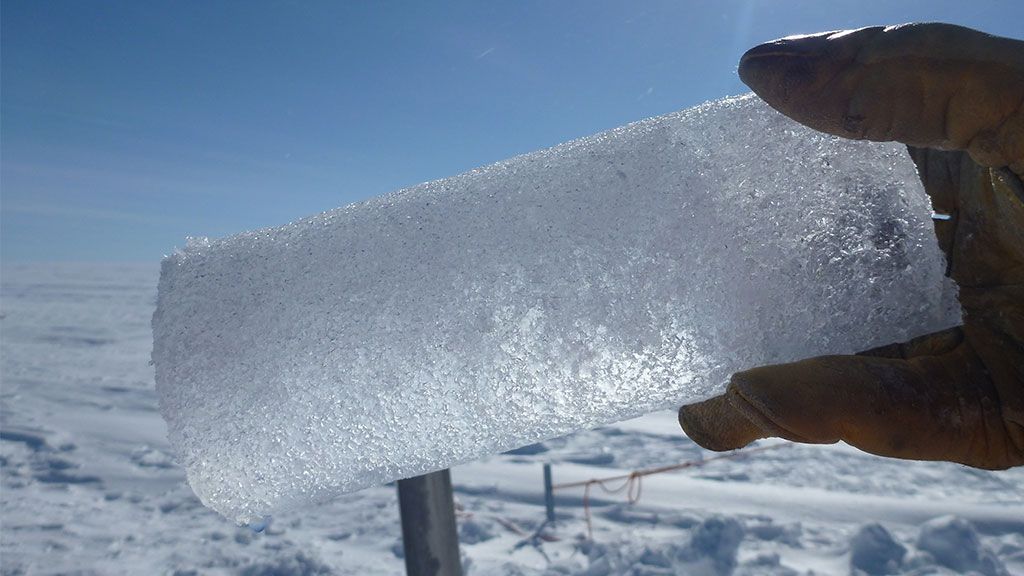
Ice cores drilled from polar ice sheets in Antarctica and Greenland carry bubbles of ancient atmosphere. They provide direct evidence on past atmospheric composition, including levels of greenhouse gases such as carbon dioxide and methane. Each layer of ice represents a snapshot of seasonal or annual climatic conditions, making these cores incredibly valuable for constructing high-resolution temperature reconstructions.
Tree Rings
Tree ring patterns, or dendrochronology, serve as sensitive indicators of annual climatic conditions. The width and density of rings reflect variations in moisture availability, temperature, and sunlight. This method allows for precise dating; therefore, tree rings offer both temporal accuracy and valuable climate trend records over centuries.
Sediment Cores
Sediments collected from lake beds, ocean floors, and bogs are repositories of microfossils, pollen, and geochemical markers. Analysis of these cores can reveal shifts in climate, such as changes in precipitation, temperature gradients, and even evidence of extreme events like volcanic eruptions. Variations in sediment composition offer clues about ocean circulation patterns and biological productivity during different historical periods.
Corals and Stalagmites
Marine corals and stalagmites found in caves accumulate growth layers that capture conditions such as sea surface temperatures and rainfall patterns. Coral reefs, in particular, are sensitive to changes in water temperature and chemistry, making them excellent informants of historical climate changes. Similarly, stalagmites develop over long periods, capturing geochemical information that can be directly correlated with past weather conditions.
Fossil Records
Fossilized remains of plants, animals, and microorganisms found within sedimentary rocks provide insights into ancient ecologies, linking shifts in biodiversity with climate change events. Changes in species distribution and composition over geological timescales therefore serve as evidence of environmental stress and adaptation.
Table: Major Proxy Types and Their Climatic Insights
| Proxy Type | Climate Indicator | Temporal Resolution | Key Advantages |
|---|---|---|---|
| Ice Cores | Temperature, greenhouse gases | Annual to multi-decadal | Direct atmospheric records, high resolution |
| Tree Rings | Precipitation, temperature | Annual | Precise dating, long tree lifespans |
| Sediment Cores | Biological indicators, geochemistry | Decadal to millennial | Rich in multi-proxy data, extensive archives |
| Corals / Stalagmites | Sea surface temperatures, rainfall | Sub-annual to multi-decadal | High sensitivity to climate variations |
| Fossils | Biodiversity, ecological shifts | Millennial to geological era | Indicators of long-term environmental change |
Methodological Approaches in Paleoclimate Research
Integrating Diverse Data Sources
The strength of paleoclimatology lies in its ability to integrate proxy records through a variety of techniques. With interdisciplinary collaboration across fields such as geology, chemistry, biology, and physics, researchers construct a more holistic image of historical climates. The methods extend from precise laboratory measurements to sophisticated modeling techniques:
Geochemical Techniques
Geochemical analyses often involve interpreting the ratios of stable isotopes—such as oxygen isotopes \( \left(^{16}\text{O}/^{18}\text{O} \right) \)—present in proxies. Variations in these isotopic ratios are directly related to temperature changes and evaporation patterns that occurred in the past. Techniques such as mass spectrometry enable researchers to achieve high levels of precision in these measurements.
Geophysical Techniques
Data derived from geophysical methods encompass gravitational, magnetic, and radar studies. These techniques are valuable for interpreting the stratification in sediment layers and understanding past ocean currents, tectonic shifts, and volcanic eruptions. In some instances, remote sensing data complements ground-based investigations, offering expansive views of paleoenvironments.
Statistical and Computational Modeling
In the modern era, the integration of paleoclimate data with advanced statistical models has become crucial. Computational models simulate both the natural variability recorded in proxy evidence and the responses of climate systems under different forcing scenarios. This holistic approach not only allows scientists to validate the proxy data but also aids in projecting future climate trends based on historical patterns.
Researchers employ time-series analysis, principal component analysis, and ensemble modeling techniques to reduce uncertainties inherent in proxy records. Blending these models with modern observational data creates robust frameworks for understanding the complex interplay between natural variability and anthropogenic influences.
Historical Climate Trends and Research Findings
Insights from Past Climates
A comprehensive understanding of paleoclimatology is best achieved through the study of key periods marked by significant climatic fluctuations. Among these, several pivotal events have been documented in the geological records:
The Mid-Holocene Warm Period
Occurring approximately 6,000 years ago, the Mid-Holocene Warm Period was characterized by relatively higher temperatures in many regions. Proxy records, including tree ring analyses and sediment data, indicate that this period experienced increased precipitation and extended growing seasons in certain areas. The data from this era are instrumental in understanding seasonal climate patterns and the role of solar insolation changes.
Glacial and Interglacial Cycles
The Earth has undergone multiple cycles of glacial and interglacial periods. Ice age events are well-documented through the layering of ice cores and associated proxy data. These cycles clearly illustrate fluctuations in temperature, greenhouse gas levels, and sea-level changes. Researchers have identified that:
- Glacial periods featured lower global temperatures and extensive ice sheet expansion.
- Interglacial periods revealed warmer conditions and notable ecological regeneration.
The pacing of these cycles is influenced by orbital variations, volcanic activity, and fluctuations in solar output. Understanding these natural rhythms provides a baseline against which modern climate changes are compared.
Abrupt Climate Transitions
In addition to gradual trends, proxy evidence occasionally reveals abrupt climate changes, known as Dansgaard-Oeschger events and other rapid shifts. These transitions, often observed in ice core records, underscore the potential for rapid shifts in climate systems that may be triggered by even minor alterations in atmospheric or oceanic conditions.
Linking Past Changes to Modern Climate Dynamics
Reconstructions of past climates have fostered a deeper understanding of the natural variability inherent in Earth's systems. In recent decades, research has increasingly highlighted that the climate changes observed during the industrial era occur at rates that are unprecedented relative to past natural trends. This contrast, clearly supported by multiple proxy records, makes the case for human-driven climate change all the more compelling.
By examining how the climate system responded to historical forcings—be they volcanic eruptions, solar variability, or orbital changes—scientists are better positioned to predict how ongoing greenhouse gas accumulation might affect future climate conditions. The integration of paleoclimate data into modern climate models has proven essential, not only for refining the projections of temperature increases but also for understanding potential feedback mechanisms related to ecosystems and sea-level rise.
Implications for Climate Change Mitigation and Adaptation
Understanding the Past to Inform the Future
Paleoclimatology, by extending our climatic perspective across thousands of years, plays a vital role in guiding present-day policy and scientific endeavors. Historical data serve as an indispensable complement to contemporary observations, underscoring the need to address human impacts on the climate. From sea-level rise reconstructions to evidence of extreme weather events in the past, the findings of paleoclimate studies have direct implications for designing strategies that adapt to and mitigate the effects of modern climate change.
Policy Applications
As stakeholders work to develop sustainable environmental policies, the long-term perspective provided by paleoclimatology informs risk assessments and economic planning. Key areas include:
- Predicting shifts in agricultural productivity based on historical droughts and rainfall variability.
- Anticipating sea-level changes by analyzing past coastal evolution and glacial melt patterns.
- Preparing for extreme weather events by understanding historical frequency and intensity.
Policymakers and environmental planners are increasingly incorporating this historical lens to devise adaptive measures, recognizing that learning from the past is essential for a sustainable future.
Scientific Research and Future Directions
The field of paleoclimatology continues to grow as new techniques in data collection and analysis enhance our understanding of the Earth's complex climate system. Integrative approaches combining proxies with sophisticated computer simulations are poised to reduce uncertainties further and refine predictions of future trends. As research progresses, the collaboration between paleoclimatologists and climate modelers will be crucial in bridging the gap between ancient climate records and future climate scenarios.
Additionally, the continued development of proxies and novel analytical methods holds promise for more finely resolved records of past climatic events. Such advances not only push the frontiers of knowledge but also contribute practically to the global effort to mitigate the adverse impacts of rapid climate change.
Comparative Analysis of Natural Versus Anthropogenic Changes
Evaluating the Rates and Magnitudes of Change
One of the enduring challenges in climate research is differentiating between natural climate variability and changes driven by human activity. Proxy records offer substantial evidence that while natural climatic fluctuations have occurred over millennia, the rate of change observed in recent decades stands out as notably rapid.
Historical data reveal that while abrupt shifts have occasionally punctuated the climatic record, modern records derived from instrumental measurements and proxy reconstructions indicate a faster pace of warming and more intense extreme events. This realization is pivotal in evaluating potential risks and in understanding the thresholds that, once crossed, may lead to irreversible environmental changes.
Through rigorous analysis and multi-proxy comparisons, paleoclimatology not only provides the context needed to appreciate these differences but also reinforces the urgency required to address contemporary climate change. In practical terms, this evidence emboldens calls for accelerated policy actions and investments in sustainable energy and resilience-building initiatives.
Interdisciplinary Contributions and Future Research Challenges
Broadening Our Understanding Through Collaboration
The future of paleoclimatology is inherently intertwined with advancements in other scientific disciplines. Combining data and methodologies from geology, chemistry, ecology, and physics fosters a comprehensive understanding of climate dynamics. For instance, researchers now increasingly collaborate to integrate high-resolution proxy data with climate models, enhancing the reliability of future forecasts.
Emerging Technologies and Methodologies
Novel analytical approaches, such as high-resolution imaging techniques, advanced isotopic analysis, and enhanced simulation models, are continually pushing the boundaries of what can be inferred from natural records. These emerging technologies not only improve the accuracy of climate reconstructions but also allow scientists to investigate smaller-scale phenomena that were once difficult to resolve.
Furthermore, there is a growing interest in digitizing vast collections of proxy data, thereby making historical climate records more accessible to researchers worldwide. Large, collaborative databases will facilitate comparative studies and improve our collective understanding of climate dynamics across different spatial and temporal scales.
Implications for Education and Public Awareness
Communicating the Value of the Past to the Public
Beyond its scientific importance, paleoclimatology plays a critical role in educating the public about climate change. The ability to trace the evolution of Earth’s climate over vast time periods offers compelling narratives that are both scientifically rigorous and engaging. By translating complex proxy data into accessible stories about past climate events, educators and communicators can foster a better-informed public.
Outreach initiatives often highlight the tangible evidence preserved in natural archives—whether through museum exhibits, public lectures, or interactive digital platforms. These efforts are central to help society appreciate the magnitude of current challenges and the imperative for informed action.
Moreover, the historical perspective provided by paleoclimatology underscores an essential lesson: while the Earth’s climate has naturally fluctuated over time, the recent acceleration in warming trends is strongly linked to human influence. This contrast not only illustrates the unprecedented nature of current climatic shifts but also serves as a clarion call for urgent global cooperation in mitigating future impacts.
References
- Chapter 2 Palaeoclimatology and Continental Drift - Semantic Scholar
- Chapter 4 - National Academies Press
- Paleoclimate Chapter - Oregon State Education
-
Paleoclimate Research Program - USGS
-
Learnings from Paleoclimatology - NOAA
- Paleoclimatology: Reconstructing Climates - Google Books
- Paleoclimatology Evidence - NASA Earth Observatory
- Basics of Climate Change - The Royal Society
Recommended Further Queries
Last updated March 8, 2025