
The Comprehensive Guide to the Paleo Diet
A detailed exploration of principles, benefits, practical tips, and a sample meal plan
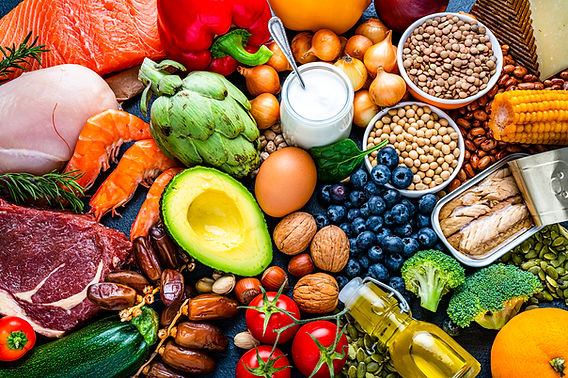
Key Insights
- Whole, Unprocessed Foods: Emphasize natural, nutrient-dense foods that mirror those consumed by our hunter-gatherer ancestors.
- Elimination of Modern Processing: Avoid grains, legumes, dairy products, and refined sugars to reduce the risk of chronic diseases.
- Practical Integration: Understand meal planning, potential benefits, and challenges while making healthy lifestyle adjustments.
Understanding the Paleo Diet
The Paleo diet, often referred to as the "caveman diet" or "Stone Age diet," is a nutritional paradigm based on the presumed eating habits of our Paleolithic ancestors. The core philosophy of this diet is to consume foods that were available before the advent of agriculture and modern food processing. Proponents believe that by focusing on whole, unprocessed foods, you can help mitigate many modern health issues such as obesity, type 2 diabetes, and cardiovascular diseases.
Historical dietary practices suggest that the human body is optimally adapted to a diet rich in lean proteins, fruits, vegetables, nuts, and seeds. By eliminating foods that emerged with the agricultural revolution, such as grains, legumes, and most dairy products, followers of the Paleo diet aim to align their eating habits with those of ancestral humans. This approach emphasizes natural sources of fats and carbohydrates, which are found in minimally processed foods.
Principles and Philosophy
Core Tenets of the Paleo Diet
The Paleo diet is built upon several fundamental principles:
1. Whole, Unprocessed Foods
The diet exclusively prioritizes whole foods that are as close to their natural state as possible. Such foods include lean meats (preferably grass-fed or wild-caught), fish, fresh fruits, vegetables, and a variety of nuts and seeds. The intent is to reduce the consumption of food additives, preservatives, and other processed ingredients that are commonly found in modern diets.
2. Exclusion of Grains and Legumes
Modern grains and legumes, including wheat, oats, rice, beans, and lentils, are typically omitted from the Paleo diet. The rationale behind this exclusion is that these foods contain antinutrients like lectins and phytic acid, which can interfere with the absorption of key minerals and nutrients. Moreover, their inclusion in the diet is believed to contribute to the rise in chronic illnesses.
3. Avoidance of Dairy Products
Dairy is generally eliminated because most modern dairy products are processed and altered significantly from their original form. While some variations of the diet allow for the consumption of raw or fermented dairy products, the core version avoids these entirely to better mimic ancestral nutrition.
4. Healthy Fats and Protein Emphasis
Protein is encouraged through the consumption of high-quality sources such as lean meat and fish. The diet also emphasizes the importance of consuming healthy fats from sources like olive oil, coconut oil, avocado oil, and naturally occurring fats from meats and nuts. This balance is essential for maintaining satiety, muscle mass, and overall energy levels.
5. Elimination of Refined Sugars and Processed Foods
Refined sugars, artificial sweeteners, and processed oils are completely avoided. The intention is to reduce inflammation, stabilize blood sugar levels, and avoid empty calories that contribute little nutritional value.
Health Benefits and Considerations
Potential Advantages
Advocates of the Paleo diet often cite several potential health benefits:
Improved Weight Management
By eliminating processed foods and refined sugars, many individuals experience weight loss. The high-protein nature of the diet promotes satiety, reducing overall caloric intake and helping in body fat reduction.
Enhanced Blood Sugar Control
Reduced intake of refined carbohydrates and sugars supports more stable blood sugar levels. This stabilization can lead to improved insulin sensitivity, which is beneficial not only for individuals with type 2 diabetes but also for overall metabolic health.
Nutrient Density
The focus on nutrient-rich foods means that the diet is replete with vitamins, minerals, and antioxidants derived from fruits, vegetables, and high-quality proteins. This nutrient density can bolster the immune system and contribute to better overall health.
Reduced Chronic Disease Risk
There is a growing body of research suggesting that diets high in processed foods are linked to chronic conditions such as heart disease and hypertension. By reverting to a diet that closely resembles what our ancestors ate, followers of the Paleo diet may experience improvements in cardiovascular health.
Possible Challenges and Risks
Despite its many potential benefits, the Paleo diet also poses some challenges:
Nutrient Deficiencies
The exclusion of entire food groups such as grains, legumes, and dairy may lead to deficiencies in fiber, calcium, and certain vitamins. It is important for individuals on the Paleo diet to monitor their nutrient intake and consider supplements if necessary.
Social and Practical Limitations
The restrictive nature of the diet can be a significant barrier, particularly in social settings such as dining out. The limited availability of Paleo-friendly options at restaurants can make adherence challenging during travel or social gatherings.
Cost Implications
Opting for organic produce, grass-fed meats, and wild-caught seafood often comes at a premium price. This financial aspect can be a deterrent for those on a limited budget.
Practical Steps to Begin the Paleo Diet
Getting Started
Transitioning to a Paleo lifestyle requires thoughtful planning and a willingness to adapt to new eating habits. The following steps provide a practical framework to help you begin:
1. Assess and Prepare
Begin by evaluating your current dietary habits and identifying foods that are not Paleo-friendly. Clearing your pantry of processed items and restocking with fresh fruits, vegetables, and high-quality proteins is an essential first step. A well-planned grocery list can make this transition more manageable.
2. Plan Your Meals
Creating a detailed meal plan can ease the stress of daily cooking. Scheduling meals ahead of time helps ensure that you always have appropriate foods on hand and can prevent impulsive choices that stray from the Paleo prescription. Consider using meal planning apps or even a traditional notebook for tracking your meals.
3. Start Slowly
If a complete dietary overhaul seems daunting, consider an incremental approach. Gradually eliminate non-Paleo foods over a period of days or weeks. This can help your body adjust and make the transition more sustainable. Even a modest shift towards whole, unprocessed foods can yield noticeable benefits.
4. Incorporate Hydration and Physical Activity
Hydration is crucial when following any diet, and the Paleo diet is no exception. Emphasize water as your primary fluid, though herbal teas, black coffee, and green tea are also acceptable in moderation. Additionally, regular physical activity complements the dietary changes and supports overall wellness. Engaging in exercises, from brisk walking to strength training, can enhance the benefits of a Paleo lifestyle.
5. Monitor Your Progress
Keeping a food journal can be a valuable tool. Tracking your meals, energy levels, and any changes in your health can provide insights into how well your body responds to this new diet. This data can guide adjustments and help you fine-tune your approach for long-term success.
Sample Meal Plan and Food Choices
Weekly Overview
A detailed meal plan can be especially helpful for those new to the Paleo diet. Below is a sample seven-day meal plan that includes breakfast, lunch, dinner, and snacks to guide your transition.
| Day | Breakfast | Lunch | Dinner | Snack (Optional) |
|---|---|---|---|---|
| Monday | Scrambled eggs with spinach and tomatoes | Grilled chicken salad with mixed greens, avocado, and olive oil dressing | Baked salmon with steamed broccoli and carrots | Handful of mixed nuts |
| Tuesday | Smoothie with almond milk, banana, and kale | Turkey lettuce wraps with assorted vegetables | Stir-fry beef with bell peppers, zucchini, and onions | Apple slices with almond butter |
| Wednesday | Chia seed pudding topped with fresh berries | Tuna salad with avocado and mixed greens | Herb-roasted chicken thighs with asparagus | Carrot sticks with guacamole |
| Thursday | Omelet with mushrooms and onions | Shrimp salad with citrus dressing and leafy greens | Grilled pork chops with sweet potato wedges | Fresh fruit medley |
| Friday | Egg and avocado breakfast bowl | Beef jerky with a side of raw vegetables | Baked trout with lemon, served with green beans | Mixed berry smoothie |
| Saturday | Frittata with kale and cherry tomatoes | Chicken salad with walnuts and seasonal vegetables | Lamb chops with sautéed spinach | Handful of pumpkin seeds |
| Sunday | Leftover vegetable stir-fry with eggs | Grilled meat served on a bed of mixed greens | Vegetable-packed stew with a variety of root vegetables | Freshly sliced pear |
This table offers a comprehensive week-long blueprint to help you incorporate the Paleo diet into your routine. It balances lean proteins, fresh produce, and healthy fats. Feel free to adapt the plan according to seasonal availability and your personal taste preferences.
Variations of the Paleo Diet
Adapting the Diet for Specific Needs
While the traditional Paleo diet encourages strict adherence to a set list of foods, several adaptations cater to individual preferences and health conditions:
Autoimmune Paleo (AIP) Diet
The AIP diet is designed for individuals with autoimmune conditions. It eliminates foods that may trigger inflammation and further complicate immune responses. This variant not only follows the traditional Paleo principles but also excludes additional potential allergens.
80/20 Paleo Diet
The 80/20 approach allows for occasional consumption of non-Paleo foods while primarily focusing on whole, unprocessed foods. This balanced method can make long-term adherence more attainable without feeling overly restrictive.
Pegan Diet
A fusion of Paleo and vegan diets, the Pegan Diet seeks to balance animal proteins with plant-based foods, emphasizing organic produce and ethical meat sources. This variation caters to those looking for a plant-forward, yet balanced dietary regimen.
Expert Tips for Long-Term Success
Strategies for Adopting the Paleo Lifestyle
Successfully transitioning to and maintaining a Paleo lifestyle is a gradual process that involves habit adjustments, consistent planning, and a mindful approach. Here are some expert strategies:
Create a Meal Planning System
Utilize tools or apps dedicated to meal planning to prepare your weekly menus in advance. Doing so minimizes the likelihood of inadvertently consuming non-Paleo foods and streamlines your grocery shopping process.
Invest in Quality Ingredients
Whenever possible, choose organic produce, grass-fed meats, and wild-caught fish. While these options may come at a higher cost, they are in line with the core spirit of the Paleo diet – nourishing the body with the highest quality, unprocessed foods.
Stay Consistent and Patient
Like any lifestyle change, the transition to a Paleo diet may come with its share of challenges. Consistency, combined with patience, is key. Being flexible—such as allowing occasional deviations within a structured framework—can help maintain momentum and long-term adherence.
Consult a Professional
Especially if you have preexisting conditions or specific nutritional needs, consulting with a healthcare provider or registered dietitian can help tailor the Paleo diet to your individual requirements. This professional guidance ensures that any potential nutrient deficiencies are addressed.
Scientific and Nutritional Considerations
Understanding the Impact Through Science
The Paleo diet is supported by various scientific studies that analyze metabolic responses, inflammatory markers, and overall dietary impacts on modern health. Researchers have observed improvements in markers such as blood pressure, blood sugar levels, and lipid profiles among individuals who adopt holistic, unprocessed food regimens.
Moreover, the shift away from processed carbohydrates and refined sugars not only aids in weight management but also helps stabilize energy fluctuations throughout the day. While the research continues to evolve, the current body of work indicates that a diet rich in whole foods is advantageous for both preventive and therapeutic health strategies.
Additional Considerations
Lifestyle Integration and Social Aspects
Implementing the Paleo diet goes beyond mere food choices—it often requires a holistic rethinking of one’s lifestyle. From understanding grocery shopping strategies to participating in community forums focused on Paleo cooking and wellness, social integration plays an important role. Finding local groups or online communities can provide support, shared recipes, and new ideas to help maintain motivation.
Practical adjustments, such as meal prepping for busy days and creating a support system among family and friends, can contribute significantly to sustained success. Balancing the demands of daily life with a strict dietary regimen may entail periods of adjustment, but the long-term benefits often justify the effort.
In summary, the Paleo diet offers an enticing possibility to reclaim a more natural and ancestral way of eating. By embracing whole and unprocessed foods, avoiding modern dietary pitfalls, and planning meals with care, individuals may witness improvements in physical health, energy levels, and overall well-being. With a focus on balance, quality ingredients, and an understanding of personal nutritional needs, the Paleo lifestyle can be adapted to fit various lifestyles and promote lasting health benefits.
References
- Paleo Diet Beginner's Guide - Healthline
- Paleo Diet Overview - Dr. Axe
- Paleo Diet Guide - WebMD
- Understanding the Paleo Diet - Medical News Today
-
Paleo Diet Insights - US News
Recommended Queries for Further Insight
Last updated March 7, 2025