
Exploring Panchayati Raj: The Legacy of Indian Grassroots Governance
A deep dive into an ancient tradition transformed by modern democracy
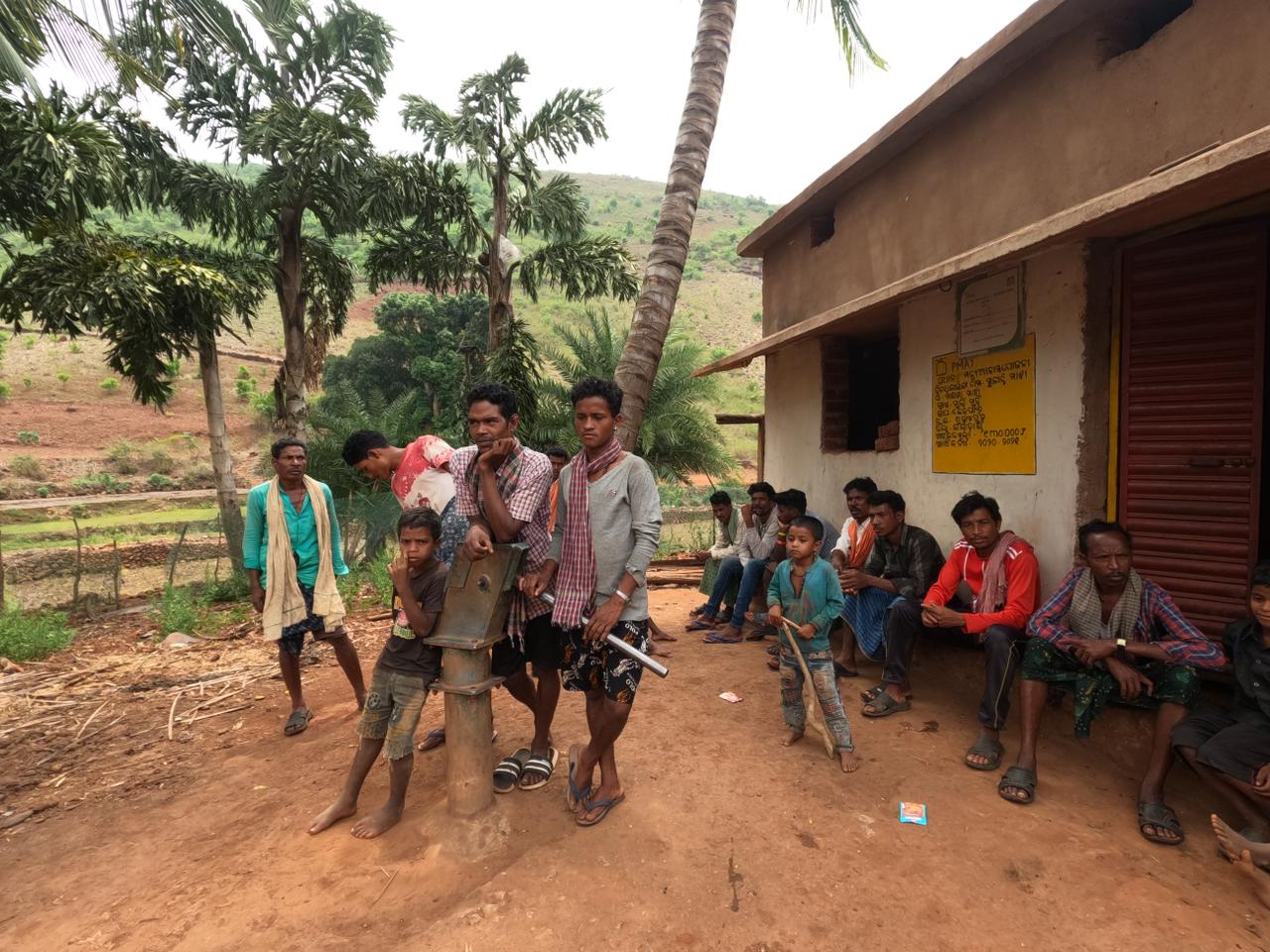
Key Highlights
- Historical Evolution: Tracing the roots from ancient Vedic assemblies to modern constitutional reforms.
- Structural Framework: Understanding the three-tier system from Gram Panchayat to Zila Parishad.
- Contemporary Impact: Evaluating the role of Panchayati Raj in rural development and social justice.
Introduction to Panchayati Raj in Indian Tradition
The Panchayati Raj system represents one of the most enduring traditions of local self-governance in India, an institution that has evolved over thousands of years and continues to form the backbone of rural democracy. The term “Panchayati Raj” literally translates to “rule by a council of five,” but this system has grown far beyond its titular reference to encapsulate a vast framework of community-led governance. By examining the origins and evolution of Panchayati Raj, we can see how it not only reflects ancient Indian traditions but also adapts to contemporary challenges, serving as an indispensable mechanism for decentralization, social empowerment, and participatory decision-making.
Historical Evolution
Ancient Origins and Early Practices
The practice of village self-governance in India can be traced back to the Vedic period, where early communities organized themselves through local assemblies known as “sabhas” and “samitis.” Evidence from religious texts such as the Rigveda indicates that local self-administration was a common practice as early as 1700 BCE. In these early societies, the village was the primary unit of governance, and decisions were made collectively by respected elders and community leaders. Over time, the concept of a Panchayat—a council of five distinguished members who would preside over local matters—began to take shape. This early system was founded on the principles of consensus, mutual respect, and community accountability.
As ancient India evolved, so too did the administrative practices within villages. During the Mauryan period, the organization of local communities was refined further. The village assemblies not only administered justice and resolved disputes but also oversaw local development, resource management, and tax collection. Traditional panchayats functioned as institutions where the voice of every community member could be heard, thereby laying an early foundation for what would eventually develop into a more formalized structure of Panchayati Raj.
Medieval and Colonial Periods
The medieval era in India witnessed significant changes in the way local governance was handled. Despite the imposition of feudal structures, the Panchayat system maintained its relevance, serving as the primary mechanism for dispute resolution and local administration. During the Mughal era, for example, while imperial authority was at its peak, local panchayats continued to play a crucial role in managing day-to-day affairs, particularly in rural settings.
However, the advent of British colonial rule brought about a reorganization of the Indian administrative framework. The centrally controlled bureaucracy introduced by the British often undermined traditional institutions. The Panchayati Raj system was either marginalized or co-opted into a framework that was designed to serve colonial purposes. Despite this, the intrinsic value of local self-governance could not be completely eroded, and local councils continued to be a vital part of rural life, albeit in a diminished capacity.
Post-Independence Revival
The drive to re-establish indigenous systems of governance gained significant momentum after India gained independence in 1947. Visionaries like Mahatma Gandhi and leaders such as Jawaharlal Nehru recognized the potential of Panchayati Raj as a tool for grassroots democracy. Gandhi’s concept of Gram Swaraj, or village self-governance, became a central idea in post-independence India, forming the ideological basis for decentralizing power away from a central authority.
In 1959, Jawaharlal Nehru inaugurated the modern Panchayati Raj system in Nagaur, Rajasthan, marking the beginning of an institutional revival of the age-old practices of rural governance. This period saw the reintroduction of Panchayat institutions, adapted to the needs of a newly independent nation seeking to empower its rural population. The reformed Panchayati Raj system was envisioned as a means of ensuring that development and decision-making were localized, ensuring that policies were responsive to the needs and aspirations of rural communities.
Structural Framework of Panchayati Raj
Three-Tier Governance Model
The modern Panchayati Raj system is structured as a three-tier body, designed to decentralize governance and enhance local participation in developmental initiatives. The three levels of administration are:
- Gram Panchayat: The basic unit of administration at the village level, responsible for local civic amenities, dispute resolution, and the management of community resources.
- Panchayat Samiti: The intermediary level, overseeing clusters of villages and coordinating the execution of development programs across multiple Gram Panchayats.
- Zila Parishad: The top tier at the district level, integrating and supervising the activities of the lower tiers, formulating policies for overall rural development, and ensuring that there is a smooth flow of resources and information.
This multi-layered approach to governance is designed to ensure that decisions are made closer to the people affected by them. The system promotes accountability and transparency, as local leaders are directly answerable to their communities. Furthermore, it encourages community participation in planning and execution, thereby leading to more sustainable and inclusive development.
Constitutional Backing and Legal Milestones
One of the pivotal moments in the evolution of Panchayati Raj was the passage of the 73rd Constitutional Amendment Act in 1992. This amendment conferred constitutional status on Panchayati Raj Institutions (PRIs), cementing their role in the framework of Indian governance. It mandated regular elections, provided for the reservation of seats for women and marginalized communities, and empowered PRIs with the authority to function as effective agents of local development.
By legally empowering PRIs, the amendment recognized the collective wisdom of rural communities in addressing local issues and paved the way for more democratic and inclusive governance. Today, these constitutional provisions ensure that Panchayati Raj remains a dynamic and integral component of Indian democracy, capable of driving significant socio-economic changes at the grassroots level.
Role in Rural Development
Economic and Social Empowerment
Panchayati Raj is not only a governance mechanism but also a catalyst for rural development. At the heart of its design is the need to empower local communities to take control of their future. By involving villagers in decision-making processes and granting them significant control over local resources, the Panchayati Raj system has been instrumental in driving rural development initiatives.
Economic development, particularly in agriculture-based economies, benefits substantially from the localized focus of Panchayati Raj. Pradhan initiatives include implementing agricultural support schemes, ensuring access to credit, and facilitating the distribution of subsidies and technology that enhance crop productivity. The proximity of Gram Panchayats to the problems faced by local farmers allows for the swift and efficient implementation of corrective measures.
On the social front, the inclusivity embedded within this system has proven crucial for uplifting marginalized sections of society. The reservation of seats for women, Scheduled Castes, and Scheduled Tribes in Panchayats ensures that voices which have traditionally been silenced now have a platform for expression. This participation has led to policies that focus on social justice, improved healthcare, education, and the overall well-being of the community.
Challenges and Opportunities
Despite its progressive framework, the Panchayati Raj system faces numerous challenges that impede its full potential. One of the primary issues is the bureaucratic bottleneck that often affects the timely transfer of resources and authority to local institutions. This delay can lead to inefficiencies in policy implementation and a disconnect between central or state-level initiatives and local needs.
Additionally, local politics sometimes undermine the system’s integrity. Political interference, in which local leaders may prioritize personal or group interests over community welfare, is a recurring challenge. Skill gaps and inadequate administrative support further exacerbate this problem, leaving many Panchayats ill-prepared to handle complex development issues.
However, these challenges also present opportunities for reform and modernization. With the advent of digital technology and e-governance, many Panchayats are gradually integrating new systems to increase transparency and efficiency. Digital platforms have the potential to streamline communication, facilitate real-time monitoring of projects, and empower citizens to engage more directly with local administration.
Deep-Rooted Cultural and Traditional Aspects
Cultural Significance of Local Self-Governance
The Panchayati Raj system is deeply intertwined with the cultural and social fabric of rural India. In traditional communities, the Panchayat was more than just a political entity; it was the embodiment of social cohesion. The Panchayat served as a space where communal values were nurtured, disputes were resolved through dialogue, and collective decisions were made with wisdom passed down over generations.
Traditional Panchayats were governed by customary laws that were closely aligned with local beliefs and practices. These councils often acted as mediators in conflicts and played a crucial role in preserving the cultural heritage of a community. In many ways, they were the custodians of their village’s traditions, rituals, and ethical standards. This cultural dimension continues to influence the modern Panchayati Raj system, infusing it with a sense of identity and belonging that remains relevant even as the nation modernizes.
Integration of Traditional Wisdom with Modern Governance
One of the most remarkable aspects of Panchayati Raj is its ability to integrate traditional governance practices with modern administrative structures. While the core principles of consensus and community-based decision-making have persisted, these old practices have been reformed and strengthened through legal mechanisms such as the 73rd Constitutional Amendment.
This blend of tradition and modernity has allowed Panchayati Raj to adapt to contemporary challenges while retaining its cultural center. For example, while digital transformation is enhancing transparency and efficiency, the intrinsic values of mutual trust and collective responsibility continue to guide the functioning of Panchayats. In this way, Panchayati Raj serves as a bridge, connecting the wisdom of the past with the innovations of the present.
Contemporary Reforms and Future Prospects
Modern Reforms and Policy Initiatives
In recent decades, there has been a concerted effort to revitalize the Panchayati Raj system and address the challenges it faces. Government initiatives such as the Mahatma Gandhi National Rural Employment Guarantee Act (MGNREGA) and the Swachh Bharat Abhiyan have directly involved Panchayats in the planning and execution of development projects. These programs have not only enhanced the accountability of local administrations but have also provided tangible improvements in infrastructure, health, and education.
Furthermore, reforms aimed at leveraging digital technology are gradually reshaping the Panchayati Raj framework. E-governance initiatives have been introduced to minimize bureaucratic delays and improve the transparency of decision-making processes. By integrating mobile applications, online portals, and digital payment systems, the government is making it easier for citizens to interact with their local bodies, lodge complaints, and track the progress of various development programs.
Future Prospects and the Path Ahead
Looking ahead, the future of Panchayati Raj is closely linked with the overall trajectory of rural development in India. As the economic landscape evolves and the rural population becomes better informed and more connected, the demands on Panchayats are expected to grow both in scale and complexity. To meet these demands, continued reforms are essential.
Key areas for future improvement include strengthening the capacity of Panchayat officials through regular training programs and ensuring greater fiscal autonomy at the local level. Measures to enhance transparency, reduce corruption, and facilitate better public participation will be critical in making Panchayati Raj an even more effective governance mechanism. Additionally, a renewed focus on integrating traditional practices with modern administrative techniques can help maintain the cultural relevance of these institutions, ensuring that they continue to serve as a beacon of grassroots democracy.
Comparative Insights and Practical Considerations
An Integrated Approach to Local Governance
It is important to note that while the Panchayati Raj system is unique to India, its principles of localized governance and community engagement have found similar expressions around the world. When compared to other models of local self-government, Panchayati Raj stands out for its deep-rooted historical background and its seamless integration of cultural traditions with modern governance practices.
The success stories of various Panchayats across India, which have improved local infrastructure, boosted agricultural productivity, and enhanced social welfare, offer valuable insights for other developing countries. By adopting a similar model of decentralized administration, nations seeking to empower local communities and promote participatory governance may find useful lessons in the Indian experience.
Practical Applications in Everyday Life
On the ground, the impact of Panchayati Raj is visible in myriad ways. In villages across India, the Gram Panchayat is often the first point of contact for citizens seeking assistance with issues ranging from water supply and sanitation to healthcare and education. Local leaders work in close collaboration with state and central government agencies to ensure that schemes are tailored to the specific needs of their communities.
Moreover, the Panchayati Raj system serves an important role in conflict resolution and social regulation. By engaging directly with the community, local councils are often able to resolve disputes amicably, thereby reinforcing social bonds and reducing the need for intervention by higher authorities. This decentralized approach not only fosters a sense of collective responsibility but also cultivates an environment of trust and mutual accountability.
Empowering Communities through Grassroots Democracy
The Social Impact of Panchayati Raj
At its core, the Panchayati Raj system is about empowering people. It ensures that even the most marginalized sections of society have access to platforms where their voices can be heard. By reserving seats for women, Scheduled Castes, and Scheduled Tribes in Panchayats, the system actively promotes inclusion and social justice.
This bottom-up approach to governance has far-reaching implications for rural development. It helps address socio-economic disparities by ensuring that developmental resources are distributed more equitably and that local projects reflect the actual needs and priorities of the community. In doing so, Panchayati Raj not only contributes to economic growth but also helps build a more cohesive and resilient society.
Strengthening the Foundation: Education and Skill Development
A key component in furthering the success of Panchayati Raj is investing in education and capacity building for local leaders. Regular training programs, workshops, and exposure visits can help Panchayat members acquire the skills necessary to navigate the complex challenges of local governance. By building a cadre of well-informed and competent officials, the potential of Panchayati Raj to drive sustainable development can be significantly enhanced.
Practical Implementation: A Snapshot of Key Milestones
Timeline of Significant Developments
| Year | Event |
|---|---|
| ~1700 BCE | Emergence of local self-governance in Vedic society through sabhas and samitis. |
| Mauryan Period | Formalization of village councils with roles in tax collection, dispute resolution, and local administration. |
| Medieval Era | Continued relevance of Panchayats with adaptations under Mughal rule. |
| Colonial Period | Marginalization of traditional Panchayats under centralized British administration. |
| 1959 | Inauguration of modern Panchayati Raj in Nagaur, Rajasthan by Jawaharlal Nehru. |
| 1992 | 73rd Constitutional Amendment Act grants constitutional status to Panchayati Raj Institutions. |
This timeline underscores the long and dynamic evolution of Panchayati Raj, highlighting both its rich historical roots and its continuing relevance in modern India.
Implications for a Modern Democracy
Enhancing Accountability and Transparency
The implementation of Panchayati Raj is a testament to India’s belief in grassroots democracy and the decentralized dispersal of power. In a country as vast and diverse as India, ensuring that governance is accessible and equitable is critical. Panchayati Raj provides a platform for enhancing local accountability where citizens can directly interact with their elected representatives. This model of governance fosters trust and transparency, essential pillars for the effective functioning of a modern democracy.
With the advent of digital governance initiatives, Panchayats are now better equipped to track resource utilization, monitor project implementation, and maintain an open line of communication with community members. This blend of traditional practices with modern technology continues to drive improvements in administrative efficiency and service delivery.
Looking Ahead: Recommendations for Strengthening Panchayati Raj
Pathways to a Resilient Future
To fully harness the potential of Panchayati Raj, several recommendations can be considered:
- Enhanced Fiscal Autonomy: Granting Panchayats greater control over local finances will enable them to address community issues swiftly and effectively.
- Capacity Building: Regular training programs for Panchayat members will improve their administrative and governance skills, empowering them to tackle contemporary challenges.
- Technology Integration: Accelerating the adoption of digital tools can increase transparency and citizen engagement, thereby bridging the gap between state-level directives and local needs.
- Inclusive Policies: Ensuring that policies remain responsive to the needs of marginalized groups will foster a more equitable and participatory form of governance.
Adopting these measures will not only address current challenges but also pave the way for a more robust and inclusive system of local governance that reflects the true spirit of democratic participation at the grassroots.
Expanding the Legacy of Panchayati Raj
Integration with National and Global Discourses
As nations worldwide seek to empower local communities and decentralize administrative power, the Indian model of Panchayati Raj offers a compelling blueprint. By integrating traditional wisdom with contemporary governance practices, India has created a system that is not only sustainable but also adaptive to changing socio-economic realities. The Panchayati Raj model continues to influence policy discussions on local governance both nationally and internationally.
As global challenges such as urbanization, environmental sustainability, and socio-economic inequality continue to evolve, local governance frameworks like Panchayati Raj can provide innovative solutions by harnessing community energy and local knowledge. The lessons learned from decades of grassroots governance in India have the potential to inform policy discussions and inspire the development of decentralized models in other parts of the world.
References
- Panchayati Raj - Wikipedia
- Panchayati Raj Overview - BYJU'S
- Evolution of Panchayati Raj Institutions - NextIAS
- The Evolution of Panchayati Raj in India - Drishti IAS
- Panchayati Raj Methodology - Participedia
Recommended Further Queries
Last updated March 24, 2025