
Case Studies of Pandemic Recovery in Low-Income Countries
Analyzing innovative strategies and pathways to resilience
Key Highlights
- Financial and Policy Support: Emphasis on international financial aid, fiscal reforms, and policy interventions for sustainable recovery.
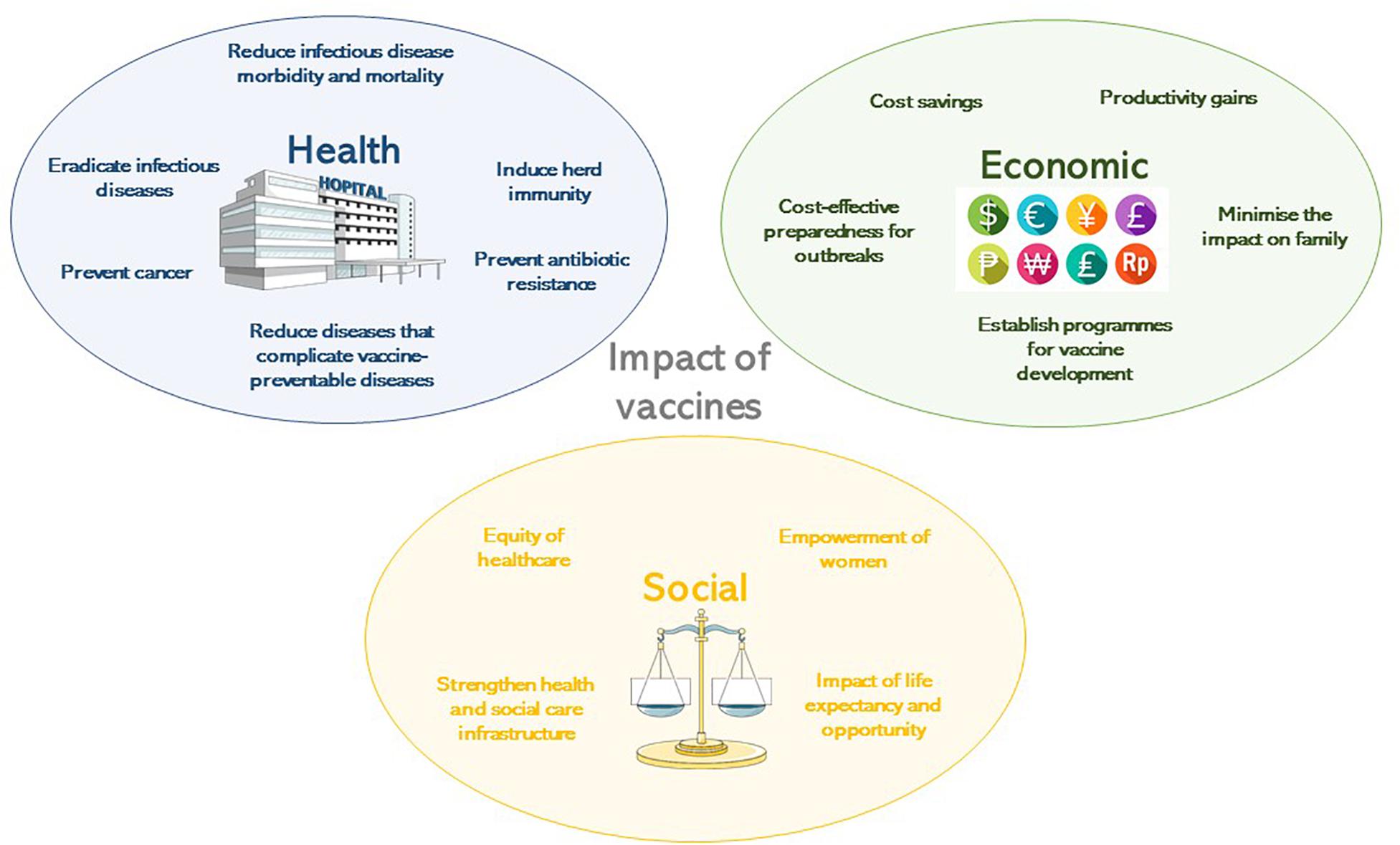
- Health System Strengthening: Critical role of vaccines, healthcare infrastructure investment, and innovative public health strategies.
- Community and Collaborative Initiatives: Case studies show the effectiveness of community-centred approaches and cross-sector cooperation.
Overview
The COVID-19 pandemic triggered unprecedented challenges in low-income countries, deeply affecting economic stability, public health, and social welfare. The disruption was marked by halted economic growth, severe poverty increases, and significant setbacks in development gains. This comprehensive synthesis explores case studies of pandemic recovery in low-income countries by integrating insights from diverse sources. The discussion highlights the crucial role of robust financial assistance, strategic policy reforms, and community-led initiatives in cultivating resilience and fostering a return to inclusive growth.
Financial Support and Fiscal Reforms
A consistent theme across evaluated case studies is the fundamental need for substantial external financial support. International institutions, notably the International Monetary Fund (IMF), have identified that low-income countries may require around \(200\) billion dollars by 2025 just to bolster their pandemic response. Moreover, bridging the developmental gap with advanced economies might necessitate an additional \(250\) billion dollars.
IMF Support and Policy Adjustments
The IMF’s response to the pandemic has been multifaceted, delivering interest-free loans, enhanced debt service relief, and rapid-disbursement financial packages. For example, financial assistance in 2020 soared to approximately \(13\) billion dollars in contrast to the pre-pandemic average of around \(2\) billion dollars per year. Such unprecedented measures provided temporary relief and supported immediate fiscal stability.
Countries have also been encouraged to implement long-term fiscal reforms. This includes strengthening tax collection systems, rationalizing public spending, and revising tax incentives to support broader social programs. By streamlining revenue mobilization, these reforms pave the way for sustainable economic growth, enhanced public service delivery, and, ultimately, a more resilient recovery framework.
Health System Strengthening and Vaccine Accessibility
Health system robustness presents a cornerstone for economic and social recovery. The pandemic exposed vulnerabilities in low-income countries’ healthcare structures, particularly around vaccine accessibility and public health infrastructure. Several case studies reveal that improved vaccination rates correlate with a more robust economic rebound.
Vaccination and Public Health Infrastructure
The majority of low-income countries relied predominantly on global initiatives such as the COVAX facility. Though well-intentioned, the limitations of such programs—often covering only around 20 percent of the population—underscore the critical need for developing local vaccine production capacities. Investment in healthcare infrastructure is vital, not just for immediate crisis management but also for future epidemic readiness.
For instance, programs that combine vaccine distribution with systemic improvements in public health have demonstrated significant benefits. These programs not only expedite recovery by protecting human capital but also build a general resilience that impacts long-term healthcare outcomes. Countries that effectively matched vaccine uptake with improvements in community health services witnessed reductions in mortality and morbidity while also setting a foundation for economic recovery.
Case Study Analysis: Region-Specific Insights
Kerala, India
Kerala has been highlighted as a notable example of managing a pandemic crisis in a resource-constrained setting. The state adopted what was termed a "lockdown with a human face", balancing public health imperatives with community welfare. By ensuring uninterrupted delivery of essential services such as food and medicine, Kerala not only mitigated the spread of the virus but also maintained social stability during the lockdown periods.
Critically, Kerala’s approach included the establishment of community kitchens and organized health committees. These initiatives ensured that support reached vulnerable populations while avoiding stigmatization. The coordinated, inter-departmental efforts facilitated rapid decision-making and resource mobilization, ultimately contributing to both immediate crisis management and long-term recovery.
Rwanda
Rwanda’s recovery model has similarly captured global attention for its community-based and inclusive approach. The country harnessed its equitable healthcare system to identify and support its most vulnerable citizens, enabling a swift and effective response to the crisis. Rwanda’s model emphasizes an integrated health system that couples public health delivery with economic planning.
The government prioritized non-discriminatory healthcare access and ensured that financial barriers were minimized. These measures reinforced public trust and cooperation, which were essential in rolling out comprehensive testing, contact tracing, and vaccination drives. Moreover, as part of Rwanda’s long-term strategy, investments in health system capacity enhancement were paired with public education campaigns, generating a robust framework aimed at safeguarding future population health.
Bangladesh
Bangladesh presents another compelling case, especially in its approach to counterbalancing the economic shock with targeted fiscal measures. Recognizing the significant risk posed by business failures and mass unemployment, Bangladesh implemented financial support schemes that accounted for roughly 3.5% of its gross domestic product (GDP) during the pandemic.
These fiscal measures supported enterprises and helped maintain continuity in economic activities. Beyond direct financial support, Bangladesh focused on creating a conducive environment for small and medium enterprises, ensuring these businesses had access to necessary resources to remain functioning during periods of strict lockdown. This strategy not only preserved livelihoods in the short term but also bolstered the resilience of the local economy, fostering an ecosystem where recovery could be accelerated once restrictions were eased.
Social Dimensions and Education Recovery
Beyond direct fiscal and healthcare interventions, the pandemic underscored the importance of broader social recovery mechanisms. Prolonged school closures and loss of learning opportunities emerged as consequential challenges with long-term implications for human capital development.
Education and Community Engagement
To mitigate the impact on education, several low-income countries adopted innovative strategies that leveraged technology and community-based programs. Remote learning platforms, though challenging due to technological and infrastructural constraints, were deployed alongside community engagement initiatives. These measures aimed not merely at academic continuity but also at addressing the wider socio-emotional impacts of prolonged isolation.
The experience of educational recovery in these settings reveals that innovative approaches, when combined with local resource mobilization, can significantly reduce learning losses. Countries that invested in capacity development for teachers and digital learning resources have begun to bridge the education gap, ensuring that the next generation can contribute meaningfully to economic recovery.
Collaborative Approaches for System Resilience
Effective recovery strategies are inherently multidisciplinary and multisectoral. Collaborative approaches, where governments, non-governmental organizations (NGOs), community organizations, and international partners work in tandem, have yielded substantial dividends. Such collaboration enables the sharing of best practices, innovative resource mobilization, and integrated planning frameworks.
Integrated Policy and Community-Driven Initiatives
A review of numerous case studies shows that an integrated response, which combines fiscal incentives with grassroots community efforts, lays the groundwork for a resilient recovery. For instance, coordinated efforts in both fiscal and healthcare reforms can mitigate the risks of future crises. Measures such as investing in public health infrastructure, improving education systems, and reinforcing social safety nets complement traditional economic interventions.
This collaboration also emphasizes the need for transparency and accountability in policy formulation and implementation. Countries that engaged local stakeholders throughout the recovery process experienced enhanced levels of trust and cooperation. The prioritization of inclusive recovery, wherein vulnerable populations have equitable access to support mechanisms, further strengthens societal resilience.
Comparative Recovery Strategies: A Table Overview
| Country/Region | Key Strategies | Primary Outcomes |
|---|---|---|
| Kerala, India |
|
|
| Rwanda |
|
|
| Bangladesh |
|
|
Implications for Future Resilience
The experiences of low-income countries during the COVID-19 pandemic offer significant lessons for future crisis management and recovery. The multifaceted approach—comprising strategic financial assistance, robust public health measures, and integrated community initiatives—demonstrates that even nations with limited resources can forge resilient pathways to recovery.
Strategies for Long-Term Sustainability
A key takeaway is the importance of integrating immediate crisis response with long-term structural reforms. Strengthening governance, enhancing tax production, and reforming social safety nets are essential to laying the foundation for sustainable development. Additionally, prioritizing investments in healthcare and education not only addresses current challenges but also builds capacity for mitigating future crises.
International support remains critical in this context. Grants, highly concessional lending, and development assistance serve as important catalysts for reforms in low-income countries. By leveraging these resources effectively, countries can overcome structural vulnerabilities and emerge with economies that are more diversified, inclusive, and resilient to both economic shocks and health emergencies.
Collaborative Reflections and Policy Recommendations
The shared insights from various case studies point towards the value of multi-dimensional policy-making that integrates financial, health, and social dimensions. Strategic collaborations that involve international institutions and local communities create an enabling environment in which recovery can be both rapid and sustainable.
Recommendations for Policymakers
Policymakers in low-income countries should focus on:
- Enhancing revenue generation through improved tax collection systems and efficient public spending.
- Prioritizing healthcare investments including local vaccine production and public health infrastructure expansion.
- Investing in digital education platforms to support continuity in learning and reduce long-term human capital losses.
- Fostering cross-sector partnerships that involve government, civil society, and international donors for coordinated recovery efforts.
- Implementing targeted fiscal measures to support vulnerable groups, ensuring an inclusive approach to economic recovery.
These recommendations serve not only as immediate remedial measures but also as strategic priorities that can enhance the overall resilience of low-income countries to future crises.
References
-
Blog - Funding the Recovery of Low-Income Countries After COVID - IMF
- IMF financial support explained - World Economic Forum
-
Stepping Up to Meet Recovery Needs - IMF
- Economies of Developing Countries - US Global Leadership Coalition
- Education Recovery Scorecard - Education Recovery Scorecard
Recommended Searches
Last updated March 13, 2025