
Exploring Papaya's Role in Innovative Cookie Production
Delving into methods, procedures, and consumer acceptance of papaya as a cookie flavor
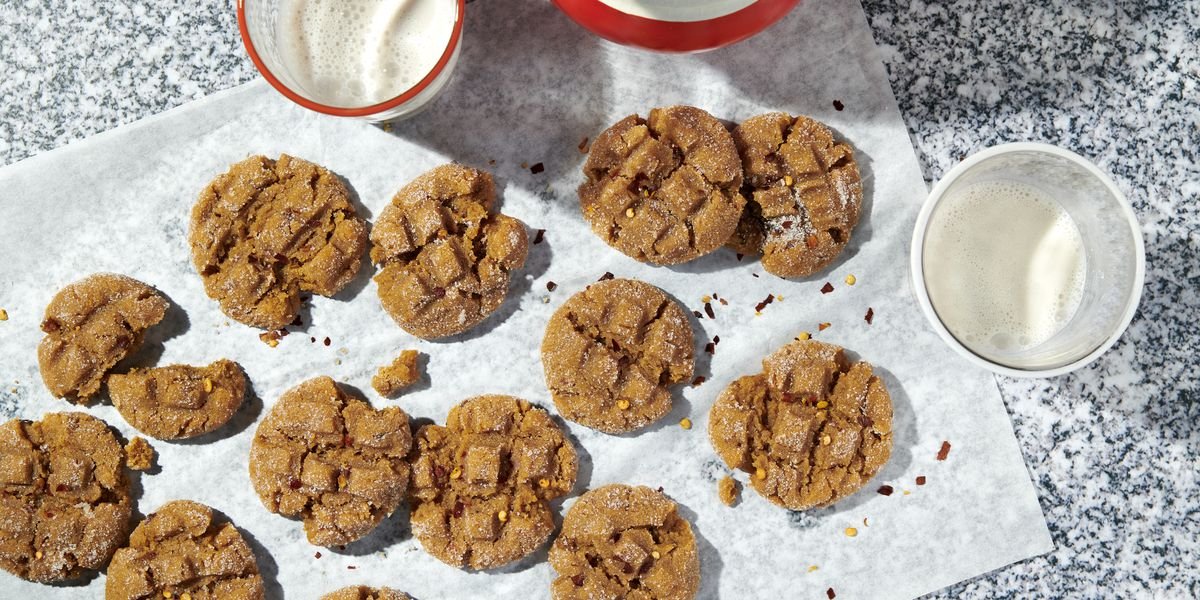
Key Insights
- Distinctive Flavor Profile: Papaya offers a unique sweet-tart and exotic aroma that can significantly enhance cookie formulations.
- Nutritional and Sensory Benefits: Incorporating papaya not only boosts the nutritional content (rich in vitamins and enzymes) but also improves overall taste, texture, and shelf-life stability.
- Methodologies and Standardization: Detailed procedures involving preparation of papaya forms (pulp, powder, puree) and sensory evaluation are crucial for consistent consumer acceptance.
Overview of Papaya as an Innovative Flavor in Cookies
The infusion of papaya (Carica papaya) into cookie production is a multifaceted innovation encompassing flavor enhancement, nutritional improvement, and market differentiation. As a tropical fruit celebrated for its sweet-tart profile and essential vitamins, papaya contributes not only a distinct taste but also functional benefits. Comprehensive evaluations from various studies indicate that, when properly processed and integrated, papaya-based cookies provide a flavorful alternative that appeals to both traditional and health-focused consumers. This exploration synthesizes biochemical insights, consumer sensory evaluations, and economic considerations gathered from diverse research studies.
Methods and Procedures in Cookie Production with Papaya
Papaya Preparation and Processing Techniques
Papaya Forms for Cookie Production
Multiple forms of papaya have been investigated for incorporation into cookie recipes. The predominant approaches include:
- Papaya Pulp and Puree: Fresh, ripened papaya is mashed or pureed to retain its aromatic profile and moisture. Incorporation of papaya puree contributes both flavor and an appealing texture to the cookie dough.
- Papaya Powder: Drying and grinding papaya, especially seeds or pulp, results in a fine powder that can be blended with traditional flours. This method is noted for extending shelf-life and ensuring consistent nutrient delivery.
- Papaya Juice: Utilizing pure juice can effectively infuse cookies with the vibrant, fruity taste while maintaining moisture and tenderness in the product.
Standardizing Production and Consistency
Given the inherent variability in papaya's biochemical makeup (depending on variety, ripeness, and processing method), standardizing production methods is vital. Structured protocols include:
- Consistent Drying and Grinding: Establishing uniform drying times and grinding techniques ensures that papaya powders maintain consistent flavor intensity and texture.
- Controlled Incorporation Ratios: Studies have experimented with various substitution ratios; for instance, blends incorporating 40-50% papaya flour with wheat flour have shown balanced sensory attributes.
- Quality Control: Maintaining objective standards for aromatic compounds like linalool and benzyl isothiocyanate is essential. Sensory panels and biochemical assays are used to verify product uniformity.
Sensory Evaluation and Consumer Acceptability
Sensory Panel Testing
Sensory evaluation is a core component in determining the acceptability of papaya-infused cookies. Studies typically use hedonic or Likert scales to assess key characteristics:
- Taste and Flavor: Descriptors such as sweetness, acidity, and overall aromatic profile are rated. Consumers have expressed a positive reaction to the sweet-tart nuances of papaya.
- Texture and Mouthfeel: Studies indicate that papaya's natural enzymes, which aid in softening, contribute to a more tender and well-perceived biscuit texture.
- Appearance: Papaya can impart a natural, appealing color which enhances the visual allure of cookies.
- Overall Acceptability: Composite scores for overall enjoyment have frequently ranked papaya-infused cookies in favorable ranges, highlighting the fruit's potential market viability.
Objective Standards and Statistical Analysis
To complement sensory evaluations, objective measurements and statistical analyses are implemented. These include:
- Biochemical Metrics: Testing for stable sugar content, volatile compounds, and consistency during storage to reveal shelf-life improvements.
- Statistical Validity: Employing Analysis of Variance (ANOVA) and t-tests on sensory panel data to confirm that differences in formulations significantly impact consumer preferences.
Nutritional and Market Trends in Papaya Cookies
Nutritional Enhancements
Beyond flavor, papaya contributes significant nutritional benefits:
- Vitamins and Enzymes: Papaya is rich in vitamins A and C, which are linked to immune support and skin health. Its digestive enzymes also promote better metabolism of sugars.
- Low-Calorie Option: Papaya is a naturally low-calorie fruit and its use can result in healthier cookies aimed at the fitness-conscious demographic.
- Antioxidant Properties: The presence of antioxidants in papaya aids in reducing oxidative stress, thereby increasing its appeal in functional food markets.
Market Dynamics
The integration of superfoods and functional ingredients into baked goods is a notable market trend. Papaya, with its exotic flavor and health benefits, provides an appealing proposition:
- Consumer Trends: There is a growing demand for healthy snack options that do not compromise on taste, especially among millennials and health-conscious consumers.
- Product Differentiation: Papaya cookies can serve as a niche product in a saturated bakery market, giving brands a competitive edge through unique flavor and nutritional advantages.
- Adaptability: The versatility of papaya allows it to be blended with other health-promoting ingredients, such as malunggay or cocoa, thereby increasing the scope for innovation.
Innovative Insights Through Visual Data Representation
Radar Chart Analysis
The following radar chart illustrates various attributes related to the potential and acceptability of papaya-flavored cookies. Each dataset represents critical factors such as flavor intensity, nutritional benefits, texture quality, market appeal, and homogeneity in production:
Mermaid.js Mindmap
The mindmap below encapsulates the key components and relationships involved in integrating papaya as a flavor agent in cookie production, covering production methods, sensory evaluations, nutritional enhancements, and market implications.
Comparative Analysis Table: Papaya vs. Traditional Cookie Components
Below is a table summarizing the comparative aspects of papaya-based cookies versus traditional cookie formulations. This table integrates data from various studies regarding formulation, sensory attributes, and nutritional benefits.
| Aspect | Papaya Cookies | Traditional Cookies |
|---|---|---|
| Flavor Profile | Exotic, sweet-tart with complex aromas derived from volatile compounds | Conventional sweetness, often less aromatic complexity |
| Texture & Moisture | Tender texture; enhanced by natural enzymes; improved shelf-life | Standard texture; consistency relies on fats and sugars |
| Nutritional Content | Rich in vitamins A & C, antioxidants; low-calorie option | Typically higher in calories; less nutritional diversity |
| Sensory Acceptance | Favored for its unique taste and appearance by diverse consumer groups | High acceptance but may lack innovation appeal |
| Production Consistency | Requires stringent standardization; subject to natural variability in papaya | Easier to standardize with conventional ingredients |
Embedded Educational Video
Papaya’s Journey in Cookie Innovation
The video below offers a detailed demonstration of incorporating exotic flavors like papaya into bakery goods. This resource visually details the transformation of papaya into different ingredient forms, providing practical insights into the preparation and production process.
Frequently Asked Questions
What are the key benefits of using papaya in cookies?
Papaya adds a unique, exotic flavor due to its sweet-tart profile and aromatic compounds. Additionally, it enriches cookies with vitamins (A & C), antioxidants, and natural enzymes that enhance texture and shelf-life.
How is papaya processed for cookie production?
Common methods include preparing papaya pulp or puree for moisture and flavor, drying and grinding papaya into powder for texture and nutrient consistency, and sometimes using papaya juice to perfectly balance flavor and moisture.
What role do sensory evaluations play in developing these cookies?
Sensory evaluations are crucial to test taste, texture, aroma, and visual appeal. They help determine the optimal formulation and ensure that the unique characteristics of papaya are well integrated, leading to high consumer acceptability.
Can papaya cookies meet market demands for healthy snacks?
Yes, by combining papaya's nutritional benefits with innovative flavor profiles, these cookies cater to health-conscious consumers, aligning with the growing demand for functional and nutritious snack options.
References
- Papaya Flavor Insight - McCormick FONA
-
Papaya Flavor Profile Research - NCBI
- Sweetened Delight Study - ResearchGate
- Papaya Seed Powder in Cookies - Home Science Journal
-
Biochemical Evaluation of Papaya - PMC
Recommended Queries for Further Exploration
Last updated April 1, 2025