
Data Analysis: Exploring Papaya's Role in Cookie Formulations
Evaluating nutritional profiles, sensory attributes, and consumer trends for innovative papaya-infused cookies
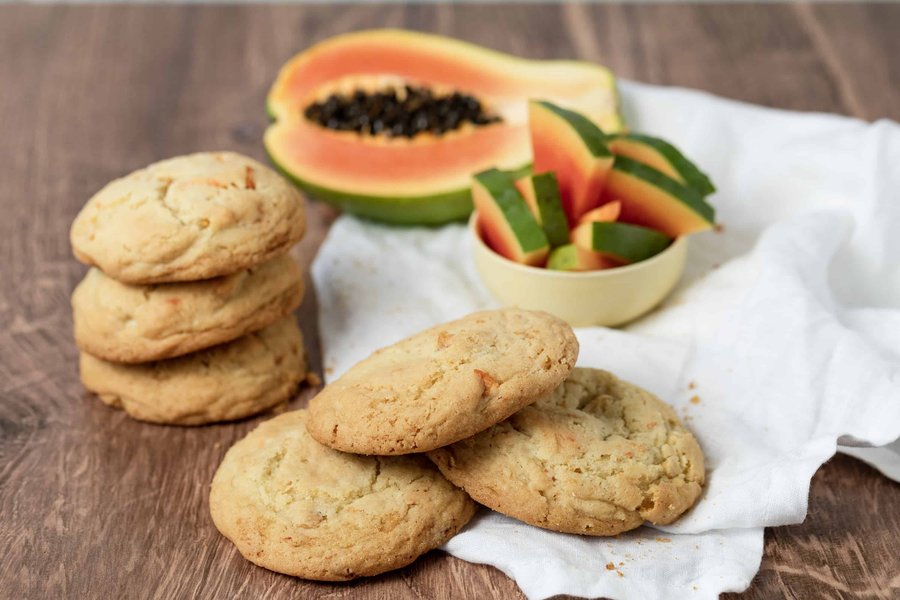
Key Highlights
- Comprehensive Nutritional Insights
- Sensory Evaluation Findings
- Consumer Acceptability Trends
Introduction
In recent years, the exploration of unconventional ingredients in bakery products has grown considerably. Among these, papaya (Carica papaya) stands out due to its rich nutritional profile, distinctive flavor, and functional properties that can enhance cookie formulations. This data analysis synthesizes insights from multiple investigations into the use of papaya as a flavor component in cookies. Here, we discuss the biochemical characteristics, nutritional value, sensory evaluation outcomes, and consumer acceptability trends, while also addressing the challenges and opportunities associated with its application in cookie production.
Several studies have investigated different aspects of papaya incorporation in cookies, including the use of papaya pulp flour, papaya powder, and even papaya seed and peel by-products. Sensory evaluations have shown promising results, highlighting attributes such as color, texture, and flavor, with a subset of experiments reporting superior overall acceptability ratings compared to traditional formulations. Moreover, the nutritional enhancements derived from papaya addition, such as increased antioxidants, vitamins, and dietary fiber, offer potential functional benefits.
Chemical Composition and Nutritional Value
Nutritional Profile of Papaya and Papaya-Enriched Cookies
Papaya is renowned for its rich vitamin and antioxidant profile. An in-depth data analysis reveals that the papaya pulp, when processed into a flour or powder, contributes significant levels of vitamins A, C, and folate, along with dietary fibers and bioactive compounds that possess antioxidant properties. For example, papaya pulp typically demonstrates a moisture content around 4.4%, carbohydrates at approximately 51.0%, proteins near 4.06%, and moderate levels of fats and fibers. When papaya pulp flour is incorporated into cookie formulations, these numbers are modified accordingly, with cookies showing enhanced protein content, elevated vitamin levels, and improved fibrous structure.
Comparative Nutritional Table
| Component | Papaya Pulp Powder | Papaya-Enriched Cookies |
|---|---|---|
| Moisture Content | 4.4% | ~4.2% |
| Carbohydrates | 51.0% | 58.15% |
| Protein | 4.06% | 12.80% |
| Fat | 1.30% | 24.25% |
| Crude Fiber | 8.40% | 2.10% |
| Beta-Carotene | 582.40 μg/100 g | 410.25 μg/100 g |
| Potassium | 77.44 mg/100 g | 163.51 mg/100 g |
The table above portrays key nutritional metrics, comparing raw papaya pulp powder with the corresponding values obtained in cookies enriched with this ingredient. The observed increases in protein content and potassium levels suggest that papaya not only enhances the nutritional profile but also contributes to the functional properties of these cookies.
Sensory Evaluation and Consumer Acceptability
Sensory Attributes
Sensory evaluation, employing hedonic scales and descriptive analyses, plays a crucial role in determining the consumer acceptability of papaya-based cookies. Evaluations focusing on color, texture, flavor, and overall appearance have shown that cookies enhanced with papaya flour or powder generally achieve high ratings. For instance, experiments have reported scores on a 9-point hedonic scale where attributes such as texture and flavor were rated above 8.
Consumers have noted that the inclusion of papaya imparts a unique yet pleasing flavor profile, marked by a subtle sweetness and a distinct fruity aroma. However, challenges persist, such as ensuring flavor consistency and standardizing the levels of volatile compounds responsible for the aroma. Despite these challenges, the sensory appeal remains strong, and adjustments in baking conditions (temperature and duration) have proven effective in maximizing the desirable sensory properties.
Key Sensory Findings
- High overall acceptability and consistent hedonic ratings.
- Enhanced flavor complexity due to natural sugars and VOCs.
- Optimized texture with the appropriate balance of papaya pulp and traditional flour.
Data Analysis Techniques and Methodologies
Experimental Design and Statistical Evaluation
The research methodologies employed in these studies have included experimental designs such as Completely Randomized Designs (CRD) and Factorial CRD to assess the impact of papaya integration. Sensory panels, employing both hedonic and Likert scales, have facilitated robust evaluations of flavor, texture, and overall acceptability. In addition, biochemical analyses (using gas chromatography and mass spectrometry) have been pivotal in identifying the volatile compounds that contribute to the distinctive aroma and flavor profile of papaya.
These methodologies ensure that the data collected is not only statistically significant but also reflective of real consumer preferences. The combination of sensory, chemical, and statistical analyses offers a comprehensive picture of how papaya influences both the nutritional and sensory dimensions of cookie products.
Functional Ingredient Potential and Market Trends
Papaya as a Functional Food Component
From a functional perspective, the incorporation of papaya into cookies offers multiple benefits. Its richness in bioactive compounds such as antioxidants, vitamins, and fibers can enhance the health profile of these baked goods. This functional transformation not only appeals to health-conscious consumers but also aligns with current market trends that favor clean labels and natural ingredients.
With the rising demand for healthier snack alternatives, papaya-enhanced cookies have become attractive for niche markets. Consumer surveys indicate a supportive trend, with many willing to try products that offer both nutritional benefits and unique flavor experiences. However, challenges such as maintaining flavor consistency and determining optimal substitution ratios remain areas for further research and product development.
Visual Representation: Radar Chart Analysis
The radar chart below visualizes the performance indices of papaya-based cookies in key areas including nutritional impact, sensory appeal, consumer acceptability, market potential, and functional properties. The comparison with traditional cookie formulations provides insights into where papaya integration excels, and where traditional recipes might have an edge.
Mindmap of Papaya Cookies Data Analysis
The mindmap below provides a graphical overview of the main elements involved in the analysis of papaya as a flavor in cookies. It highlights key areas including the nutritional composition of papaya, sensory evaluations, consumer acceptability insights, functional benefits, and the challenges faced during product development.
Interactive Video Insight
Explore this engaging video that delves into gluten-free papaya cookies, highlighting preparation techniques and the unique flavor profile achieved through papaya incorporation. This video complements the data analysis by providing a practical demonstration and consumer reaction insights.
Frequently Asked Questions (FAQ)
What nutritional benefits does papaya add to cookies?
How is sensory evaluation performed in studies involving papaya cookies?
What challenges exist in integrating papaya into cookie formulations?
References
-
Papaya Flavor Profiling - PMC
-
Sensory Analysis in Papaya Varieties - PMC
- Impact of Papaya Pulp Flour on Cookies - Wiley
-
Market Trends in Functional Foods - PMC
- Sensory Evaluation of Papaya Cookies - IJIRT
Recommended Queries
Last updated April 1, 2025