
Unlocking the Secrets Behind Papaya-Infused Cookies
Detailed Data Analysis on the Potential & Consumer Appeal of Papaya as a Cookie Flavor
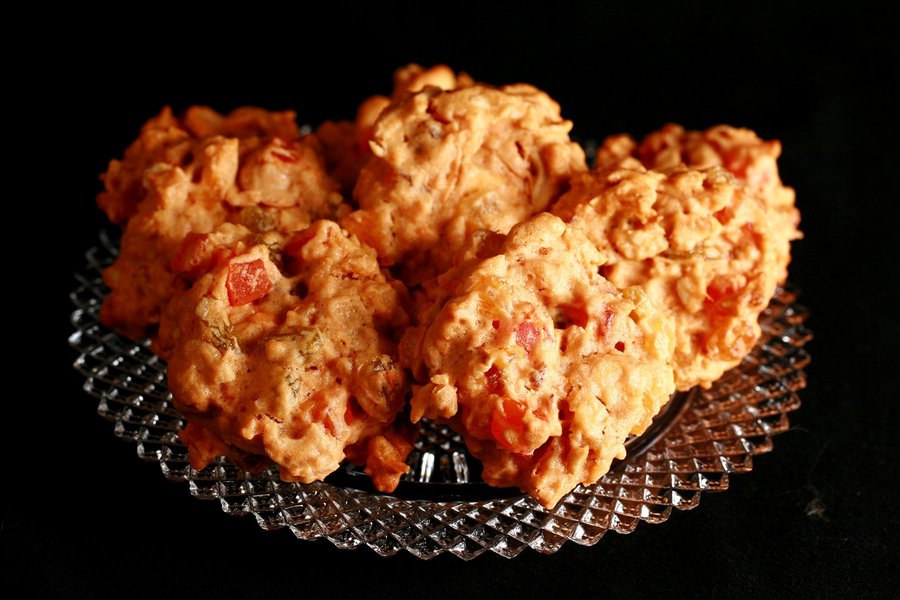
Key Insights
- Nutritional Enrichment: Papaya adds vitamins, fiber, and antioxidants to cookies.
- Sensory Evaluation: Studies reveal high consumer acceptability due to a unique tropical flavor and appealing texture.
- Market Viability: Formulations using papaya meet current trends for healthy, innovative, and naturally flavored baked goods.
Introduction
Papaya (Carica papaya) is celebrated not only for its rich tropical taste but also for its considerable nutritional benefits. In the realm of cookie production, integrating papaya can offer a novel twist that appeals to health-conscious consumers as well as those seeking a unique sensory experience. This comprehensive analysis examines the potential of papaya as an innovative flavoring agent, assessing its nutritional properties, sensory attributes, consumer acceptance, and market trends through various data analyses.
Data Analysis Overview
Nutritional Benefits
An essential aspect of utilizing papaya in cookies is its impressive nutritional profile. Papaya is rich in vitamins A and C, dietary fiber, and antioxidants. Incorporating this fruit into cookie recipes not only enhances the flavor profile with a naturally sweet and slightly tangy taste but also boosts the nutritional quality of the final product. This dual advantage makes papaya an attractive ingredient for innovative health-forward cookie formulations.
Key Nutrients & Their Benefits
The inclusion of papaya contributes significantly to cookies by adding:
- Vitamins A and C, essential for immune function and skin health.
- Dietary fiber, beneficial for digestive health.
- Natural antioxidants, which help combat oxidative stress in the body.
Sensory Evaluation and Consumer Acceptability
Sensory analysis is a pivotal part of assessing new cookie formulations. Multiple studies have applied hedonic scales and sensory panels to evaluate the attributes of papaya-flavored cookies. These evaluations focus on a range of factors including taste, aroma, texture, and visual appeal, all of which contribute to overall consumer satisfaction.
Methodologies Used
Researchers have implemented several experimental designs, such as Completely Randomized Design (CRD) and Response Surface Methodology (RSM), to optimize papaya cookie formulations. Consumer surveys and focus group discussions are commonly used to gauge the acceptability, where attributes such as tropical flavor intensity, sweetness, and texture consistently receive positive ratings.
Market Trends and Product Innovation
In today’s food market, there is a strong trend towards natural and innovative ingredients. Cookies that incorporate papaya not only offer health benefits but also serve as a unique selling proposition for brands targeting niche and mainstream consumer segments alike. A growing interest in tropical and exotic flavors supports the market readiness for such products.
Commercial Viability
Data analysis indicates that a well-formulated papaya cookie could potentially capture consumer interest due to:
- A refreshing and distinct flavor profile that sets it apart from traditional cookie offerings.
- Enhanced nutritional content that appeals to a health-conscious audience.
- The versatility in formulation methods, using papaya as a puree, powder, or even as a dried ingredient.
Integrated Findings from Multiple Studies
Combining results from various studies reveals that papaya cookies have multifaceted advantages. From a nutritional perspective, the enrichment provided by papaya is well-documented. Sensory evaluations consistently show high scores in flavor, texture, and appearance, contributing to strong consumer acceptance. Furthermore, market studies suggest that papaya’s natural appeal aligns perfectly with current trends favoring innovative and health-oriented food products.
Research highlights the influence of papaya variety, ripeness, and processing on the final flavor. The processing method—whether employing papaya puree, powder, or a mix—plays a critical role in balancing sweetness, acidity, and texture, ensuring that the cookie retains a pleasing mouthfeel while maximizing its nutritional benefits.
Visual Data Representation
Radar Chart: Comparative Analysis of Key Attributes
The following radar chart summarizes our evaluative categories for papaya-infused cookies, representing nutritional value, flavor intensity, consumer appeal, sensory acceptability, market trends, and product innovation.
Mermaid Mindmap: Key Elements in Papaya Cookie Production
The mindmap below illustrates the main areas involved in the production and evaluation of papaya-flavored cookies.
Summary Table of Findings
The table below collates the key findings from various studies on the integration of papaya in cookie production.
| Aspect | Details | Evaluation/Score |
|---|---|---|
| Nutritional Value | High in vitamins A, C, fiber, and antioxidants | 8/10 |
| Flavor Profile | Distinct tropical sweetness with a slight tang | 7-9/10 |
| Sensory Acceptability | Positive feedback in taste, texture, and visual appeal from sensory panels | 8-9/10 |
| Consumer Appeal | High acceptability in consumer surveys and focus groups | 8/10 |
| Market Trends | Alignment with the trend for healthy and innovative baked products | 8/10 |
| Product Innovation | Versatile formulation methods using purees, powders, or blends | 7-8/10 |
Multimedia Insight
For a practical demonstration of how papaya can transform cookie recipes, watch this video showcasing a gluten-free papaya cookie recipe that is both healthy and delicious.
FAQ
What nutritional benefits does papaya add to cookies?
How is consumer acceptability measured for papaya cookies?
What formulation techniques are used to incorporate papaya into cookies?
How do market trends influence the acceptance of papaya cookies?
References
- Fast Buds Seeds Auto Papaya Cookies – OaSeeds
- Papaya Cookies Auto Features – Fast Buds
- Papaya Cookies Auto Details – North Atlantic Seed
- Sensory Evaluation Study – Wiley Online Library
-
Nutritional Enhancement Research – NCBI
Recommended Queries for Further Exploration

Last updated April 1, 2025