
Discovering Papaya’s Flavorful Potential in Cookies
Unveiling comprehensive methods and procedures to assess papaya (Carica papaya) in cookie production
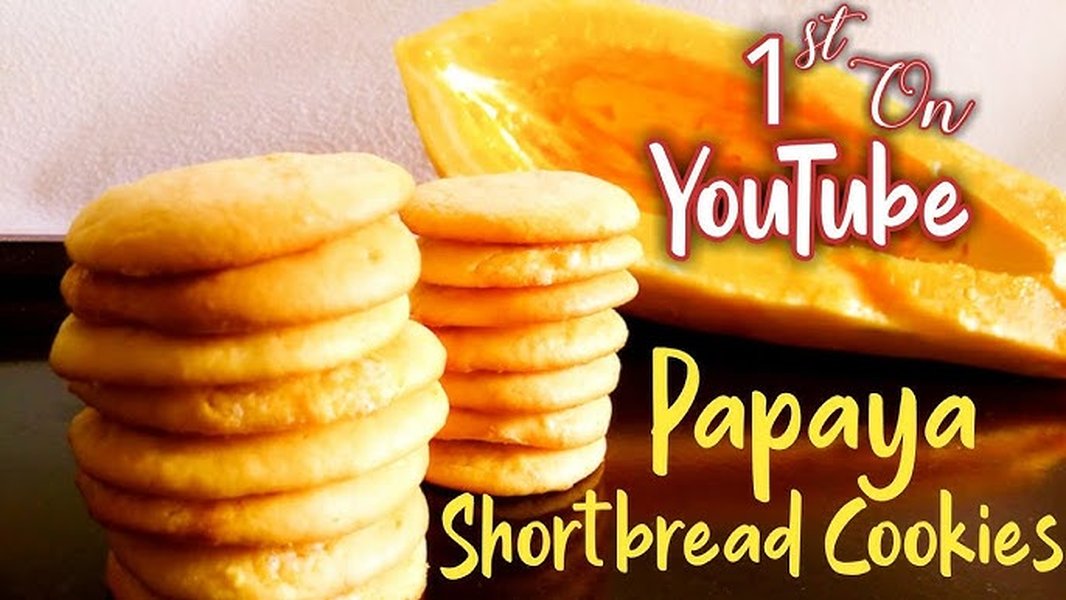
Key Insights
- Sensory and Chemical Analysis: Integration of sensory descriptive tests, volatile compound profiling, and sugar content evaluation to understand papaya’s flavor nuances.
- Formulation and Production: Detailed procedures in selecting papaya varieties, preparing purees/powders, and systematic cookie recipe development.
- Consumer Acceptability Testing: Comprehensive consumer panels using hedonic scales and organoleptic tests to gauge overall acceptance and the correlation with nutritional benefits.
Comprehensive Methodology for Papaya-Infused Cookie Production
Assessing the potential and consumer acceptability of papaya (Carica papaya) as a flavor in cookie production is a multifaceted process that integrates sensory evaluation, chemical analysis, formulation testing, and statistical data analysis. This approach provides both qualitative and quantitative insights into the flavor attributes that papaya brings to cookies, ensuring that the final product meets consumer expectations and stands out in the competitive marketplace.
I. Sensory Evaluation and Flavor Profiling
Sensory evaluation forms the backbone of understanding how papaya influences taste, aroma, texture, and overall acceptance. Multiple sensory analysis methods should be integrated:
A. Hedonic Scale Testing
The hedonic scale is widely used to measure the degree of consumers' liking for various attributes such as flavor, texture, color, and aroma. Panelists rate these attributes typically on a 9-point scale, where a higher score indicates greater acceptance.
B. Descriptive Sensory Analysis
A trained panel of judges can perform descriptive sensory analysis to profile the papaya flavor in the cookies. This involves:
- Identifying key aroma-active volatile compounds through techniques such as Gas Chromatography-Mass Spectrometry (GC-MS).
- Profiling taste attributes by correlating sensory data with chemical composition (high concentrations of compounds like linalool, benzyl isothiocyanate, and soluble sugars such as glucose, fructose, and sucrose).
C. Organoleptic and Hedonic Tests
Untrained consumer panels perform organoleptic evaluations where they assess cookies based on overall sensory impressions. These tests often involve:
- Comparative testing of cookies with different percentages of papaya puree or papaya powder (e.g., 10%, 15%, 20% substitution).
- Collecting consumer feedback on taste, aftertaste, texture, and appearance, which are then statistically analyzed to determine the ideal formulation.
Cookie Formulation and Production Procedures
The technical aspect of integrating papaya into the cookie recipe involves selecting the right papaya form and precise formulation adjustments. Here, a systematic production procedure is recommended.
II. Papaya Ingredient Preparation and Recipe Development
Several forms of papaya can be utilized in cookie production:
A. Ingredient Preparation
- Fresh Papaya Puree: Utilized for retaining the natural flavor profile and moisture in the cookie dough.
- Papaya Flour or Powder: Dried papaya can be milled into a powder, which offers advantages in terms of storage stability and concentration of papaya’s flavor compounds.
- Papaya Seed Powder: Optionally included to add nutritional benefits and introduce subtle flavor nuances.
B. Cookie Formulation
The formulation involves modifying a standard cookie recipe to incorporate papaya ingredients. Key considerations include:
- Deciding the proportion of papaya ingredient relative to traditional flour (e.g., substituting up to 15.9g/100g of papaya flour, based on preliminary sensory data).
- Balancing moisture content, as papaya puree may introduce extra water, influencing the texture and baking time.
- Optimizing sugar composition given that papaya contributes its natural sweetness due to glucose, fructose, and sucrose.
C. Standardized Baking Procedure
Baking the cookies at a controlled temperature (e.g., around 180°C) for a defined period ensures the proper development of texture (crispiness and chewiness) and optimal display of papaya’s flavor. Conducting multiple batches with varied papaya concentrations allows convergence to an optimal formulation.
Advanced Chemical and Nutritional Analysis
In parallel with sensory assessments, performing chemical analyses provides an objective measure of flavor compounds and nutritional benefits.
III. Volatile and Biochemical Profiling
Volatile organic compounds (VOCs) that govern papaya flavor are identified and quantified using methods such as GC-MS. This analysis helps in understanding:
- The concentration and composition of aroma compounds, including esters and terpenes.
- Sugar profiles derived from glucose, fructose, and sucrose that contribute to overall sweetness.
- The transformation of biochemical components during the cookie baking process.
IV. Nutritional and Molecular Evaluation
To substantiate the health proposition of papaya cookies, nutritional evaluation including dietary fiber determination is essential. Using a multienzymatic method, researchers can assess:
- Total dietary fiber content increases with specific levels of papaya flour incorporation.
- Molecular evaluation of gene expression related to sweetness and volatile metabolism in papaya varieties.
Statistical Analysis and Consumer Data Integration
Statistical methods, such as analysis of variance (ANOVA) and correlation analysis, are used to interpret data from sensory tests and chemical assays. This structured analysis helps identify:
V. Data Analysis Techniques
Key analytical techniques include:
- Analysis of Variance (ANOVA): To determine if variations in papaya concentrations result in statistically significant differences in cookie acceptability.
- Kendall’s Coefficient of Concordance: Often employed in organoleptic evaluations to assess agreement among panelists.
- Correlation Analysis: To evaluate relationships between specific sensory attributes (e.g., flavor and aroma) and overall consumer preference.
Focusing on both the chemical profile and consumer acceptability bolsters innovation in product development. Informed formulation decisions based on such comprehensive analysis allow producers to fine-tune the balance between innovative flavors and consumer expectations.
Visual Representation of Comprehensive Analysis
The following radar chart summarizes key aspects of the papaya cookie profile based on our subjective evaluation criteria. Each axis represents a dimension such as flavor, aroma, texture, nutritional profile, and consumer acceptability.
This radar chart illustrates how papaya cookies compare with conventional benchmark cookies, highlighting strengths in consumer acceptability and nutritional benefits, and guiding formulation decisions.
Mermaid.js Mindmap: Visualizing the Assessment Process
The mindmap below illustrates the key components of assessing papaya’s potential as a flavor in cookies, integrating aspects from ingredient selection and sensory evaluation to data analysis and molecular profiling.
Statistical and Comparative Results Overview
The table below encapsulates a comparative overview of various techniques used across the study:
| Method | Approach | Evaluation Criteria | Outcome |
|---|---|---|---|
| Hedonic Scale Testing | Consumer sensory ratings (1-9) | Flavor, aroma, texture, appearance | Identification of optimal papaya concentration |
| GC-MS Analysis | Chemical profiling of VOCs | Identification of esters, terpenes | Correlates with aroma perception |
| Organoleptic Testing | Panel of untrained testers | Overall acceptance ratings | Determines consumer likability |
| Statistical Analysis | ANOVA, correlation analysis | Accuracy of sensory outcomes | Validated results support formulation |
| Nutritional Profiling | Multienzymatic assay | Dietary fiber, sugar content | Optimization of health benefits |
This table provides a summarized view of the various methodologies employed, emphasizing how each contributes uniquely to the overall assessment framework.
Practical Demonstration: An Embedded Video
For an illustration of the practical aspects of papaya cookies production and sensory evaluation, watch the following video demonstration:
FAQ Section
References
-
Papaya Flavor Profiling - PMC
-
Biochemical and Sensory Analysis in Papaya - PMC
- Flavor Insight Report: Papaya - MDPI
- Acceptability of Papaya in Sweetened Delights - ResearchGate
- Sensory Evaluation of Papaya Desserts - Academia
Recommended Explorations
Last updated April 1, 2025