
Unlocking Exotic Flavors: Papaya in Cookie Production
Exploring potential, consumer acceptability, and production methods with Papaya
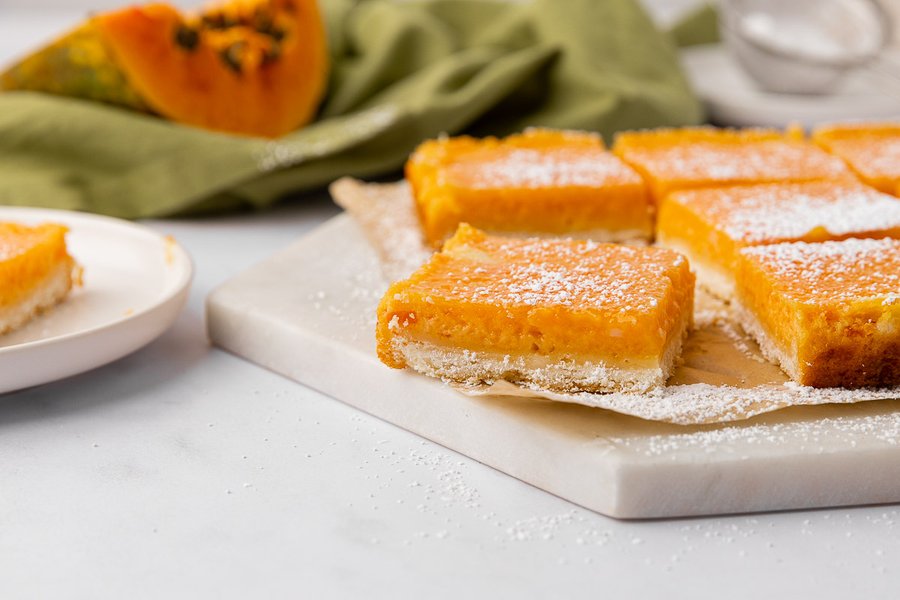
Highlights
- Unique Flavor Integration: Papaya infuses cookies with an exotic, tropical taste that differentiates products.
- Optimized Production Procedures: Strategic formulation enhances texture, color, and overall consumer satisfaction.
- Consumer-Centric Evaluations: Sensory evaluations and statistical analyses help tailor flavors to market preferences.
Introduction: The Value of Papaya in Cookies
The infusion of papaya (Carica papaya) into cookie recipes represents an innovative approach to baking, where flavor uniqueness meets nutritional advantage. Papaya, known for its naturally sweet-tart profile, not only brings a refreshing exotic flavor but also substantial health benefits such as high Vitamin C content, digestive enzymes, and dietary fiber. The adoption of papaya in this context spans across both flavor innovation and functional food ingredients. Consumers are increasingly seeking products that combine palate-pleasing taste with nutritional advantages, positioning papaya-based cookies as a competitive niche in the snack and bakery market.
However, integrating papaya into cookie production is not without its challenges. Variability in fruit quality, ripening stages, and flavor consistency can significantly influence the sensory profile of the final product. Therefore, comprehensive research, including sensory evaluations and detailed production protocols, is essential for successful formulation. This in-depth analysis covers potential benefits, production procedures, and consumer evaluations for papaya-flavored cookies.
Potential of Papaya as a Flavor Agent in Cookie Production
Papaya offers a unique flavor profile that can transform traditional cookie recipes by incorporating an exotic twist. The fruit’s inherent sweetness and slight tanginess can reduce the need for additional sweeteners, leading to a healthier cookie formulation. Additionally, its nutritional value—rich in vitamins, antioxidants, and dietary fiber—adds a healthful dimension that appeals to modern, health-conscious consumers.
In cookie production, the selection of papaya at optimal ripeness is critical. Post-harvest ripening continues to modify the sugar profile and texture of the fruit, which in turn affects the balance and consistency of flavor when integrated into cookie dough. To overcome potential challenges, systematic procedures are required that address flavor extraction, adjustment of sugar levels, and standardization of sensory properties through rigorous sensory evaluations.
Production Methods and Procedures
Developing a consistent method for producing papaya-infused cookies involves several key stages. These stages include papaya selection, flavor extraction, incorporation into the dough, and final sensory evaluation. Below is an elaborated table that summarizes the common phases in the process, comparing methods and noting key considerations:
| Production Stage | Procedure | Critical Considerations |
|---|---|---|
| Ingredient Selection | Identify papayas at ideal ripeness (typically 110 days post-anthesis) to ensure optimal sugar content and flavor consistency. The fruit must be handled with care to avoid bruising and any loss in flavor potency. | Consistency in fruit selection is critical for standardizing flavor intensity and texture in the cookies. |
| Flavor Extraction | Utilize methods such as solvent extraction, distillation, or direct incorporation of papaya puree to capture volatile compounds (esters, terpenes, and linalool) that define papaya's aroma. | Optimize the extraction process to maintain the integrity of the aroma and prevent degradation of key flavor compounds. |
| Recipe Formulation | Adjust the cookie base by incorporating various proportions of papaya puree or papaya powder (ranging typically between 5% to 30%) into traditional recipes. Modify sugar levels to balance natural sweetness. | Monitor moisture content and adjust baking times to avoid textural issues such as sogginess or over-drying. |
| Sensory Evaluation | Conduct sensory tests with trained panels assessing color, aroma, taste, texture, and overall consumer acceptability using a 9-point hedonic scale or similar statistical methods. | Identify consumer liking drivers and evaluate whether the subtle differences in papaya concentration enhance the cookie’s sensory profile. |
| Quality Control and Standardization | Implement standardized procedures based on biochemical variable assessments, ensuring that each batch consistently meets the desired flavor and texture parameters. | Use instrumental analysis and consumer feedback to continuously refine production protocols. |
The table above provides a structured summary of the production stages necessary to incorporate papaya into cookie formulations effectively. Each stage contributes to the final product's integrity and consumer appeal.
Consumer Acceptability and Sensory Evaluations
Consumer acceptability is a multi-dimensional evaluation that relies on sensory assessments and objective measurements. Integrating papaya not only improves the cookie's flavor profile but also enhances nutritional value, which is an increasingly important factor for today's consumers.
Key parameters assessed during sensory evaluations include:
- Flavor Intensity: A balance between papaya’s tropical sweetness and the conventional cookie dough is critical for optimal taste.
- Color and Visual Appeal: Papaya can imbue a vibrant color that makes cookies appear unique and enticing, thus having an aesthetic appeal in retail settings.
- Textural Quality: The moisture content derived from papaya puree can result in softer, more tender cookies, although excessive moisture must be managed to prevent sogginess.
Sensory evaluation involves sampling panels that use hedonic scales (often 9-point), focus group testing, and statistical analysis (such as ANOVA) to determine the influence of various papaya ratios. This insight allows producers to adjust formulations to maximize consumer satisfaction.
Studies have shown that cookies with papaya concentrations of about 10% to 20% tend to receive higher consumer ratings for flavor balance, texture, and overall likability. Consistent sensory evaluations help in fine-tuning recipes and establishing product standards.
Biochemical and Molecular Insights
Beyond taste and texture, biochemical analyses play a significant role in understanding how papaya affects cookie formulations. For example, the expression levels of certain genes (cpGPT2 and cpBGLU31) are correlated with desirable flavor properties, as they influence the production of glucose and other flavor-active compounds.
Optimization of the papaya additive involves ensuring that these key biochemical variables are maintained throughout processing. Researchers have shown that controlling the ripening process and managing enzymatic activity in papaya can result in a stable release of sugar compounds that blend harmoniously with other cookie ingredients.
This molecular approach further clarifies that it is not merely the consumer’s sensory perceptions that matter, but also the underlying biochemical environment that supports flavor stability and consistency. Such dual insights are pivotal in enhancing the market appeal of papaya-infused cookies.
Charting the Sensory Profile: A Radar Chart
The following radar chart illustrates a comparative analysis of key sensory attributes of papaya-based cookies. Each dataset represents opinion-based assessments on critical parameters such as flavor, aroma, texture, visual appeal, and overall consumer satisfaction.
Mermaid Mindmap: Integrating Papaya into Cookie Production
The mindmap below provides a visual overview of the different aspects involved in integrating papaya into cookie production. It outlines how the process starts from fruit selection and extends to consumer acceptance and market positioning.
Detailed Procedures in Papaya Cookie Production
The procedures below elaborate on multiple steps necessary to transform papaya's unique qualities into a successful cookie product:
Step 1: Papaya Selection and Preparation
Choosing papayas at the peak of ripeness is the cornerstone. Papayas should be harvested when they have achieved the ideal balance of sweetness and acidity, typically around 110 days after initial fruit set. Post-harvest handling, including gentle cleaning and minimal processing, is essential to prevent deterioration of flavor compounds. The papayas can be processed into either a puree or dried and powdered form, depending on the desired consistency in the cookie dough.
Step 2: Flavor Extraction and Ingredient Integration
The extraction of flavor from papaya can be accomplished through several methodologies—solvent extraction, distillation, or direct blending of the fruit puree. It is vital to preserve volatile aroma compounds while ensuring that the extraction process does not lead to significant degradation of the fruit’s nutritional components. The extracted flavors are then incorporated into the cookie dough. Adjustments in sugar, flour, and fat ratios may be needed to ensure the papaya's moisture and natural sugars integrate without overwhelming the dough’s structure.
Step 3: Recipe Formulation and Baking Process
During the formulation stage, the papaya puree (or powder) is systematically blended with standard cookie ingredients such as wheat or maida flour, butter, sugar, eggs, and leavening agents. Multiple iterations of recipes might be tested, starting with papaya concentration levels in the range of 5-30% to determine the optimal balance. Variations in moisture content and baking duration are critical factors that impact the final texture and flavor. For instance, a higher papaya content may necessitate shorter baking times to prevent over-browning or loss of moisture.
Step 4: Sensory and Consumer Testing
The sensory evaluation involves structured taste tests using hedonic scales. Panels comprising both trained tasters and regular consumers are utilized to provide feedback on taste, texture, aroma, visual appeal, and overall satisfaction. Statistical analyses, such as ANOVA, help determine the significance of the variations in papaya concentrations. These tests not only validate the consumer acceptability of the product but also offer insights to refine the recipe, ensuring a consistently appealing flavor profile.
Step 5: Quality Control and Continuous Improvement
Post-production, each batch of cookies undergoes rigorous quality assessments. Biochemical analyses are conducted to measure the presence of key flavor compounds and assess any variations due to enzymatic activity. The consistency of these parameters is fundamental, as they directly correlate with consumer acceptability data gathered during sensory evaluations. Any deviations from the established benchmarks prompt adjustments in the production process, ensuring that every cookie produced meets the desired sensory and nutritional standards.
This detailed framework of production methods and procedures outlines a robust approach to incorporating papaya into cookie recipes. It combines practical culinary techniques with scientific methodologies to achieve a balance between innovative flavor, nutritional benefits, and consumer satisfaction.
FAQ Section
What makes papaya an attractive flavor for cookies?
How is the optimal level of papaya determined in cookie recipes?
What sensory evaluation methods are used to assess papaya cookies?
References
-
Papaya Flavor Profiling - PubMed Central
- Papaya Flavor Insight Report - McCormick
-
Biochemical and Sensory Evaluation of Papaya - PMC
-
Dietary Fiber in Papaya Cookies - UNISZA Journal
- Papaya Seed Powder Evaluation - The Pharma Journal
Recommended Related Queries
Last updated April 1, 2025