
Innovative Fusion: Papaya in Cookie Production
Discover the methods, consumer insights, and production process behind papaya-infused cookies
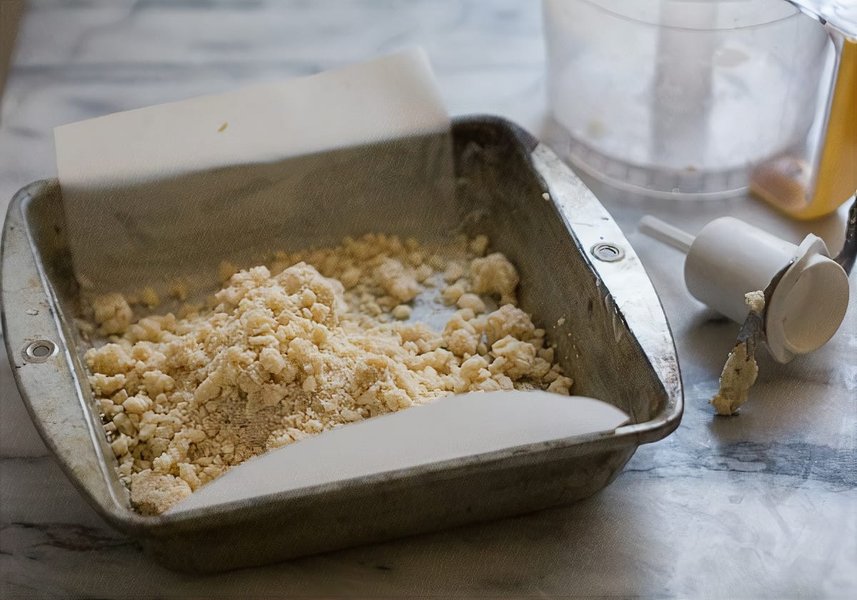
Key Insights
- Flavor & Texture Innovation: Papaya introduces a unique tropical sweetness while enhancing moisture and nutritional content.
- Step-by-Step Production: A thorough method—from ingredient preparation to consumer sensory testing—ensures product quality.
- Consumer and Nutritional Benefits: Papaya’s rich biochemical profile and vitamin content boost consumer appeal and health benefits.
Comprehensive Analysis of Papaya Cookie Production
Incorporating papaya (Carica papaya) in cookie production is an innovative culinary approach that targets both flavor differentiation and nutritional enhancements. Capitalizing on the natural sweetness and unique aroma of papaya, producers can develop cookies with an exotic twist that mesmerizes the consumer. The overall procedure includes careful ingredient selection, precise processing of the papaya component, and rigorous sensory evaluation to ensure that the final product meets consumer expectations.
Papaya Characteristics and Consumer Appeal
Papaya contributes to cookie production in various ways:
- Flavor Profile: The tropical sweetness, nuanced aromatic compounds (such as linalool and terpinolene), and vitamin content make papaya a distinct flavor option. This unique blend can be enhanced with complementary ingredients including spices (e.g., cinnamon, nutmeg) and even coconut.
- Texture Contribution: When properly prepared (by reducing excess liquid), papaya can add a creamy texture without undermining the structural integrity of the cookie. Over-incorporation may lead to a soggy product; hence, the balance is key.
- Nutritional Boost: Rich in vitamins A and C, dietary fiber, and antioxidants, papaya enhances the health profile of cookies, appealing to increasingly health-conscious consumers.
Production Methods and Procedures
The production of papaya-flavored cookies can be broken down into clear, sequential steps. These not only ensure that the cookies achieve the desired flavor and texture but also guarantee consistency and consumer satisfaction. Below is a detailed explanation of each step in the production process.
Step-by-Step Procedure
1. Ingredient Preparation
Proper ingredient selection forms the base of quality cookie production. Essential ingredients include:
- Fresh or processed papaya (puree, powder, or juice as per desired intensity)
- Flour, sugar, butter, eggs (or a substitute), and other baking essentials
- Optional spices such as cinnamon or nutmeg that complement the tropical flavor
2. Papaya Processing
The papaya should be optimally processed to integrate well into the dough:
- Preparation: Remove the skin and seeds (if necessary), extract as much liquid as possible, or create a concentrated puree or dried powder form.
- Balancing Moisture: The extraction of excess moisture is vital to prevent sogginess in the final product.
3. Dough Formation
Combining papaya with the cookie dough requires precision:
- Mix the dry ingredients, such as flour, baking powder, and desired spices in one bowl.
- Cream the fats (like butter) with sugar in another bowl until light and fluffy.
- Incorporate eggs gradually and then blend in the papaya preparation ensuring uniform distribution.
- Integrate dry ingredients delicately without overmixing, preserving cookie tenderness.
4. Shaping and Baking
Once the dough is evenly mixed:
- Shape the dough into uniform scoops or use cookie molds as per the desired design.
- Place the dough on a prepared cookie sheet, taking care to allow enough space between cookies.
- Bake at a preheated temperature (e.g., 350°F or 175°C) for a set duration, typically 10-15 minutes, until the edges turn a light golden brown.
5. Cooling and Packaging
After baking:
- Allow cookies to cool on the tray for a minute before transferring them to a cooling rack.
- Ensure the cookies are fully cooled before packaging to maintain their texture and packaging integrity.
6. Sensory Evaluation and Consumer Testing
To confirm consumer acceptability:
- Conduct sensory tests focusing on taste, aroma, texture, and appearance.
- Gather feedback using standardized hedonic scales and consumer surveys.
- Analyze data for optimal papaya concentration and overall cookie quality.
Visual Representation of the Process
Production Process Block Diagram
The following table summarizes the key stages in the production process for papaya-flavored cookies:
| Stage | Description | Key Considerations |
|---|---|---|
| Ingredient Preparation | Select and prep high-quality papaya and baking essentials. | Moisture reduction, ripeness, complementary spices |
| Papaya Processing | Process papaya (puree/dried/powder) ensuring optimal consistency. | Uniform texture, concentration control |
| Dough Formation | Mix dry and wet ingredients, incorporating papaya smoothly. | Avoid overmixing, maintain tenderness |
| Shaping & Baking | Form cookie shapes and bake at optimal temperatures. | Uniform sizing, controlled baking time |
| Cooling & Packaging | Cool cookies appropriately then package post-cooling. | Preserve texture and freshness |
| Sensory Evaluation | Test cookies for taste, aroma, texture and get feedback. | Consumer acceptance, hedonic scoring |
Each production stage has been optimized for ensuring the best balance between the inherent qualities of papaya and the overall cookie characteristics.
Enhancements via Radar Chart and Mindmap Diagram
Industry Insights Radar Chart
The radar chart below offers an opinionated visualization of various qualitative aspects that can be considered in papaya cookie production. This chart evaluates aspects such as flavor innovation, nutritional benefit, consumer appeal, production complexity, and market differentiation.
Mermaid Mindmap of Production Process
To further clarify the production process visually, the mindmap below summarizes the sequential stages and interconnections in a simple layout.
Interactive Media
Papaya Cookie Production in Action
To see the papaya cookie production process in a dynamic setting, check out the following video demonstration focused on the flavor integration and baking techniques. The video guides viewers through the ingredient processing and cookie formation stages, providing context for how papaya enhances the overall production.
Frequently Asked Questions (FAQ)
What makes papaya a suitable flavor for cookies?
How is the moisture from papaya controlled during production?
What are the key stages in papaya cookie production?
- Ingredient Preparation and Papaya Processing
- Dough Formation with balanced moisture
- Shaping and Baking at optimal temperatures
- Cooling and Packaging to maintain quality
- Sensory Evaluation and Consumer Testing to ensure market acceptance
References
- Papaya Cookies Auto - OaSeeds
- Papaya Cookies Auto - FastBuds
- Papaya-Coconut Cookies Recipe - My Cookie Journey
-
Flavor Profiling of Papaya - PMC
- Consumer Acceptability in Papaya Cookies - Academia
Related Queries

Last updated April 1, 2025