
Assessing Papaya as a Flavor in Cookie Production
A comprehensive research design for evaluating consumer acceptability and sensory quality
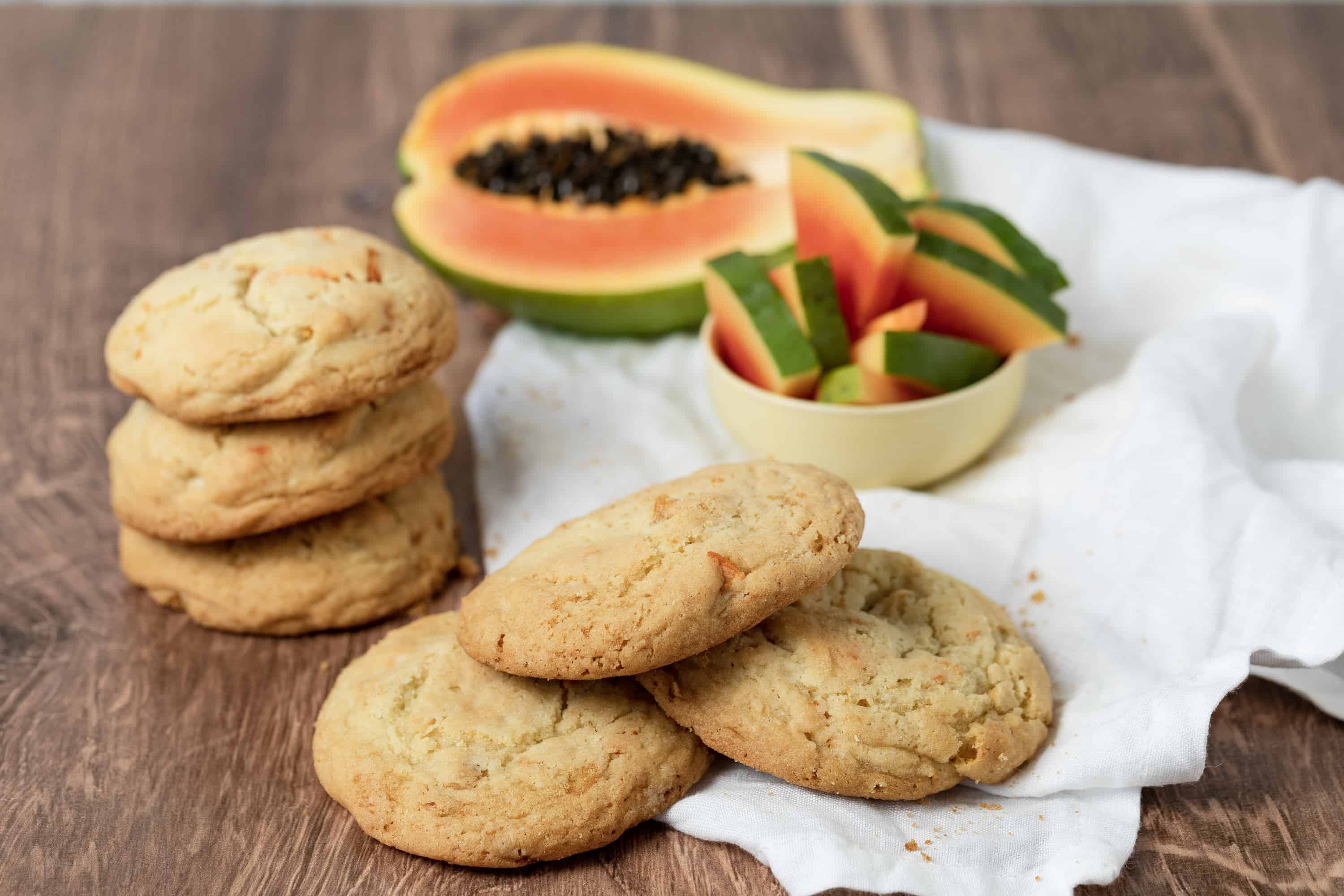
Key Highlights
- Sensory Evaluation – Critical assessments including flavor, texture, and color using structured hedonic scales.
- Experimental Design – Use of controlled and randomized trials to compare different levels of papaya incorporation.
- Nutritional and Market Analysis – Integration of chemical analysis and consumer surveys to determine nutritional benefits and purchasing intent.
Introduction
With the rising interest in functional and novel baked products, incorporating natural ingredients like papaya (Carica papaya) into cookies has emerged as an intriguing possibility. The fruit is celebrated for its unique flavor profile, health-promoting antioxidants, vitamins, and dietary fibers. The aim of this research design is to assess the potential and consumer acceptability of papaya as a flavor component in cookie production. It encompasses sensory evaluation techniques, nutritional analyses, and market research strategies to determine the optimal formulation and consumer reception.
Research Objectives
The primary objectives of this research are as follows:
- Sensory Characterization: To evaluate flavor, texture, color, and aroma differences in cookies with varying levels of papaya.
- Consumer Acceptability: To measure consumer liking and overall acceptability using hedonic scales and surveys.
- Nutritional Evaluation: To compare the nutritional enhancements, such as antioxidant content and fiber levels, between papaya-enhanced cookies and standard formulations.
- Market Potential: To assess consumer willingness to purchase these cookies, thus providing insights into the market viability and potential branding strategies.
Research Design Overview
A systematic approach integrating both quantitative and qualitative methodologies is essential for a valid assessment of papaya's potential as a cookie flavoring agent. The research is divided into several phases: literature review, formulation development, sensory evaluation, nutritional analysis, consumer surveys, and data analysis. Each phase is designed to isolate and quantify the impacts of papaya incorporation on the final product.
1. Literature Review and Background Research
Prior to experimental work, a robust literature review should be conducted. This review will focus on:
- Previous studies evaluating the use of fruit pulps, purees, and powders in baked goods.
- Sensory evaluation methodologies in food science experiments, particularly in cookie production.
- Nutritional benefits associated with papaya, such as enhanced antioxidant properties and improved fiber content.
- Consumer behavior trends and marketing strategies for innovative baked products.
2. Formulation Development and Sample Preparation
This phase involves preparing a series of cookie samples with different levels of papaya incorporation. To maintain consistency and ensure that any variations in sensory attributes can be attributed to papaya, it is essential to standardize other ingredients and processing conditions.
Sample Categories
Four main groups should be established:
- Control Group: Cookies made without papaya.
- Low Level: Cookies with approximately 1-5% papaya puree or powder added.
- Medium Level: Cookies with approximately 5-10% papaya inclusion.
- High Level: Cookies with 10-15% papaya, ensuring a pronounced papaya flavor.
The papaya can be incorporated in different forms such as pulp powder, peel flour, or puree. It is recommended that preliminary tests determine the optimal form based on factors like flavor intensity, moisture content, and processing compatibility.
3. Sensory Evaluation
Sensory evaluation is critical for assessing consumer acceptability. An organoleptic or sensory test will be conducted using a trained panel or consumer group. Key sensory parameters include:
- Color and Appearance: Visual attractiveness can influence consumer perceptions even before tasting.
- Aroma: The natural scent of papaya as well as any additional odors imparted during baking.
- Texture: Analyzing the crunch, chewiness, and overall mouthfeel of the cookies.
- Taste: Evaluation of sweetness, papaya flavor intensity, and potential off-notes.
- Overall Acceptability: General consumer satisfaction measured via a nine-point hedonic scale.
Sensory Evaluation Procedure
To achieve objective results:
- Recruit 100-150 participants representing a diverse range of demographics.
- Conduct evaluations in a controlled sensory testing room with standardized lighting and temperature.
- Use a structured questionnaire where each cookie variant is rated on a scale (e.g., 1 to 9) for each sensory attribute.
- Ensure multiple sessions to avoid fatigue biases and allow participants to cleanse their palate between samples.
Statistical analysis, particularly ANOVA, should be employed to determine significant differences among the control and experimental groups.
4. Nutritional Analysis
Incorporating papaya could enhance the nutritional profile of the cookies. Conduct laboratory analyses to determine:
- Antioxidant Capacity: Assess total phenolic content using methods such as the Folin-Ciocalteu assay.
- Fiber Content: Evaluate dietary fiber levels to determine overall health benefits.
- Vitamins and Minerals: Particularly vitamin C and other nutrients naturally present in papaya.
These chemical analyses will help justify the functional food claim for papaya-enriched cookies and may provide a competitive edge in the market.
5. Consumer Acceptability and Market Analysis
In addition to sensory evaluation, a detailed consumer survey will be administered to understand broader market acceptability. This survey should address:
- Questions regarding the taste, texture, and appearance of the cookies.
- Willingness to purchase papaya-flavored cookies versus traditional varieties.
- Perceptions of health benefits associated with natural fruit additives.
- Demographic data to identify target consumer segments.
Market analysis can include focus groups and pilot production trials, collecting qualitative data on presentation, packaging, and branding strategies. Insights from these surveys will help define business models for a potential product launch.
6. Experimental Setup and Data Analysis
A randomized complete block design (RCBD) or Completely Randomized Design (CRD) should be employed to handle variability in test samples and consumer responses.
Experimental Factors
Each experimental block should contain:
- Different treatment levels (control, low, medium, high papaya addition).
- Replication to increase the reliability and validity of the results.
Data collected from sensory evaluations and consumer surveys must be analyzed through statistical tools such as ANOVA and regression analysis. These methods will help quantify the impact of papaya on key sensory attributes and identify the optimal papaya concentration.
The following table outlines a clear summary of sample groups and evaluation parameters:
| Sample Group | Papaya Concentration | Sensory Attributes Evaluated | Nutritional Focus | Consumer Survey Topics |
|---|---|---|---|---|
| Control | 0% | Color, aroma, texture, taste | Baseline evaluation | Overall acceptability |
| Low Level | 1-5% | Subtle papaya notes; minimal textural change | Antioxidant boost, fiber increment | Purchase intent and flavor likability |
| Medium Level | 5-10% | Clear papaya flavor; noticeable aroma and impact on texture | Enhanced nutrient values | Flavor satisfaction and health benefits |
| High Level | 10-15% | Strong papaya profile; possible textural variances | Maximum antioxidant and fiber levels | Overall product innovation and market viability |
Implementation Timeline and Resources
A well-planned timeline ensures the smooth progress of the research. The following phases are recommended:
- Literature Review: 2 weeks – Collate existing work on papaya in baked goods.
- Formulation and Sample Preparation: 3-4 weeks – Develop cookie recipes and conduct pilot runs.
- Sensory and Nutritional Evaluation: 4 weeks – Run sensory panels, laboratory nutritional assays, and compile data.
- Consumer Surveys and Market Analysis: 4 weeks – Distribute surveys and analyze consumer feedback.
- Data Analysis and Reporting: 3-4 weeks – Use statistical tools to establish significance and prepare a comprehensive report.
In terms of resources, you will require:
- Cookie production facilities with standardized recipes and equipment.
- Access to a sensory evaluation lab with controlled conditions.
- Laboratory facilities for nutritional and chemical analysis.
- Statistical software for data analysis (e.g., SPSS, R).
- A team including food scientists, research assistants, and sensory panel coordinators.
Marketing and Commercial Prospects
The potential of papaya as a flavor ingredient in cookies extends beyond sensory and nutritional enhancements. Using consumer data collected through surveys and taste panels, marketing strategies can be tailored to emphasize:
- Health Benefits: Highlighting the natural antioxidants, fibers, and vitamins that papaya adds to cookies.
- Unique Flavor Profile: Leveraging the tropical and refreshing flavor of papaya to differentiate from traditional cookie flavors.
- Sustainability and Innovation: Positioning papaya-infused cookies as part of a novel range of functional foods that meet modern consumer demands for healthier snack options.
Market segmentation studies and pilot launches in local bakeries can help to evaluate initial consumer acceptance in real-world conditions. Adjustments in recipe formulation may be necessary if feedback indicates textural or flavor imbalances when scaled to commercial production.
Data Analysis and Interpretation
Data collected from sensory evaluation and surveys will be statistically analyzed to determine:
- Whether the differences in taste, texture, and aroma between the cookie variants are statistically significant.
- Optimal papaya concentration that balances the sensory attributes with nutritional enhancements.
- The correlation between papaya levels and consumer purchase intent.
It is advisable to use analysis of variance (ANOVA) to compare sensory scores across different formulations, followed by regression analysis to model consumer acceptability as a function of papaya concentration. Such analyses ensure that any recommendations for product optimization are based on robust statistical evidence.
Final Recommendations for Future Research
While this comprehensive research design outlines the key aspects necessary for assessing papaya's potential in cookie production, further studies could explore:
- Longitudinal studies to track changes in consumer preferences over time.
- Exploring additional functional ingredients alongside papaya for a multi-benefit baked product.
- Variations in papaya forms (e.g., dried papaya, fermented papaya) and their effects on both the microstructure and sensory properties of the cookies.
- Investigating the role of packaging and branding strategies in boosting market acceptance.
References
-
Enrichment of Cookies with Fruits and Their By-Products - PMC
- Investigation on Sensory Evaluation of Papaya Cookies - ResearchGate
- Quality Evaluation in Cookie Production - Wiley Online Library
-
Papaya Flavor Profiling and Nutritional Benefits - PMC
- Development of Functional Cookies with Papaya By-products - ResearchGate
Recommended Related Queries
Last updated March 22, 2025