
Exploring Papaya Flavor in Cookies: A Journey into Sensory Research
Designing a comprehensive instrument to assess papaya as a unique cookie flavor
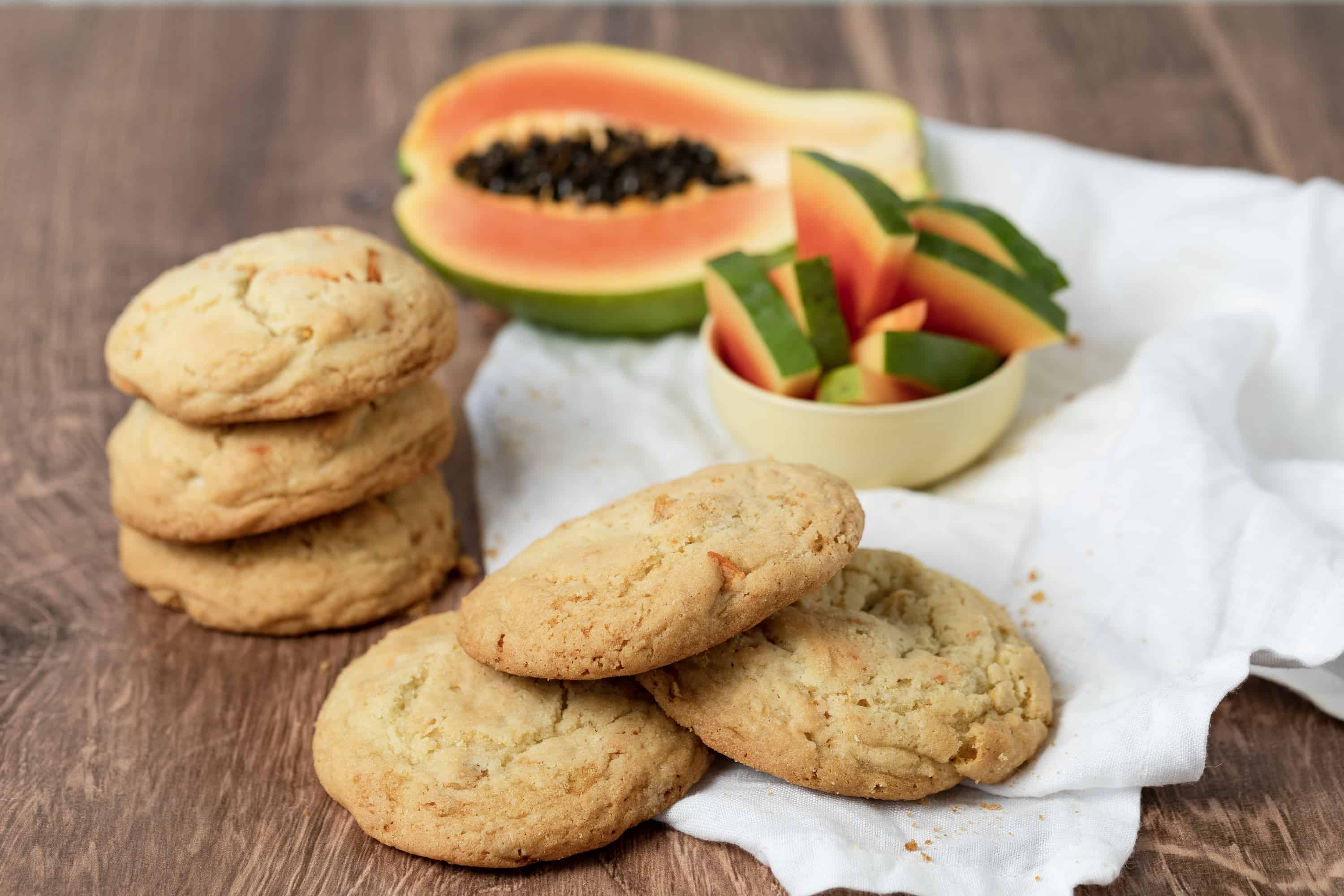
Key Highlights
- Sensory Evaluation Integration: Detailed sensory attributes including appearance, aroma, taste, texture, and overall acceptability.
- Consumer-Centric Approach: Involvement of structured consumer panels and surveys to gauge market potential and flavor preference.
- Multifaceted Instrument Design: Combining quantitative scales and qualitative feedback for a holistic understanding of consumer acceptability.
Overview of the Research Instrument
The research instrument designed to assess the potential and consumer acceptability of papaya (Carica papaya) as a flavor in cookie production integrates thorough sensory testing and detailed consumer feedback. This instrument is structured to gather data through standardized sensory evaluation methods, market surveys, and demographic assessments to ensure the findings are robust and applicable for product development and marketing strategies.
1. Research Objectives
The primary aims of the study are:
- To assess sensory attributes: Identify and measure key attributes such as appearance, aroma, taste, texture, and aftertaste of papaya-infused cookies.
- To determine consumer acceptability: Utilize hedonic scales to quantify how well consumers receive the papaya flavor in cookies.
- To explore market potential: Understand the likelihood of consumers trying, purchasing, and recommending papaya-flavored cookies as a unique market offering.
2. Methodology
The instrument employs a mixed-methods approach, combining quantitative sensory evaluations with qualitative survey questions. This dual approach is essential for capturing both measurable sensory differences and the more subtle consumer perceptions of novelty and flavor uniqueness.
2.1 Sensory Evaluation Process
Sensory evaluations will be conducted with a structured panel of participants using a standardized score card method. Participants are asked to assess the cookies based on the following criteria:
- Appearance: Visual appeal, including color and uniformity.
- Aroma: The intensity and pleasantness of the papaya aroma combined with other cookie scents.
- Taste: The balance of flavors, particularly the distinct papaya taste, sweetness, and any underlying tanginess.
- Texture: The mouthfeel, crispness, and softness of the cookie.
- Aftertaste: Duration and pleasantness of the flavor experienced after consumption.
- Overall Acceptability: General liking measured using a hedonic scale (e.g., 1–5 or 1–9 depending on study design).
Panelists will rate each attribute based on a predetermined scale, offering quantitative data directly linked to the sensory quality of the cookie.
2.2 Consumer Acceptability Test
This component of the instrument focuses on capturing consumers’ overall experience and their willingness to adopt a new product. Key aspects include:
- Hedonic Scale Rating: Consumers evaluate their overall liking of papaya-flavored cookies on a 9-point hedonic scale (1 = dislike extremely, 9 = like extremely). This method has been widely used in sensory studies to capture individual acceptance levels.
- Comparison Sessions: In some designs, a comparative test including traditional cookies, cookies with papaya, and possibly cookies with alternative fruit flavors can help place papaya’s unique profile in context.
- Purchase Intent: Questions related to the likelihood of purchasing the product, pricing sensitivity, and packaging preferences. This helps gauge market readiness and consumer willingness to try and pay for a novel flavor.
3. Survey Design and Questionnaire Structure
The survey component is divided into multiple sections to cover diverse aspects of consumer experience and demographics. Below is an outline of the questionnaire design:
Section 1: Demographic Information
This section gathers essential data about the participants, ensuring that the sample is representative of the target market:
- Age, gender, and income level
- Educational background and health considerations (e.g., allergies)
- Cookie consumption habits and frequency
Section 2: Sensory Evaluation of Cookies
Participants evaluate key sensory qualities using structured questions and defined scales:
- Ratings on appearance, aroma, taste, texture, and aftertaste using a Likert-type scale (typically 1-5 or 1-9)
- Open-ended questions to capture any additional descriptive details regarding the papaya flavor
- Comparative tasting sessions to assess how papaya flavor stands against standard cookie flavors
Section 3: Overall Acceptability and Market Intent
This section evaluates the broader acceptance and commercial viability of the papaya cookie variant:
- Consumer Liking Score: Overall rating on a hedonic scale to assess the degree of acceptance.
- Purchase Behavior: Questions related to buy intentions, frequency of potential consumption, and price sensitivity.
- Unique Selling Proposition: Items that explore the novelty of papaya flavor and its potential to serve as a market differentiator.
Section 4: Qualitative Feedback and Additional Insights
This final section provides an opportunity for participants to offer their insights or suggestions for improvement:
- Open-ended queries asking for detailed feedback on the cookie's flavor, texture, and overall appeal
- Comments on possible improvements or alternative uses of papaya in cookie formulations
Data Collection and Analysis
Data acquired from the sensory evaluations and consumer surveys will be analyzed using both descriptive and inferential statistical methods. Here’s a comprehensive table breaking down the data collection and analysis plan:
| Component | Data Collected | Analysis Method |
|---|---|---|
| Sensory Evaluation | Ratings on appearance, aroma, taste, texture, aftertaste, overall acceptability | Descriptive statistics, ANOVA, and correlation analysis |
| Consumer Acceptability | Hedonic scores, purchase intent ratings, frequency of consumption | Descriptive statistics, regression analysis |
| Qualitative Feedback | Open-ended responses | Thematic analysis |
| Market Survey | Demographic data, consumer preferences, likelihood of purchase | Cross-tabulation, factor analysis |
4. Implementation Details
Setting up the research involves careful sample selection and organized test conditions. Key steps include:
- Sample Size: The study might target a minimum of 100 consumers ensuring a variety of demographic profiles. This helps in obtaining a balanced review from diverse consumer segments.
- Panel Recruitment: Participants can be recruited from universities, local communities, or through online platforms. Stratification by demographic characteristics is recommended to improve the validity of the findings.
- Test Environment: A neutral setting with standardized lighting, ambient conditions, and clearly marked testing stations will be set up. This ensures minimal bias during the sensory evaluation process.
- Data Quality Assurance: Implementing training sessions for panelists or briefings to ensure consistency in ratings and responses. Calibration of evaluators helps achieve reliable and reproducible results.
Summary of the Research Instrument Components
This comprehensive instrument integrates a clear structure to capture both the sensory attributes and the consumer acceptability of papaya as a cookie flavor. Below is a summary outline:
- Research Objectives: Evaluate sensory characteristics and market potential.
- Sensory Evaluation: Use quantitative score cards measuring key attributes such as appearance, aroma, taste, texture, and aftertaste.
- Consumer Survey: Include demographic questions, hedonic scales, and open-ended items to gather qualitative feedback.
- Market Analysis: Assess purchase intent, price sensitivity, and the unique appeal of papaya in a competitive market.
Practical Applications
The insights gained from this study could guide product development and marketing strategies significantly. By understanding which sensory attributes drive consumer acceptance and what market segments are most responsive, producers of papaya-infused cookies will be better positioned to:
- Optimize the recipe to enhance desirable sensory characteristics.
- Develop targeted marketing campaigns that highlight the unique taste and health benefits of papaya.
- Establish a niche market for innovative, fruit-enhanced bakery products.
References
- Acceptability of Papaya (Carica L.) as Sweetened Delight - ResearchGate
-
Enrichment of Cookies with Fruits and Their By-Products - PMC
- Biochemical, Sensory, and Molecular Evaluation of Flavour and Consumer Acceptability - Academia.edu
- Biochemical, Sensory, and Molecular Evaluation - PubMed
- Consumer Acceptability Study - IJISRT
Recommended Related Queries
Last updated March 23, 2025