
Exploring Papaya’s Promise in Cookie Production
Unveiling methods, sensory tests, and consumer appeal insights
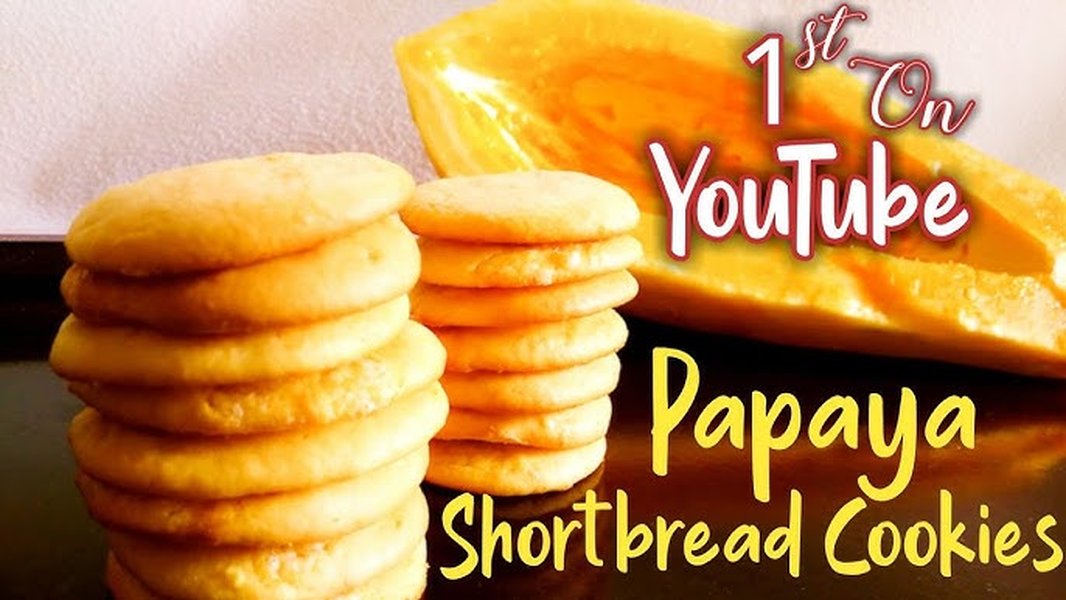
Key Highlights
- Comprehensive Sensory Evaluation: Detailed sensory tests including hedonic scales, JAR scaling, and descriptive analysis for flavor, texture, and color.
- Production Techniques: Step-by-step cookie formulation with papaya puree, peel flour, or seed powder, along with precise baking parameters.
- Consumer Acceptance Studies: Incorporates feedback through surveys, focus groups, and central location tests to analyze taste and nutritional benefits.
Assessing Papaya's Potential in Cookie Production
The innovative flavor potential of papaya (Carica papaya) in cookie production has been garnering attention due to its unique combination of sweetness, subtle musk, and tropical aroma. Several studies and practical experiences have detailed the incorporation of papaya in cookie formulations, providing a comprehensive overview of its promise for both sensory delight and nutritional enhancement.
Flavor Profile and Nutritional Benefits
Papaya exhibits a sweet-tart flavor with hints of musk and tropical fruit aromas, making it an attractive candidate for innovative cookie recipes. In addition to offering a distinct taste, papaya is nutritionally robust – containing vitamins A and C, potassium, and the digestive enzyme papain. These properties not only enhance the flavor profile but also add health benefits, making papaya-enhanced cookies desirable in health-conscious markets.
Sensory Evaluation Methods
In order to thoroughly assess papaya’s viability as a cookie flavor, sensory evaluation is fundamental. Multiple methodologies are in practice:
- Hedonic Scaling: A common method asking consumers to rate flavor likeness on a scale — typically 1 to 9. This approach quantifies consumer acceptance and highlights the overall palatability of papaya-infused cookie formulations.
- Just-About-Right (JAR) Scaling: Used to measure the intensity of specific flavors. It helps determine if the sweetness, acidity, and musky undertones of papaya are balanced ideally within the cookie matrix.
- Descriptive Analysis: Provides a descriptive breakdown of flavors, textures, aromas, and visual appeal. Panels assess attributes like cookie color, crumb structure, and the dispersion of papaya’s aroma.
- Focus Groups and Surveys: Gather consumer opinions via group discussions or structured questionnaires, providing valuable insights into market preferences and potential formulation tweaks.
Laboratory and Field Studies
Apart from sensory evaluations, laboratory studies including chemical analysis, nutritional evaluation, and texture analysis have also been critical in determining papaya’s suitability.
- Chemical Analysis: Involves evaluating sugar content, acidity, flavor compounds, and volatile profiles. This ensures that the natural variance in papaya’s flavor can be standardized in cookie production.
- Nutritional Analysis: Papaya is celebrated for its vitamins and minerals. Testing confirms that the integration of papaya leads to cookies with improved nutritional profiles without sacrificing taste.
- Texture Analysis: Utilizes instruments to measure the hardness, chewiness, and crumbliness of the final product. Properly integrating papaya puree or papaya peel flour must ultimately complement rather than compromise the cookie texture.
Cookie Production Techniques Involving Papaya
Ingredient Selection and Preparation
Selecting the optimal form of papaya plays a crucial role. There are several options available:
- Papaya Puree: Fresh papaya is washed, peeled, deseeded, and blended into a smooth puree that is often incorporated into the cookie batter. The puree adds moisture, natural sweetness, and an exotic flavor.
- Papaya Peel Flour: This innovative approach involves drying and milling the papaya peel. The flour adds a subtle nutty sweetness and can also contribute fiber to the cookies.
- Papaya Seed Powder: A less common but innovative method incorporates papaya seeds, which may be blended with wheat flour. This can provide unique flavor notes and nutritional benefits.
Step-by-Step Cookie Formulation
Whether using puree, peel flour, or seed powder, the process typically involves several key steps during cookie production:
- Mixing of Dry Ingredients: Standard ingredients such as wheat flour, sugar, and baking powder are measured and uniformly mixed.
- Incorporating Papaya: Depending on the approach, papaya puree is added at a proportion usually ranging from 10% to 50% relative to the flour weight. Adjustments might be necessary to account for the extra moisture.
- Blending Wet Ingredients: Eggs, butter, and possibly vanilla or complementary spices like cinnamon and nutmeg are mixed. The papaya component is mixed with these to ensure even flavor distribution.
- Cookie Shaping: Once the dough reaches the desired consistency, it is shaped into small portions, whether rounded or cut into specific patterns.
- Baking: The cookies are baked at around 180°C (350°F) for approximately 10-20 minutes depending on size and formulation specifics, until golden and firm while retaining the desired moist texture.
Consumer Acceptability Testing Procedures
After the cookie formulation process, the next pivotal stage is to evaluate consumer acceptability through rigorous testing methods:
- Panel Testing: Assemble a panel of taste testers representing diverse demographics to sample the cookies. The panel evaluates visual appeal, aroma, flavor complexity, texture, and overall likability based on sensory scales.
- Central Location Tests (CLTs): In controlled environments, larger groups of consumers taste different formulations. Their feedback is collected using hedonic scales and questionnaires which help determine the balanced formulation.
- Statistical Analysis: Data from these tests are analyzed using statistical methods to discern significant differences among formulations. This information guides recipe optimization and helps determine the consumer-favored version.
Visual and Data Analysis
Visual aids such as comparative tables and charts can help in summarizing key data points from sensory and consumer studies.
Cookie Formulation Comparison Table
| Formulation | Main Papaya Component | Sensory Attributes | Consumer Score Range |
|---|---|---|---|
| Papaya Puree Cookies | Puree (10-50% flour weight) | Moist, sweet-tart, tropical aroma | 7-9/9 |
| Papaya Peel Flour Cookies | Dry peel flour (5-15% substitution) | Slightly nutty, fiber-rich | 6-8/9 |
| Papaya Seed Powder Cookies | Seed powder blended with wheat flour | Unique flavor, earthy notes | 6-8/9 |
This table summarizes the three primary papaya-based cookie formulations, highlighting their ingredients, sensory characteristics, and consumer acceptance scores. Such a breakdown assists manufacturers in choosing the most promising formulation based on both taste and nutritional merits.
Innovative Visualization of Flavor and Process Metrics
To further illustrate the integrated sensory and production attributes of papaya-flavored cookies, the following radar chart represents various metrics such as flavor intensity, texture quality, nutritional benefits, consumer appeal, and production feasibility. This helps visualize key strengths and areas that may require further refinement.
The radar chart provides an at-a-glance understanding of how each papaya-based cookie formulation performs across multiple key dimensions. These evaluations can guide further development and refinement efforts.
Mapping the Process with a Visual Mindmap
A mindmap below outlines the overall process from ingredient selection to consumer testing in developing papaya-based cookies. This visual guide encapsulates the major steps, ensuring a holistic view of the entire production and evaluation procedure.
Case Study: From Lab to Consumer Plate
Industrial applications and research studies routinely document that using papaya in cookies not only enhances unique taste profiles but also bolsters nutritional profiles. In some innovative formulations, manufacturers substitute a portion of the conventional flour with papaya products (puree or peel flour) to create a moist, flavorful, and visually appealing cookie. Consumers participating in structured sensory evaluations have reported a strong appetite for cookies that deliver both health benefits and a unique tropical flavor.
Additionally, the use of papaya encourages diversity in flavor innovation, setting the stage for product differentiation in an increasingly competitive market. For instance, studies indicate that cookies with a controlled addition of papaya display higher acceptability scores compared to traditional recipes when balanced with additional flavor enhancers like vanilla and spices.
Frequently Asked Questions
Additional Learning Resources
- Papaya Flavor Insight Report - McCormick FONA
-
Consumer Preference & Sensory Evaluation - PMC
- Papaya Acceptability Studies - ResearchGate
- Cookie Formulation Analysis - Wiley Online Library
- Technical Insights on Papaya-Centered Recipes - Papaya
Recommended Queries for Further Exploration
Last updated April 1, 2025