
Deforestation and Paper Plate Production
Exploring Literature Review Citations, Names, and Years on Environmental Impact
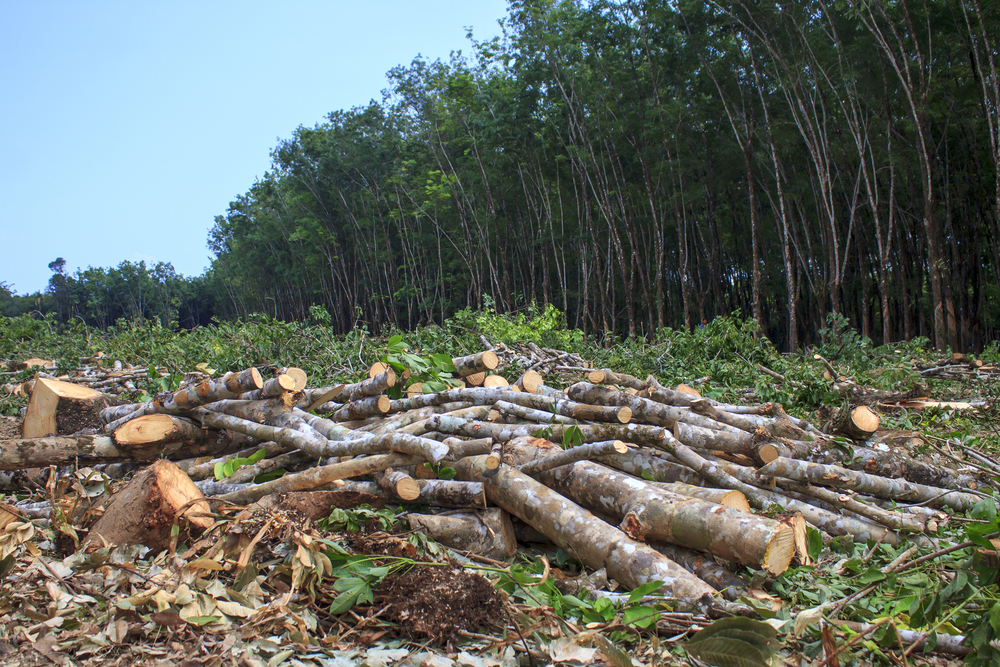
Key Insights
- Deforestation Impact: Several studies link paper plate production to significant deforestation, noting the loss of millions of hectares of forest annually.
- Primary Sources: Major citations include research from 2013 to 2024, highlighting the contributions of industries like pulp and paper to forest degradation.
- Sustainable Alternatives: Literature stresses the need for improved and sustainable practices within the paper industry to mitigate adverse environmental impacts.
Overview of Environmental Concerns
The production of paper plates relies on wood pulp, a process catapulting multiple environmental repercussions. This practice contributes to deforestation, a term referring to the large-scale clearing of forests, which results in habitat loss, biodiversity decline, and increased carbon emissions. Researchers and environmental commentators have explored these themes, particularly emphasizing the paper industry's role in exacerbating deforestation. Through a review of literature (RRL – literature review), you will find several key sources that offer a timeline of research from 2013 to 2024. Each citation provides a unique insight into how paper plate production contributes to deforestation and highlights the need for sustainable methods.
Significant Studies and Citations
Detailed Citations in Literature
In the literature addressing deforestation due to paper plate production, various sources have documented the environmental toll associated with this industry. Within these studies, several citations are critical as they not only provide empirical measurements of deforestation but also contextualize the broader environmental impacts. Below is an in-depth look at the primary sources:
Paper on the Rocks (2018)
This source highlights that approximately 14% of global deforestation is attributable to paper products production, including paper plates. The resource documents the annual destruction of around 4.1 million hectares of forests, painting a stark reality where demand for disposable paper products drives environmental degradation. The study uses quantitative measures to illustrate the impact and calls for a reevaluation of sourcing practices to favor sustainable alternatives.
TriplePundit (2013)
TriplePundit’s 2013 article offers an early detailed assessment of the link between paper products, such as paper plates, and widespread deforestation. The report emphasizes that the industrial wood harvest, a significant part of which is allocated to paper production, is central to understanding the broader issues of habitat destruction and industrial demands on forest resources. TriplePundit provides a foundational citation in the evolving discussion on deforestation.
Medium (Year Unspecified)
Published on Medium, a comprehensive analysis titled “The Environmental Impact of Disposable Plates” outlines the connections between paper plate manufacturing and deforestation. Although the exact year is not always clearly listed in some discussions, this article has been widely referenced for its detailed overview of the environmental consequences of disposable plate consumption. The narrative includes historical perspectives and data on deforestation trends directly tied to the growing paper industry.
Emerald Ecovations (2024)
Another influential source is Emerald Ecovations (2024), which focuses on both the deforestation consequences and the compostability of paper plates. While the article underscores that paper plates are generally biodegradable, it also critically examines the upstream impacts of virgin wood pulp sourcing on forests. The citation from 2024 adds a recent perspective to the literature, indicating that despite potential composting benefits, the production practices themselves remain environmentally invasive.
Additional References and Contextual Studies
Beyond the primary sources mentioned above, additional scholarly and journalistic investigations further bolster the argument that paper plate production is linked with deforestation:
- Sciencing (2018): This citation reinforces similar themes, providing clarity on the magnitude of environmental impact by discussing deforestation metrics alongside sustainability challenges in paper production.
- Desmog (2023): With a modern lens, Desmog (2023) assesses current practices, linking the risk of deforestation with the increasing demand for paper-based packaging solutions, including disposable plates.
Comparative Analysis of the Citations
Convergence of Findings
When comparing these sources, several convergent themes emerge:
Quantitative Impact
Multiple studies consistently report that paper plate production contributes significantly to the global deforestation narrative through the consumption of substantial amounts of virgin wood pulp. For instance, the 2018 findings from Paper on the Rocks quantify deforestation in millions of hectares, while TriplePundit (2013) contextualizes the scale of destruction by linking it directly with industrial paper harvesting.
Environmental Degradation
The environmental degradation resulting from deforestation is a critical focus across the literature. Habitat loss, biodiversity reduction, and increased carbon emissions are universally recognized as consequences. Researchers argue that the cumulative effects of these impacts require urgent attention, with sustainable practices proposed as viable alternatives to current methods.
Temporal Evolution
Citations spanning over a decade from TriplePundit (2013) to Emerald Ecovations (2024) illustrate an evolving awareness and heightened urgency. Earlier studies set a benchmark in understanding the environmental impacts, while later works integrate sustainability frameworks, dissecting how modern practices can adhere less destructively to ecological balances.
Synthesis Table: Key References
The following table synthesizes the key references, their publication year, and their primary focus in relation to deforestation due to paper plate production.
| Source | Publication Year | Primary Focus |
|---|---|---|
| Paper on the Rocks | 2018 | Quantitative analysis of forest loss; approximately 4.1 million hectares annually. |
| TriplePundit | 2013 | Early critique linking paper production with global deforestation and habitat destruction. |
| Medium (Environmental Impact of Disposable Plates) | Year Unspecified | Comprehensive exploration of the environmental costs including deforestation, prompted by increased demand for disposable products. |
| Emerald Ecovations | 2024 | Recent analysis focusing on deforestation alongside the compostability of paper plates. |
| Sciencing | 2018 | Focuses on the environmental effect of paper plates, reinforcing other findings on deforestation impact. |
| Desmog | 2023 | Analysis linking industrial paper plate production with continuing risks of deforestation. |
Discussion on the Broader Implications
Economic and Environmental Repercussions
Beyond the immediate concern of tree loss, deforestation due to paper plate production has cascading effects across economic and environmental domains. The removal of forests not only disrupts local ecosystems but also impedes global carbon sequestration, a key natural process for regulating the climate. As deforestation accelerates, the imbalance contributes to the increase of atmospheric carbon dioxide, exacerbating climate change.
Biodiversity Loss
Trees form the backbone of most terrestrial ecosystems. Their removal leads to habitat degradation and the eventual disappearance of various species. The literature makes it clear that the loss of forested areas results in severe biodiversity reductions, impacting numerous species that depend on these habitats for survival. Such biodiversity loss not only affects ecological balances but also undermines the resilience of ecosystems against environmental stresses.
Industrial Practices and Sustainability
The reviewed literature consistently calls for a reevaluation of industrial practices in the paper production sector. Key references urge the adoption of sustainable forestry practices, enhanced recycling methods, and a shift toward renewable alternatives to reduce the dependency on virgin wood pulp. These sustainable practices are critical in mitigating the cumulative environmental damage associated with paper plate production.
The Role of Consumers and Policy
Increasing consumer awareness about the environmental impacts linked with disposable paper products can catalyze policy changes. The literature emphasizes that consumer choices, when supported by stringent environmental regulations, can shift production trends towards sustainability. Implementing policies that encourage recycling and the use of recycled materials in paper production could significantly reduce the negative impacts on forests.
References
- Paper on the Rocks - Environmental Impact of Deforestation (2018)
- TriplePundit - Deforestation and the Role of Paper Products (2013)
- Medium - The Environmental Impact of Disposable Plates
- Emerald Ecovations - Understanding the Environmental Impact (2024)
- Sciencing - Environmental Effect Of Paper Plates (2018)
- Desmog - Paper Packaging and Deforestation (2023)
Recommended Queries for Further Exploration
Last updated March 7, 2025