
Deforestation and Paper Plate Production
Understanding the Environmental Impacts and Sustainable Alternatives
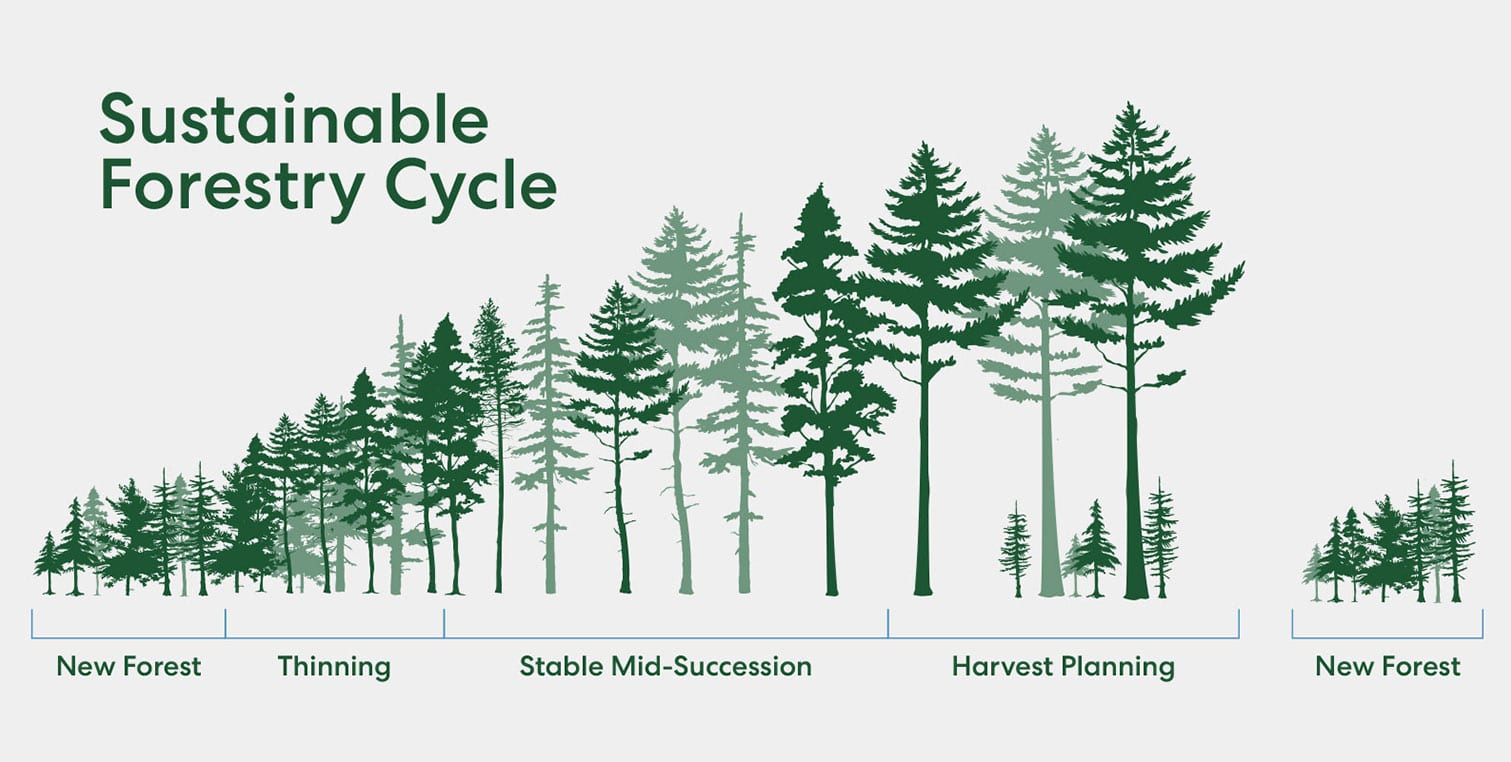
Key Highlights
- Deforestation Drivers: Tree harvesting for wood pulp directly contributes to habitat loss and carbon emission increases.
- Resource and Energy Use: The manufacturing process involves significant water, energy, and chemical inputs that exacerbate environmental degradation.
- Sustainable Alternatives: Transitioning to compostable or renewable alternatives can mitigate adverse effects on ecosystems.
Introduction to Deforestation and Paper Plates
Paper plates, commonly perceived as a convenient solution for disposable dining, harbor a hidden environmental cost linked to deforestation. Their production is largely dependent on wood pulp, which is mainly sourced from trees. This process involves the removal of vast swathes of forest, leading to significant ecological imbalances. Understanding the lifecycle of paper plates—from raw material extraction to the final disposal—reveals why they contribute considerably to deforestation and environmental degradation.
Raw Material Sourcing and Deforestation
The central component of paper plate production is wood pulp, obtained by processing trees. This extraction is the primary driver of deforestation:
Harvesting Trees for Wood Pulp
Wood pulp is derived from trees specifically grown or harvested from natural forests. In many instances, virgin wood fibers are preferred over recycled fibers, resulting in large-scale forest clearance. The removal of these trees leads to:
- Loss of natural habitats: Numerous species that rely on forest ecosystems are displaced, resulting in biodiversity loss.
- Carbon release: Trees act as carbon sinks. When cut down, they release stored carbon dioxide into the atmosphere, contributing to climate change.
- Soil degradation and erosion: The removal of vegetation disrupts the soil structure, leading to increased erosion and nutrient loss.
Impact on Biodiversity
Deforestation not only removes trees but also destroys the intricate web of life that relies on healthy forests. Loss of habitat leads to a decline in biodiversity, affecting animal populations, plant species, and the overall health of the ecosystem. Forests play a crucial role in sustaining ecological balance, and their loss can have far-reaching, global impacts.
Manufacturing Process and Environmental Costs
Beyond the extraction of raw materials, the manufacturing of paper plates involves additional environmental burdens. These processes require significant inputs of water, energy, and chemicals, intensifying the overall environmental impact.
Energy Consumption and Chemical Use
The conversion of wood into pulp necessitates extensive energy use. Chemical treatments, such as bleaching with chlorine, are often employed to achieve the desired whiteness and purity. These chemicals, if not managed properly, can have detrimental effects on both terrestrial and aquatic ecosystems. Moreover, the energy footprint of the production process furthers the depletion of natural resources.
Water Utilization and Pollution
The pulping process in paper plate manufacturing is water-intensive, contributing to significant water consumption. Furthermore, water pollution arises from the discharge of chemical-laden effluents into water bodies, which can adversely affect aquatic life. The high water usage, combined with water pollution, represents an unsustainable use of one of our most crucial natural resources.
Waste Generation and Recycling Challenges
Despite being labeled as biodegradable, many paper plates are rendered non-compostable or non-recyclable due to the presence of food residues and, in some cases, plastic coatings. The disposal of these contaminated plates frequently ends up in landfills, where they contribute to methane emissions—a potent greenhouse gas that fuels global warming. This cycle exacerbates both waste accumulation and environmental pollution.
Environmental Impacts Summarized
To provide a clear perspective, the environmental implications of paper plate production can be viewed under several interrelated categories:
| Impact Category | Consequences | Mitigation Strategies |
|---|---|---|
| Deforestation | Loss of forests leads to habitat destruction, reduced biodiversity, and diminished carbon sequestration capacities. | Adoption of sustainable forestry practices, responsible sourcing, and reforestation initiatives. |
| Carbon Emissions | Tree removal and manufacturing processes release significant amounts of CO2, driving climate change. | Reducing reliance on virgin wood pulp by incorporating recycled materials and alternative fibers. |
| Water and Energy Usage | High water consumption and energy use in production degrade natural resources and increase pollution risks. | Implementing water recycling systems, energy-efficient technologies, and environmentally friendly chemical alternatives. |
| Waste and Recycling Issues | Contaminated and coated paper plates hinder recycling processes, leading to landfill accumulation and methane emissions. | Using non-coated, compostable materials that are easier to process and biodegrade naturally. |
Exploring Sustainable Alternatives
Given the environmental drawbacks of traditional paper plates, it is crucial to explore more sustainable alternatives that reduce deforestation and environmental degradation. Increasing awareness and adoption of these alternatives can play a pivotal role in lessening the overall ecological footprint.
Compostable Sugarcane Bagasse Plates
Made from the fibrous residue of sugarcane after juice extraction, bagasse plates present a promising alternative. They are fully compostable and do not require the extensive tree harvesting associated with wooden pulp production. Their manufacturing significantly reduces deforestation risk while maintaining the convenience of disposable tableware.
Palm Leaf Plates
Derived from fallen palm leaves, these plates are an environmentally friendly alternative. Unlike traditional paper plates, palm leaf plates do not necessitate tree felling. Their production supports the use of agricultural by-products and reduces the strain on forested regions, thereby preserving biodiversity and reducing carbon emissions.
Recycling and Reusable Options
In addition to compostable alternatives, promoting recyclable and reusable dishware is a viable strategy. Though recycling paper plates is complicated due to food contamination, efforts to improve recycling technology and encouraging thorough cleaning have a role to play. Reusable dinnerware made from sustainable materials minimizes single-use waste and cuts down long-term environmental impacts.
Global Impact and Policy Implications
The production of paper plates is not isolated; it forms part of a larger global issue of resource consumption and environmental degradation. National and international policy frameworks are increasingly focusing on sustainable practices to mitigate deforestation and reduce carbon footprints. Policies targeting the paper and pulp industry encourage:
Sustainable Forestry Certification
Many regions now require wood for paper products to be sourced from forests managed under sustainable certification standards. These certifications ensure responsible logging practices that protect biodiversity and promote reforestation.
Incentives for Green Manufacturing
Governments and environmental organizations are providing incentives for companies to adopt energy-efficient manufacturing processes and reduce waste. Incentives may include tax breaks, grants for technological upgrades, and support for research into green chemistry.
Consumer Awareness and Behavior
Increased consumer awareness has led to a demand shift towards environmentally friendly products. Educated consumers are more likely to choose alternatives that reduce deforestation, ensuring that market forces drive companies to enhance sustainability in production. The trend of conscious consumerism is becoming a fundamental part of the global response to environmental issues.
Comparative Analysis: Traditional vs. Sustainable Options
Below is a comparative analysis that highlights the environmental trade-offs between traditional paper plates and emerging sustainable alternatives:
| Feature | Traditional Paper Plates | Sustainable Alternatives |
|---|---|---|
| Raw Material | Virgin wood pulp from trees | Recycled materials, bagasse, or naturally fallen palm leaves |
| Deforestation Impact | High; requires tree felling and leads to habitat loss | Low; uses agricultural by-products or naturally dropped materials |
| Manufacturing Process | Energy, water, and chemicals intensive | Often requires fewer resources and produces less toxic waste |
| Waste Management | Contaminated with food residues; recycling is challenging | Easily compostable or recyclable; designed for single-use with minimal environmental lingering |
| Carbon Footprint | Elevated due to deforestation and manufacturing emissions | Lower emissions; helps mitigate carbon release through reduced deforestation |
Innovations and Future Prospects
Innovation in sustainable materials continues to provide a pathway away from reliance on deforestation-intensive practices. Research and development in alternative fibers and improved manufacturing processes are key to reducing environmental pressures. Noteworthy areas include:
Biodegradable Coatings
Efforts are underway to develop biodegradable coatings for paper plates, eliminating the need for petroleum-based polymers. Such innovations would enable easier composting and reduce landfill waste.
Enhanced Recycling Technologies
Advances in recycling technologies may offer solutions to overcome the challenges posed by food residue contamination. Improved separation and cleaning techniques could allow for the recycling of used paper plates, thus lowering waste volumes.
Sustainable Manufacturing Practices
Incorporating renewable energy sources and water recycling systems in manufacturing plants can significantly reduce the environmental footprint. Such practices not only conserve resources but also mitigate the overall impact on the ecosystem.
Role of Consumer Choice
Ultimately, consumers play a pivotal role in steering market trends. By choosing products made from sustainable materials and supporting companies that adhere to green practices, individuals can contribute to reducing deforestation and environmental degradation. Here are some ways to drive change:
Informed Purchasing Decisions
Look for products that are certified for sustainable sourcing and responsible manufacturing. Clear labeling on compostability and recyclability helps consumers make environmentally conscious choices.
Supporting Eco-friendly Brands
Support companies that invest in sustainable innovations and actively promote environmentally friendly practices. Your purchasing power can drive larger shifts in industry standards.
Advocacy and Awareness
Raising awareness about the environmental repercussions of deforestation linked to paper plate production can foster community-level actions and policy changes. Educating peers and participating in environmental campaigns amplify the call for sustainable practices.
References
- The Environmental Impact of Disposable Plates - Medium
- Are Paper Plates Bad for the Environment? - How to Dispose
- Are Paper Plates Bad for the Environment? - Greenchi Cafe
- Sustainability Challenges in the Paper Industry - AIChE
-
Indonesia Deforestation for Pulp Paper - Environmental Paper
Recommended Queries

Last updated March 7, 2025