
Deforestation and the Impact of Paper Plate Production
An in-depth exploration of how paper plate manufacturing contributes to deforestation and ecosystem disruption
Key Highlights
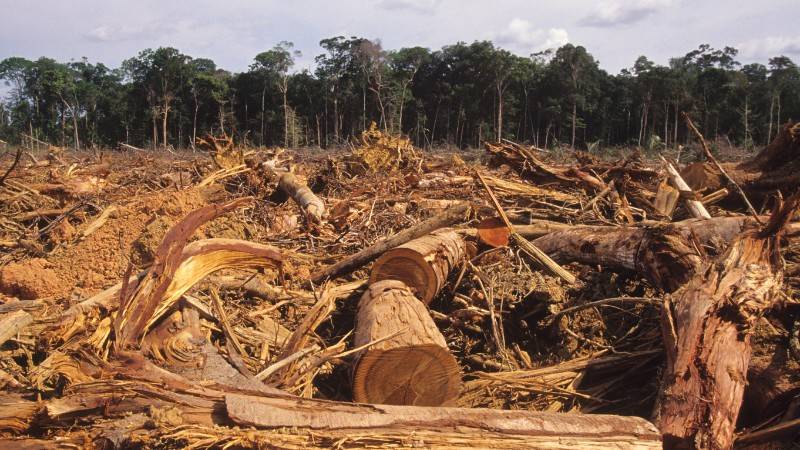
- Resource Extraction and Forest Loss: The production of paper plates relies heavily on wood pulp, directly impacting forests through tree cutting and habitat destruction.
- Ecosystem and Climate Implications: Deforestation linked to paper products disrupts biodiversity, reduces carbon sequestration, and contributes to climate change.
- Sustainable and Alternative Solutions: Transitioning to recycled materials or using alternative fibers such as bamboo and bagasse can mitigate deforestation effects.
Understanding the Process of Paper Plate Production
The production of paper plates begins with the extraction of raw materials, primarily wood pulp. Wood pulp is derived from trees that are harvested from forests, and this extraction process is directly linked to deforestation. In many cases, the demand for raw pulp forces industries to source from natural forests, which may lead to large-scale tree removal.
Forests act as crucial carbon sinks, absorbing significant amounts of carbon dioxide and maintaining ecological balance. When trees are removed for the production of pulp, the environmental consequences extend beyond immediate habitat loss. The removal of tree cover diminishes the capacity of forests to sequester carbon dioxide, exacerbating the effects of climate change. Moreover, the disruption of local ecosystems affects biodiversity, endangering numerous plant and animal species.
The Connection Between Paper Plate Manufacturing and Deforestation
Resource Extraction and Wood Pulp Consumption
The core material in paper plate production is wood pulp. For each ton of paper products produced, many trees are cut down, contributing directly to forest degradation. This extraction process places immense pressure on forest resources and can result in unsustainable logging practices.
Certain research estimates and discussions suggest that the paper industry can be linked to approximately 10-14% of overall deforestation activities. While paper plates themselves might represent a small fraction of the total paper products market, the cumulative impact of consumer demand for disposable products intensifies this deforestation cycle.
Ecosystem Disruption and Biodiversity Loss
Beyond the mere removal of trees, the deforestation that supports the production of paper plates carries broader ecological consequences. The continuous loss of forests leads to several key impacts:
- Habitat Fragmentation: When trees are removed, animal habitats become fragmented and less viable for sustaining local wildlife populations.
- Reduction in Biodiversity: Each tree loss can mean a decline in the variety of species that rely on forest ecosystems for survival, eventually reducing overall biodiversity.
- Disruption of the Carbon Cycle: With fewer trees to absorb carbon dioxide, the balancing act of the global carbon cycle is upset, resulting in higher atmospheric carbon levels.
- Impact on Soil and Water: Trees contribute to soil stability and water regulation; deforestation can lead to soil erosion and altered water cycles, affecting both flora and fauna.
Deforestation contributes directly to these environmental challenges, reiterating the need for sustainable alternatives in paper product manufacturing.
Environmental Implications of Deforestation Due to Paper Products
Climate Change Contribution
Forests play an essential role in capturing and storing carbon dioxide. The removal of trees for wood pulp significantly diminishes this capability, facilitating an increase in greenhouse gases in the atmosphere. Over time, this contributes to global warming and other climate-related impacts.
The loss of forests also disrupts local and global weather patterns. Without the moderating influence of vast forest ecosystems, regions may experience more extreme weather events, further stressing local agriculture, water supplies, and human habitats.
Waste Management and Recycling Concerns
A complicating factor in the environmental impact of paper plates is their limited recycling potential. Many disposable paper plates come with a plastic lining or other non-biodegradable coatings to enhance durability and resist moisture. These additives make the plates challenging to recycle or compost, often relegating them to landfills where they can release methane and other pollutants over time.
The increased presence of non-recyclable waste adds pressure on waste management systems and contributes indirectly to further environmental degradation. Thus, the environmental footprint of paper plates extends beyond deforestation to include waste management issues that compound the original ecological damage.
Mitigating the Impact: Sustainable Alternatives and Best Practices
Compostable and Alternative Materials
To mitigate the negative effects associated with the production of traditional paper plates, industries and consumers are increasingly turning to sustainable alternatives. Some of these alternatives include:
- Compostable Plates Without Plastic Linings: Plates made purely from biodegradable materials that allow for easier composting reduce the waste management challenges associated with traditional plates.
- Alternative Fiber Sources: Materials such as bamboo, sugarcane bagasse, and other agricultural by-products are being explored as substitutes for wood pulp. These materials lessen the pressure on forests and are often renewable, requiring far less detrimental environmental impact.
- Recycled Materials: Wherever possible, incorporating recycled paper can diminish the dependence on freshly harvested wood pulp, thus slowing deforestation trends. Certification programs, such as those managed by the Forest Stewardship Council (FSC), help ensure that recycled materials meet environmental and ethical standards.
These solutions not only address deforestation but also improve overall waste management owing to a greater potential for composter compatibility and recyclability.
Industry Initiatives and Certification Programs
Industry initiatives play a vital role in promoting sustainable forestry practices. Several certification programs have been established to encourage responsible sourcing of wood pulp. For example, the Forest Stewardship Council (FSC) certifies products that come from responsibly managed forests, ensuring that the environmental and social impacts of logging are minimized.
Additionally, international declarations, like the New York Declaration on Forests (NYDF), have been instrumental in setting targets for reducing deforestation worldwide. These initiatives call for a more sustainable approach to paper production and encourage companies to adopt practices that limit their ecological footprint.
Quantifying the Impact: Data and Comparative Analysis
The Scale of Deforestation from Paper Production
Although paper plates themselves are a minor subset of the paper products market, the broader context of paper production includes a considerable amount of deforestation. The production process typically consumes substantial forest resources, and estimates attribute roughly 10-14% of deforestation to the overall paper industry.
To illustrate the scale of these effects, the table below outlines different environmental parameters related to paper production:
| Parameter | Impact Description | Associated Environmental Consequence |
|---|---|---|
| Wood Pulp Consumption | High demand for raw material from trees | Forest depletion and habitat destruction |
| Carbon Sequestration Loss | Reduced capacity of forests to absorb CO2 | Accelerated climate change |
| Biodiversity Reduction | Destruction of habitats leading to species loss | Ecosystem imbalance and reduced biodiversity |
| Waste Management Challenges | Non-recyclable coatings hinder composting | Increased landfill waste and environmental pollution |
| Sustainable Alternatives | Use of recycled materials and alternative fibers | Reduced deforestation and improved waste profiles |
This comparative snapshot helps in understanding the multiple dimensions of environmental impact related to paper plate production.
Broader Implications and Future Perspectives
Impact on Global Environmental Sustainability
The repercussions of deforestation extend beyond localized environmental damage. On a global scale, forests regulate weather patterns, support water cycles, and maintain overall ecological stability. The loss of forest cover due to the unsustainable extraction of wood pulp has direct and indirect consequences that include:
- Global Carbon Cycle Disruption: Reduction of carbon sinks contributes to the acceleration of global warming.
- Water Resource Management: Forests play a key role in water retention and soil stabilization, and deforestation can increase the risk of flooding and drought.
- Economic and Social Effects: Many communities rely on forests for livelihoods, and mass deforestation can lead to socio-economic instability and loss of cultural heritage related to forest environments.
Building sustainability into the paper products industry is not only an environmental mandate but also a socio-economic imperative. The balance between industrial growth and ecological conservation requires a multifaceted strategy that involves government policies, corporate responsibility, and consumer behavior changes.
Pathways to a More Sustainable Future
As the environmental cost of paper plate production gains visibility, multiple strategies have been proposed and implemented to steer the industry toward a more sustainable future. Some notable pathways include:
- Enhanced Recycling Programs: Improving the capacity of recycling facilities and technologies ensures that more paper plates and related products can be properly recycled, reducing waste.
- Investment in Green Technologies: Research and development in materials science is actively exploring biodegradable coatings and alternative substrates that lessen the environmental impact of disposable products.
- Consumer Awareness and Policy Advocacy: Educating consumers about the environmental effects of paper plate production and encouraging the adoption of sustainable practices can reduce overall demand for unsustainable products.
- Adoption of International Standards: Strengthening adherence to certification programs such as FSC encourages responsible forest management and sustainable practices across the paper industry.
By redirecting industrial practices and aligning consumer preferences with sustainability, the paper products sector can contribute less to deforestation and even play a part in forest conservation and restoration efforts.
Interconnectedness of Industrial Practices and Ecology
A Holistic View
The challenge of balancing industrial production with environmental protection is not isolated to any single product. The issue of deforestation caused by paper plate production encapsulates broader dynamics present in many sectors. A holistic perspective considers:
- Supply Chain Transparency: Understanding where raw materials are sourced is essential. Transparent supply chains can expose unsustainable practices, allowing consumers and regulators to make informed choices.
- Collaboration Across Sectors: Joint initiatives among industries, governments, and NGOs help establish best practices that lead to reduced environmental harm across the board.
- Long-Term Ecological Impacts: It is important to measure not only the short-term benefits of convenience and economic gain but also the long-term ecological costs such as loss of biodiversity and increased greenhouse gas emissions.
By aligning production strategies with environmental stewardship, industries can develop more resilient practices that contribute positively to global ecological health.
References
- The Environmental Impact of Disposable Plates - Medium
- Are Paper Plates Bad for the Environment? - How to Dispose
- Are Paper Plates Bad For You? - Is It Bad For You?
- Are Paper Plates Recyclable? - Eco Family Hub
- Pulp and Paper Industry and Forests - WWF
Recommended

Last updated March 7, 2025