
Paprika and Anaheim Peppers: A Comprehensive Exploration
Discover the Origins, Uses, and Culinary Magic of Paprika and Anaheim Peppers
Highlights
- Origins and Varieties: Delve into the history and types of both paprika and Anaheim peppers, exploring their roots and evolution.
- Culinary Diversity: Understand the distinct flavor profiles and cooking methods that make these ingredients staples in a variety of dishes worldwide.
- Usage and Pairings: Discover creative ways to combine these ingredients in recipes and learn about substitutions and techniques for optimal flavor extraction.
Introduction
In the world of spices and fresh produce, paprika and Anaheim peppers occupy unique positions. Though they share a botanical family, each plays a distinct role in culinary traditions across the globe. This comprehensive guide examines both ingredients from their origins, describing their flavor profiles, culinary applications, and tips for integrating them into vibrant recipes. Whether you are a seasoned cook or new to experimenting with different peppers and spices, join us as we unravel the multifaceted uses of paprika and Anaheim peppers.
Historical Background and Origins
Early Beginnings and Regional Importance
Paprika, known as a dried and ground form of red bell or chili peppers, boasts a rich history steeped in European, Middle Eastern, and North African culinary traditions. Originating in regions where robust flavors and vibrant colors were essential to creating hearty dishes, paprika often finds itself associated with Hungarian goulash or Spanish chorizo. Its creation involves a process in which ripe peppers are dried, sometimes smoked, and then ground to produce a spice that adds both color and an intricate flavor palette to culinary creations.
On the other hand, Anaheim peppers are celebrated for their fresh form and mild-to-moderate heat. They originated in New Mexico and gained popularity in California, specifically in the city of Anaheim during the late 19th century. Their transformation from fresh produce to a dried substance, if desired, connects them indirectly with the process of making spices like paprika. This shared botanical origin (Capsicum annuum) rhythmically ties the two ingredients together, yet they diverge in the culinary and geographic narratives they represent.
Cultural Impact
Culinary traditions, particularly in regions like Hungary, Spain, and Mexico, have benefitted from paprika's robust influence, while the Southwestern United States and Mexican cuisines continue to celebrate the fresh and versatile Anaheim pepper. Both ingredients have spurred culinary creativity, inspiring a fusion of flavors across regional recipes and leading to innovative gastronomic experiences.
Botanical Characteristics and Varietal Differences
Botanical Origins
Both paprika and Anaheim peppers belong to the species Capsicum annuum. This species is one of the most cultivated and varied in the pepper family, offering a spectrum of heat levels, flavors, and colors.
Anaheim Peppers
Anaheim peppers are typically characterized by their elongated shape and vibrant color transitions—from green when unripe to red when matured. They are mildly spicy, with a heat range varying between 500 to 2,500 Scoville Heat Units (SHU). The pepper’s slightly sweet flavor, combined with a delicate peppery bite, renders it popular for both fresh and cooked applications.
Paprika
Paprika as a spice is produced from grinding dried red peppers, typically from varieties that include but are not limited to the red bell pepper. It is processed into a powder with diverse spice levels – from sweet and mild to intensely smoky and hot. This variance is determined largely by the cultivars used and the specific drying and smoking techniques employed during production.
Despite the botanical commonality, the transformation process distinguishes paprika as a spice while Anaheim peppers remain predominantly a fresh ingredient for many dishes.
Culinary Uses and Flavor Profiles
Paprika in the Culinary Landscape
Paprika is celebrated as much for its vibrant red hue as for its flavor. It is a key ingredient in many traditional dishes across numerous cultures. Paprika’s flavor profile can vary depending on its origin and processing method. The most common form is sweet paprika, which evokes a mild sweetness with a subtle smokiness, making it an excellent dusting spice over deviled eggs, soups, and roasted vegetables.
Varied Flavor Notes
The flavor spectrum of paprika ranges from:
- Sweet Paprika: Mild and predominantly sweet – perfect for a balanced taste without significant heat.
- Smoked Paprika: Offers a deep, smoky flavor that infuses dishes with a barbecued nuance. This variant is popular in Spanish and Southwestern recipes.
- Hot Paprika: Provides extra heat, ideal for soups and stews that require intensity without overwhelming the dish.
Historically utilized in European cuisines like Hungarian goulash and Spanish paella, paprika has also paved the way for a range of culinary innovations. Its role is not confined to flavor enhancement—it also stains dishes with an appealing red color that signifies the presence of rich spice and tradition.
The Role of Anaheim Peppers in Cooking
Anaheim peppers, with their mild-to-moderate heat, have made their way into a variety of dishes, particularly in Mexican and Tex-Mex cuisines. Their flavor, a delightful combination of sweetness and gentle heat, makes them extremely versatile. They can be served fresh, roasted, or even dried and repurposed into culinary staples that resemble paprika in use, yet distinctly maintain their original identity.
Fresh Usage and Preparation Techniques
In terms of fresh usage, Anaheim peppers are often:
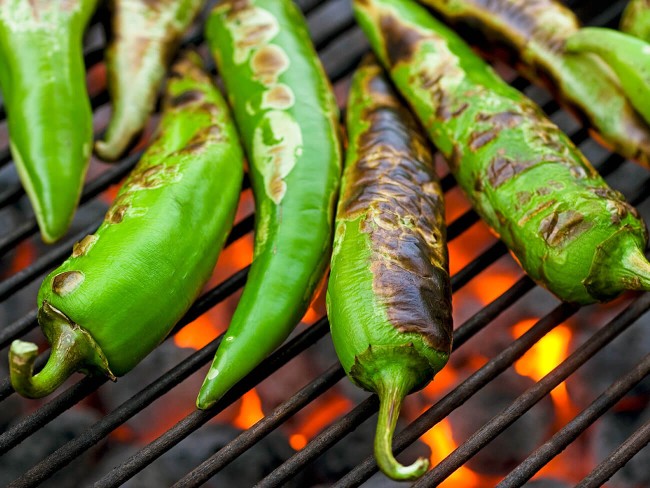
- Roasted: Roasting these peppers deepens their flavors, imparting a smoky note while softening their flesh. This step in recipes such as chiles rellenos adds a layer of complexity to each bite.
- Stuffed: Their size and shape make them ideal for stuffing with cheeses, meats, or vegetables, delivering a balanced combination of textures and flavors.
- Skewered in Salsas: When diced in salsas or incorporated in stews, they offer a subtle heat without dominating other flavors.
When Anaheim peppers are allowed to ripen and then dried, they can ordinarily be ground into a powder. This powder, although similar in appearance to paprika, carries an intensified fresh flavor that differs from commercially produced paprika. In this way, chefs and home cooks sometimes experiment by blending roasted Anaheim peppers with traditional paprika to create sauces and dressings that leverage the best of both worlds.
Comparative Analysis: Differences and Synergies
Distinctive Characteristics
Despite sharing the same species, the primary differences between paprika and Anaheim peppers lie in their forms and culinary applications. Paprika, as a finely ground spice, is modified to enhance every dish with a deep color and rich flavor mainly due to the drying and sometimes smoking processes that the peppers undergo. Its versatility in seasoning and garnishing makes it indispensable in many traditional dishes, particularly where a uniform flavor consistency is desired.
In contrast, Anaheim peppers are prized for their fresh, natural taste and their ability to adapt through various preparation methods. Their skin and flesh provide a different texture and mouthfeel that is key in recipes where the pepper itself is a feature, rather than just an additive spice. Their transformation from green to red upon ripening also means that they offer visual appeal along with their mild heat.
Synergistic Culinary Applications
While these ingredients can be used interchangeably in creative culinary experiments, it is important to understand how to best harness their qualities. Here are some approaches to successfully combining paprika and Anaheim peppers:
- Enhancing Dishes with Depth: Incorporate smoked paprika into dishes featuring roasted Anaheim peppers to layer smoky depth and subtle heat.
- Creating Colorful Presentations: Use paprika as a finishing touch on dishes that include diced or sliced Anaheim peppers to elevate both the color and flavor profiles.
- Homemade Spice Blends: Experiment by converting roasted Anaheim peppers into a powder and blending with paprika to create a custom spice mix for stews, grilled meats, or vegetable dishes.
Table: Comparison of Paprika and Anaheim Peppers
| Characteristic | Paprika | Anaheim Peppers |
|---|---|---|
| Form | Dried and ground spice | Fresh or occasionally dried whole pepper |
| Heat Level (SHU) | Typically 100 to 1,000 (varies by type) | Approximately 500 to 2,500 |
| Flavor Profile | Sweet, smoky, or hot depending on the variety | Mild, slightly sweet with earthy notes |
| Culinary Use | Seasoning, garnish, color enhancer | Fleshy ingredient for roasting, stuffing, salsas |
| Processing | Dried, sometimes smoked, then ground | Used fresh, but can be dried and ground |
Recipes and Practical Applications
Recipe 1: Smoked Paprika Roasted Anaheim Peppers
This recipe highlights the complementary qualities of both ingredients. The addition of smoked paprika elevates the flavor of the roasted Anaheim peppers, making it a memorable dish for any occasion.
Ingredients
- 4 Anaheim peppers
- 1 teaspoon smoked paprika
- 1 teaspoon olive oil
- Salt and pepper to taste
- Optional: minced garlic, diced onion, or cheese for additional flavor and stuffing
Instructions
Preheat your oven to 400°F (200°C). Begin by washing the Anaheim peppers thoroughly, then removing the tops and seeds. Drizzle the peppers with olive oil and evenly sprinkle the smoked paprika, salt, and pepper over them. Place the peppers on a baking sheet and roast them for about 20-25 minutes or until the skins start to blister and char. Once roasted, allow the peppers to cool slightly, then peel off the skins. You may stuff the peppers with cheese, additional vegetables, or serve them as a flavorful side dish.
Recipe 2: Homemade Anaheim Pepper Spice Mix
For those interested in crafting a custom spice that captures the essence of fresh Anaheim peppers, consider making your own Anaheim pepper powder.
Ingredients
- 5-6 ripe Anaheim peppers
- 1/2 teaspoon salt
- Optional: dried herbs like oregano or thyme
Instructions
Roast the Anaheim peppers in an oven until their skins blister and darken slightly, then allow them to cool. Peel off the skins and remove any excess moisture by patting the peppers dry with a paper towel. Grind the peppers in a spice grinder until a fine powder forms. Mix in the salt (and optional herbs) and store in an airtight container. This powder can be used similarly to paprika in marinades, soups, and stews to impart a fresh, peppery flavor with a hint of heat.
Innovative Pairings and Usage Ideas
Beyond the traditional uses, both paprika and Anaheim peppers can be incorporated into modern recipes to create unique flavor profiles. Ranging from fusion cuisine to refined appetizers, here are some innovative ideas:
- Flavorful Marinades: Combine paprika with a dash of olive oil, garlic, and citrus to marinate meats. Add finely chopped Anaheim peppers for an added layer of freshness and a subtle kick.
- Vegetable Roasts: Toss root vegetables such as carrots, parsnips, and potatoes with olive oil, salt, and a mixture of paprika and minced Anaheim peppers. Roast until caramelized for a hearty side dish.
- Egg Dishes: Sprinkle a dash of paprika on scrambled or deviled eggs, and add finely diced Anaheim peppers to introduce a gentle heat while maintaining color contrast.
- Stews and Soups: Incorporate both ingredients into hearty stews and soups, where the paprika provides a deep, warming base flavor, and Anaheim peppers bring a texture and nuance that enhances traditional recipes.
Advanced Insights Into Processing and Flavor Enhancement
The Science Behind Drying and Smoking
The process of converting fresh peppers into a dried spice like paprika involves several steps that influence the resulting flavor. Drying reduces the moisture content, thereby concentrating the natural sugars and flavors. If smoked paprika is desired, the peppers are exposed to controlled smoke, which infuses them with a rich, smoky aroma. This process not only intensifies the taste but also contributes to the spice’s vibrant red color.
Implications for Flavor and Versatility
By understanding the science behind these processes, chefs can tailor their use of paprika to complement their dishes. The balance between natural sweetness, potential smokiness, and the possibility of added heat provides a wide spectrum of possibilities. In contrast, the use of Anaheim peppers in their fresh form offers a direct encounter with the pepper’s crisp texture and vibrant, natural flavors that can be preserved or enhanced through techniques such as roasting or drying.
Substitution and Blending Techniques
Given that both ingredients originate from similar plants, creative cooks sometimes explore substitutions and blends. For instances where a dish calls for a uniform spice, freshly roasted Anaheim peppers may be ground to offer a more vibrant, pepper-forward flavor as an alternative to conventional paprika. Conversely, when a recipe benefits from a dry, concentrated spice, adding paprika to dishes that normally include fresh Anaheim peppers can deliver an enhanced visual appeal and a more rounded flavor profile.
The key to successful substitution is understanding the balance of heat and sweetness. While Anaheim peppers provide a fresher taste, paprika offers a smoother consistency and controlled heat level. When blended together, they can create a sauce, marinade, or seasoning that embodies both fresh vibrancy and dried depth.
Practical Tips and Considerations for Culinary Use
Storage and Shelf Life
To maintain the intense flavor and aroma of both paprika and Anaheim peppers, proper storage is essential. Paprika should be stored in a cool, dark place in an airtight container, as exposure to light and humidity can degrade its flavor and color. Similarly, fresh Anaheim peppers should be refrigerated if not used immediately, though when dried or ground, they too benefit from airtight storage.
Handling Fresh Anaheim Peppers
Due to their mild heat, Anaheim peppers are forgiving when it comes to handling. However, as with any fresh produce, washing thoroughly and ensuring proper handling during preparation can preserve both flavor and texture, making them ideal for salads, stuffed recipes, or salsas.
Innovative Culinary Techniques
Chefs around the world exploit the complementary nature of both paprika and Anaheim peppers in diverse culinary applications. Techniques such as layering flavors in complex stews, creating visually arresting garnishes for fine dining experiences, or developing fusion recipes that blend spicy, sweet, and smoky notes have all contributed to the ingredients’ global appeal. The interplay between the dried spice and the fresh pepper forms a canvas on which multiple culinary styles can be painted.
For instance, adding a pinch of paprika over a dish featuring diced roasted Anaheim peppers not only enhances the dish’s color scheme but also imparts a subtle, underlying warmth that unifies the overall flavor. Such thoughtful pairing is emblematic of modern culinary innovation that recognizes and respects the history of these ingredients while pushing creative boundaries.
Conclusion
In conclusion, while paprika and Anaheim peppers share a common botanical origin, they diverge in their forms, preparation methods, and culinary uses. Paprika, a dried and ground spice, is celebrated for its versatility, vibrant color, and controlled flavor range—from sweet to smoky and hot. Meanwhile, Anaheim peppers offer a fresh, organic taste characterized by mild heat and a natural sweetness that is enhanced through roasting, stuffing, or even drying.
Their difference in processing and culinary application means that each ingredient caters to distinct needs when it comes to cooking. Whether using paprika to lend a warm, rich flavor and aesthetics to a dish or harnessing the fresh, delicate heat of Anaheim peppers, understanding these differences is key. Not only can these ingredients be used independently to highlight their inherent qualities, but they can also be creatively blended to produce truly unique flavor profiles that pay homage to centuries of culinary tradition.
As we have explored throughout this guide, both ingredients are celebrated in various cuisines around the world, and insightful culinary techniques allow for their effective use together. Their adaptability means that whether you are looking to enhance an everyday dish or create something innovative and memorable, both paprika and Anaheim peppers offer a wealth of possibilities. By applying proper techniques and respecting their historical and flavor contexts, you can elevate your culinary creations, ensuring each dish is not only delicious but also a tribute to the vibrant culinary traditions they represent.
References
- List of Pepper by Heat Levels (Scoville Heat Units) - Purvey'd
- Types of Peppers, Explained - Thrillist
- Anaheim Pepper Guide: Heat, Flavor, Pairings, And More - PepperScale
- Anaheim Pepper: A Popular Mild California Chili - Chili Pepper Madness
- What Is an Anaheim Pepper? - TRUFF
- What's the Difference Between Chili Varieties? - MasterClass
Recommended
Last updated February 23, 2025