
Paprika Granova: A Comprehensive Guide
Discover the Characteristics, Cultivation, and Culinary Uses of Granova Pepper
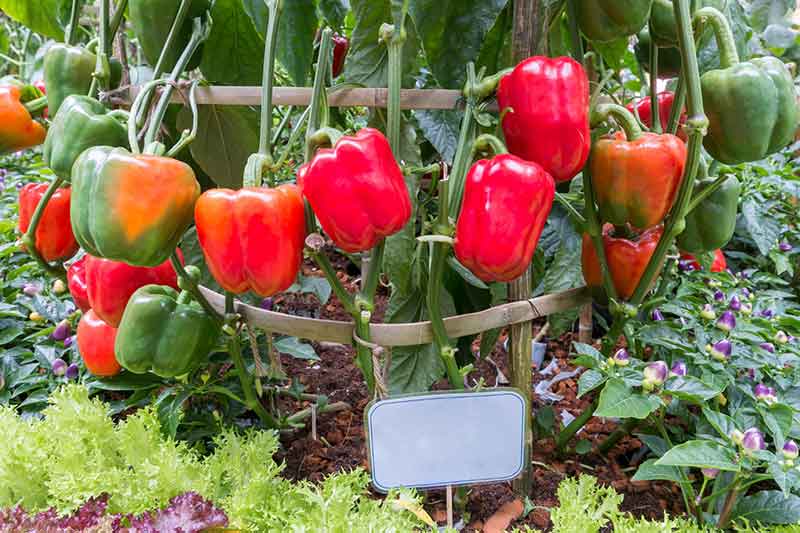
Highlights
- Exceptional Quality and Yield: Granova peppers are high-yielding with robust disease resistance, ideal for both amateur and experienced gardeners.
- Distinctive Characteristics: These peppers are known for their block-shaped fruits, thick walls, and a delightful sweet, non-pungent flavor that transitions from green to red as they mature.
- Versatile Cultivation and Culinary Applications: Suitable for outdoor gardens and greenhouses, papillka Granova thrives in protected, sunlit environments and is excellent for fresh consumption, salads, cooking, and canning.
Introduction to Paprika Granova
Paprika Granova is a distinctive variety of sweet pepper within the species Capsicum annuum that is highly valued by gardeners and culinary enthusiasts alike. Known for its large, block-like fruits and robust growth, this pepper variety has become popular for its excellent yield and disease resistance. With a transition in color that ranges from light green or yellowish-green in its unripe state to a vivid red upon full maturity, Granova peppers offer both visual appeal and exceptional taste.
The realistic design and versatility make the Granova pepper unique. Its thick-walled fruits, typically weighing between 200 and 220 grams, are not only ideal for fresh eating but also excel when incorporated into cooked dishes, salads, and preserved foods. Its sweet and aromatic flavor profile, lacking any pungent heat, renders it suitable for a broad array of culinary practices. Moreover, its impressive adaptability makes it an excellent candidate for cultivation under a variety of climatic conditions, especially when planted outdoors in areas sheltered from strong winds.
Botanical Characteristics
Physical Features
The physical attributes of Paprika Granova are particularly noteworthy. The pepper produces fruits with a distinctive block-shaped or rectangular appearance, often described as cube-like. Typically, each fruit demonstrates a weight ranging from 200 to 220 grams and has a length of approximately 7 to 8 centimeters. The fruits exhibit a thick wall, ranging from 6 to 8 millimeters in thickness, which not only provides them with structural integrity during cultivation but also contributes to a pleasing texture during consumption.
An important aspect of the Granova pepper is its internal structure; these fruits contain 3 to 4 chambers. This configuration plays a crucial role in the fruit's overall firmness and the distribution of its nutritional contents. As the fruit matures, it undergoes a transformation in coloration. Initially, when the peppers are unripe, they exhibit hues of light green or yellowish-green. As maturation progresses, the peppers gradually develop deeper shades until reaching a bright red color that signals peak ripeness.
Nutritional Profile and Flavor
The Granova pepper stands out for its culinary merits. Being a sweet pepper, it is devoid of the capsaicin compound responsible for heat in other varieties, making it particularly well-suited for those who prefer mild flavors. Its sweet, aromatic flesh provides a fresh and inviting taste profile that enhances salads, cold dishes, and cooked recipes without overpowering the natural flavors of other ingredients.
Additionally, Paprika Granova is an excellent source of vitamin C and other antioxidants, which are crucial for a well-balanced diet. The nutrient-rich composition makes it a healthful addition to meals, supporting immune function and overall nutritional well-being.
Cultivation Practices and Growing Conditions
Optimal Growing Environments
Granova pepper is engineered to excel in outdoor environments, although it can also be successfully cultivated in greenhouses. The key to a successful harvest lies in the careful selection of growing locations. The ideal environment for Granova peppers is one that offers ample sunlight while remaining protected from harsh winds. Wind protection is essential for maintaining plant stability and preventing early damage or fruit deformation.
Soil preparation plays a pivotal role as well. It is recommended to use a light, well-fertilized substrate enriched with organic matter such as composted manure. This not only nourishes the plant but also improves soil structure, drainage, and moisture retention. When preparing the soil, ensure that the substrate is sterilized to reduce the risk of fungal infections and other soil-borne diseases.
Planting and Sowing Techniques
The sowing of Granova pepper seeds is ideally initiated indoors during the late winter months, commonly from February to April. This pre-sowing period allows for early germination and the development of small seedlings that have a head-start before being transplanted outdoors. Once the last frost of the season has passed, typically in late May or early June depending on local weather conditions, the seedlings can then be relocated to an outdoor bed or greenhouse setting.
During transplantation, it is crucial that the seedlings are handled with care to avoid transplant shock. Adequate spacing between plants is advised to ensure optimal air circulation and to minimize the risk of disease. A common recommendation is to leave ample room around each plant, allowing them to reach their full potential in terms of air flow and light exposure.
Growth Stages and Harvesting Timeline
One of the distinctive features of Granova peppers is their maturation period. The variety is classified as a medium to late-maturing pepper. The growth cycle of Granova typically delineates into two main stages: technical ripeness and botanical ripeness. Technical ripeness is observed when the fruit is still light green, a stage that occurs approximately 140 days after sowing. Full botanical ripeness, where the fruit turns a deep red, usually takes around 173 days from sowing.
Harvesting practices should be timed according to the intended use of the pepper. For culinary purposes where maximum sweetness and nutritional benefit are desired, waiting until full red ripeness is recommended. However, some growers prefer to harvest when the fruit is still green for particular recipes or to ensure extended shelf life.
Resilience and Disease Resistance
An additional attribute that makes Paprika Granova a choice cultivar is its resilience. The variety is known for its robust nature and high resistance to several common plant diseases. This characteristic is instrumental in ensuring dependable yields even under less-than-ideal growing conditions. Its resistance to fungal infections and other pathogens means that growers can expect a relatively hassle-free cultivation experience with fewer requirements for chemical interventions or intensive management.
The combination of physical robustness and a sturdy structure makes Paprika Granova highly adaptable, particularly in outdoor settings where environmental factors can pose a significant challenge.
Culinary Applications and Nutritional Benefits
Culinary Uses
In the kitchen, Paprika Granova stands out for its versatility. Its sweet, non-pungent flavor allows it to be used in a myriad of culinary applications. Whether consumed raw, incorporated into salads, or transformed through cooking, the pepper adds a refreshing burst of flavor and color to dishes. Its firm texture and substantial flesh make it a popular choice for grilling, roasting, and even stuffing.
One popular method is to slice the pepper and incorporate it into a colorful salad, where its crisp texture pairs well with leafy greens and a variety of dressings. Additionally, its ability to hold heat during cooking means that it provides a unique texture and depth when baked or roasted, making it an ideal ingredient in Mediterranean dishes or as an accompaniment to grilled meats and vegetables.
Nutritional Profile
Beyond its exceptional taste, Paprika Granova is rich in several vital nutrients. This pepper is a substantial source of vitamin C, known for its potent antioxidant properties and its role in bolstering the immune system. It also contributes to a balanced diet by providing vitamins A and E, as well as a modest amount of dietary fiber.
Its nutrient density not only supports overall health but also enhances its appeal as a dietary supplement. Including Granova peppers in your daily meals can improve the absorption of essential nutrients and add a refreshing dimension to vegan and vegetarian diets.
Table: Key Characteristics and Growing Details
| Attribute | Details |
|---|---|
| Species | Capsicum annuum |
| Fruit Shape | Block-shaped, rectangular |
| Average Fruit Weight | 200 - 220 grams |
| Fruit Size | Approximately 7-8 cm in length |
| Wall Thickness | 6 - 8 mm |
| Chambers per Fruit | 3 - 4 |
| Maturity Timeline | Technical: ~140 days; Botanical: ~173 days |
| Color Transition | Green/Yellow to Red |
| Flavor Profile | Sweet, aromatic, non-pungent |
| Growth Height | Approximately 60-70 cm |
Cultivation Tips for Peak Performance
Preparing the Soil
Soil preparation is the cornerstone of successful Paprika Granova cultivation. For optimal growth, it is advisable to begin by selecting a light, well-drained, and fertile soil. Incorporating organic compost or well-rotted manure can further enhance soil fertility and improve moisture retention. Such amendments encourage a healthy root system and provide the essential nutrients required during the growth phase.
Equally important is ensuring that the planting area is free from competing weeds that could undermine the growth of your pepper plants. Regular weeding and the application of organic mulches can help maintain ideal soil moisture levels while simultaneously controlling weed growth.
Sowing, Transplanting, and Maintenance
The process of sowing begins indoors during the late winter months. Using a sterilized seed-starting medium, the seeds should be sown at a shallow depth, keeping the soil consistently moist to promote uniform germination. As the seedlings emerge and develop, they benefit from careful management, including controlled exposure to sunlight and proper ventilation.
Once the threat of frost has subsided, seedlings should be transplanted outdoors into the prepared bed or a greenhouse setup. During transplantation, it is essential to gently acclimatize the young plants to the outdoor environment—a process known as hardening off—to reduce the risk of transplant shock. Adequate spacing between plants is vital to ensure proper air circulation and full access to sunlight, both of which prevent disease and encourage healthy growth.
Routine maintenance practices include regular watering to keep the soil evenly moist, but care must be taken to avoid overwatering. Overabundance of water can lead to root rot and other moisture-related disorders. A balanced fertilization routine, supplemented with trace elements, further supports robust plant development.
Pest and Disease Management
Despite its robust resistance, monitoring for potential pests and diseases remains a critical aspect of Paprika Granova cultivation. Regular inspections of the foliage and fruits help in early detection of any signs of disease or infestations. Common issues may include fungal infections, particularly in excessively damp conditions, and pests that target the foliage.
Preventive measures such as crop rotation, maintaining proper spacing, and the use of organic or biological pesticides can effectively minimize risks. It is advisable to avoid chemical treatments that could negatively impact the plant’s natural resilience.
Post-Harvest Processing and Storage
Post-Harvest Handling
Once the Granova peppers have attained the desired stage of ripeness, careful handling during harvesting and post-harvest processing is essential. Harvesting should be conducted during the cooler times of the day to minimize stress on the fruits, which helps in maintaining their texture and nutrient content.
After harvesting, the peppers should be gently cleaned and sorted based on size and ripeness. For immediate consumption, storing the peppers in a cool room (at around 12°C to 14°C) can extend their shelf life for about two weeks. For long-term storage and seasonal use, these peppers can be preserved by methods such as drying, pickling, or freezing.
Processing for Culinary Purposes
Beyond basic post-harvest storage, Paprika Granova peppers are highly adaptable to various culinary processing methods. For instance, dried Granova peppers find use in spice blends and as a decorative ingredient in seasoned dishes. The peppers’ consistent texture and flavor also make them ideal for canning and slow cooking, where they contribute to rich, layered flavors in stews and sauces.
Many culinary experts advocate using Granova peppers in fresh preparations as well, where the vibrant red color and natural sweetness enhance aesthetic appeal and taste. When grilled or roasted, the peppers develop a subtle smoky flavor that further accentuates their inherent sweetness, making them a favorite ingredient in both gourmet recipes and casual meals.
Economic and Culinary Impact
Market Value
Granova peppers have carved a niche in the market due to their high yields and consistent quality. Their robust nature and minimal requirements for external interventions make them attractive for both small-scale gardeners and commercial growers. The relatively low input costs associated with their cultivation, combined with high market demand for premium sweet peppers, result in excellent economic returns.
In commercial agriculture, the Granova variety is valued not only for its culinary applications but also for its capacity to provide reliable yields. This consistency is crucial in meeting market demands, especially in regions where sweet peppers are a staple ingredient in daily cooking.
Culinary Innovations and Trends
In recent years, the culinary world has witnessed a surge in interest in traditional and heirloom pepper varieties. Paprika Granova, with its striking appearance and versatile use, has been embraced by chefs and home cooks alike. Its adaptability in raw forms, along with its ability to be transformed through various cooking methods, has positioned it at the forefront of contemporary cuisine.
In gourmet cooking, Granova peppers are increasingly featured in fusion recipes that combine traditional ingredients with modern techniques. Their robust, sweet flavor profile enhances not only the taste but also the visual presentation of dishes. Moreover, with an emphasis on organic and sustainably grown produce, Granova peppers continue to gain favor among consumers seeking quality and authenticity in their food.
Comparative Analysis
Comparison with Other Sweet Pepper Varieties
When comparing the Granova pepper to other sweet pepper varieties, several distinct advantages become evident:
- Yield and Robustness: Granova peppers are noted for their high yields and disease-resistance, which give them an edge over varieties that may require more intensive pest and disease management.
- Fruit Quality: The block-shaped and thick-walled fruits of Granova are ideal for both fresh consumption and culinary preparations that require a firm, reliable texture. This contrasts with thinner-walled varieties that may not hold up as well under vigorous cooking conditions.
- Color Change and Ripening: The clear color transition from green/yellow to a deep red not only adds visual appeal but signals the optimal time for harvest, ensuring maximum flavor and nutrient concentration.
- Nutritional Benefits: Rich in vitamins and antioxidants, Granova peppers contribute significantly to a balanced, healthful diet, making them a preferred choice in both home kitchens and upscale culinary venues.
Economic Significance in Local and Global Markets
Due to their high market demand and reliability, Granova peppers have successfully penetrated both local and international markets. Their high yield potential and lower susceptibility to disease result in more predictable production cycles, reducing economic risks for growers. This reliability, coupled with their exceptional quality, has made them a staple in many agricultural economies.
In addition to retail markets, Granova peppers are also finding a place in the burgeoning organic and sustainable agriculture sectors. The emphasis on local food production and reduced chemical inputs means that Granova peppers are increasingly recognized as a model of resilient and eco-friendly cultivation.
Practical Advice for Growers
Step-by-Step Cultivation Guidelines
For those looking to cultivate Paprika Granova, a systematic approach will yield the best results. Below is a succinct guide for successful growth:
Step 1: Seed Starting
Begin by sowing seeds in a sterile seed-starting mix indoors between February and April. Maintain a temperature of approximately \(28^\circ C\) for optimal germination and use a light cover to retain moisture.
Step 2: Transplanting
After the risk of frost has passed, typically in late May, carefully transplant the seedlings outdoors. Select a location that is sheltered from strong winds and receives full sun exposure. Maintain proper spacing to facilitate air circulation.
Step 3: Soil and Nutrient Management
Ensure that the soil is light, well-draining, and enriched with organic matter. Supplement with balanced fertilizers and consider the periodic application of compost to maintain nutrient levels.
Step 4: Regular Maintenance
Water consistently but avoid overwatering to prevent root rot. Monitor plants regularly for signs of pests or disease, and implement organic pest control measures as necessary.
Step 5: Harvesting
Monitor the fruits as they transition from green to red. Harvest according to your culinary needs: early if using green for certain dishes, or fully ripe when a deep red hue signifies maximum sweetness.
Key Tips for Sustainable Cultivation
To ensure sustainable and long-term cultivation of Granova peppers, it is crucial to integrate eco-friendly practices. Rotate crops regularly to prevent soil depletion and reduce the build-up of pathogens. Incorporate organic compost to boost soil fertility naturally and encourage beneficial soil organisms that can help suppress disease agents.
Additionally, promoting natural pest predators and utilizing organic mulches can further strengthen a sustainable gardening approach. Such practices not only benefit the immediate cultivation of Granova peppers but also contribute to the long-term health of the garden ecosystem.
Future Prospects and Research Directions
Innovations in Cultivation Technologies
As agricultural techniques advance, research into precision farming and smart irrigation methods is increasingly benefiting pepper cultivars such as Granova. The integration of sensor technology, data analytics, and climate-resilient practices promises to refine the cultivation of this pepper variety further, making it even more adaptable to varying environmental conditions. Innovation in seed technology and breeding practices continues to enhance its yield potential and disease resistance, making Granova peppers a viable option for future sustainable agriculture.
Exploring New Culinary Fusions
The inherent qualities of Paprika Granova open new avenues for culinary exploration. Chefs worldwide are experimenting with fusion recipes where the sweet, robust flavor of Granova peppers is paired with internationally diverse ingredients. This has led to innovative dishes that combine traditional Mediterranean, Latin American, and even Asian culinary techniques. Such experimentation not only broadens the culinary appeal of Granova peppers but also inspires further research into their processing and usage in new gastronomic contexts.
Conclusion
In conclusion, Paprika Granova stands out as a high-yielding, robust, and versatile sweet pepper variety favored by home gardeners and commercial growers alike. Its block-shaped fruits, thick walls, and sweet, aromatic flavor profile make it an exceptional choice for raw consumption, cooking, and even preservation. The cultivation process, which involves early indoor sowing followed by careful outdoor transplantation, ensures robust plant development and reliable yields. Moreover, the pepper's natural resistance to diseases combined with its adaptability in various climatic conditions positions it as an ideal cultivar for sustainable agriculture practices.
With its impressive nutritional benefits, including a rich supply of vitamin C and antioxidants, Granova peppers contribute significantly to a balanced diet. Their distinct color transformation from green/yellow to bright red not only signals maturity but also enhances the visual appeal of any dish they are integrated into. As culinary trends and sustainable cultivation practices continue to gain momentum, the future of Paprika Granova looks both promising and dynamic.
References
- Paprika Granova - Suomen Siemenpankki
- Granova Sweet Pepper - Bobby Seeds
- Paprika Granova Seeds - Semena.cz
- Paprika Granova - Tomatpassion
-
Granova Paprika - Seemnemaailm
- Granova Pepper Variety - Samenfritze
- Granova: Sweet Pepper for Salads and Cooking - Garden Seeds Market
- Paprika Granova - OsivoKeramika
Recommended Searches

 amazon.de
Conclusion and Final Thoughts
Paprika Granova is more than just a pepper variety—it is a versatile and high-performing cultivar that boasts an impressive combination of culinary excellence, economic value, and ease of cultivation. Its robust traits such as high yield, disease resistance, and striking visual appeal have cemented its status among gardeners and chefs alike. Whether you are embarking on a home gardening venture or looking to enhance your restaurant’s menu with a flavorful yet mild pepper variety, Paprika Granova offers an exceptional blend of benefits that satisfies both practical and gourmet demands.
Last updated February 23, 2025