
Comprehensive Guide to Paprika Rajen
Discover the rich details and cultivation tips for Paprika Rajen
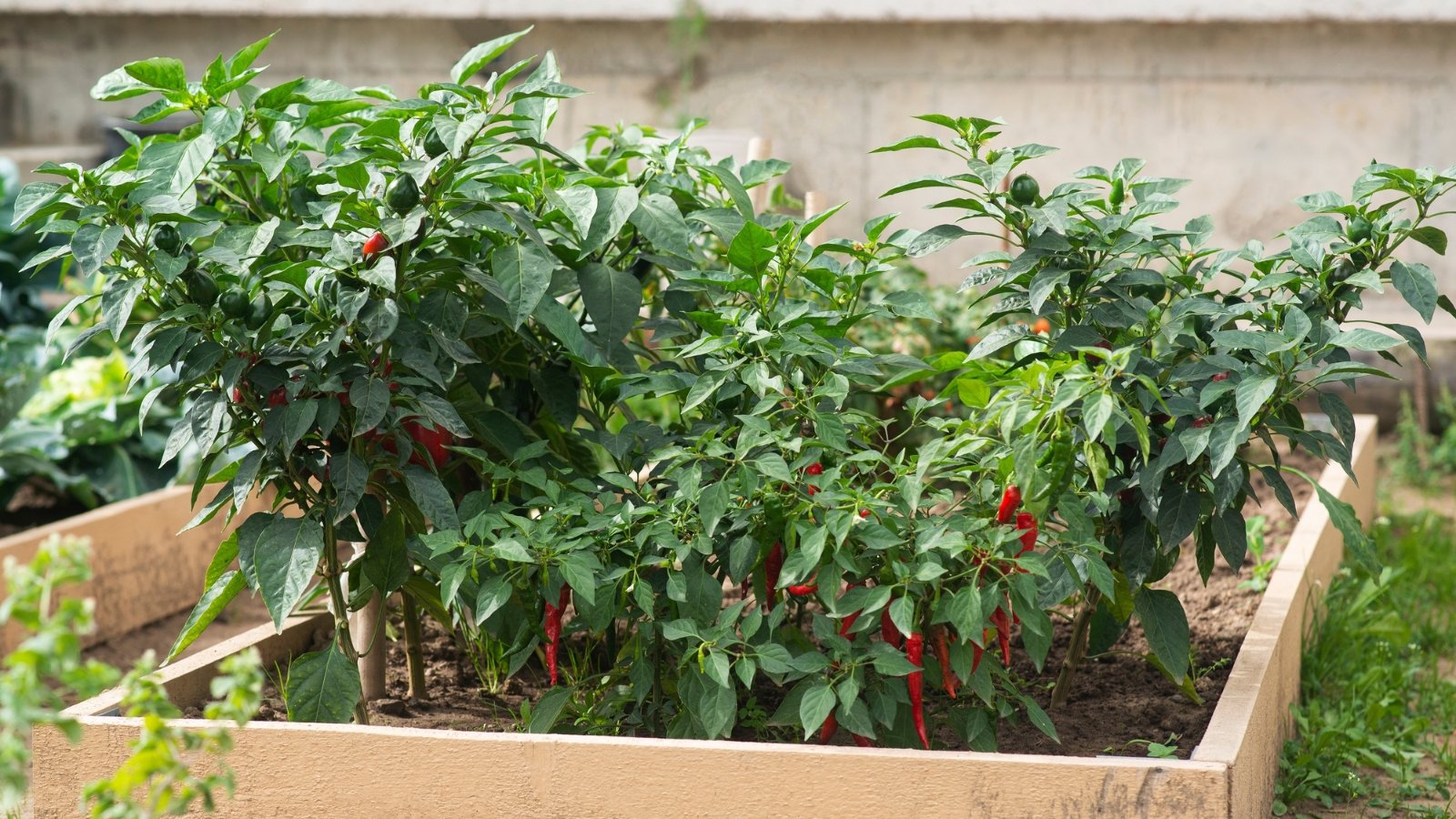
Key Highlights
- Distinctive Fruit Characteristics: Round, ribbed, and slightly flattened fruits that resemble tomatoes, turning deep red at maturity and weighing around 150 grams.
- Robust Cultivation and High Yield: An early, high-yielding sweet pepper variety with semi-spreading growth and an optimal seed germination temperature of 22-25°C.
- Versatile Culinary Uses: Excellent for fresh consumption, pickling, stewing, and specially tailored to complement fish dishes and stuffed pepper recipes.
Overview and Description
Paprika Rajen is a widely appreciated early variety of sweet pepper known for its dual identity: while it shares many common traits with traditional paprika varieties, its unique characteristics have earned it the nickname “tomato paprika.” The fruits, inherently attractive and versatile in culinary applications, make this variety a popular choice among gardeners, culinary enthusiasts, and commercial growers alike. In this guide, we will examine the key attributes, cultivation techniques, and practical insights related to Paprika Rajen.
Fruit Characteristics
At the heart of Paprika Rajen’s appeal is its distinctive fruit morphology. The fruits are round and exhibit a slightly flattened, ribbed structure that bears a striking resemblance to tomatoes. As they mature, the fruits transform into a vivid deep red hue, presenting a visual appeal that enhances any dish. Weighing approximately 150 grams each, these medium-sized fruits are known for their thick walls and juicy interior. Their robust structure not only reinforces aesthetic quality but also contributes to favorable culinary texture, making them suitable for both fresh consumption and various processed applications.
Visual and Physical Traits
The combination of a ribbed surface and a slightly flattened shape directly contributes to a texture that contrasts with other bell pepper varieties. The visual appeal of the red color is an indicator of full ripeness, providing assurance to cooks and consumers that the fruit has reached its peak in flavor and nutritional content.
Plant Characteristics and Growth Behavior
Paprika Rajen grows as a semi-spreading plant, reaching an average height of 45-50 cm. This structural formation allows for efficient space utilization in both garden beds and greenhouse configurations. The plant’s semi-spreading habit not only ensures adequate air circulation but also facilitates ease of harvesting. Its robust nature supports high fruit production, which is particularly valued in commercial growing where yield is a paramount consideration.
Growth Duration and Maturity
One of the notable features of Paprika Rajen is its early maturing characteristics, with fruits ready for harvest typically in 98-105 days. This short growth cycle is advantageous for growers looking to achieve multiple crops within a single growing season. Whether cultivated in open fields or within film greenhouses, the reliable and rapid production cycle makes it a favorite in regions with shorter growing seasons.
Cultivation and Growing Conditions
Successful cultivation of Paprika Rajen is highly dependent on understanding and managing its environmental and agronomic requirements. The variety is versatile, thriving in both greenhouse and outdoor conditions. Key elements to secure a prosperous crop include optimal temperature, moisture levels, and soil conditions.
Seed Germination and Early Growth
The seeds of Paprika Rajen require precise temperature control for optimal germination, with a recommended range of 22-25°C. This temperature range creates an ideal environment, ensuring that seedling development is both rapid and robust. Typically, seeds are planted from January to March in many temperate regions, allowing growers to take advantage of the extended growing period to produce a healthy stand of plants.
Soil and Environmental Requirements
The soil conditions best suited for Paprika Rajen are slightly acidic to neutral, ensuring a balanced nutrient profile that supports vigorous growth. Good drainage is essential to avoid waterlogging, which can be detrimental to the roots. Additionally, employing organic matter and controlled irrigation techniques can further enhance the health and productivity of the plants. Cultivating in a warm, wind-protected location enhances both seed germination and maturation.
Culinary Applications and Usage
Beyond the garden, the culinary versatility of Paprika Rajen is another compelling reason for its popularity. Its appealing appearance, texture, and flavor adapt to a range of cooking methods and dishes. Chefs and home cooks alike appreciate this variety for its capacity to elevate different recipes.
Fresh Consumption
When served fresh, Paprika Rajen contributes a crisp, mildly sweet taste that pairs well with salads, salsas, and other raw preparations. The tomato-like texture of the fruits makes them not only visually appealing but also satisfying in terms of mouthfeel and flavor balance.
Cooking and Pickling
The robust nature of the fruits lends itself well to cooking methods such as stewing and roasting. Particularly notable is its aptitude for enhancing fish dishes, where the sweetness of the pepper complements the flavor of seafood. In addition to grilling and stewing, the fruits are excellent for pickling, allowing for the creation of preserved products that add an exciting twist to traditional recipes.
Stuffed Pepper Preparations
The size and structure of Paprika Rajen naturally render it ideal for being used as a stuffed pepper. The fleshy interior can be easily hollowed out and filled with various stuffing mixtures, such as rice, meat, cheese, or vegetables, making for an enticing and nutritious meal option.
Practical Cultivation Tips and Best Practices
Cultivating Paprika Rajen successfully involves a blend of timing, location selection, and precise agricultural practices. Below, we provide detailed recommendations that can help both small-scale and commercial growers achieve optimal performance from this variety.
Optimal Planting Techniques
For maximum yield and healthy growth, it is essential to follow established planting techniques:
Timed Seed Planting
Initiate the planting process by sowing seeds during the recommended window (typically from January to March, depending on local climate conditions). Utilizing seed trays indoors or in controlled environments initially is advisable, allowing the seedlings to develop before transplanting them outdoors or into a greenhouse. Transplanting should be done cautiously to avoid root disturbance.
Spacing and Thinning
Proper spacing between plants is crucial to avoid overcrowding. Overcrowded growth can impede air circulation and increase the risk of diseases. A recommended spacing of 40-50 cm between individual plants supports optimal light exposure and nutrient distribution.
Atmospheric and Soil Conditions
To ensure optimal growing conditions:
| Factor | Recommendation |
|---|---|
| Temperature (Germination) | 22-25°C |
| Soil pH | Slightly acidic to neutral (pH 6.0-7.0) |
| Watering | Regular, moderate watering with ensured drainage |
| Spacing | Approximately 40-50 cm between plants |
| Sunlight | Full sun exposure |
Maintenance and Pest Management
Maintaining the health of Paprika Rajen involves regular monitoring for pests and diseases. Common issues such as aphids, mites, and fungal infections should be attended to promptly using organic or chemical controls as necessary. Crop rotation and proper sanitation practices are advisable to prevent the build-up of pathogens in soil.
Harvesting and Post-Harvest Handling
Harvesting is a critical step in ensuring that the fruits retain their nutritional quality and flavor. The fruits should be harvested when they have reached a deep red color. This color change is a natural indicator of ripeness and peak flavor. Gentle handling is necessary to minimize bruising, which can occur with overhandling.
Timing the Harvest
Given that Paprika Rajen is an early variety maturing in approximately 98-105 days, setting a schedule that aligns with this period is recommended. Regular inspection of the plants as fruits begin to develop can help establish the best harvest window, ensuring maximum yield and quality.
Storage and Preservation
Once harvested, these peppers can be stored in cool, dry environments or further processed for preserved foods. The fruits’ robust structure makes them excellent candidates for pickling, drying, or even freezing. Proper post-harvest handling includes cleaning and sorting to remove any damaged fruits, followed by packaging to extend shelf life.
Versatility in Culinary Applications
The culinary impact of Paprika Rajen extends far beyond its aesthetic appeal. Its unique flavor profile, marked by a balance of sweetness and mild spice, allows it to enhance a variety of dishes across different cuisines.
Fresh and Raw Dishes
In fresh presentations such as salads, Paprika Rajen adds both color and a burst of flavor. The refreshing and crisp texture of the pepper can be diced and tossed with other fresh vegetables or fruits, enhancing both the visual and taste aspects of any dish.
Salads and Salsas
The vibrant red color and firm texture make the fruit an excellent addition to garden-fresh salads and salsas. Their natural sweetness helps balance sour or citrusy dressing elements, contributing to a harmonious flavor profile.
Cooked and Heated Preparations
Cooking with Paprika Rajen can unlock further depth in its flavor. When stewed, roasted, or grilled, the pepper’s natural sugars caramelize, adding a smoky and robust character to a multitude of recipes. Its compatibility with fish dishes, for instance, brings out complementary flavors that elevate the overall dining experience.
Stewing and Roasting
When used in stews, the thick walls and firm texture of Paprika Rajen help the fruit retain structure, even when combined with meat and vegetables. Similarly, roasting the pepper concentrates its flavors and softens its texture, making it an excellent accompaniment to hearty meals.
Creative Culinary Uses
Innovative chefs have embraced Paprika Rajen for stuffed pepper recipes. The natural cavity of the fruit allows it to be filled with a wide range of ingredients, from classic rice and meat mixtures to more modern, creative fillings. This versatility facilitates its adoption into various cuisines and makes it a valuable component in both gourmet and home cooking.
Comparative Analysis and Growing Insights
To fully appreciate the benefits of cultivating Paprika Rajen, it is helpful to compare its attributes with those of other popular sweet pepper varieties. Below is a table comparing key characteristics which provide insight into why this variety is favored by many growers:
| Characteristic | Paprika Rajen | Traditional Sweet Peppers |
|---|---|---|
| Fruit Shape | Round, ribbed, slightly flattened (tomato-like) | Typically bell-shaped |
| Fruit Color at Maturity | Deep red | Varies, but often red, yellow or orange |
| Average Fruit Weight | Approximately 150 grams | Varies, typically lighter |
| Growth Duration | Early (98-105 days) | Moderate to long |
| Optimized Cultivation | Versatile (greenhouse and outdoors) | Often grown outdoors |
| Culinary Versatility | High (fresh consumption, pickling, stewing, stuffing) | Moderate, depending on type |
Sustainable and Economic Benefits
Growers often choose Paprika Rajen not only for its culinary and aesthetic virtues but also for its economic advantages. Its high yield and early maturation translate into efficient use of growing space and rapid returns. The variety’s adaptability to different environmental conditions also makes it a reliable choice in varied climates and market conditions. Additionally, its versatility in culinary applications ensures that there is a consistent demand in both local and international markets.
Benefits for Home Gardeners and Commercial Producers
Whether you are a home gardener passionate about producing fresh vegetables for family meals or a commercial grower seeking a dependable, high-yield variety, Paprika Rajen offers multiple benefits:
- Streamlined cultivation techniques that require minimal specialized equipment.
- Quick turnaround from planting to harvest, allowing multiple cycles per year.
- Compatibility with organic and conventional farming methods.
- Reduced risk of crop failure due to its resilient nature and adaptability.
Integrated Cultivation and Culinary Strategies
The application of integrated strategies that align cultivation methods with culinary innovation has further cemented Paprika Rajen’s stature among vegetable varieties. Modern agricultural practices not only prioritize yield but also emphasize the quality and nutritional benefits of the produce, aspects where Paprika Rajen excels.
Innovative Agronomic Practices
Incorporating modern agronomic techniques can maximize the potential of Paprika Rajen. Practices such as precision irrigation, organic fertilization methods, and biocontrol for pests contribute to a healthier crop and sustainable yields. The balance between technological intervention and natural growth processes is a key factor in contemporary farming.
Precision Agriculture and Monitoring
Advances in precision agriculture, including the use of sensors and data analytics, enable growers to monitor soil moisture, temperature, and nutrient levels in real time. This careful monitoring helps in optimizing the growth conditions and can mitigate risks associated with extreme weather conditions. As a result, informed decision-making leads to improved crop management and overall plant health.
Organic Practices and Sustainability
For those prioritizing organic and sustainable farming practices, Paprika Rajen stands out due to its low maintenance and high resistance to common pests. Incorporating organic compost, beneficial microbes, and natural pest deterrents can create an eco-friendly growth environment. Sustainable horticulture not only supports plant health but also contributes positively to ecosystem stability.
Culinary Integration and Recipe Development
Culinary experts have been experimenting with innovative recipes that spotlight the unique attributes of Paprika Rajen. Its flavorful profile has encouraged chefs to integrate it into both traditional and contemporary dishes, thus enhancing its market appeal.
Fusion Cuisine and Contemporary Dishes
The adaptive nature of Paprika Rajen has led to its inclusion in fusion cuisine, where it serves as a bridge between traditional ingredients and modern culinary techniques. Chefs use its sweet, mildly spicy flavor to create sauces, marinades, and fillings that work well across cultural contexts.
Homemade Preparations and Family Recipes
Many home cooks value Paprika Rajen not only for its taste but also for its ease of use in everyday recipes. Whether preparing a hearty stew or a light, refreshing salad, this variety offers both consistency and quality. The ability to convert fresh produce into preserved items like pickles and dried peppers further extends its culinary utility, ensuring that family recipes can be enjoyed year-round.
Troubleshooting and FAQs for Successful Cultivation
Even with the best practices in place, gardeners may occasionally encounter issues. Understanding common pitfalls and their solutions is crucial for maintaining a healthy crop of Paprika Rajen.
Common Issues and Their Remedies
Pest Infestations: Aphids, mites, and certain fungal infections can pose a risk, but early intervention with organic pest control measures, crop rotation, and proper sanitation can help manage these challenges effectively.
Water Management and Disease Prevention
Overwatering or poor drainage can lead to root rot and fungal diseases. Implementing measured irrigation schedules, along with raised beds or well-drained containers, minimizes these risks. Regular inspections and prompt removal of affected plants further reduce the spread of any issues.
Optimizing Soil Fertility
Maintaining soil fertility is paramount. Regularly incorporating organic compost and balanced fertilizers ensures that the plants receive a continuous supply of nutrients. Testing soil pH and applying amendments if necessary also supports healthy plant development, providing the ideal conditions for Paprika Rajen to thrive.
Frequently Asked Questions
Q: What makes Paprika Rajen unique compared to other sweet pepper varieties?
A: Its tomato-like fruit shape, early maturation, and versatile use in both fresh and cooked dishes make it stand out.
Q: Can Paprika Rajen be grown in cooler climates?
A: While it thrives in warm, controlled environments, using greenhouses and careful timing of planting can help in cooler regions.
Q: What are the optimal growing conditions for Paprika Rajen?
A: A temperature of 22-25°C during germination, full sun exposure, and well-drained, slightly acidic to neutral soil provide the best conditions for this variety.
Conclusion
In summary, Paprika Rajen is a multifaceted sweet pepper variety that boasts a combination of appealing physical characteristics, robust cultivation attributes, and diverse culinary applications. Its tomato-like appearance, early maturity, and high yield potential make it an attractive option for both amateur gardeners and commercial producers. Its ability to adapt to various environmental conditions—whether in outdoor settings or greenhouses—ensures that it remains popular in an ever-changing agricultural landscape.
The versatility of Paprika Rajen, ranging from fresh salads to cooked dishes and even preservation techniques, underlines its value in kitchens worldwide. Modern agricultural practices, including precision farming and organic methods, further bolster its status as a sustainable, economically viable crop. With careful attention to optimal growth conditions, pest management, and timely harvesting, growers can enjoy a bountiful harvest of vibrant, flavorful fruits that enhance both home cooking and gourmet cuisine.
References
- Paprika Rajen - Allafröer.se
- Paprika Rajen - Product Page
- Sonis.ee Paprika 'Rajen'
- Seemned.ee Paprika "Rajen"
- Planty.se Paprika 'Rajen'
- Odlingsklubben.se Paprika 'Rajen'
Recommended Queries
Last updated February 22, 2025