
Understanding the Paradigm Impact for TVL Challenge
An in-depth exploration of paradigm shifts and their effects on TVL programs
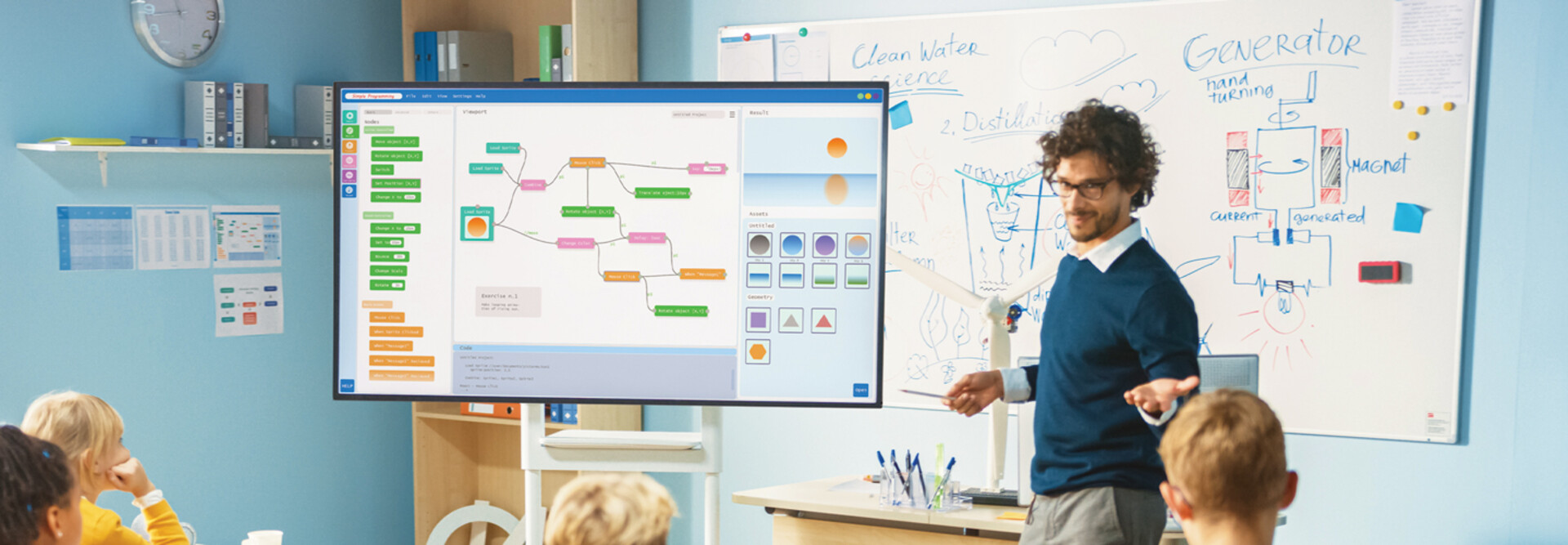
Key Highlights
- Educational and Practical Shifts: Examining how innovative changes in methodology, technology, and pedagogy impact TVL students and programs.
- Resource Challenges and Digital Divide: Addressing the limitations in access to tools and equipment, and the effects of digital disparity on learning outcomes.
- Innovation, Leadership, and Creativity: Emphasizing the role of creative problem-solving and adaptive leadership in facilitating paradigm shifts in TVL challenges.
Introduction
The term “paradigm impact” in the context of the TVL challenge encapsulates a broad range of effects resulting from the adoption of innovative and transformative educational methodologies. The TVL challenge, which by some interpretations may refer to technical-vocational livelihood or talent, vision, and leadership pursuits, is deeply influenced by shifts in paradigms. Such shifts are characterized by dramatic changes in how educational content is delivered, learners are engaged, and outcomes are measured.
These transformational changes or “paradigm shifts” are necessary to address traditional challenges in TVL programs such as limited resources, unequal access to technology, and outdated instructional techniques. In this context, paradigm impact refers to both the potential improvements in student experiences and the systemic evolution of educational methodologies designed to enhance practical skills, problem-solving abilities, and overall leadership within vocational education.
Detailed Analysis of the Paradigm Impact on TVL Programs
Innovative Educational Methodologies
Paradigm shifts in TVL challenges are driven by a renewed approach in the design, delivery, and assessment of technical-vocational programs. The integration of modern teaching methods, such as blended learning, modular instruction, online simulations, and experiential learning, represents a departure from traditional, purely in-person training sessions. This innovative approach encourages utilizing digital platforms to supplement practical skill-building.
A core component of this innovative methodology is the emphasis on creativity and problem-solving. Educators and administrators are experimenting with project-based learning where real-life challenges allow students to apply technical knowledge in hands-on scenarios. The paradigm shift here is not only in delivery mode but also in content relevance, adapting to contemporary industry needs and utilizing technology to provide adaptive, student-centered education.
Blended and Experiential Learning
Blended learning, which combines face-to-face instruction with digital practices, has become increasingly important. This model not only addresses physical distancing requirements but also expands the reach of educational resources. Experiential learning through virtual laboratories and simulations allows for practical training, which is traditionally a stronghold of TVL programs. Students can now engage with interactive modules and problem-solving tasks that replicate real-world environments.
Challenges: Access to Resources & Digital Divide
Despite the promise of innovative methodologies, TVL programs often grapple with significant resource challenges. The lack of adequate tools, equipment, and internet access continues to be a barrier to effective learning. In many regions, the digital divide creates disparate outcomes, where students from under-resourced backgrounds struggle to benefit from online learning platforms.
Addressing these challenges requires a multifaceted approach that involves investment in infrastructure, training for educators, and strategies to provide equitable access to digital tools. When a paradigm shift occurs in TVL programs, it calls for an improved, systemic support system that bridges these resource gaps. This may include community partnerships, grants for technological upgrades, and overall policy reforms aimed at reducing the digital divide.
Resource Allocation and Support Systems
A successful paradigm shift ensures that every student has the access necessary to thrive. Numerous educational institutions are deploying initiatives to provide laptops, tablets, or even community internet hubs for TVL learners. Along with improving hardware accessibility, these changes are paired with teacher training courses that emphasize digital literacy and new pedagogical approaches tailored to both in-person and online platforms.
Leadership, Vision, and Creative Problem-Solving
A profound part of the paradigm impact lies in the enhancement of leadership qualities and creative problem-solving skills amongst participants. Some TVL challenges specifically encourage the use of innovative ideas to address community-centric problems. This includes fostering an environment where students are leaders in their own right, using a mix of technical skills and creative thinking to devise solutions that are both functional and transformative.
Leaders emerging from these paradigm shifts are not just experts in their technical fields but are also visionaries who can reinterpret traditional practices. They inspire others to challenge the status quo and demonstrate the power of innovative thinking, which is particularly significant in sectors where traditional approaches have long dominated.
Cultivating a Culture of Innovation
Incorporating elements of innovation into TVL challenges means framework design that emphasizes creative experimentation. Often, competitions and challenges within this context are designed to push students beyond conventional boundaries. They are encouraged to collaborate, think critically, and innovate even with limited resources. This comprehensive approach fosters a culture of innovation, where every challenge is an opportunity for humorous experimentation and practical learning.
Operational Metrics: From TVL in DeFi to Educational Outcomes
While the term TVL in the cryptocurrency world refers to Total Value Locked, in the educational or technical-vocational context, operational metrics are adapted to reflect educational outcomes and resource efficiencies. For instance, educators might measure the success of a paradigm shift by tracking improvements in student performance, engagement in hands-on projects, and the effective utilization of new technologies.
Educators and administrators can use specific metrics such as the rate of successful project completions, feedback on digital learning platforms, and even changes in job placement statistics post-training. Although these metrics differ from those in decentralized finance, they are equally vital in measuring the overall health and potential growth of TVL programs.
Quantitative vs. Qualitative Metrics
The distinction between quantitative and qualitative assessments plays a significant role in evaluating paradigm impact. While quantitative metrics, such as test scores and project completion rates, provide measurable data, qualitative metrics—including student satisfaction, skill development, and adaptability—offer deeper insights into the nuanced improvements resulting from paradigm shifts in the curriculum.
Integration of Paradigm Shifts with TVL Program Strategy
Designing Future-Ready TVL Curricula
Integrating a paradigm shift into TVL challenges is more than just introducing new technology—it involves rethinking curriculum design to align with industry demands and future workforce needs. Future-ready curricula are built on adaptable modules that incorporate technological advancements while ensuring that foundational skills remain robust.
In this regard, paradigm impact also refers to the collaborative effort needed between educational institutions, government agencies, and industry leaders. This collaboration ensures that curricula are not static, but rather dynamic documents that evolve in tandem with the rapid pace of technological and societal change.
Steps Towards Curriculum Modernization
Educational stakeholders are focusing on several strategic steps:
- Conducting needs assessments to identify skill gaps in the current workforce.
- Collaborating with industry to incorporate current and emerging trends into academic programs.
- Investing in digital infrastructure to support blended and online learning models.
- Implementing continuous teacher training and certification programs focusing on modern pedagogical techniques.
Such measures are essential for ensuring that the paradigm impact translates into tangible outcomes, both in terms of student success and the overall quality of vocational education.
Creating Equitable Learning Opportunities
One of the key elements of the paradigm impact in the TVL challenge is the drive toward equitable access to learning opportunities. By adopting new pedagogical strategies and leveraging technology, educators aim to minimize disparities stemming from socioeconomic differences. This effort not only addresses the digital divide but also creates a more inclusive learning environment where every student can thrive.
For instance, remote learning platforms have been customized to include offline capabilities and low-bandwidth options to ensure that students with limited internet access are not left behind. Along with this, community initiatives may be introduced to support underprivileged learners through shared resources and mentorship programs.
Strategies for Equitable Access
| Strategy | Description |
|---|---|
| Digital Resource Centers | Establishment of community hubs equipped with computers and internet to support learning. |
| Mobile Learning Solutions | Providing learning modules that work on smartphones to overcome limited access to computers. |
| Partnerships with Tech Companies | Collaborations for providing subsidized or free technology tools and training. |
| Teacher Training Programs | Continuous professional development to equip educators with digital teaching skills. |
These strategies help bridge the technology gap and facilitate inclusive education, making a significant paradigm impact on TVL programs.
The Role of Feedback and Iterative Improvement
Integral to the success of a paradigm shift is robust feedback mechanisms. Continuous monitoring and iterative improvements based on feedback from students, educators, and industry partners allow TVL programs to refine their methodologies over time. This reflective process is crucial for adapting courses to meet evolving educational needs.
By collecting and analyzing both quantitative data (test scores, course completions) and qualitative insights (student satisfaction, career readiness), educational institutions can determine the effectiveness of newly adopted strategies. Over time, this feedback loop fosters a culture of continuous learning and adaptation—an essential component of any true paradigm impact.
Feedback Mechanisms
Feedback mechanisms may include:
- Regular surveys administered to students and teachers.
- Focus group discussions with community stakeholders.
- Performance analytics on digital learning platforms.
- Industry panels to review curriculum relevance and effectiveness.
This iterative review process is an anchor for continuous improvement and ensures that paradigm shifts lead to sustainable changes that are both measurable and impactful.
Operational Framework for Implementing Paradigm Shifts
Comprehensive Implementation Roadmap
Transitioning to a new paradigm in TVL programs requires a well-structured implementation roadmap that outlines the steps needed for a successful shift. This may involve establishing institutional policies that support innovation, investing in new infrastructure, and setting measurable objectives to track progress.
The roadmap generally encompasses multiple phases: planning, resource allocation, training, pilot testing, full-scale deployment, and iterative refinement based on feedback. Each phase builds on the successful completion of the previous one, ensuring that the paradigm shift is deeply integrated into the operational framework of the TVL institution.
Phases of Implementation
| Phase | Key Activities | Expected Outcome |
|---|---|---|
| Planning | Identifying needs; stakeholder meetings; defining objectives | Clear roadmap and vision |
| Resource Allocation | Investing in digital tools; facility upgrades | Enhanced learning infrastructure |
| Training & Development | Workshops; teacher training programs; digital literacy courses | Improved teaching and learning capabilities |
| Pilot Testing | Testing in select classes; gathering initial feedback | Fine-tuning of the new approach |
| Deployment & Evaluation | Full implementation; continuous monitoring; feedback integration | Measured improvement in educational outcomes |
This structured approach not only improves the chances of a successful paradigm shift but also ensures that the impact is monitorable and can be adjusted dynamically as needed.
Broader Societal Implications
Beyond the classroom, the paradigm impact in TVL challenges extends into broader societal benefits. By empowering a workforce that is equipped with both technical skills and creative problem-solving abilities, the paradigm shift contributes to national economic development and social progress. Graduates of TVL programs that have embraced modern methodologies are generally better prepared to meet industry demands, potentially reducing unemployment rates and spurring innovation in local economies.
Furthermore, as leaders and innovators, these graduates often go on to influence policy changes and advocate for further educational reforms, amplifying the social benefits of the paradigm shift over time.
References
-
Paradigm Challenge - Project Paradigm
- Understanding TVL in DeFi - Mudrex
- Total Value Locked (TVL) - Ledger Academy
- TVL Students Challenges - Academia.edu
- Digital Divide in TVL - ResearchGate
Recommended Further Queries
Last updated March 19, 2025