
Impact of Habitat Complexity and Connectivity on Parasitoid Abundance
Understanding the interplay between landscape structure and parasitoid populations
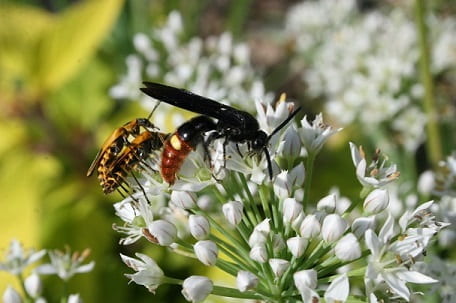
Key Takeaways
- Habitat Complexity: While structurally complex habitats provide diverse resources and refuges, they can impede parasitoid foraging efficiency.
- Connectivity: Low connectivity in fragmented landscapes severely restricts parasitoid movement, leading to reduced populations.
- Combined Effects: The negative impact of low connectivity is exacerbated in complex habitats, diminishing parasitoid abundance and effectiveness in biological control.
Introduction
Parasitoids, a group of insects whose larvae live as parasites that eventually kill their hosts, play a crucial role in controlling pest populations in various ecosystems. Understanding the factors that influence parasitoid abundance is essential for effective biological control and ecosystem management. Two significant ecological factors in this context are habitat complexity and connectivity. This comprehensive analysis explores how these factors interact to affect parasitoid abundance, particularly emphasizing the detrimental effects of low connectivity in complex habitats.
Understanding Key Concepts
Habitat Complexity
Habitat complexity refers to the structural intricacy of an environment, encompassing elements such as vegetation density, diversity of plant species, and the presence of various microhabitats. High habitat complexity often provides numerous niches, offering resources and refuges for various organisms, including parasitoids. However, while complexity can support greater biodiversity, it may also present challenges for parasitoids in locating and accessing their hosts.
Connectivity
Connectivity pertains to the degree to which different habitat patches are linked, facilitating the movement of organisms across the landscape. High connectivity allows parasitoids to disperse efficiently between habitats, ensuring gene flow and recolonization of fragmented areas. Conversely, low connectivity can lead to isolated populations, increased vulnerability to local extinctions, and reduced overall abundance.
Parasitoids and Biological Control
Parasitoids are integral to natural biological control mechanisms, targeting pest species and thereby reducing the need for chemical interventions. Their effectiveness relies on sufficient population sizes and distribution across the landscape, both of which are influenced by habitat complexity and connectivity.
Impact of Habitat Complexity on Parasitoid Abundance
Positive Effects of Habitat Complexity
Structurally complex habitats can support higher parasitoid diversity and abundance by providing a plethora of resources, such as diverse host species and abundant refuges from predators and adverse environmental conditions. This diversity can enhance the stability and resilience of parasitoid populations, contributing to sustained biological control services.
Negative Effects on Foraging Efficiency
Despite the benefits, increased habitat complexity can impede the foraging efficiency of parasitoids. Dense vegetation and varied structural elements can make it more challenging for parasitoids to locate hosts quickly, potentially reducing parasitism rates. This trade-off underscores the nuanced role of habitat complexity in ecological dynamics.
Species-Specific Responses
Not all parasitoid species respond uniformly to habitat complexity. Some may thrive in diverse environments with multiple host options, while others may prefer simpler habitats where host location is more straightforward. This variability necessitates a species-specific approach when evaluating the impacts of habitat complexity.
Role of Connectivity in Parasitoid Populations
Facilitating Movement and Dispersal
Connectivity allows parasitoids to move efficiently between habitat patches, accessing new hosts and maintaining genetic diversity through gene flow. This movement is critical for recolonizing areas where parasitoid populations may have declined or become locally extinct.
Implications of Low Connectivity
Low connectivity leads to isolated parasitoid populations, which are more susceptible to demographic and genetic bottlenecks. These isolated populations may experience reduced genetic diversity, increased inbreeding, and a higher likelihood of local extinctions, collectively contributing to a decline in overall parasitoid abundance.
Mitigation Through Landscape Features
Enhancing landscape connectivity through the establishment of corridors or preserving existing natural links can mitigate the adverse effects of fragmentation. Such measures facilitate parasitoid movement, support population stability, and enhance the effectiveness of biological control services.
Synergistic Effects of Habitat Complexity and Connectivity
Complex Habitats with High Connectivity
When complex habitats are well-connected, parasitoid populations benefit from the diverse resources available while maintaining the ability to disperse efficiently. This combination supports high levels of parasitoid diversity and abundance, enhancing the potential for effective biological control.
Complex Habitats with Low Connectivity
In scenarios where habitat complexity is high but connectivity is low, the advantages of structural diversity are undermined by the parasitoids' inability to move freely. The reduced dispersal limits parasitoid access to hosts across fragmented patches, leading to lower overall abundance and diminished biological control efficacy.
Comparative Analysis
The interplay between habitat complexity and connectivity is critical in determining parasitoid population dynamics. While complexity can support diverse parasitoid communities, without adequate connectivity, these benefits may not translate into sustained or enhanced parasitoid abundance.
Empirical Evidence and Case Studies
Study on Cereal Aphid Parasitoids
Research focusing on cereal aphid parasitoids indicates that structurally complex landscapes harbor more parasitoid species and higher diversity. However, without sufficient connectivity, the abundance of these parasitoids does not proportionately increase, highlighting the necessity of landscape connectivity in leveraging the benefits of habitat complexity.
Effects of Patch Isolation
Studies have demonstrated that parasitoid species richness can decrease by up to 68% in isolated habitat patches compared to connected ones. This significant decline underscores the critical role of connectivity in maintaining healthy parasitoid populations in fragmented landscapes.
Host Distribution and Density Dependence
The distribution of hosts within complex and isolated habitats can influence parasitoid abundance. In fragmented landscapes, hosts may become more dispersed, making it more challenging for parasitoids to locate and exploit them effectively. This dispersion can lead to reduced parasitoid abundance and less effective parasitism rates.
Implications for Ecosystem Management and Biological Control
Landscape Planning
Effective landscape planning should incorporate both habitat complexity and connectivity to support robust parasitoid populations. Strategies may include preserving diverse vegetation structures, establishing corridors, and minimizing fragmentation to ensure parasitoids can thrive and perform their ecological roles.
Agricultural Practices
In agroecosystems, integrating complex habitats such as hedgerows, flower strips, and diverse crop rotations can bolster parasitoid populations. Ensuring connectivity between these elements through landscape corridors can enhance the movement and effectiveness of parasitoids in controlling pest populations, reducing the need for chemical pesticides.
Conservation Strategies
Conservation efforts aimed at protecting parasitoid diversity should focus on maintaining and enhancing habitat connectivity within complex landscapes. This approach ensures that parasitoid populations remain resilient to environmental changes and continue to provide essential ecosystem services.
Table: Effects of Habitat Complexity and Connectivity on Parasitoid Abundance
| Factor | High Complexity | Low Complexity | High Connectivity | Low Connectivity |
|---|---|---|---|---|
| Parasitoid Abundance | Increased with diverse resources | Lower due to limited niches | Enhanced movement and gene flow | Reduced due to isolation |
| Foraging Efficiency | Decreased due to structural barriers | Increased due to simpler structure | Improved access to hosts | Impaired host location |
| Species Diversity | Higher due to varied niches | Lower with fewer resources | Maintained through dispersal | Reduced through local extinctions |
| Biological Control Efficiency | Potentially higher but context-dependent | Potentially lower due to fewer parasitoids | Consistently higher | Consistently lower |
Conclusion
The abundance of parasitoids within ecosystems is intricately linked to both habitat complexity and connectivity. While complex habitats offer a range of resources and refuges that can support diverse parasitoid communities, the benefits of such complexity are significantly undermined by low connectivity. Fragmented landscapes with poor connectivity impede parasitoid movement, reduce their ability to locate hosts, and increase the vulnerability of populations to local extinctions. Consequently, low connectivity in complex habitats leads to a substantial reduction in parasitoid abundance, diminishing their efficacy in biological control and compromising ecosystem health. Effective management and conservation strategies must, therefore, prioritize enhancing landscape connectivity alongside maintaining structural habitat complexity to support and sustain parasitoid populations.
References
Last updated February 1, 2025