
Home Internet Parental Control Systems: An In-Depth Review of Research Literature
Exploring efficacy, evolution, technologies, and family mediation strategies
Key Takeaways
- Technological Evolution: Parental control systems have moved from simple URL filtering and time-based restrictions to sophisticated AI-driven, context-aware solutions.
- Integrated Approaches: Combining router-based controls, device-level software, and parental mediation greatly enhances effectiveness.
- Challenges & Future Directions: Balancing security with privacy, usability concerns, and evolving digital platforms remains central to ongoing research.
Introduction
The rapid rise in home internet usage has necessitated robust parental control solutions that protect children from harmful content while fostering safer online interactions. Over the past few decades, internet parental control systems have undergone significant changes. Initially focused on basic filtering, these systems now incorporate advanced algorithms, real-time monitoring, and adaptive interfaces. This review analyzes the evolution, methodologies, challenges, and research findings associated with home internet parental control mechanisms.
Evolution of Parental Control Systems
Historical Background
Early parental control methods primarily relied on static lists of banned websites and keyword filters. Research conducted in the late 1990s and early 2000s emphasized the urgent need to shield young users from explicit and harmful material available online. Initial controller designs were largely hardware-based, with routers incorporating basic filtering and usage scheduling. With the proliferation of digital devices and increased internet penetration in households, simple filtering solutions were insufficient, pushing researchers and technology developers to explore more nuanced approaches.
Advancements in Technology
Modern parental control systems represent a convergence of hardware innovations and software sophistication:
Router-Based Solutions
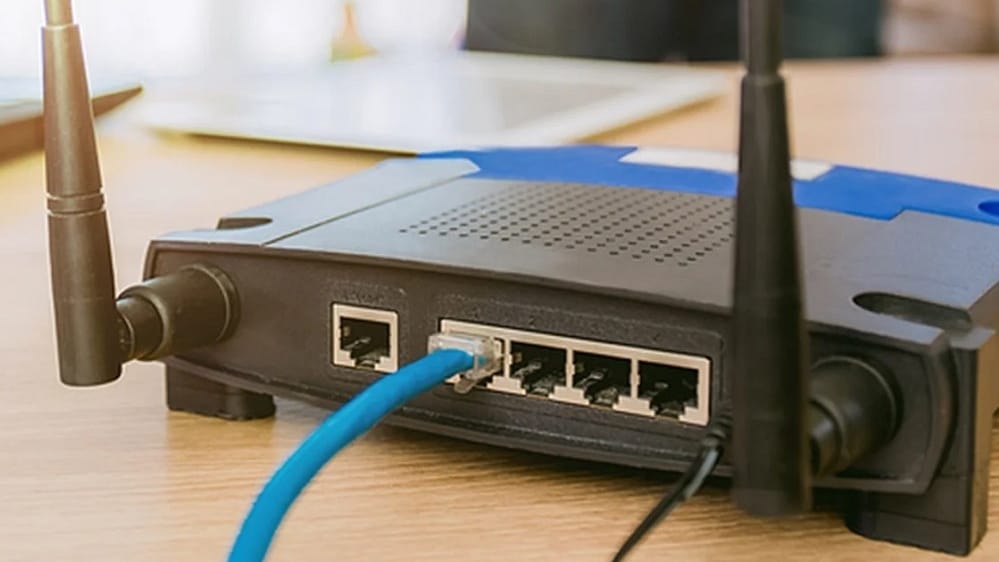
Many contemporary routers are now equipped with built-in parental control features. These systems allow centralized management of internet access at the network level. Users can set schedules, block inappropriate websites, manage individual devices, and even pause access during designated hours. This method offers seamless control over all devices connected to the home network.
Software-Based Controls
Alongside router-based controls, software applications provide granular management of internet use. These platforms operate on individual devices, offering features like activity monitoring, app usage restrictions, and content filtering. Notable solutions include well-known applications that allow parents to oversee device usage via centralized dashboards and mobile apps. Their focus is on delivering a user-friendly interface with customization options to accommodate different family dynamics.
Cloud-Enabled Services and AI Integration
Recent trends indicate a substantial shift towards cloud-enhanced and AI-powered parental control systems. These solutions leverage real-time data and machine learning to adapt filtering rules dynamically. Cloud-based systems incorporate crowdsourced data and continuously update databases to recognize and filter harmful content more efficiently. Additionally, artificial intelligence supports context-based assessment—differentiating educational content from potentially dangerous or inappropriate material.
Types of Parental Control Systems
Hardware-Based Solutions
Hardware solutions integrate parental controls directly into routers and other network devices. These systems provide overarching control by regulating internet traffic at the source. Their advantages include consistent application across multiple devices and minimal reliance on software installed on individual grids. Advanced routers now offer features such as:
- Time scheduling and screen time management
- Content filtering and website blocking
- Device-specific customizable profiles
- Real-time activity monitoring
The centralized approach not only simplifies management for parents but also minimizes the risk of bypass through system-specific loopholes.
Software-Based Solutions
Software-based parental controls offer flexibility and detailed customization. Many operating systems now feature built-in parental control tools, and third-party applications further enhance these features. These controls can manage internet usage on various devices including smartphones, tablets, and computers. Primary functions include:
- Blocking specific websites and apps
- Tracking online activities and generating usage reports
- Setting time limits for internet and application use
- Automated alerts about potentially harmful interactions
Installing such applications individually or using centralized management software gives parents flexibility to tailor rules based on evolving family needs.
Hybrid Models
Emerging hybrid models combine the benefits of both hardware and software solutions. By uniting local network filtering with cloud-based analytics, these systems offer real-time adjustments based on trending online content as well as detailed reporting on usage patterns. The hybrid approach enhances both security and family engagement by allowing:
- Centralized control via network hardware
- Device-specific policies managed through software
- Dynamic content filtering supported by machine learning algorithms
- Adaptive scheduling and usage reports that enhance parental mediation strategies
Parental Mediation Strategies
While technical controls are essential, research emphasizes that parental mediation remains a crucial component in cultivating a healthy digital environment. Effective mediation involves a combination of direct oversight, dialogue about internet safety, and the gradual empowerment of children to make informed choices.
Communication and Collaborative Rule Setting
Open communication between parents and children is central to mitigating the adverse effects of overly restrictive policies. Rather than solely relying on automated controls, successful parental mediation strategies encourage discussions about why certain websites are blocked or why usage time is limited. Involving children in the decision-making process fosters a sense of responsibility and digital awareness, which can reduce incentive to bypass controls.
Graduated Exposure and Educational Approaches
A balanced approach to parental control incorporates gradually reducing restrictions as children demonstrate increased digital literacy and responsibility. This strategy aligns with educational practices that teach critical thinking and safe online behaviors. Instead of simply imposing strict controls, parents are encouraged to transition toward advisory roles as their children mature.
Mediation Versus Mediation Plus Control
Studies have highlighted an interesting observation: while rigid control software might reduce certain undesired behaviors, it may also lead to conflicts or unintended circumvention. In contrast, combining mediation with technological controls has been shown to improve trust and family cohesion. Parental mediation allows parents to provide context, clarifications, and alternative behaviors while the control systems serve as a safety net.
Effectiveness and Limitations of Parental Controls
Measuring Efficacy
Evaluating the effectiveness of parental control systems requires examining both technical and behavioral factors. Technological efficacy measures include the system's ability to filter harmful content, monitor activity accurately, and adapt to new online threats. Behavioral measures assess how these controls affect children’s internet habits, overall screen time, and trust dynamics within the family unit.
Circumvention Techniques
One of the significant challenges identified in research is the tendency of tech-savvy children to find ways to bypass established controls. This circumvention might involve using VPNs, proxy servers, or simply using devices not covered by home network restrictions. As a result, while parental control systems can be effective, their success often depends on continuous updates and complementary strategies such as education and active parental mediation.
Privacy, Ethics, and Usability Challenges
Researchers have raised concerns regarding the privacy implications of tracking and logging children's online activity. While these measures are critical for monitoring, they may inadvertently collect sensitive information. Additionally, usability remains a concern; overly complex systems can lead to frustration and misconfiguration, thereby reducing effectiveness.
Recent Innovations and Research Trends
Advancements in Machine Learning and AI
Recent innovations have seen the integration of machine learning and artificial intelligence into parental control systems. These technologies enable real-time detection of harmful content with significantly reduced false positives. For example, image recognition algorithms can differentiate between educational content and inappropriate visuals, while natural language processing techniques help discern the context of text-based content.
Context-Awareness and Adaptive Policies
Modern systems are increasingly employing context-aware policies that adjust filtering settings based on the user’s age, time of day, and usage patterns. Such adaptive systems are designed to filter a wide variety of content types, including videos, interactive games, and social media applications. This flexibility ensures that the parental control systems not only block inappropriate content but also allow access to educational resources and safe digital experiences.
Hybrid Control Models
As previously noted, hybrid control models combine local network filtering with cloud-based updates. This integration ensures that even as new types of digital content emerge, the filtering rules can be dynamically updated without extensive manual intervention. This model offers greater security and adaptability, ensuring that parental controls remain effective in the ever-changing digital landscape.
Comparative Analysis of Parental Control Features
A detailed evaluation of various parental control systems reveals that each solution offers a unique set of features and benefits. The following table provides a comparative analysis of common functionalities found in modern routers and software-based controls.
| Feature | Router-Based Controls | Software-Based Controls | Hybrid Systems |
|---|---|---|---|
| Time Scheduling | ✔ | ✔ | ✔ |
| Content Filtering | ✔ (Built-In) | ✔ (Customizable) | ✔ (Adaptive) |
| Device Specific Profiles | Basic support | Advanced support | Comprehensive control |
| Real-Time Monitoring | Limited | Extensive | Real-Time & Adaptive |
| Ease of Setup | Varies by manufacturer | User-friendly interfaces | Moderate (Requires integration) |
| Cloud Updates | Rare | Limited | ✔ |
Impacts on Family Dynamics and User Perceptions
Balancing Control and Trust
Research indicates that while strict control software can reduce exposure to harmful content, it may also lead to mistrust between parents and children. Overly rigid settings have been associated with attempts by children to circumvent the controls, which in turn can exacerbate familial conflicts. Studies advocate for a balanced approach where technological measures are coupled with open communication and shared responsibility. This balance encourages understanding of internet risks and develops critical thinking skills in children.
User Perceptions and Adoption Challenges
Parental control systems often receive mixed reviews based on ease of use, setup complexity, and effectiveness. Many parents appreciate the ability to centrally manage network access and receive detailed usage reports; however, usability issues and potential privacy concerns can hinder widespread adoption. Users favor systems that provide intuitive dashboards, real-time updates, and clear guidelines regarding data protection. The evolving landscape of online threats has pushed developers to optimize user interfaces and further simplify setup processes, ensuring higher acceptance rates among non-technical families.
Legal and Ethical Considerations
Privacy Concerns
One of the central debates in the implementation of parental control solutions concerns privacy. Although tracking and monitoring tools are essential for ensuring child safety, they may also inadvertently record sensitive personal data. Researchers call for transparent disclosure of data collection practices and stringent data retention policies. Regulatory frameworks such as the GDPR require that parental controls balance effective monitoring with robust privacy safeguards.
Ethics and Child Autonomy
Beyond legalities, ethical considerations regarding academic development and trust are critical. There is an ongoing discussion about how parental controls can sometimes inhibit a child's ability to learn self-regulation. Experts advocate for systems that encourage dialogue and, over time, allow more freedom as children mature. Ethical designs for parental controls support gradual autonomy, ensuring children learn to navigate online spaces responsibly.
Future Directions and Research Gaps
Dynamic Filtering Algorithms
The future of parental control systems resides in the development of dynamic, transparent filtering algorithms that can adjust to new threats without intrusive intervention. As digital content evolves, future systems must be designed to address diverse media types – such as interactive applications, live streams, and social media – without compromising on accuracy or usability. Continued research is also necessary to ensure that AI-based filtering does not inadvertently over-restrict access to beneficial educational content.
Integrative Cyber Literacy Initiatives
Researchers also emphasize the need to integrate parental controls with broader cyber literacy programs. By educating children about online risks and safe practices, parents can better support the objectives of control systems. Educative programs that complement technical measures can help develop critical digital skills while maintaining necessary internet safety. Future research should explore collaborative models where educational institutions and technology providers work together to offer comprehensive cybersecurity guidance.
Enhanced Hybrid Models
The integration of local, hardware-based controls with cloud computing and AI analytics has paved the way for enhanced hybrid models. Future research in this area is expected to focus on improving transparency in algorithm operations, enabling parents to understand the decision-making process behind content filtering, and thereby greater trust in the system. Such advancements promise to reduce circumvention while fostering more informed use of technology within the household.
Conclusion
Home internet parental control systems have undergone an extraordinary evolution from rudimentary filters to sophisticated, integrated solutions driven by artificial intelligence and cloud-based updates. This literature review synthesizes findings on the effectiveness, challenges, and future directions of these systems. The evolution of parental control technologies has not only enhanced technical capabilities but has also underscored the significance of parental mediation—balancing technological controls with open dialogue and shared decision-making.
While the technical aspects of parental controls continue to advance, the human element, including communication, ethical concerns, and privacy issues, remains a key focus. Future research is expected to resolve current usability challenges, develop dynamically adaptive systems, and promote synergy between technological measures and cyber literacy initiatives. Overall, successful parental control systems are those that integrate robust technical frameworks with sensitive, informed parental involvement—a combination that promises a secure, educational, and trusted online environment for children.
References
- How To Control Internet Access at Home (And Block Content) - Aura
- How To Restrict, Limit, & Control Internet Access At Home - Astound
-
How to control internet access at home - NordVPN
- 4 Ways to Set Up Parental Controls On Your Home Network - Homeowner
- Parent's Guide to Choosing a Router with Parental Control Support - TechLockdown
More
Last updated February 19, 2025