
Parental Monitoring & Control Network Firework Research
Exploring Cyber Security Challenges and Areas for Improvement
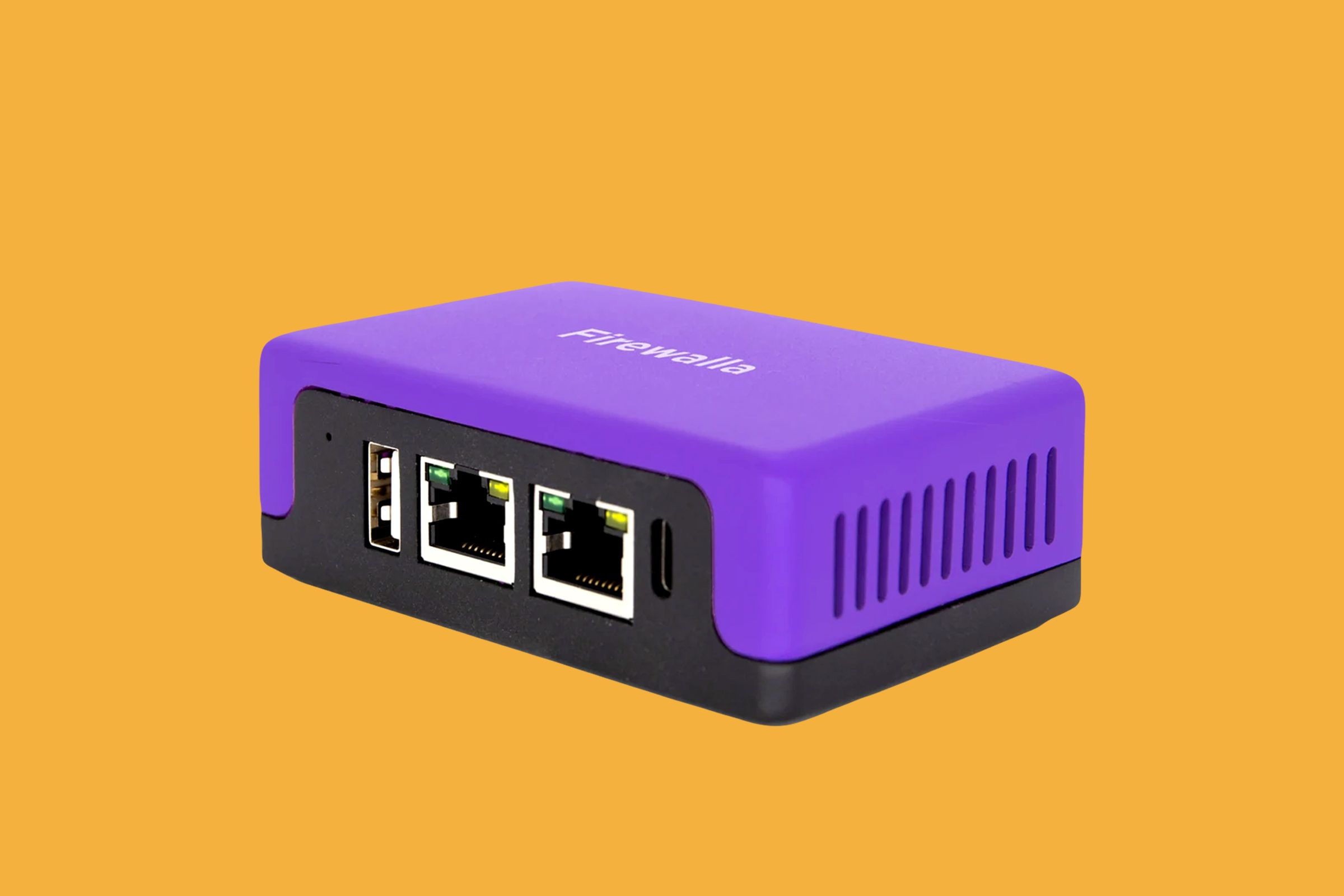
Key Highlights
- Security Vulnerabilities and Data Privacy: Addressing inherent flaws in software that may expose sensitive data and allow unauthorized access.
- Bypassing and Encryption Challenges: Tackling techniques enabling circumvention of controls, especially with the rise in encrypted traffic.
- User Education and Policy Compliance: Fostering user awareness and ensuring adherence to data protection and privacy standards.
Introduction to Parental Monitoring and Control Networks
Parental monitoring and control systems are designed to protect children from harmful online content by managing access to inappropriate websites and applications. However, these systems, particularly when integrated within network firewalls, exhibit several cybersecurity challenges that require continuous research and evolution. Parental control tools are not just standalone software applications; they are part of a broader ecosystem where network architecture, data management, and cybersecurity intersect.
With advances in encryption protocols and rapidly evolving cyber threats, researchers and developers have to work on strengthening these systems to ensure they remain effective. Cyber attackers continuously probe for vulnerabilities in parental control solutions which, if exploited, can put sensitive information at risk. Understanding which problems can be pinpointed and how to address them is the essence of the current research in this area.
Identified Cyber Security Challenges
1. Security Vulnerabilities in Parental Control Tools
One of the most pressing issues in parental monitoring systems is the presence of security vulnerabilities. These vulnerabilities arise from several factors:
a. Software Flaws and Unpatched Vulnerabilities
Many parental control applications may have unpatched security flaws, making them attractive targets for hackers. For example, a vulnerability in an app can allow unauthorized control access, leading to data leaks or manipulation of content filters.
b. Insecure API Endpoints
API endpoints that are not properly secured can be exploited to bypass parental controls. Hackers can misuse these endpoints to inject malicious commands or retrieve data, thereby compromising the entire network.
2. Data Privacy and Secure Transmission
Parental control systems typically require the collection and processing of significant amounts of personal data. This introduces several privacy risks:
a. Sensitive Data Exposure
The personal information of children and parents, including browsing histories, preferences, Apple IDs, and even passwords, may be transmitted over networks. If proper encryption measures are not in place during this transmission, it is vulnerable to interception.
b. Data Storage and Handling
Even after data transmission, ensuring secure storage is vital. Misconfigured databases or applications might reveal stored data to unauthorized parties, violating user privacy and legal guidelines like COPPA.
3. Bypassing Techniques and Evasion
As cyber threats evolve, so do the methods used by tech-savvy children and malicious actors to bypass parental controls:
a. Encryption Challenges
The increasing adoption of encryption protocols such as HTTPS or TLS 1.3 creates a difficult environment for monitoring and filtering, as parental control systems struggle to inspect encrypted traffic without compromising user security.
b. Innovative Circumvention Techniques
Children often leverage privacy-enhancing tools like VPNs and TOR to circumvent network-based controls. These techniques call for the development of more robust and adaptive filtering systems.
4. Complexity in Firewall and Network Configurations
The configuration and management of network firewalls that support parental controls can be highly intricate:
a. Misconfigurations
Studies indicate that a significant percentage of firewall breaches are due to misconfigurations. Misconfiguring the rules or policies tasked with parental control often leads to unintended openings for threats.
b. Evolving Network Architectures
The increasing complexity of network infrastructures means that keeping parental control systems updated with the latest protocols and architecture changes is challenging.
5. Lack of Customization and Adaptability
Not every household needs the same level of control, yet many solutions offer limited customization:
a. Tailored Controls for Varied Needs
A one-size-fits-all approach does not work effectively for parental monitoring. Personalized settings depending on the child's age or online behavior can better protect users. Developers need to work on creating adaptive filters that can learn and change based on specific usage patterns or new threats.
6. Insufficient Monitoring of Cyberbullying and Online Harassment
While many parental controls help block inappropriate content, they may not be as effective against real-time threats like cyberbullying:
a. Real-time Behavioral Analysis
Advanced systems may integrate AI-driven behavioral analysis to detect and alert parents to signs of cyberbullying or online harassment in real time.
b. Integration of Social Media Monitoring
Modern parental control systems could be enhanced by monitoring social networks responsibly, with careful attention to privacy, to provide better support against harassment and bullying.
Proposed Areas of Development and Improvement
Enhanced Security Measures
To counter the evolving threat environment, robust security measures must be integrated into parental monitoring systems. This includes:
Regular Security Audits and Patch Management
Continuous security testing and periodic audits can identify vulnerabilities early. Manufacturers should implement automated patch management systems to ensure that any security flaw is corrected promptly.
Strong Authentication and Encryption
Utilizing multi-factor authentication and enforcing end-to-end encryption for data in transit and at rest are indispensable methods for safeguarding sensitive information.
Advanced Content Filtering Techniques
With the increasing use of HTTPS and other encryption protocols, traditional filtering methods are no longer sufficient:
AI-Based Content Classification
The development of artificial intelligence algorithms that classify content based on behavioral patterns is crucial. Leveraging machine learning can help monitor encrypted traffic without letting go of privacy concerns.
Behavioral and Statistical Analysis
Incorporating behavioral analysis into parental monitoring can help in predicting and blocking emergent threats. Advanced statistical models could analyze traffic data in real-time, alerting parents and systems administrators to anomalies.
Improved Network-Level Controls
As misconfigurations remain a major vulnerability, boosting network-level parental controls is vital for a more secure system:
Intuitive Configuration Management
Development of a user-friendly interface aimed at reducing misconfigurations can assist parents in managing settings accurately without deep technical knowledge.
Collaboration with Network Providers
Encouraging mobile and broadband network operators to integrate parental control tools into their systems could ensure continuous monitoring with proper updates and oversight.
Enhanced Privacy Protocols
Privacy must remain a central pillar in the development of any parental control system. Steps include:
Compliance with Regulations
Tools should strictly adhere to privacy standards, including regulations like COPPA and GDPR, ensuring that data is collected, stored, and processed in a secure and transparent manner.
Transparent Data Handling Practices
Detailed disclosure policies regarding data collection and sharing can help build trust among users. Users should have access to controls that determine which data is shared and how it is stored.
Up-to-Date Research and Development Practices
With cyber threats continuously evolving, it is imperative that parental control systems are built to adapt:
Continuous Threat Intelligence Updates
Integrating threat intelligence feeds into parental control systems can help address new vulnerabilities immediately, ensuring the system's resilience against emerging cyber threats.
Adaptive Learning Mechanisms
Utilizing adaptive learning algorithms can allow the system to modify its filtering and monitoring capabilities according to new data patterns and user behaviors. This dynamic response can help in mitigating risks associated with fast-paced cyber-attacks.
Enhancing User Awareness and Education
Beyond technological improvements, educating parents and children about safe online practices is paramount:
Parent Training and Resources
Providing comprehensive material and training sessions on the use of parental control systems, along with information about prevalent cyber threats, will enhance protective measures. Well-informed parents are better equipped to supervise their children’s online activities.
Community and Support Forums
Establishing community support networks where experiences and best practices can be shared serves as an additional tool in promoting a culture of cybersecurity awareness.
Comparative Overview Table
| Issue | Description | Proposed Improvements |
|---|---|---|
| Security Vulnerabilities | Unpatched software flaws, insecure APIs, remote command injections. | Regular audits, patch management, and strong encryption techniques. |
| Data Privacy | Exposure of sensitive information due to insecure transmission and storage practices. | End-to-end encryption, strict compliance with COPPA/GDPR, transparent data policies. |
| Bypassing Techniques | Use of VPNs, TOR, and encryption hindering content filtering. | AI-driven content filtering, real-time behavioral analysis, adaptive algorithms. |
| Network Complexity | Complex firewall and configuration issues leading to misconfigurations. | User-friendly configuration interfaces, collaboration with ISPs, intuitive management tools. |
| Customization Limits | One-size-fits-all parental controls that may not suit every household's needs. | Adaptive systems that allow personalized settings based on user behavior. |
| Cyberbullying Monitoring | Ineffective tracking of real-time harassment or bullying behavior. | Integration of real-time AI-based analysis and monitoring of social media interactions. |
Further Research Directions
Given the intricate interplay between cybersecurity and parental control mechanisms, further research should focus on:
Emerging Technologies and Their Integration
With the rapid evolution of technology, new solutions need to be adaptable. Integrating AI and machine learning models to bolster content filtering and behavioral analytics is a promising avenue. Researchers are exploring methods where adaptive learning can enhance the ability of parental controls to respond in real time to any anomalies or emergent cyber threats.
Scalability and Flexibility in Design
As network infrastructures evolve to accommodate more devices, particularly in smart homes, parental control networks must be designed from the ground up to scale effectively without impairing performance. Flexibility in design can ensure that these tools remain efficient even as cybersecurity threats become more sophisticated.
Interoperability and Cross-Platform Control
Optimizing parental monitoring systems to work seamlessly across different devices and platforms is crucial. By developing standardized protocols and promoting interoperability between various systems (mobile, desktop, IoT devices), parents can enjoy consistent protection regardless of their device ecosystem.
Legal and Ethical Implications
One must not overlook the importance of addressing legal and ethical concerns surrounding parental monitoring. The balance between protecting children and ensuring their privacy can be delicate. Future research might include creating frameworks that address ethical concerns while maintaining robust cybersecurity standards.
References
- 5M Parental Control App Users Vulnerable to 5 Critical Security Flaws - SecureBlink
- Activity and Parental Control - Firewalla
- Network Security Threats & Challenges - FireMon
-
Cybersecurity Threats for Kids 2024 - Kaspersky
- Addressing Firewall Challenges in Today's Cyber Landscape - Tufin
Recommended Related Queries
Last updated March 17, 2025