
Navigating Parenthood with an ADHD Toddler: A Comprehensive Guide
Empowering Your Two-Year-Old with ADHD: Strategies for a Supportive Home Environment
As a father of a two-year-old recently diagnosed with ADHD, you're embarking on a unique and often challenging journey. Attention-Deficit/Hyperactivity Disorder (ADHD) in toddlers, while less commonly diagnosed at such a young age, can manifest as significant difficulties with attention, hyperactivity, and impulse control, which are more pronounced and persistent than in other children of the same age. It's crucial to remember that ADHD is a neurodevelopmental condition, and your child's behaviors are not willful defiance but rather a reflection of differences in brain development. This comprehensive plan is designed to equip you with effective strategies to foster a supportive and structured environment, promoting your child's well-being and development.
Key Insights for Parenting an ADHD Toddler
- Embrace Knowledge and Early Intervention: Understanding ADHD and its impact on your child's behavior is the first step. Early intervention through behavioral therapy and structured home environments is paramount for positive long-term outcomes.
- Consistency and Structure are Your Superpowers: Toddlers with ADHD thrive on predictability. Establishing clear routines, simple rules, and consistent responses to behaviors will provide the stability they need to navigate their world.
- Positive Reinforcement and Patience: Focus on praising and rewarding desired behaviors, no matter how small. Parenting an ADHD child requires immense patience, empathy, and a positive outlook, remembering that your child is trying their best.
Understanding ADHD in Toddlers
ADHD in toddlers can present differently than in older children. At two years old, many children exhibit high energy and short attention spans, but for a child with ADHD, these traits are significantly more pronounced and interfere with daily functioning and development. Symptoms might include extreme restlessness, difficulty engaging in quiet play, frequent tantrums, and a persistent inability to follow simple instructions. It's important to differentiate between typical toddler behavior and symptoms indicative of ADHD, which requires a specialist's diagnosis.
The diagnosis at such a young age typically involves a thorough assessment by a specialist, considering various factors and ruling out other conditions. This early diagnosis provides a valuable opportunity for timely intervention, which can significantly impact your child's development and future success. Understanding that ADHD is often hereditary can also shed light on potential family patterns, and if you suspect you also have ADHD, seeking your own diagnosis and treatment can improve your parenting capacity.
A young child engaging with building blocks, illustrating the importance of structured play for attention.
The Foundation of Effective Parenting: Behavior Management
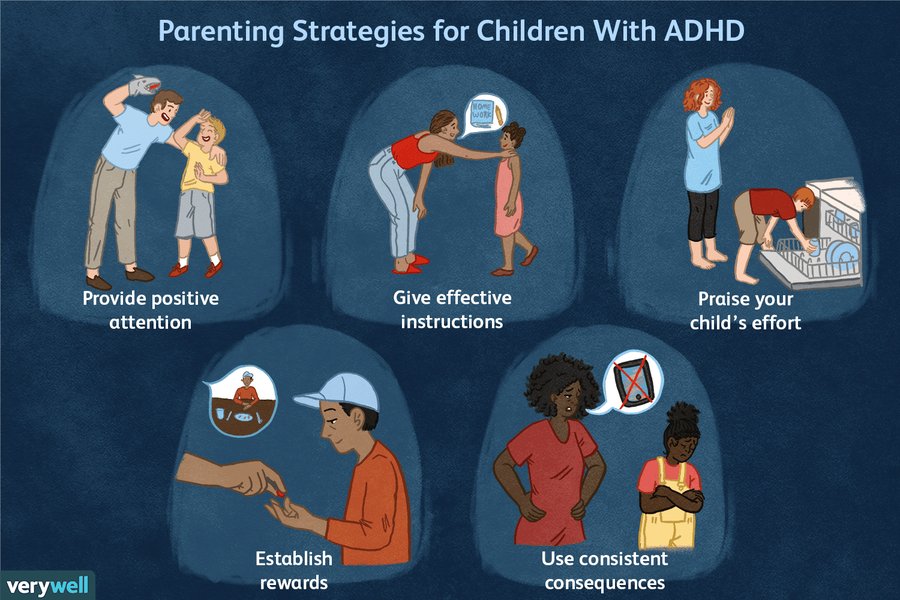
Behavioral therapy, specifically parent training in behavior management (PTBM), is the recommended first-line treatment for very young children with ADHD. This approach focuses on teaching parents strategies to modify their child's environment and their own responses to encourage positive behaviors and reduce challenging ones. It empowers you with the tools to create a predictable and responsive home environment.
Establishing Clear Routines and Expectations
Predictability is key for a child with ADHD. A consistent daily schedule helps them understand what to expect, reducing anxiety and improving their ability to transition between activities.
Visual Schedules for Toddlers
For a two-year-old, verbal instructions can be fleeting. Visual schedules, using pictures or simple drawings, can be incredibly effective. Hang them in easily accessible places, like the kitchen or your child's room. This helps them anticipate and follow routines for meals, playtime, naps, and bedtime.
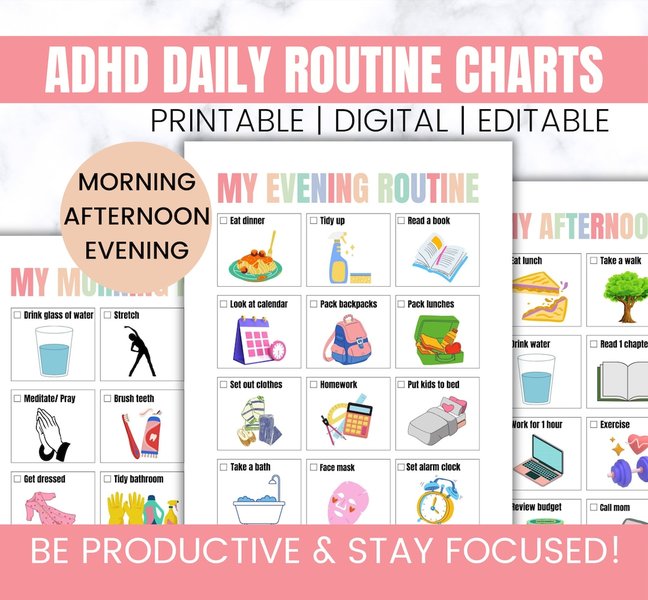
An example of a visual routine chart, beneficial for toddlers with ADHD to understand daily tasks.
Simple and Consistent Rules
Keep rules few, simple, and clearly communicated. For example, "We use gentle hands" or "We share toys." Ensure all caregivers (parents, grandparents, babysitters) are consistent in enforcing these rules. Inconsistency can be very confusing for a child with ADHD and can exacerbate challenging behaviors.
Positive Reinforcement and Rewards
Children with ADHD respond exceptionally well to positive reinforcement. Focusing on what your child does well and rewarding those behaviors can be transformative.
Praise and Specific Feedback
Offer immediate and specific praise. Instead of "Good job," say "I love how you shared your blocks with your sister!" This helps your child understand exactly what behavior is being rewarded.
Reward Systems
Implement a simple reward system. For a two-year-old, this might involve a sticker chart for completing small tasks (e.g., putting toys in a bin) or earning extra playtime for following directions. Rewards should be privileges or activities, not food or toys, and should be varied frequently to maintain interest. Small, immediate rewards are often most effective.
Effective Communication Strategies
How you give instructions can significantly impact whether your child follows them.
Brief and Clear Instructions
Break down instructions into small, manageable steps. Instead of "Go clean your room," say "First, put the red car in the bin," then "Now, put the blocks in the basket." Get your child's attention before giving an instruction, by making eye contact and perhaps gently touching their shoulder.
This video offers valuable insights into how to effectively help your child with ADHD follow directions by providing clear, direct instructions and minimizing distractions.
Warnings for Transitions
Children with ADHD often struggle with transitions. Give warnings before a change in activity, e.g., "Five more minutes of play, then it's time for bath." This prepares them mentally and can prevent meltdowns.
Creating an ADHD-Friendly Home Environment
Modifying your home environment can significantly reduce distractions and overstimulation, making it easier for your child to focus and regulate their behavior.
Minimizing Distractions
Create a dedicated, quiet space for activities that require focus, such as reading or structured play. Reduce clutter and keep toys organized. For tasks like eating or homework, ensure the environment is calm and free from TV or other noise.
Organized Spaces
Help your child keep their belongings organized by using clear bins, labeled shelves, and designated spots for everything. This reduces visual clutter and makes it easier for them to find and put away items.
Holistic Approaches to Support Your Child
Beyond behavior management, several other factors contribute to your child's overall well-being and can help manage ADHD symptoms.
Healthy Habits: Sleep, Diet, and Exercise
These foundational habits are critical for all children, but especially for those with ADHD. Insufficient sleep and poor diet can exacerbate symptoms, while regular physical activity can help manage excess energy.
Prioritizing Sleep
Establish a consistent bedtime routine. Limit screen time before bed, and create a calming atmosphere with activities like reading, warm baths, or quiet music. Ensure bedrooms are free from electronics. Good sleep hygiene is vital as sleep deprivation can worsen attention difficulties.
Balanced Nutrition
While no specific diet cures ADHD, a healthy, balanced diet rich in fruits, vegetables, and lean proteins is beneficial. Avoid excessive sugar and processed foods, which can sometimes contribute to energy fluctuations.
Encouraging Physical Activity
Provide ample opportunities for physical activity throughout the day. Outdoor play, running, and structured sports can help your child burn off excess energy in a healthy way and improve focus.
Nurturing Social and Emotional Skills
Children with ADHD may struggle with social interactions and emotional regulation. Active parental guidance in these areas is essential.
Developing Social Skills
Arrange playdates in structured environments. Coach your child through social situations, teaching them how to share, take turns, and resolve conflicts. Praise positive social interactions.
Managing Emotions
Help your child identify and express their emotions in healthy ways. Teach them coping mechanisms for frustration or anger, such as taking deep breaths or finding a quiet space. Model healthy emotional regulation yourself.
The Importance of Parental Self-Care and Support
Parenting a child with ADHD can be demanding. It's vital to acknowledge your feelings and seek support for yourself.
Connecting with Support Groups
Joining a local or online support group for parents of children with ADHD can provide invaluable emotional support, practical tips, and a sense of community. Organizations like CHADD (Children and Adults with Attention-Deficit/Hyperactivity Disorder) are excellent resources.
Seeking Professional Guidance for Yourself
Don't hesitate to seek professional help if you feel overwhelmed, stressed, or depressed. A therapist can offer strategies for managing parental stress and navigating the challenges of raising a child with ADHD. If you suspect you also have ADHD, a diagnosis and treatment can significantly enhance your parenting capabilities.
Self-Compassion
Remember that you are doing your best. Avoid self-blame; ADHD is a neurobiological condition, not a result of your parenting. Celebrate small victories and be kind to yourself on challenging days.
A child hugging an adult, representing the importance of connection and support in the parenting journey with ADHD.
Comparing Parenting Approaches for ADHD
To provide a clearer picture of different parenting strategies and their effectiveness for children with ADHD, consider the following comparison. This radar chart visualizes how various approaches align with the specific needs of an ADHD brain, highlighting strengths and areas for focus.
This radar chart illustrates that an "ADHD-Friendly Approach" emphasizes strong structure, consistent positive reinforcement, dedicated support for emotional regulation, and exceptionally clear communication. While a "Traditional Approach" might also include some of these elements, it generally falls short in the intensity and consistency required for a child with ADHD. The chart also highlights the need for high patience and empathy in an ADHD-friendly approach, along with an understanding that while structure is paramount, a degree of adaptability is still needed.
Understanding Professional Support and Resources
Working with a team of professionals is essential for managing your child's ADHD effectively. This team may include your pediatrician, a developmental-behavioral pediatrician, a child psychologist, and potentially an occupational therapist or speech therapist depending on your child's specific needs.
Behavioral Parent Training (BPT)
As mentioned, BPT is highly recommended. These programs teach parents specific strategies for managing challenging behaviors associated with ADHD, such as creating effective reward systems, using time-outs appropriately, and giving clear instructions.
Medication Considerations
For toddlers, medication is typically not the first line of treatment. However, if behavioral interventions alone are not sufficient as your child grows, your specialist may discuss medication options. Any medication decisions should be made in close consultation with a qualified medical professional who specializes in ADHD in young children.
Summary of Key Strategies for Home and School
The following table summarizes key strategies parents can implement at home, and which principles can also be applied to a school environment as your child grows.
| Strategy Category | Home Application | School Application (Future) |
|---|---|---|
| Structure & Routine | Consistent daily schedules (meals, sleep, play), visual schedules, clear rules. | Predictable classroom routines, visual schedules, clear classroom rules. |
| Positive Reinforcement | Praise specific behaviors, small reward systems (sticker charts), privileges. | Behavior charts, positive notes home, classroom reward systems. |
| Communication | Brief, clear, one-step instructions, eye contact, warnings for transitions. | Written instructions, breaking down tasks, visual cues from teachers. |
| Environment | Minimize clutter, quiet spaces for focus, organized play areas. | Seating away from distractions, organized desk/cubby, reduced visual stimuli. |
| Self-Care & Support | Parent support groups, professional counseling, prioritizing own well-being. | Collaboration with school staff (teachers, counselors), advocating for accommodations. |
Frequently Asked Questions (FAQ)
What is the most important thing I can do for my two-year-old with ADHD?
Will my child outgrow ADHD?
How do I manage tantrums in a child with ADHD?
Should I consider medication for a two-year-old with ADHD?
Where can I find additional support for parents of children with ADHD?
Conclusion
Parenting a two-year-old with ADHD is a journey that demands patience, consistency, and a deep understanding of your child's unique brain. By implementing structured routines, employing positive reinforcement, fostering clear communication, and creating an ADHD-friendly home environment, you can significantly empower your child to manage their symptoms and thrive. Remember to prioritize your own well-being by seeking support from professionals and parent communities. With a proactive and compassionate approach, you can navigate the challenges and celebrate the many joys of raising your remarkable child.
Recommended Further Exploration
- Explore more effective behavioral strategies specifically designed for toddlers with ADHD.
- Delve deeper into the benefits and structure of parent training programs for ADHD.
- Learn how to create sensory-friendly environments that can benefit children with ADHD.
- Discover additional coping strategies and self-care tips for parents navigating ADHD.
References
Last updated May 21, 2025