
How to Pass the Driving Test
Comprehensive Guide to Successfully Obtaining Your Driver's License
Key Takeaways
- Thorough Preparation: Understand the test requirements, practice consistently, and master essential driving skills.
- Vehicle Readiness: Ensure your vehicle is in optimal condition and meets all testing standards.
- Maintain Calm and Focus: Manage test-day stress, follow examiner instructions, and demonstrate confident driving.
Preparation Before the Test
Understand the Test Requirements
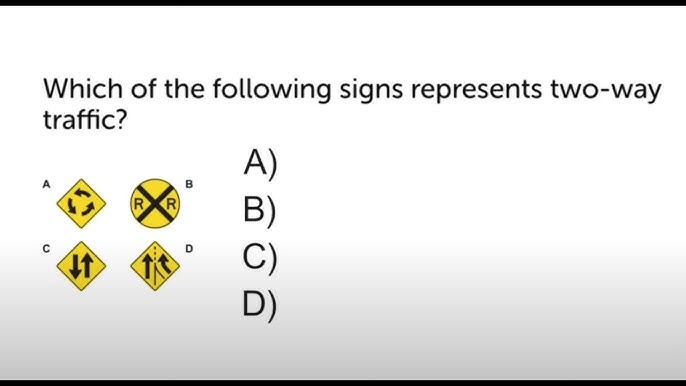
Familiarize yourself with the specific requirements of your driving test. This involves knowing the rules of the road, recognizing and understanding traffic signs, and being aware of the various maneuvers you will be assessed on, such as parallel parking, three-point turns, and lane changes.
Consistent Practice
Regular practice is crucial to building confidence and competence behind the wheel. Aim to accumulate ample driving hours in diverse conditions, including highways, residential areas, and busy streets. Practicing in a vehicle similar to the one you will use for the test can help you become more comfortable with its handling and features.
Master Essential Driving Skills
Focus on mastering fundamental driving skills such as speed control, proper signaling, mirror checks, and maintaining correct hand positioning on the steering wheel (preferably at the 9 and 3 o’clock positions). Additionally, practice specific maneuvers like parallel parking, three-point turns, and lane changes using the S.M.O.G. (Signal, Mirror, Over-shoulder check, Go) technique.
Prepare Your Vehicle
Ensure that the vehicle you will use for the test is in excellent working condition. This includes checking that all lights, signals, brakes, and windshield wipers are functioning properly. Adjust the mirrors and seat to your comfort, ensuring optimal control during the test. A well-maintained vehicle not only complies with testing standards but also reduces the likelihood of technical issues during the exam.
Mastering Essential Skills
Speed Control
Maintaining appropriate speed is vital. Always aim to stay within 5 mph of the posted speed limit. Avoid driving too fast, which can be dangerous, or too slowly, which may impede traffic flow and frustrate other drivers.
Mirror and Blind Spot Checks
Regularly check your rearview and side mirrors to stay aware of your surroundings. Before making any turns or lane changes, perform a thorough blind spot check by looking over your shoulder to ensure there are no unseen vehicles.
Signaling
Consistently use your turn signals when turning, changing lanes, or merging. Proper signaling communicates your intentions to other drivers, enhancing safety and compliance with traffic laws.
Hand Positioning and Steering Techniques
Maintain your hands at the 9 and 3 o’clock positions on the steering wheel. Demonstrate smooth and controlled turning techniques, such as hand-over-hand steering, to navigate corners and curves effectively.
Executing Maneuvers
Practice essential driving maneuvers extensively. This includes:
- Parallel Parking: Position your vehicle parallel to the curb within the designated space efficiently.
- Three-Point Turns: Execute a safe and controlled three-point turn to reverse direction on narrow roads.
- Lane Changes: Perform smooth and safe lane changes using the S.M.O.G. technique.
On Test Day
Arrive Early
Being punctual helps reduce stress and allows you ample time to prepare mentally before the test begins. Aim to arrive at least 15-20 minutes ahead of your scheduled appointment.
Bring Necessary Documentation
Ensure you have all required documents, including your learner’s permit, vehicle registration, proof of insurance, and any other paperwork specified by your local DMV or testing center.
Vehicle Inspection
Before the test, perform a final inspection of your vehicle to confirm that all systems are functioning correctly. Check the lights, signals, brakes, and tire pressure. Ensure that the mirrors and seat are adjusted for optimal visibility and control.
Manage Test-Day Stress
Stay calm and composed by adopting relaxation techniques such as deep breathing or visualization. Arrive well-rested and have a light, healthy meal to maintain energy levels and focus.
During the Test
Follow Examiner Instructions
Listen carefully to the examiner’s directions and carry them out precisely. If you do not understand an instruction, do not hesitate to ask for clarification to ensure you perform the required maneuver correctly.
Stay Calm and Focused
Maintain your composure throughout the test, even if you encounter challenging situations or make minor mistakes. A calm demeanor helps you think clearly and respond appropriately to unexpected scenarios.
Demonstrate Safe Driving Habits
Exhibit defensive driving techniques by anticipating potential hazards, maintaining safe following distances, and obeying all traffic laws. Show that you can drive responsibly and adapt to various road conditions.
Common Mistakes to Avoid
| Common Mistake | Correct Practice |
|---|---|
| Rolling Stops | Always come to a complete stop at stop signs and red lights. |
| Improper Lane Changes | Use your turn signals, check mirrors, and perform a blind spot check before changing lanes. |
| Driving Too Fast or Too Slow | Maintain a speed within 5 mph of the posted limit, adjusting for road conditions. |
| Failing to Check Blind Spots | Regularly check your blind spots before turning or changing lanes. |
| One-Handed Driving | Keep both hands on the steering wheel to maintain control. |
| Ignoring Road Signs or Signals | Obey all traffic signs, signals, and road markings diligently. |
Additional Common Pitfalls
-
Not maintaining proper lane positioning.
-
Making sudden or jerky movements.
-
Failing to signal correctly or in a timely manner.
-
Driving with a distracted focus, such as looking away from the road unnecessarily.
Post-Test Reflection
Learn from Feedback
If you do not pass the test on your first attempt, listen carefully to the examiner’s feedback. Understanding the specific areas where you need improvement will guide your practice and preparation for the retake.
Prepare for a Retake
Use the insights gained from your initial test experience to address any weaknesses. Increase your practice hours, perhaps with the guidance of a driving instructor, to ensure you are fully prepared for your next attempt.
Additional Resources
By following these comprehensive steps and dedicating yourself to consistent practice, you will significantly increase your chances of passing your driving test on the first attempt. Remember to stay calm, stay focused, and drive safely. Good luck!
Last updated January 23, 2025