
Exploring Patriotism in Uganda: National Pride and Development
Dive into Uganda's multifaceted patriotic culture, initiatives, and historical evolution.
Key Highlights
- Government Initiatives: Programs like the National Secretariat for Patriotism Clubs and training in technical colleges foster unity and civic responsibility.
- Educational and Cultural Integration: Patriotism is taught in schools and celebrated via national events, reinforcing Uganda’s unique cultural heritage and historical identity.
- Community Involvement: Uganda’s patriotism extends to volunteerism and public service, urging citizens to contribute to national development.
Understanding Patriotism in Uganda
Patriotism in Uganda represents a deep love and commitment toward the nation, which is fostered through various organized efforts spanning governmental, educational, cultural, and community spheres. The sentiment extends not just to a symbolic allegiance but also towards actionable initiatives that influence the country’s development, unity, and cultural preservation.
Government-Driven Initiatives
The Ugandan government has taken significant steps to institutionalize patriotism among its people. Among the standout initiatives is the establishment of the National Secretariat for Patriotism Clubs in 2009. This central body coordinates patriotism clubs across post-primary institutions, aiming to shape responsible and resourceful citizens who prioritize national well-being. Moreover, government training programs in technical colleges and leadership training at universities have focused on nurturing a strong sense of national identity and civic duty.
These initiatives seek to empower young citizens to take active roles in nation-building. For example, student leaders at institutions such as Nkumba University have undergone specialized patriotism training that emphasizes unity in diversity and the preservation of cultural heritage.
Educational Policies and Curriculum Integration
In Uganda, patriotism is not merely a stated value but an academic subject taught in schools alongside core subjects such as mathematics or English. This educational inclusion ensures that the younger generation gains firsthand insights into the country's historical struggles, cultural values, and civic responsibilities.
Through these educational policies, students learn about Uganda’s national symbols, historical milestones such as its struggles against colonialism, and the evolution of the national identity through various political eras. By emphasizing the importance of roles and responsibilities of citizens, the curriculum encourages critical thinking about leadership, corruption, and community improvement.
Cultural Celebrations and National Symbols
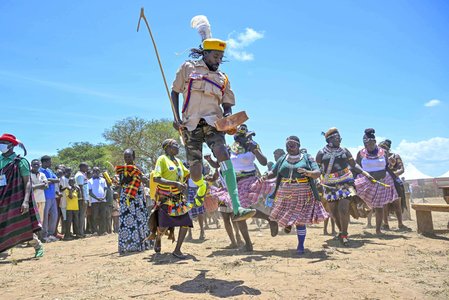
Uganda's cultural identity is cemented through the celebration of its national symbols and traditions. Whether it is the national flag, anthem, or cultural festivals, these symbols are integral in reminding citizens of their shared history and values. National holidays and public events often feature ceremonies, parades, and cultural performances which help strengthen societal bonds and reinforce collective pride.
The observance of these traditions goes beyond mere rituals; they serve as a living history of Uganda’s diverse cultural tapestry. For instance, events and ceremonies focusing on significant historical events help contextualize Uganda's journey—from colonial struggles to its contemporary socio-political landscape.
Examples and Initiatives of Patriotism
To illustrate the practical aspects of patriotism in Uganda, we can look at several concrete examples that highlight both the national spirit and the challenges involved:
National Secretariat for Patriotism Clubs
Since its inception in 2009, the National Secretariat for Patriotism Clubs has played a pivotal role in cultivating patriotism by organizing clubs in schools and higher education institutions. The primary goal is to instill national pride, promote unity, and encourage responsible behavior among students. These clubs engage in a range of activities from historical studies to community service, thus preparing the youth for future leadership roles in the country.
Patriotism Training in Technical Colleges
Several technical colleges in Uganda include patriotism training as part of their curriculum. This structured training focuses on holistic student development by integrating civic education, technical skills, and values such as unity, sacrifice, and cultural preservation. Such training programs aim to nurture a generation that is both technically proficient and deeply committed to the nation's progress.
Volunteerism and Community Service
Beyond academic environments, patriotism in Uganda also manifests in community-based actions. For example, in times of crisis or during service shortages, the government has appealed to professionals like health workers to volunteer their services in the spirit of patriotism. This kind of volunteerism reinforces the concept that true patriotism involves self-sacrifice and a readiness to contribute for the collective well-being of the country.
Cultural Events and Heritage Preservation
A vibrant part of patriotic expression in Uganda is the cultivation and preservation of cultural heritage. Various cultural festivals and commemorations celebrate the country's diverse ethnic traditions, providing citizens with a sense of identity and belonging. These events are crucial for maintaining the legacy of different communities in Uganda and showcasing the nation's rich cultural mosaic.
Historical Insights and National Struggles
The foundation of patriotism in Uganda is inextricably linked to the country's historical experiences. From the era of colonial oppression to the bold resistance movements led by figures such as Yoweri Museveni, Uganda’s historical narrative has been marked by struggles for self-determination and unity. These historical challenges have shaped a collective national consciousness where patriotism is seen as a tool for reclaiming dignity, rights, and the promise of a better future.
While patriotism is celebrated for its unifying aspects, it also includes the critical perspective of speaking out against injustices and corruption. True patriotism in Uganda often involves holding leaders accountable and advocating for policies that protect the common interest, thereby facilitating a more just and progressive society.
Institutional and Organizational Contributions
Multiple institutions in Uganda have taken on the mantle of promoting patriotism beyond basic academic instruction. For example, the Patriotism Corps, though less highlighted, functions by monitoring patriotism activities in schools and reinforcing policies that nurture Palestinian or nationalistic pride. Organizations like these have become essential in evaluating and sustaining patriotic sentiments across different regions of the country.
Integrated Overview Table
| Category | Description | Examples/Initiatives |
|---|---|---|
| Government Initiatives | Programs introduced by the government to promote unity and national pride. | National Secretariat for Patriotism Clubs, Volunteer appeals by health ministry, patriotism training in technical colleges. |
| Educational Policies |
Integration of patriotism as an academic subject. Focus on history, civic duties, and national symbols. |
Patriotism courses in Ugandan schools, leadership training at universities. |
| Cultural Engagement |
Celebrating national identity through heritage and traditions. Focus on cultural events and festivals. |
National flag and anthem observance, cultural performances during national holidays. |
| Community Involvement |
Civic volunteerism and grassroots initiatives. Emphasis on collective responsibility. |
Volunteering by health workers, public service initiatives during crises. |
| Historical and Political Context |
Emphasis on the historical struggles and formation of national identity. Inclusion of past resistance movements. |
Legacy of colonial resistance, the role of patriotic leaders like Yoweri Museveni. |
Additional Views on the Multifaceted Nature of Ugandan Patriotism
The discussion around patriotism in Uganda is enriched by multiple perspectives that discuss both its unifying power and its challenges. For many, patriotism is an emotional bond that encapsulates loyalty and commitment to national welfare. However, it also challenges citizens to be vigilant, speak frankly about issues like corruption, and contribute positively to societal advancement. This duality is central to understanding patriotism in Uganda.
While patriotic fervor provides a platform for national development and community unity, it also requires a critical approach that recognizes past mistakes. Calls for accountability and honest evaluations of leaders underline the fact that patriotism is not synonymous with blind allegiance. This balanced approach ensures that patriotism remains a constructive force in Ugandan society.
Balancing Loyalty with Critique
Some critical voices argue that genuine patriotism must include the capacity to challenge underperformance or corruption openly. This involves a nuanced understanding of patriotism as both a celebration of national achievements and a demand for accountability. Such an approach often requires citizens to engage in thoughtful dialogue about the future direction of national policies without compromising on the core values of unity and national pride.
Regional and Cultural Nuances
Uganda’s rich tapestry of ethnic groups and cultural identities further enriches the concept of patriotism. In regions like Buganda, traditional loyalties often coexist with a broader national identity. This regional nuance illustrates that patriotism in Uganda can be both localized, celebrating particular cultural heritages, and universal, advocating for the overall progress of the nation. These dynamics ensure that patriotism in Uganda is inclusive, diverse, and reflective of its multifaceted society.
References
- National Secretariat for Patriotism Clubs - Office of the President
-
Patriotism, the deep love for one's country - New Vision Official
- Patriotism fuels fight against corruption | Monitor
- How Patriotic are Ugandan Teens? - DW
- Patriotic Values | Patriotism in Uganda
Recommended Queries for Further Exploration
 batambuze.wordpress.com
 npcu.wordpress.com
 thepatriotic.wordpress.com
npcu.wordpress.com
npcu.wordpress.com
Last updated March 27, 2025