
Integrating Secure Payment Gateways for E-commerce Success
A comprehensive guide to securing online transactions and ensuring uniform sales
Key Highlights
- Robust Security Measures: Emphasizing encryption, compliance standards, and anti-fraud practices.
- Seamless Integration: Adopting both hosted and API-based methods to optimize customer experience.
- Thorough Testing and Monitoring: Using sandbox environments and continuous performance checks enhances trust and uniform sales.
Understanding Payment Gateways
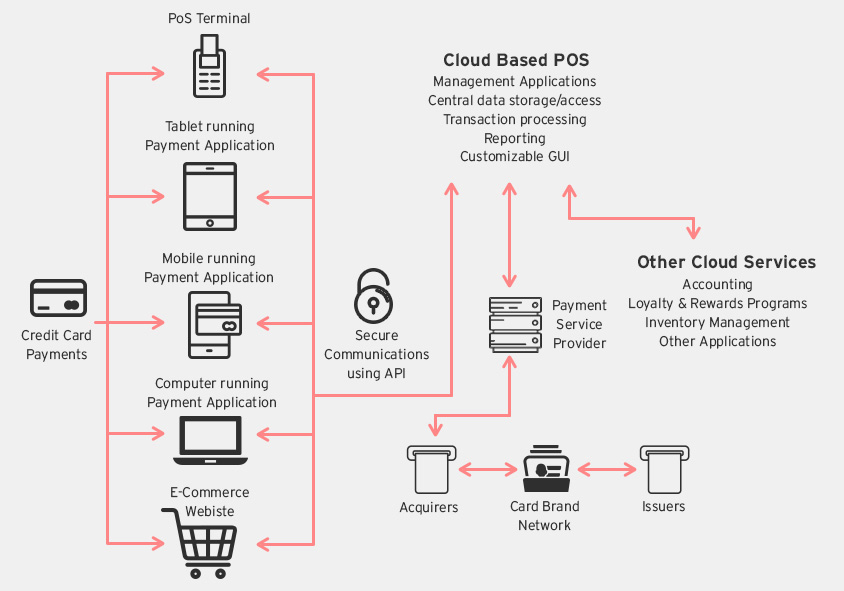
Payment gateways are the digital cash registers of the online world. They act as intermediaries that securely authorize, process, or reject electronic transactions between an e-commerce site and the customer’s financial institutions. This critical integration not only ensures smooth processing of payments but also builds customer trust and contributes to achieving uniform sales. With a growing number of shopping methods, ranging from credit/debit cards to digital wallets and bank transfers, integrating the right payment gateway is a necessity.
What is a Payment Gateway?
At its core, a payment gateway handles the transfer of transaction data between the customer, the merchant, and the financial institution. It secures sensitive information by using technologies such as Secure Socket Layer (SSL) encryption and tokenization. Compliance with security standards such as Payment Card Industry Data Security Standard (PCI DSS) ensures that these payment processes are imbued with rigorous security protocols.
Why Secure Integration is Crucial
Secure integrations build customer confidence by ensuring that payment data is handled with care. Additionally, they help maintain the integrity and performance of your e-commerce platform which, in turn, is essential to drive consistent sales. Poorly secured systems can lead to data breaches, fraud, and loss of customer trust, ultimately affecting overall sales performance.
Choosing the Right Payment Gateway
The first step in integrating a secure payment gateway is selecting one that aligns with your specific business needs. Different gateways offer various features, and choosing the right one involves evaluating several critical factors:
Criteria for Selection
Consider the following factors when choosing a payment gateway:
- Security Features: Ensure compliance with PCI DSS standards, SSL encryption, tokenization, and site-specific features like fraud detection and two-factor authentication.
- Supported Payment Methods: Look for gateways that support a variety of payment options including major credit/debit cards, digital wallets, bank transfers, and even buy-now-pay-later systems.
- Performance and Reliability: Opt for gateways known for minimal downtime, high processing speeds, and reliable customer support.
- Pricing and Fees: Compare transaction fees, setup fees, and any additional costs that might affect your business model.
- Integration Complexity: Determine whether you prefer a hosted gateway (redirecting the user to a payment processor’s secure page) or an integrated/API-based method, which allows customers to complete payments directly on your site.
Popular Payment Gateways
| Gateway | Security & Features | Integration Type | Notes |
|---|---|---|---|
| Stripe | PCI DSS compliance, tokenization, fraud detection | API-based integration | Highly customizable with extensive documentation |
| PayPal | SSL encryption, fraud management filters | Hosted and API options | Widely trusted and simple setup via plugins |
| Square | End-to-end encryption, fraud prevention tools | API-based integration | Good for small to medium-sized businesses |
| Authorize.Net | Advanced fraud detection, secure credentials management | API and direct post integration | Robust for traditional e-commerce platforms |
| Shopify Payments | Integrated security, PCI DSS compliance | Native integration if using Shopify | Simplifies setup for Shopify e-commerce sites |
Types of Payment Gateway Integration
Depending on the business model and technical expertise, there are several ways to integrate secure payment gateways:
Hosted Payment Gateways
Hosted solutions involve redirecting the user to a service provider’s secure page to enter their payment information. The benefits of this approach include simpler compliance since the payment provider is responsible for PCI standards, and often a more straightforward integration process. However, the drawback is a slightly disrupted user experience as customers are taken away from the main website.
Integrated/API Payment Gateways
In this method, the payment gateway is deeply embedded within your website, typically via an API. This flexible integration maintains the continuity of the user experience, allowing customers to enter payment details directly on your site. However, it demands higher technical effort and adherence to strict compliance rules, such as PCI-DSS, as your site handles sensitive data.
Direct Post Integration
This technique allows payment information to be sent directly from your checkout page to the payment processor without storing sensitive data on your site. This minimizes the risk exposure and data handling responsibilities while providing a seamless payment process.
Implementing and Testing the Payment Gateway
Once you have chosen the appropriate payment gateway and integration type, the next critical step is ensuring that the technical implementation is robust and secure.
Obtaining API Credentials and Setting Up
After signing up for a payment gateway account, the provider typically issues API keys. These keys facilitate secure communication between your e-commerce site and the payment service. Protect these credentials by using secure storage solutions such as environment variables or dedicated vaults. This step is vital to ensure that unauthorized access is prevented.
Steps for API-based Integration
- Register: Create an account with the chosen payment provider.
- Configure Credentials: Securely store and use your API keys.
- Implement Code: Integrate gateway code into your checkout process. This involves calling API endpoints to create and manage transactions.
- Handle Transactions: Ensure that payment functions capture the correct status before confirming orders.
- Edge Cases: Implement error handling to manage situations like declined payments or timeouts.
Ensuring a Secure Transaction Environment
Security is paramount when integrating payment gateways. This involves a multi-layered approach:
- Encryption: Use SSL/TLS protocols to ensure data is encrypted during transmission.
- Tokenization: Replace sensitive card information with tokens to reduce risk in case of a breach.
- Fraud Detection: Deploy mechanisms that assess transaction behaviors and flag suspicious activities.
- Compliance: Adhere to PCI DSS standards, ensuring your integration meets mandatory security protocols.
Testing the Integration
Before launching your integration, thorough testing is necessary. Testing should be conducted in a sandbox environment provided by the payment gateway. This is where you simulate a range of transaction scenarios including:
- Successful Payments: Verify that transactions are processed and confirmed.
- Failed Transactions: Confirm error handling and user notifications for declined or incomplete payments.
- Edge Cases and Security Breaches: Test for improper data handling and simulate potential attacks to check your compliance with data protection standards.
This rigorous testing phase ensures a seamless and secure checkout experience for your users while safeguarding sensitive data. Once testing is complete, rolling out the feature in a phased manner, along with monitoring tools, can help you catch and rectify issues swiftly.
Optimizing the User Experience
A smooth and intuitive checkout process is crucial for preventing cart abandonment and ensuring uniform sales. Optimizing the user experience involves:
Streamlined Checkout Flow
Reducing the number of steps required to complete a purchase can significantly improve conversion rates. Design an interface that is easy to navigate and minimizes distractions. Ensure that input fields are clearly labeled and error messages help guide the user to correct any mistakes. A streamlined procedure not only speeds up the payment process but also builds customer confidence in your site's reliability.
Mobile Optimization
With a growing number of consumers shopping via smartphones, it is essential that your payment gateway integrates a mobile-optimized checkout experience. Responsive design ensures that payment forms and buttons are appropriately scaled and easily accessible on smaller screens. Furthermore, consider incorporating features like digital wallet integration or one-click payments to cater to mobile users.
Providing Multiple Payment Options
Offering multiple payment methods – such as credit/debit cards, digital wallets, and alternative financing options – widens your customer base and reduces barriers to purchase. For example, some customers might prefer using popular digital systems like Apple Pay or Google Pay, whereas others may opt for traditional credit card payments. An inclusive payment strategy increases the overall conversion rate.
Monitoring and Continuous Improvement
Even after a secure payment gateway is integrated, the process does not conclude. Continuous monitoring and iterative improvements are pivotal to maintaining transaction security and efficiency.
Transaction Monitoring
Employ analytics tools to track transaction performance. This not only helps in identifying irregularities or fraud but also provides insights into customer behavior. Monitoring systems should flag unusual patterns or spikes in transaction failures which can be indicative of potential security breaches or technical issues.
Regular Updates and Maintenance
Payment gateways and e-commerce environments are constantly evolving. Keep abreast of changes in regulatory requirements, emerging fraud techniques, and technological advancements. Regularly update the integration and conduct periodic security audits to ensure that the system remains compliant with the latest standards.
Technical Implementation: A Code Overview
To illustrate how to integrate a secure payment gateway, consider the following basic code example using Stripe. This sample demonstrates both frontend and backend components necessary for processing payments securely.
Client-Side Example
// Include the Stripe JavaScript library
const stripe = Stripe('YOUR_PUBLISHABLE_KEY');

// Create a payment form and assign an event listener
const paymentForm = document.getElementById('payment-form');
paymentForm.addEventListener('submit', async (e) => {
  e.preventDefault();
  const { name, email } = e.target.elements;

  // Create a payment method
  const paymentMethodResponse = await stripe.createPaymentMethod({
    type: 'card',
    card: {
      number: '4242424242424242',
      exp_month: 12,
      exp_year: 2025,
      cvc: '123'
    },
  });

  // Send the payment method ID to your server to create a payment intent
  const response = await fetch('/create-payment', {
    method: 'POST',
    headers: { 'Content-Type': 'application/json' },
    body: JSON.stringify({ paymentMethod: paymentMethodResponse.paymentMethod.id })
  });
  const result = await response.json();
  console.log(result);
});
Server-Side Example
const express = require('express');
const app = express();
const stripe = require('stripe')('YOUR_SECRET_KEY');
app.use(express.json());

app.post('/create-payment', async (req, res) => {
  try {
    const { paymentMethod } = req.body;
    const paymentIntent = await stripe.paymentIntents.create({
      amount: 1000, // Amount in cents
      currency: 'usd',
      payment_method_types: ['card'],
    });

    // Confirm the payment intent using the provided payment method
    const confirmedIntent = await stripe.paymentIntents.confirm(paymentIntent.id, {
      payment_method: paymentMethod,
    });

    res.json({ message: 'Payment successful', intent: confirmedIntent });
  } catch (error) {
    console.error(error);
    res.status(500).json({ message: 'Payment failed', error: error.message });
  }
});

app.listen(3000, () => console.log('Server running on port 3000'));
This example showcases how to securely collect payment details from the user on the client-side and process the transaction on the server-side — a critical part of maintaining secure and efficient payment processing.
Additional Considerations for Uniform Sales
In addition to the technical aspects of secure integration, consider strategic measures to maintain uniform sales across your e-commerce platform:
Multi-Gateway Implementation
Integrating multiple payment gateways allows you to offer various options to customers. This redundancy minimizes transaction failures if one gateway experiences downtime, thereby maintaining consistent sales volumes. Set rules for which gateway should be the primary one, and use others as backups. This strategy helps to adapt to regional preferences or differing transaction fees.
User Experience Monitoring
Leveraging user behavior analytics provides insights into potential friction points in the checkout process. Use the feedback to optimize the user interface and make improvements. Frequent A/B testing can help determine which adjustments lead to higher conversion rates.
Ongoing Compliance and Security Audits
Regular compliance reviews and security audits ensure your system is continually updated to address new threats and regulatory changes. This proactive approach guarantees that your payment gateway continues to meet industry best practices and instills trust in your customers.
Real-World Impacts and Strategic Benefits
An effectively integrated and secure payment gateway not only protects sensitive transaction data but also enhances the credibility of the e-commerce platform. This solid foundation contributes to customer confidence, enabling repeat transactions and fostering positive word-of-mouth. Ultimately, this leads to uniform sales growth and a stronger market position.
Businesses that invest in robust payment processing infrastructure often enjoy reduced fraudulent transactions, improved operational efficiency, and enhanced customer loyalty. Such strategic investments become a critical asset in competitive online marketplaces where consumer trust and smooth transactional experiences are paramount.
References
- Best Practices to Integrate Payment Gateway into Your E-commerce Website - ClarionTech
- How to Integrate a Payment Gateway into a Website - Worldpay
- How to Integrate Payment Gateway in Website - Neklo
- E-commerce Payment Gateway - Shopify
- Choosing the Most Secure Payment Gateway for Your E-Commerce - CM Alliance
Recommended Topics

Last updated March 6, 2025